Home Blog Page 4

Flu, Covid and RSV Continue to Circulate Nationwide

Multiple viruses overlapping this spring

Flu, Covid-19 and several other respiratory viruses remain in circulation across the United States, alongside a persistent norovirus outbreak that has left many Americans sick. Health experts say the overlap of illnesses makes it nearly impossible to determine which virus is responsible without testing, as symptoms often look the same: cough, congestion, fever and body aches.

“Unfortunately, there is not really a distinct trait between these respiratory illnesses,” said Dr. Greeta Sood, an epidemiologist at Johns Hopkins Bayview Medical Center. Loss of taste and smell, once common with Covid, is no longer a reliable signal.

While respiratory activity is generally lower than in peak winter months, certain states continue to report moderate levels of illness, and wastewater monitoring shows that multiple viruses remain active.

Covid-19 and variant BA.3.2

A newer Covid variant, BA.3.2, sometimes nicknamed “cicada,” has been detected in wastewater and nasal samples across dozens of states. Experts note that its spike protein mutations could allow it to partially evade immunity from prior infection or vaccination.

“This variant is very immunologically distinct compared to previous variants,” Sood said, adding that it remains unclear whether it will drive a new wave of cases.

So far, BA.3.2 accounts for a small share of sequenced samples nationwide. Overall Covid levels remain low, though some states have reported modest increases. Public health specialists emphasize that trends vary significantly by region.

Influenza trends easing but not gone

This flu season began with a surge of Influenza A, particularly the H3N2 “subclade K” strain, which peaked between late November and early January. Cases have declined steadily since then, though influenza A still accounts for most infections.

Influenza B activity shows mixed signals, with some states reporting increases. Pediatric deaths have been recorded this season, though totals remain below last year’s historic highs.

Experts say vaccination can still provide protection, especially for individuals planning travel or those at higher risk of complications.

RSV remains stubbornly elevated

Respiratory syncytial virus, or RSV, typically peaks earlier in the season and then declines. This year, however, levels have plateaued rather than dropping sharply. Wastewater data indicates moderate to high circulation in several states.

“What is abnormal about RSV right now is that it’s not going down as much as we would expect,” Sood said. Some health authorities continue recommending preventive antibodies for newborns in areas where RSV remains elevated.

HMPV and other respiratory viruses

Human metapneumovirus, or HMPV, a virus related to RSV, is also circulating at expected seasonal levels. It tends to peak in mid-spring and produces symptoms similar to a common cold.

Experts stress that monitoring local data, including wastewater surveillance, can offer clues about which virus may be most prevalent in a given area.

Norovirus still causing outbreaks

Unlike respiratory viruses, norovirus affects the gastrointestinal system and causes sudden vomiting and diarrhea. The illness typically lasts one to three days but spreads easily in crowded settings.

Wastewater data shows norovirus levels remain high nationwide, though not increasing. This season’s case counts are lower than last year’s unusually severe surge, but outbreaks continue to occur.

Health specialists say the best defense against these viruses remains testing when appropriate, vaccination for flu and Covid where recommended, and staying home when ill to prevent further spread.


Millions May Claim Car Finance Compensation

FCA outlines redress for mis-sold loans

Millions of UK drivers could receive compensation after the Financial Conduct Authority confirmed that around 40% of car finance agreements taken out between April 2007 and November 2024 may have been mis-sold.

The regulator estimates that approximately 12 million people will qualify for redress under its new centralised scheme, with an average payout of £829. That figure is lower than the earlier estimate of 14 million, a revision that helped lift shares in some major lenders.

The scheme focuses primarily on discretionary commission arrangements, banned in 2021. Under these deals, dealers could earn higher commission by increasing the interest rate charged to customers. The FCA concluded this structure created incentives that left borrowers paying more than necessary.

Drivers describe drawn-out claims

Poppy Whiteside, a senior NHS data analyst from Kent, believes she is owed compensation linked to a 2018 Ford Fiesta purchase. She says her lender eventually acknowledged that a discretionary commission arrangement applied to her loan, but she was not informed at the time.

“They’ve made me jump through hoops,” she said, describing repeated requests for the same documentation. Like many UK motorists, she has routinely financed vehicles and only became aware of potential mis-selling after news coverage in 2024.

Gray Davis, who bought a Renault Megane convertible in 2008 using a hire purchase agreement, says he was encouraged to use finance in exchange for a £500 discount. He repaid the loan within three months but only later realised he may have been overcharged.

“When this came out in the news, I realised ‘that’s me,’” he said. Davis, currently out of work due to illness, described the potential payment as a “lifeline” for his family.

Who qualifies for compensation?

Under the FCA framework, compensation may apply where:

  • A discretionary commission arrangement was used and not disclosed.
  • A high commission structure paid at least 39% of total credit cost and 10% of the loan value to the dealer.
  • Exclusive contractual ties limited consumer choice between lenders.

The regulator noted that some cases may still be judged fair even if these conditions apply, depending on individual circumstances.

Free claims route versus legal action

Borrowers can submit claims directly to lenders at no cost under the FCA’s centralised scheme. Chief executive Nikhil Rathi warned that some law firms and claims management companies may take up to 30% of any award.

Despite this, some motorists are opting for legal representation. Michael Waller from Bexley is pursuing his case through a law firm, arguing that the principle of accountability matters as much as the financial outcome. “Years on I’ve realised that in both cases I’ve been hoodwinked,” he said.

The Finance and Leasing Association criticised the scheme as overly broad, while consumer advocacy groups argued it may not go far enough. The redress plan could still face legal challenges from lenders.

For now, millions of drivers await clarity on when payments will begin and how quickly lenders will process claims under the regulator’s framework.

Hormuz Shutdown Sparks 1970s Oil Crisis Fears

Energy security alarm over Gulf blockade

The month-long closure of the Strait of Hormuz, a key artery for global energy shipments, has intensified concerns that the world could face economic disruption exceeding that of the 1970s oil shocks. The narrow waterway typically carries about 20% of global oil supplies, along with significant volumes of gas and refined products.

Lars Jensen, chief executive of Vespucci Maritime and a former Maersk director, warned that the fallout from the U.S.-Israeli war with Iran could be “substantially larger” than the turmoil seen half a century ago. His remarks echo earlier comments from International Energy Agency head Fatih Birol, who described the situation as the greatest energy security threat in modern history.

How the 1970s oil shocks unfolded

The oil crises of the 1970s were triggered by deliberate policy actions. In October 1973, Arab producers imposed an embargo on nations supporting Israel during the Yom Kippur War and simultaneously cut output. Oil prices nearly quadrupled within months, triggering fuel rationing and deep recessions in major economies.

Inflation surged, unemployment climbed and social unrest spread. Both the United States and the United Kingdom entered prolonged recessions between 1973 and 1975. A second shock followed in 1979 during the Iranian Revolution, further destabilizing energy markets.

Current supply strain and delayed impact

Since hostilities began a month ago, tanker traffic through Hormuz has effectively halted. Jensen noted that shipments dispatched before the closure are still reaching refineries, but those flows will soon taper off. Even if the strait reopened immediately, shortages and elevated energy costs could persist for six to twelve months due to supply chain lags.

President Donald Trump has sought to restore shipping by urging allied naval escorts and issuing warnings to Iran. Yet uncertainty remains over how quickly safe passage could be reestablished.

Is today’s market more resilient?

Some analysts argue that today’s global energy system is structurally stronger than in the 1970s. Economist Dr. Carol Nakhle of Crystol Energy points out that the modern market is more diversified and less oil-intensive, with strategic reserves and emergency response tools in place.

However, others stress the sheer scale of the disruption. Alicia Garcia Herrero of Natixis CIB noted that the 1970s shocks reduced global supply by roughly 5–7%, whereas the current blockade affects around 20% of supply. If prolonged, she warned, the impact could surpass previous crises, with sharper price spikes and heightened recession risks, particularly in import-dependent regions.

While improved reserves and efficiency may cushion the blow, the magnitude of the supply loss underscores the vulnerability of global energy flows to geopolitical conflict.

Israel Bars Patriarch From Holy Sepulchre

Palm Sunday Access Denied

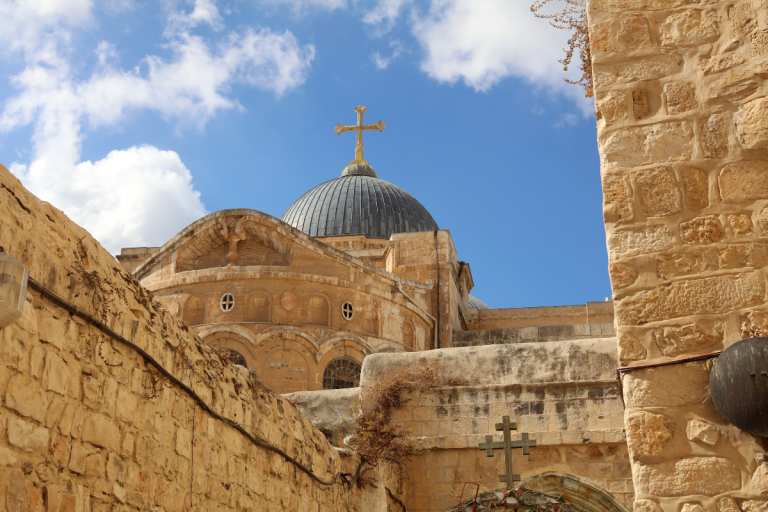
World leaders expressed concern after Israeli police prevented Cardinal Pierbattista Pizzaballa, the Latin patriarch of Jerusalem, from entering the Church of the Holy Sepulchre on Palm Sunday. According to the Latin Patriarchate of Jerusalem, Pizzaballa and the Rev. Francesco Ielpo were stopped while traveling to the church in Jerusalem’s Old City to celebrate Mass and were compelled to turn back.

The patriarchate described the incident as the first time in centuries that Palm Sunday Mass could not be celebrated at the church, widely regarded as Christianity’s holiest site and traditionally believed to stand where Jesus was crucified.

Security Justification and Backlash

The office of Prime Minister Benjamin Netanyahu said police intervened due to specific security concerns, stating there was no malicious intent. Authorities cited the broader security situation tied to the ongoing conflict with Iran, noting that holy sites in the Old City had been closed to worshippers when hostilities began in February.

Officials said Iran had previously targeted sites in Jerusalem with ballistic missiles and that fragments from one strike had landed near the Church of the Holy Sepulchre. After criticism mounted, Netanyahu pledged “full and immediate access,” while police later approved what they described as a limited prayer framework for the church.

International Reaction

The decision drew sharp responses from international figures. U.S. Ambassador to Israel Mike Huckabee said barring the patriarch from a private ceremony on Palm Sunday was difficult to justify. Italian Prime Minister Giorgia Meloni expressed solidarity with the church leaders, calling the denial of entry an offense against believers and religious freedom.

French President Emmanuel Macron criticized what he described as a troubling pattern of actions affecting Jerusalem’s holy sites. Italy’s Foreign Minister Antonio Tajani said he would summon Israel’s ambassador for clarification, while Germany’s ambassador to Israel, Steffen Seibert, described the incident as painful for Christians worldwide. Pina Picierno, vice president of the European Parliament, characterized it as an unprecedented violation of religious freedom.

Broader Context of Restrictions

The formal Palm Sunday procession, which typically attracts thousands of worshippers, had already been canceled due to restrictions on large gatherings imposed during the conflict. The Latin Patriarchate emphasized that Pizzaballa and Ielpo were traveling privately, without ceremonial elements.

Pope Leo XIV, addressing worshippers at the Vatican earlier in the day, said his prayers were with Christians in the Middle East, later reiterating the message without directly referencing the incident.

Israeli authorities said they would develop a plan to allow church leaders to worship at the site during the remainder of Easter week. Palm Sunday marks Jesus Christ’s entry into Jerusalem, traditionally commemorated by the laying of palm branches.

Study Finds COVID Shot in Pregnancy Protects Infants

Infants face high hospitalization risk

Babies under 6 months old continue to experience some of the highest COVID-19 hospitalization rates of any age group, yet no vaccine is approved for them. That vulnerability has led the American College of Obstetricians and Gynecologists (ACOG) to recommend COVID vaccination during pregnancy.

“There are a number of studies that show one of the benefits of COVID vaccination during pregnancy is the passage of antibodies to the newborn,” said Dr. Kevin Ault, professor of obstetrics and gynecology at Western Michigan University. “That protects the newborn against COVID.”

Large study reinforces guidance

A new study published in Pediatrics followed 146,031 children born in Norway between March 2020 and December 2023. About one in four of their mothers received a COVID vaccine during pregnancy.

The findings show that infants exposed to vaccination in utero were about 50% less likely to require hospital care for COVID during their first two months of life compared with infants whose mothers were not vaccinated. Between 3 and 5 months of age, the risk was 24% lower among vaccine-exposed infants. The protective effect diminished after 6 months.

Importantly, researchers found no increased risk of other infections in babies whose mothers were vaccinated. “COVID vaccination in pregnancy protected the infant against COVID and had no apparent effect on other infections,” said lead author Dr. Helena Niemi Eide of the University of Oslo.

No evidence of broader infection risk

The study addressed claims that vaccination during pregnancy could lead to immune problems in infants. Babies whose mothers received the vaccine were no more likely to be hospitalized for infections overall. Although they were slightly more likely to have primary care visits for infections, researchers attributed this to differences in health-seeking behavior rather than biological effects.

“If you’re more likely to get vaccinated during pregnancy, you’re probably more likely to take your newborn to the doctor,” Ault said, noting there is no biological mechanism suggesting increased infection risk.

Context amid shifting policy debates

Previous research has shown that pregnancy increases the risk of severe COVID illness, including hospitalization and ventilator use. U.S. data indicate that hospitalization rates for infants under 6 months can rival those of adults aged 65 to 74, with about one in five hospitalized infants requiring intensive care.

The Norwegian study was funded by academic and government institutions without pharmaceutical industry support. Pediatrician Dr. Thomas Nguyen said the large dataset provides reassurance about earlier clinical recommendations. “This study confirms that vaccination during pregnancy protects young infants before they’re old enough to be vaccinated themselves,” he said.

While policy discussions continue at the federal level, the new data add to growing evidence that maternal COVID vaccination offers measurable early-life protection without increasing other infection risks.

Google Expands Live Translate to iOS

Real-time translations reach more users

Google announced Thursday that its AI-powered “Live Translate” feature is expanding to iOS and additional countries. The tool, built into the Google Translate app and powered by Gemini AI, enables users to hear real-time translations directly through their headphones.

With the update, Live Translate is now available on both iOS and Android devices in the United States, India, Mexico, Germany, Spain, France, Nigeria, Italy, the United Kingdom, Japan, Bangladesh and Thailand. Previously, the feature was limited to Android users in the U.S., India and Mexico.

How the feature works

Live Translate turns standard headphones into a one-way translation device. When activated, the feature captures spoken language and delivers near-instant translations in the listener’s ears.

Google says the system preserves tone, emphasis and cadence, helping users better follow conversations and distinguish between speakers. The feature supports more than 70 languages and works with any pair of headphones.

To access Live Translate, users open the Google Translate app, tap the “Live Translate” option and connect their headphones. The company suggests it can be used for situations such as understanding relatives who speak another language or following public announcements while traveling abroad.

Search Live also expands globally

The rollout comes alongside a broader expansion of Google’s AI-powered Search Live feature. Search Live is now available in all languages and regions where AI Mode is supported, extending access to users in more than 200 countries and territories.

Originally launched in July 2025, Search Live allows users to point their smartphone camera at objects or surroundings to receive real-time assistance. The feature enables conversational interactions that draw on visual context from the camera feed.

Users can access Search Live by opening the Google app on Android or iOS and tapping the Live icon located beneath the search bar.

With both Live Translate and Search Live expanding internationally, Google continues to broaden the reach of its AI-driven tools across mobile platforms.

How to Manage Allergy Season More Effectively

Why allergy season feels worse

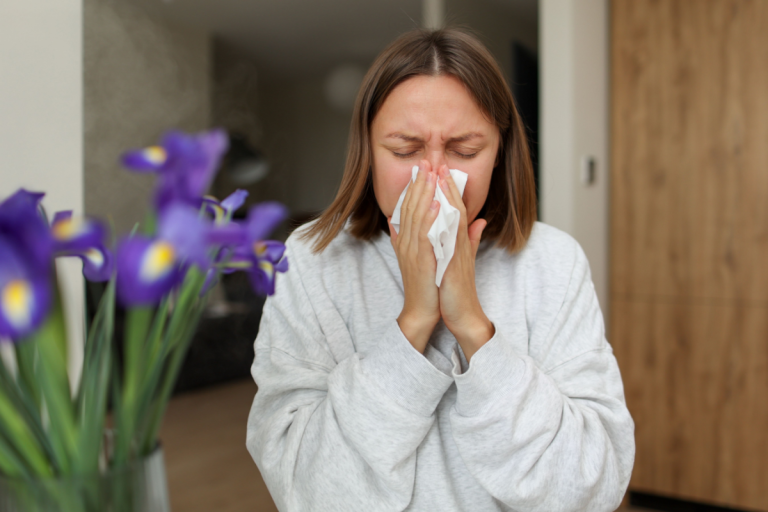
Seasonal allergies affect tens of millions of Americans each year, bringing runny noses, itchy eyes, coughing and persistent sneezing. The severity of symptoms often depends on where you live, the specific pollens you react to and daily habits that increase exposure.

Experts note that climate patterns are contributing to longer and more intense allergy seasons. Milder winters and extended growing seasons allow pollen to circulate for longer periods. At the same time, treatments for seasonal allergies have improved over the past decade, giving sufferers more effective options for relief.

Cities with high allergy burdens

The Asthma and Allergy Foundation of America publishes an annual list of the most challenging U.S. cities for allergy sufferers. Rankings consider pollen counts, use of over-the-counter medications and access to allergy specialists.

This year’s top five cities are Boise, Idaho, San Diego, California, Tulsa, Oklahoma, Provo, Utah and Rochester, New York. Residents in these areas may face higher pollen exposure or fewer treatment resources.

Understanding common pollen triggers

Pollen is produced by seed-bearing plants as part of their reproductive cycle. In early spring, tree pollen is typically the primary trigger. Grass pollen follows in late spring and early summer, with weed pollen peaking in late summer and fall.

Common tree allergens include birch, cedar, maple, elm and oak. Grasses such as Bermuda, Johnson and Kentucky bluegrass are also frequent culprits. Tracking local pollen levels through services offered by the American Academy of Allergy, Asthma and Immunology can help guide outdoor plans.

Reducing exposure at home and outside

Avoidance remains the first line of defense. Keeping windows closed in both homes and vehicles can limit indoor pollen exposure. Wearing long sleeves outdoors may reduce contact with allergens and provide sun protection.

Experts recommend showering and changing clothes after spending time outside to prevent pollen from settling indoors. Rinsing the nose and eyes with saline can also help remove lingering allergens. Face masks can reduce inhaled pollen, though they do not protect the eyes.

Treatment options that work

Over-the-counter nasal sprays are considered among the most effective treatments for seasonal allergies. Proper technique matters. Physicians advise directing the spray slightly outward toward the ear rather than straight upward to reduce irritation.

Oral antihistamines such as Claritin, Allegra and Zyrtec can provide relief, though they may act more gradually. If symptoms interfere with sleep, work or school performance, consulting an allergist may be appropriate. Prescription therapies and immunotherapy can help retrain the immune system to reduce overreactions.

Some widely shared remedies, including consuming local honey to build tolerance, lack scientific support. Specialists emphasize that the pollen responsible for allergies is typically not the same pollen bees collect.

The outlook for future seasons

Climate shifts are expected to continue influencing allergy patterns. Longer growing seasons increase the amount of pollen in circulation, contributing to more prolonged symptoms. Last year marked one of the most intense allergy seasons on record, particularly in the southeastern United States.

With awareness, preventive strategies and appropriate treatment, many people can reduce the impact of allergy season and maintain outdoor activities more comfortably.

Experts Urge ‘Spring Cleaning’ for Your Finances

Money stress remains widespread

With rising living costs, elevated interest rates and growing household debt, financial anxiety remains high for many Americans. A recent report shows that 72% of Americans experience some level of stress related to money.

To help people regain control, financial advisors are encouraging a seasonal reset focused on budgeting, cutting expenses and strengthening savings habits. The idea mirrors traditional spring cleaning: reduce clutter, create order and build a plan for long-term stability.

“Just like clutter in your home creates stress, clutter in your finances creates stress too,” said Dr. Erika Rasure, a financial wellness advisor at Beyond Finance.

Housing, food and transportation drive costs

In cities like San Diego, residents are paying more for housing, transportation and groceries. Advisors suggest looking for practical adjustments that can ease pressure. Renting out a room, combining errands to save on fuel or using public transportation occasionally may reduce monthly expenses.

When it comes to groceries, preparing more meals at home, planning shopping lists and using coupons can save between $5 and $20 per trip. Avoiding impulse purchases is another key strategy.

“You can’t control rising prices, but you can influence your response and how you support yourself,” Rasure said.

Small changes can add up

Experts emphasize that minor spending habits often make a measurable difference over time. Brewing coffee at home, skipping salon visits and canceling unused subscriptions can free up extra cash. Americans typically carry between six and eight subscription accounts they no longer use.

Investing does not require large sums to begin. “It takes a small amount of capital to start, maybe it is that one less Starbucks, and you put $20 in an investment strategy for long term growth,” said Brett Roenick, a wealth advisor at AlphaCore.

Automatic savings tools can also help. Setting up recurring transfers from each paycheck or enrolling in programs that round up purchases to the nearest dollar allows small amounts to accumulate gradually with little effort.

Seek help and negotiate better terms

For individuals overwhelmed by debt, experts recommend seeking professional assistance. “If you’re really overwhelmed by debt, making the minimums and can’t get your head above water, start looking for professional help,” Rasure said.

Consumers are also encouraged to negotiate lower rates on credit cards, auto insurance and cable services. Shopping around annually for better offers can result in meaningful savings.

Energy savings and mindful spending

At home, reducing utility costs can offer additional relief. Washing clothes in cold water, raising the thermostat by one or two degrees and unplugging unused electronics may cut energy bills by 5% to 10%.

Another strategy is scheduling a “no-spend weekend” once a month, focusing on free activities instead of discretionary purchases. Small, consistent changes combined with a clear action plan can reduce stress and improve financial resilience.

“There are definitely worries and concerns, but if you have a good plan in place, with the right heart — it’s all going to be ok,” Roenick said.

Competency Hearing Opens for Michael Jeffries

Prison recording highlighted in court

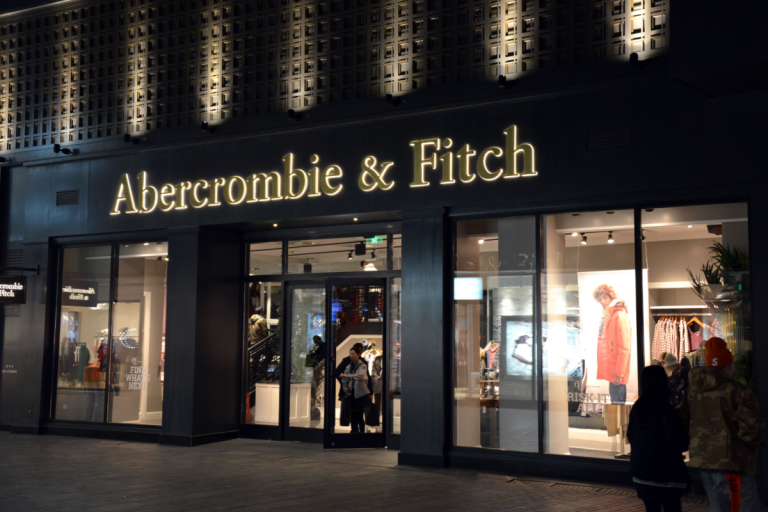
Former Abercrombie & Fitch CEO Michael Jeffries appeared in federal court in Central Islip, New York, on Tuesday as a three-day mental competency hearing began. During testimony, a defense psychologist referenced a recorded prison call in which Jeffries said doctors “better find me incompetent.”

The recording was made last year while Jeffries, 81, was housed for four months in the mental health unit of a federal prison in North Carolina. His legal team is seeking to establish that he is not mentally fit to stand trial on sex trafficking charges. Jury selection is currently scheduled for October 26.

Defense cites cognitive decline

Jeffries has pleaded not guilty to charges alleging that he used his wealth and position to exploit aspiring male models. Two co-defendants — longtime partner Matthew Smith and associate James T. Jacobson — have also pleaded not guilty.

Defense expert Jacqueline C. Valdes, a clinical neuropsychologist, testified that Jeffries’ comment about incompetence reflected disinhibited behavior associated with dementia. Addressing U.S. District Judge Nusrat Choudhury, Valdes said Jeffries frequently displayed inappropriate or overly personal conduct during examinations.

According to Valdes, Jeffries has a decade-long history of cognitive impairment linked to advancing Alzheimer’s disease and Lewy body dementia. She testified that symptoms include hallucinations, wandering, delusional thinking and acting out dreams. She also referenced a 2018 fall during a trip to South Africa, which she said may have worsened his condition.

Testing results and medical findings

Valdes told the court that brain scans show signs of atrophy and other markers consistent with dementia. She said Jeffries performed in the bottom 3% for his age when asked to name fruits and vegetables, and in the bottom 1% when recalling a list of 16 words.

While acknowledging that Jeffries retains strong conversational abilities, Valdes testified that his memory and comprehension are significantly impaired. The defense argues that such impairments could lead him to make self-incriminating statements in court.

Prosecution disputes incompetence claim

Federal prosecutors maintain that Jeffries is competent to stand trial. They cite evaluations conducted after his release from the prison medical facility, asserting that he understands the charges and can assist in his defense. Prosecutors plan to call three expert witnesses and present excerpts of the prison recordings during the hearing.

Jeffries is currently free on $10 million bail. If convicted of sex trafficking and interstate prostitution charges, he and his co-defendants face mandatory minimum sentences of 15 years and up to life imprisonment.

Argentina Marks 50 Years Since 1976 Coup

The night democracy fell

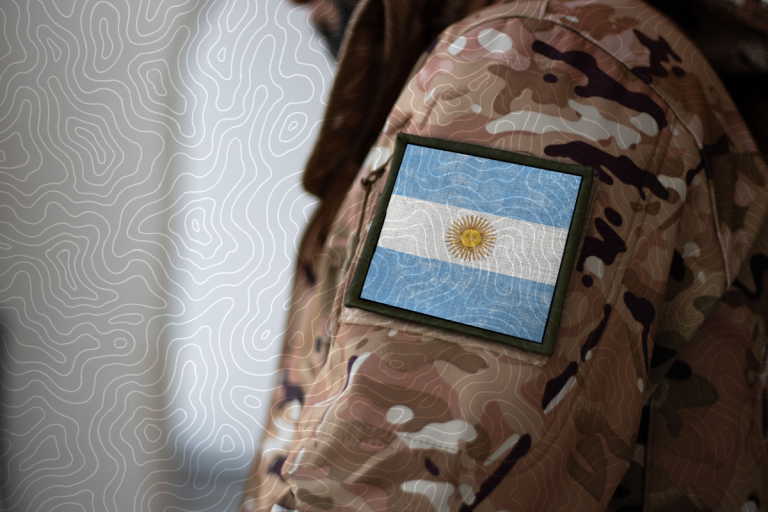
In the early hours of March 24, 1976, military officers led by General Jorge Rafael Videla arrested President Isabel Perón and seized control of Argentina. Her government had been weakened by soaring inflation, labor unrest, political violence and internal divisions. Against that backdrop, the armed forces launched what became known as the “Dirty War,” a campaign of state terrorism that reshaped the nation for decades.

From 1976 to 1983, an estimated 30,000 people were forcibly disappeared. Students, journalists, intellectuals, lawyers and especially labor activists were abducted, detained without trial, tortured and often killed. Many were buried in secret graves or thrown alive into the Río de la Plata and the Atlantic Ocean during so-called “death flights.” At least 500 newborn babies were taken from imprisoned mothers and given to military families, some still unaware of their origins.

Trials and unfinished justice

Following the return to democracy in 1983, Argentina held the landmark Trial of the Juntas in 1985. Videla received a life sentence. Yet subsequent amnesty laws and a 1989 presidential pardon slowed or halted many prosecutions. Over the years, those measures were overturned, but legal proceedings have often moved slowly.

Gabriel Pereira, a human rights researcher at CONICET, describes the accountability process as advancing in “stop motion.” He and others argue that corporate actors who allegedly collaborated with the regime have not faced sufficient scrutiny. The dictatorship is frequently described as “civic-military” because of the alleged involvement of business elites.

Corporate complicity allegations

One case concerns the La Fronterita sugar mill in Tucumán province, where a clandestine detention center operated in 1975. Evidence suggests company management may have provided information about workers later detained.

Another high-profile case involves Mercedes-Benz. Lawyer Wolfgang Kaleck of the European Center for Constitutional and Human Rights has represented relatives of trade unionists who disappeared from the company’s Buenos Aires plant in 1976 and 1977. Survivor Héctor Ratto alleges he was detained and tortured after being summoned by a plant manager.

Mercedes-Benz has rejected the allegations. In response to inquiries, the company cited a past independent investigation that found no evidence linking the firm to state security actions and described claims of targeted union activists as inaccurate.

Memory and political debate

Argentina’s dictatorship ended after the failed 1982 attempt to seize the Falkland Islands. Democratic elections followed in October 1983. March 24 is now observed as the Day of Remembrance for Truth and Justice, marked by nationwide demonstrations and the slogan “Nunca más” — never again.

Fifty years on, memory remains contested. President Javier Milei has questioned the widely cited figure of 30,000 disappeared and called for justice for victims of guerrilla violence prior to the coup. Critics accuse him of minimizing state terror and cutting funding for memorial sites and civil society organizations.

Activist Eugx Grotz, spokesperson for the Assembly in Solidarity with Argentina in Berlin, says the anniversary highlights both the loss of an entire generation of activists and the enduring influence of human rights movements that emerged in response.

For many Argentinians, the date serves not only as commemoration, but as a reaffirmation that the lessons of the dictatorship must remain central to the country’s democratic future.