Home Blog Page 5

Researchers Identify Alzheimer’s “Death Switch”

Protein pairing linked to brain cell loss

Scientists at Heidelberg University, led by neurobiologist Prof. Dr. Hilmar Bading, have identified a molecular mechanism that appears to act as a “death switch” in Alzheimer’s disease. In collaboration with researchers at Shandong University, the team found that a toxic interaction between two proteins drives nerve cell damage and cognitive decline in a mouse model of the disease.

The key players are the NMDA receptor and the TRPM4 ion channel. NMDA receptors are critical for communication between neurons and support learning and memory when functioning at synapses. However, when they bind with TRPM4 outside synapses, their behavior changes. The resulting NMDAR/TRPM4 complex forms what researchers describe as a harmful “death complex” that damages and ultimately kills brain cells.

Blocking the toxic interaction

The study found that this neurotoxic complex appears at significantly higher levels in Alzheimer’s mice than in healthy controls. To interrupt the process, researchers used a compound known as FP802, developed by Prof. Bading’s team.

FP802 is classified as a “TwinF Interface Inhibitor.” It targets the specific interface where NMDA receptors and TRPM4 connect, preventing them from forming the damaging complex. By binding to this interaction site, the compound effectively disrupts the protein pairing.

Slower progression and preserved cognition

In treated mice, the results were notable. According to Dr. Jing Yan, formerly of Heidelberg University and now affiliated with FundaMental Pharma, disease progression slowed significantly. The animals exhibited reduced synapse loss and less structural and functional damage to mitochondria, which are vital for cellular energy production.

Importantly, treated mice maintained learning and memory abilities to a much greater extent than untreated counterparts. Researchers also observed a reduction in beta-amyloid accumulation, one of the defining features of Alzheimer’s pathology.

A different therapeutic strategy

Unlike many existing approaches that focus on preventing amyloid formation or removing amyloid plaques, this strategy targets a downstream mechanism that leads to neuronal death. Prof. Bading explained that blocking the NMDAR/TRPM4 complex may interrupt a feedback loop that both kills neurons and promotes amyloid buildup.

Earlier studies from the same group showed that FP802 also demonstrated neuroprotective effects in models of amyotrophic lateral sclerosis, suggesting that this protein interaction may play a broader role in neurodegenerative disorders.

Path to clinical application

While the findings are promising, researchers caution that clinical application remains distant. Further pharmacological refinement, safety testing and human clinical trials are required before the compound could be considered for therapeutic use.

The study was published in Molecular Psychiatry and supported by organizations including the German Research Foundation, the European Research Council and the National Natural Science Foundation of China. Collaborative work with FundaMental Pharma is ongoing to advance FP802 toward potential future treatments.


Six More Apple Products Could Arrive Soon

HomePod mini 2 and HomePod 3

Apple has already introduced several devices this year, but reports suggest more hardware is on the horizon. Among the most anticipated updates are new HomePod models.

According to reporting from Mark Gurman, supply of the current HomePod mini and full-size HomePod appears limited in Apple Stores, often a sign that refreshes are approaching. The long-rumored HomePod mini 2 is said to have been ready for some time but delayed due to setbacks involving Siri upgrades.

With expectations that iOS 26.5 could introduce new AI-powered Siri features, Apple may finally have the software foundation needed to launch the updated speaker. A refreshed full-size HomePod could also debut alongside the mini to ensure feature parity, particularly around Apple Intelligence capabilities.

New Apple TV 4K

Stock of the current Apple TV 4K is reportedly running low as well. A new version is expected to feature either the A17 Pro or A18 chip, enabling support for Apple Intelligence features across tvOS.

In addition to the chip upgrade, the device could include Apple’s N1 wireless chip. There is also speculation about the possibility of a built-in camera, though that remains uncertain. If Siri enhancements arrive in the upcoming software cycle, timing could align for a simultaneous hardware refresh.

M5 Mac Studio and Mac mini

Apple recently unveiled updated MacBook Air and MacBook Pro models powered by the M5 chip, but two additional M5 desktops are rumored to follow.

The next Mac Studio is expected to offer M5 Max and M5 Ultra configurations, marking the return of an Ultra-tier chip since the M3 Ultra. Meanwhile, the Mac mini could receive M5 and M5 Pro variants.

No design changes are currently rumored for either product. However, constrained supply of existing Mac Studio models may indicate that a refresh is imminent. Ongoing global memory and storage shortages could still influence launch timing.

Entry-Level iPad with A18

The base model iPad is also expected to receive an upgrade. The current entry-level device runs on the A16 chip, but the next iteration is rumored to adopt the A18.

This change would bring Apple Intelligence support to the most affordable iPad for the first time. With major AI-focused announcements anticipated at WWDC, updating the entry model would broaden access to Apple’s expanding AI ecosystem.

Looking Ahead

Apple’s first half of the year has already been busy, yet the product roadmap remains full. Beyond these six rumored devices, additional launches later this year are expected, including updates to flagship iPhone models, premium AirPods and the Apple Watch lineup.

If supply trends are any indication, the coming months could bring another wave of announcements across Apple’s home, entertainment and desktop categories.

Measles outbreak spreads beyond Florida university campus

A growing outbreak in a planned community

In the small, rapidly expanding town of Ave Maria, Florida, what began as a measles outbreak centered on a university campus has now spread into the broader community. More than 100 cases have been reported in Collier County since January, including dozens confirmed among students aged 15 to 24. Recently, cases have also appeared among younger children, raising concerns that a second wave is underway.

Unvaccinated students at a local K-12 school have been asked to stay home for several weeks, a move that has heightened anxiety among some families. Measles is highly contagious and can spread through airborne particles, making close-knit communities particularly vulnerable.

Limited public communication

Despite the rising case count, public updates from the Florida Department of Health have been limited. The state provides weekly county-level totals and age breakdowns, but detailed information about exposure locations or transmission patterns has not been widely shared.

Public health experts say proactive communication is critical during measles outbreaks. Dr. Caitlin Rivers of the Johns Hopkins Bloomberg School of Public Health noted that clear messaging helps communities understand risk and encourages vaccination, which remains the most effective preventive measure.

Vaccination and vulnerability

Measles was declared eliminated in the United States in 2000, but outbreaks can occur when vaccination rates fall below roughly 95%. Health professionals stress that even small pockets of under-vaccination can allow the virus to spread quickly.

Local pediatricians have offered extended hours and even house visits for measles-mumps-rubella vaccination. Some residents say they are reassured by these efforts, while others remain uncertain about the scale of the response.

Community response fills information gaps

In the absence of frequent official briefings, local leaders and health care providers have stepped in to share updates and organize informational sessions. Webinars featuring medical professionals have addressed concerns about transmission risks and the importance of vaccination.

Congregation is central to life in Ave Maria, with daily church services, university classes and community events bringing residents together. Some community members credit students for isolating when ill and limiting spread beyond campus. Others worry that early optimism may have contributed to a false sense of security.

Concerns among families

Parents of medically vulnerable children have expressed heightened concern as cases increase. For families with children who have underlying health conditions, even vaccination may not eliminate all risk of complications.

School administrators have canceled some events and implemented quarantine protocols developed in consultation with health officials. Still, some residents say they would welcome more direct and consistent communication from state authorities.

For now, case counts continue to rise incrementally. Whether the outbreak remains contained or expands further may depend on vaccination uptake, community cooperation and the clarity of public health messaging in the weeks ahead.

Why spring is a good time to refresh your credit

Clean up your finances like your home

Spring cleaning usually means organizing closets and clearing out clutter. Financial experts say it can also be the perfect moment to tidy up your credit and overall money habits.

Cynthia Chen, founder and CEO of Kikoff, a personal finance platform focused on credit building and debt reduction, believes this season offers a strategic opportunity. With many Americans receiving tax refunds, she says it is a practical time to review finances and make intentional decisions about debt and credit improvement.

Use tax refunds strategically

Rather than spending a refund impulsively, Chen recommends allocating part of it toward improving your credit profile. Paying off or reducing credit card balances can lower your utilization rate, which plays a significant role in credit score calculations. Ideally, utilization should remain below 30% of your available credit.

Refund money can also be used to resolve collection accounts, helping to clean up negative items on a credit report. Addressing these issues early in the year may position consumers for stronger approval odds later, whether for travel rewards cards or major purchases.

Create a debt reduction plan

High-interest debt, especially credit card balances, should be a priority. Making payments above the minimum and paying early when possible can reduce interest costs over time. According to American Express data, the average American carries between $5,300 and $6,700 in credit card debt, making proactive repayment strategies increasingly important.

Review your credit reports carefully

Chen advises conducting a full credit health check by reviewing reports from Equifax, Experian, and TransUnion. Each bureau may show slightly different information, depending on which lenders report to them.

Consumers should verify that payment histories, balances, and account statuses are accurate. Errors, such as incorrectly reported late payments or unfamiliar accounts, can be disputed directly with the credit bureau. Carefully auditing each line item ensures your credit profile reflects accurate information.

Be strategic with new credit applications

Applying for a credit card triggers a hard inquiry, which can temporarily lower your score by a few points. If you plan to apply for a mortgage soon, avoid opening new credit accounts that could affect your approval odds.

When using credit cards, only charge what you can afford to pay in full each month. Consistent on-time payments and responsible usage are key to long-term credit health.

Think twice before closing old accounts

Keeping older accounts open can strengthen your credit score by increasing your average account age. A long-standing account in good standing demonstrates a history of responsible payment behavior.

If a credit card has no annual fee and remains in good standing, maintaining it may benefit your credit profile. Closing accounts unnecessarily can shorten your credit history and potentially lower your score.

New 2025 tax break lets some drivers deduct car-loan interest

Who qualifies for the new deduction

A new tax deduction is available this filing season for some taxpayers who bought a new vehicle in 2025: they may be able to deduct the interest paid on their auto loan. The provision was created by the One Big Beautiful Bill Act and applies only to vehicles purchased after Dec. 31, 2024. Loans taken out earlier do not qualify, and purchases of used vehicles are excluded.

Eligibility also depends on income. The deduction phases out for higher earners based on modified adjusted gross income, or MAGI. For single filers, the phaseout applies at $100,000 MAGI, while for married couples filing jointly, the phaseout begins at $200,000. Because MAGI is calculated after certain adjustments, some households near the thresholds may still qualify for a partial deduction.

Final assembly in the United States is required

To claim the deduction, the vehicle must have completed final assembly in the United States. That is not the same thing as buying an “American brand.” Some vehicles sold under U.S. brands may be assembled abroad, while some vehicles from foreign brands may be assembled domestically. Tax professionals advise checking the vehicle’s status using the vehicle identification number (VIN) to confirm where final assembly occurred.

The vehicle must also be for personal use, not primarily for business.

How much you can deduct and how it works

If you and the vehicle qualify, you can deduct up to $10,000 in auto-loan interest paid per year. To determine your total, you will need to review your loan paperwork or account statements to see how much interest you paid during 2025. Tax advisers note that lenders generally do not issue a special year-end tax form for auto-loan interest, so taxpayers may need to calculate it from statements.

Importantly, a deduction reduces taxable income, not taxes owed dollar for dollar. The savings depend on your tax bracket. For example, a $1,000 deduction may reduce taxes by about $220 for someone in the 22% bracket, rather than returning the full $1,000.

Available even if you take the standard deduction

One of the unusual features of this policy is that it can be claimed even by taxpayers who take the standard deduction rather than itemizing. That could broaden the number of households able to benefit, compared with deductions that only apply to itemizers.

Likely a modest benefit, not a major manufacturing lever

Analysts say the deduction may provide a modest financial boost for eligible borrowers, but it is unlikely to reshape car-buying decisions at scale. It does not apply to leases, and it provides no benefit to buyers who used 0% financing, paid cash, or otherwise did not pay interest. Industry observers also note that while the policy is tied to U.S. assembly, the incentive may be too small to drive major new manufacturing shifts on its own.

Israel strikes Tehran as Iran attacks Gulf energy sites

Nowruz and Eid marked under expanding conflict

Israel launched airstrikes on Tehran on Friday as Iranians marked Nowruz, the Persian New Year, with the war continuing to ripple through global markets and raise the risk of wider regional escalation. Reports from activists described strikes around the Iranian capital, while Iran continued missile and drone attacks that triggered sirens across northern Israel.

In the United Arab Emirates, heavy explosions were reported in Dubai early Friday as air defenses intercepted incoming fire during Eid al-Fitr observances. The exchange followed a volatile day in which Israel said it would pause additional strikes on a key offshore gas field after a request from U.S. President Donald Trump, even as Iran intensified attacks on energy infrastructure around the Gulf.

Energy shock centers on the Strait of Hormuz

Fuel markets have remained under acute pressure due to Iran’s grip on the Strait of Hormuz, a critical maritime corridor used to move roughly a fifth of the world’s oil. Prices have reacted sharply to the prospect of prolonged disruption, with Brent crude briefly topping $119 a barrel, up more than 60% since the war began. European benchmark gas prices also climbed and have roughly doubled over the past month.

Iran has signaled it will keep pressure on shipping and regional energy assets, amplifying concerns among import-dependent economies and adding new inflation risks at a time when many central banks are weighing how to respond to fresh energy-driven price spikes.

Gulf facilities report damage and export losses

Gulf states reported a string of attacks and disruptions affecting oil and liquefied natural gas flows. Qatar said missile strikes caused extensive damage at the Ras Laffan liquefied natural gas facility, cutting exports by about 17% and implying roughly $20 billion in lost annual revenue. Officials said repairs could take up to five years.

Saudi Arabia reported its SAMREF refinery in Yanbu was hit, including along routes intended to move oil west toward the Red Sea as an alternative to Hormuz. Authorities in Kuwait and Abu Dhabi also reported strikes affecting refineries and gas operations. Separately, incidents involving ships off the coasts of the UAE and Qatar highlighted growing risks for maritime traffic in the region.

Israel claims major degradation of Iranian capabilities

Israeli Prime Minister Benjamin Netanyahu said Iran’s military capabilities have been severely hit, citing weakened air defenses and damage to naval and air assets. He also said Iran no longer has the ability to enrich uranium or manufacture ballistic missiles, though no evidence was presented and Iran’s stockpile of highly enriched uranium was described as still in-country.

U.S. officials said operations have expanded deeper into Iranian territory, including strikes on underground storage sites and actions targeting Iranian activity around the strait. Trump said he is not deploying ground troops to Iran, while warning Iran against further attacks on Qatar’s energy infrastructure.

U.N. Security Council discusses regional spillover

The U.N. Security Council held an urgent closed meeting as Gulf countries stressed the need for Iran to halt attacks on them. The diplomatic push comes as regional governments face rising domestic pressure tied to energy disruptions and security concerns, including heightened scrutiny of alleged networks operating inside Gulf states.

Casualties rise as war enters a new phase

Reported fatalities have continued to climb across multiple fronts. Iran has recorded more than 1,300 deaths, while fighting involving Hezbollah in Lebanon has displaced more than 1 million people and caused more than 1,000 deaths, according to Lebanese authorities. Israel has reported 15 deaths from Iranian missile fire, alongside additional reported deaths in the West Bank. U.S. forces have reported at least 13 deaths.

With energy infrastructure increasingly in the line of fire and shipping routes under strain, the trajectory of the conflict is becoming as much an economic story as a military one, with oil, gas, and logistics disruptions shaping global risk sentiment day by day.

A python molecule that made obese mice eat less

Why pythons are a metabolism outlier

Burmese pythons can swallow prey close to their own body weight, then go months and sometimes much longer without eating again. After a meal, their physiology shifts dramatically: metabolism surges and even the heart temporarily enlarges as digestion ramps up. Researchers say that extreme swing makes pythons a useful model for finding molecules that influence appetite and energy balance.

The discovery: a post meal blood spike

Scientists studying young Burmese pythons analyzed blood samples taken before feeding and then within hours after a large meal. They found more than 200 molecules that rose significantly after eating. One stood out, increasing more than 1,000 fold. The molecule is called pTOS and appears to be produced by gut bacteria.

Researchers also note pTOS is not exclusive to snakes. It has been detected at low levels in human urine, which matters because it suggests the compound is already part of human biology, even if usually at very small concentrations.

What happened in mice

When the team gave pTOS to laboratory mice, they did not see obvious changes in organ size or overall energy expenditure. The major effect showed up in behavior. Obese mice that received pTOS ate less than control mice, and after 28 days had lost about 9% of body weight.

How it may differ from Wegovy style drugs

GLP-1 medications like semaglutide can reduce appetite, but they also work partly by slowing stomach emptying, which is linked to side effects such as nausea, constipation, and stomach discomfort. In this research, pTOS appears to influence appetite through the brain, acting on the hypothalamus, a region known to regulate hunger and feeding.

The researchers describe this as a potentially different mechanism from GLP-1 drugs, which raises the possibility of a future weight loss therapy that could complement existing options, or help patients who cannot tolerate current treatments.

What this could mean next

The authors say the findings are early and not yet ready for clinical use. More work is needed to confirm safety, understand dosing, and verify whether the appetite effects translate beyond mice. Still, the result highlights a broader idea: studying animals with extreme adaptations can reveal new metabolic pathways that might be leveraged for human medicine.

Carl Pei says the future phone may not need apps

A bold claim from the Nothing CEO

Carl Pei, co-founder and CEO of Nothing, says the next major shift in smartphones will be driven by AI agents and a move away from app based experiences. Speaking at SXSW in Austin, Pei argued that the core value of many apps will be disrupted as AI becomes the primary way people get things done on a device.

His view is not that software disappears, but that the concept of users manually navigating apps will gradually fade. In his model, the device should understand what you want and execute it, without requiring you to open multiple tools and tap through screens.

From commands to long-term intent

Pei described an early step already being tested today: AI features that can perform single tasks on demand, like booking flights or hotels. He called that phase unexciting and suggested the more meaningful shift comes when AI begins to learn a user’s long term intentions.

In that next stage, the system does not just respond to prompts. It anticipates goals and offers proactive suggestions. Pei compared this idea to a memory feature that learns what matters to you and surfaces help before you ask, including nudges aligned to outcomes like being healthier.

Why today’s smartphone UX feels stuck

Pei argued that the basic structure of smartphone interaction has barely changed in about two decades. He pointed to familiar elements like lock screens, home screens, full screen apps, and app stores. His frustration is that the underlying tech has advanced quickly, but the workflow for completing everyday tasks still requires too many steps.

He used a simple example: meeting someone for coffee. The intent is straightforward, but execution often means hopping between multiple apps, such as messaging, maps, ride hailing, and calendar, just to coordinate one plan.

An interface built for the agent, not the human

Pei’s longer term vision is a phone where the operating system is built around intent. If the device knows you well enough, it should take action directly, rather than forcing you to translate your intent into app navigation.

That also implies a new kind of interface. Instead of AI agents trying to operate a human designed UI by mimicking taps and menus, Pei argues the OS should expose a more direct interface for agents. In other words, the agent should not be forced to behave like a person using a touchscreen. The system should be designed so the agent can accomplish tasks frictionlessly.

Not tomorrow, but a direction of travel

Pei cautioned that apps are not about to vanish overnight. Nothing still supports an app centric ecosystem and even enables users to build small custom experiences. But his central bet is that the app economy will change shape as AI becomes the layer that orchestrates services on behalf of users.

If that shift happens, the winners may not be the apps that look best on a home screen, but the services that can be reliably accessed and executed through an agent first interface.

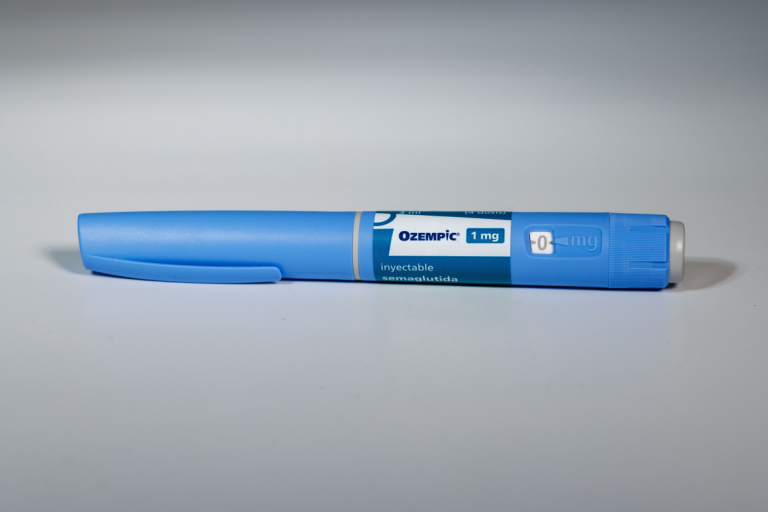
After Ozempic, People Keep Some Weight Off, but the “What” Matters

A new estimate: some weight loss may persist after stopping

A new analysis suggests that people who stop taking Ozempic-like medications keep off roughly 25% of the weight they lost for up to a year after stopping. The bigger headline, however, is what researchers say they still cannot answer: how much of the regained weight is fat versus lean mass like muscle.

That uncertainty matters because early research has indicated that 40% to 60% of the weight lost during treatment with GLP-1 and related medications may come from lean muscle mass. If weight returns mostly as fat, a person’s fat-to-lean ratio could worsen compared with where they started, which may carry health consequences.

Why GLP-1 drugs work, and why many people stop

GLP-1 medications such as semaglutide (often associated with Ozempic or Wegovy), tirzepatide, and others are prescribed to help manage type 2 diabetes or body weight. They mimic a natural hormone called glucagon-like peptide-1 (GLP-1), which helps control blood sugar and can reduce appetite by helping people feel full sooner.

But the analysis notes that many patients discontinue these drugs within a year, often due to side effects (including gastrointestinal issues), cost, or prescription access complications. When treatment ends, appetite suppression can fade quickly, which may contribute to rapid regain.

What the review actually measured

To understand weight regain after stopping therapy, researchers examined 48 studies and found major inconsistencies: short follow-up windows, different timing of check-ins, and uneven quality. To reduce noise, they narrowed their review to six randomized controlled trials totaling more than 3,200 participants. Each trial included at least one follow-up at 12 weeks or later after stopping medication, and participants had lost at least 3 kilograms during treatment.

Across those six trials, the pooled pattern was consistent: fast regain early, then a gradual slowing. By 52 weeks after stopping, participants regained about 60% of the weight they had lost while on treatment.

What happens after a year, and the unanswered body composition question

The researchers then modeled what might happen beyond one year. Their projection suggests regain may begin to plateau around 60 weeks, potentially tapering after people regain roughly 75% of the lost weight. Why a plateau might occur is not settled. Possible explanations include lasting changes in eating habits, or physiological changes related to hormones and brain appetite pathways.

Still, the most important unknown remains body composition. If a meaningful portion of initial weight loss was lean mass, it is unclear whether lean mass returns at the same rate as fat after the medication stops. The authors note that newer, more effective GLP-1 related drugs can produce larger overall weight reductions, but may not necessarily preserve lean mass better.

What this could mean for long-term weight management

The authors suggest that weight management after stopping GLP-1 therapy should be treated as a key part of care, not an afterthought. They point to strategies that may help, including support for diet quality and regular exercise, which can be especially relevant for preserving or rebuilding muscle.

They also note that clinicians may consider tapering strategies in some cases, as a possible way to reduce abrupt rebound, though the best approach can depend on an individual’s situation and requires medical supervision.

Americans Turn to AI for Financial Advice, but Experts Warn Against Overreliance

AI is becoming a go-to money tool

More Americans are using artificial intelligence to help manage their personal finances, but financial experts say the technology should be treated as a support tool, not a decision-maker. CBS News business analyst Jill Schlesinger said AI can be useful for general education, but warned that relying on it for major financial decisions can be risky because chatbots can “hallucinate” and generate incorrect information.

Schlesinger also cautioned against putting too much trust in financial influencers on social media. She said many “finfluencers” are not credentialed and are often trying to sell products or services, creating conflicts of interest for people seeking guidance.

How common AI money advice has become

A Credit Karma report released in September found that 66% of Americans have used generative AI for some form of financial advice. Usage is higher among younger adults, with 82% of Gen Z and 82% of millennials saying they have used AI for financial guidance.

According to the report, the most common uses include basic financial education and goal setting. People also use AI to ask about retirement savings and investing in the stock market.

Privacy and “oversharing” concerns

Schlesinger urged users to be careful about what they share with chatbots, citing privacy risks. She said people should read privacy policies before entering sensitive personal data into AI tools.

She pointed to research indicating that some AI chatbots may retain information users share and may use it to train their models, which raises concerns for anyone discussing income, debt, account details, or other identifying financial information.

Where experts suggest people turn instead

For those making bigger financial moves, Schlesinger recommended using more established, structured options. She suggested starting with an employer-sponsored retirement plan as a core way to invest, and leaning on reputable investment firms for guidance on diversified products like index funds or exchange-traded funds.

She also said traditional support still matters, including seeking input from a trusted, unbiased third party. Her bottom line: AI can be helpful for learning, but people should not rely on it alone for decisions that can have long-term consequences.