Home Blog Page 77

Biogen Announces Halt to Aduhelm Sales and Development

Cambridge, Massachusetts-based pharmaceutical company Biogen has made a significant decision regarding its Alzheimer’s drug, Aduhelm. The drug, once hailed as a potential blockbuster, is now being discontinued by Biogen, signaling a major shift in their focus and strategy within the Alzheimer’s treatment landscape.

Biogen revealed on Wednesday that it will terminate not only the development of Aduhelm but also the study required for full approval by the Food and Drug Administration (FDA). In addition, the company will cease all sales of Aduhelm, marking the end of a tumultuous journey for the controversial drug.

Patients who are currently taking Aduhelm doses available through the commercial market will be allowed to continue their treatment until November. Approximately 2,500 individuals worldwide are using Aduhelm, but with its discontinuation, they will need to explore alternative treatment options.

Biogen’s decision comes after Aduhelm faced significant challenges and scrutiny since its introduction as the first new Alzheimer’s drug in nearly two decades. Initially priced at a staggering $56,000 per year, Aduhelm failed to meet expectations and generate the expected billions in revenue for Biogen.

One of the key factors behind Aduhelm’s underperformance was the reluctance of doctors to prescribe it due to weak evidence suggesting it effectively slowed the progression of Alzheimer’s. Insurers also imposed restrictions and limitations on coverage, further complicating its adoption. The federal government’s Medicare program, which covers patients aged 65 and older, imposed strict criteria for eligibility, posing a significant hurdle for Biogen since most Alzheimer’s patients fall within this demographic.

As a result, Aduhelm’s quarterly sales fell far short of initial projections, forcing Biogen to drastically scale back its marketing efforts in 2022. Additionally, last year, Biogen sought external financing or partnerships to support the Aduhelm program, but those efforts ultimately proved unsuccessful.

Biogen’s decision to discontinue Aduhelm is part of a broader strategic shift towards other Alzheimer’s treatments. The company is now redirecting its resources and attention to alternative therapies for this devastating and mind-robbing disease. Notably, Biogen is also collaborating with Japanese drugmaker Eisai to promote another Alzheimer’s treatment called Leqembi.

Leqembi holds the distinction of being the first medication to convincingly demonstrate a modest ability to slow cognitive decline in patients affected by Alzheimer’s disease. Regulators have granted full FDA approval for Leqembi, specifically for individuals with mild dementia and other early Alzheimer’s symptoms.

In response to the discontinuation of Aduhelm, Biogen is expected to book a charge of approximately $60 million in its fourth-quarter financial report, reflecting the costs associated with shutting down the Aduhelm program.

Despite the decision to halt Aduhelm, Biogen’s shares experienced a positive response in the market, climbing more than $4 to $251.72 on Wednesday morning, while the broader Standard & Poor’s 500 index saw a decline. This decision marks a pivotal moment for Biogen as it shifts its focus within the Alzheimer’s treatment landscape, emphasizing alternative solutions to combat this devastating disease.


Tech CEOs Face Congressional Scrutiny over Child Safety Concerns on Social Media

Prominent tech CEOs, including Mark Zuckerberg of Meta, are once again finding themselves under the microscope as Congress investigates the potential risks posed to teenagers by social media platforms. Mounting worries have connected these platforms to issues such as depression and suicidal tendencies among young users.

In Washington, D.C., lawmakers are not satisfied with the usual assurances given by tech giants, where they promise to empower teens and parents to make responsible online choices. With a presidential election looming and state legislators taking the lead, Congress is pushing for more concrete actions to address these pressing concerns.

Set to testify alongside Mark Zuckerberg at the Senate Judiciary Committee hearing are CEOs from TikTok, Snap, Discord, and X. For some of these executives, like X CEO Linda Yaccarino, Snap CEO Evan Spiegel, and Discord CEO Jason Citron, this marks their first appearance before Congress.

During the hearing, these tech CEOs plan to showcase the tools and policies on their platforms designed to safeguard children and provide parents with greater control over their children’s online experiences. Companies such as Snap and Discord are setting themselves apart from Meta by emphasizing that they do not rely on addictive or harmful algorithmically recommended content.

Nevertheless, critics, including concerned parents and online safety advocates, argue that these tools fall short and place an excessive burden on parents and young users. They contend that tech platforms can no longer be trusted to self-regulate effectively.

Experts are urging the congressional committee to advocate for substantial changes, such as separating advertising and marketing systems from services that target youth. The emergence of generative artificial intelligence tools has intensified the need for default safety features on tech platforms.

Several major platforms, including Meta, Snapchat, Discord, and TikTok, have introduced oversight tools that enable parents to monitor their teenagers’ online activities and exert control. Some platforms, like Instagram and TikTok, have implemented features such as “take a break” reminders and screen time limits to shield teenagers from harmful content.

Meta recently put forward federal legislation proposing that app stores, rather than social media companies, should verify users’ ages and enforce age restrictions. They have also announced various youth safety measures, including concealing “age-inappropriate content” from teen feeds and encouraging stricter security settings.

Snapchat has expanded its parental oversight tool, known as the Family Center, offering parents more control over their teenagers’ interactions with the app.

This hearing is the latest in a series of appearances by tech leaders in Congress, partially prompted by revelations from Facebook whistleblower Frances Haugen in late 2021. While some updates have been welcomed, critics argue that the responsibility is still disproportionately placed on parents. They believe that the tech industry’s delay in implementing safety updates demonstrates that self-regulation is no longer effective.

Tech companies are striving to strike a balance between safety and empowerment for young users, all while avoiding rigid content censorship. Meanwhile, momentum for social media regulation is gaining traction outside of Congress. Several states, including Arkansas, Louisiana, Ohio, and Utah, have passed laws that restrict social media access for teenagers, some even requiring parental consent for minor accounts. Legal challenges from the tech industry cite potential threats to First Amendment rights and privacy.

With state-backed and consumer lawsuits against tech companies on the rise, there is mounting pressure for stricter regulation. The hearing provides lawmakers with an opportunity to question smaller industry players, such as X and Discord, about their efforts to ensure youth safety.

As the demand for industry-wide solutions intensifies, Wednesday’s hearing becomes a pivotal moment in shaping the future of child safety on social media platforms.

Thriving Real Estate Stocks Thrive Amidst Record-Breaking S&P 500 Highs

With the S&P 500 recently achieving record levels, investors searching for promising opportunities for their retirement accounts face a unique challenge. Yet, in the midst of the stock market’s remarkable ascent, three real estate dividend stocks emerge as potential hidden treasures. Agree Realty (ADC), Alexandria Real Estate Equities (ARE), and VICI Properties (VICI) have all demonstrated remarkable resilience and promise both growth and income potential in these uncertain times.

These three stocks are publicly traded real estate investment trusts (REITs) that have consistently paid out at least 90% of their taxable income as dividends. While this commitment to dividend payouts can make them sensitive to rising interest rates, a shift in the economic landscape is expected to favor them in the coming year.

Agree Realty – A Stable Performer

Agree Realty, a highly respected retail REIT, possesses a diversified portfolio of around 2,100 properties spread across 49 states. Notably, roughly 70% of its rental income comes from investment-grade tenants, solidifying its financial stability. In 2023 alone, Agree Realty added 319 properties to its portfolio, underscoring its growth potential. With its stock currently trading at around $60.11 and analysts forecasting a consensus target price of $68.44, there’s a potential upside of 13%. Furthermore, the company has consistently increased its dividend by an average of 6.67% annually over the past three years.

Alexandria Real Estate Equities – A Distinctive Player

Alexandria Real Estate Equities, although facing challenges in the office space sector due to the impact of COVID-19 and the rise of remote work, stands out for its unique focus. Specializing in life sciences space in major research and development clusters in coastal markets, the company’s tenant base includes major biopharma, university, and government entities. Trading at approximately $122 per share, with a consensus price target of $143.11, Alexandria offers an impressive 18% upside potential. Furthermore, it has a remarkable track record of 14 consecutive years of annual dividend increases, with an average annualized growth rate of 5.4% over the past three years.

Vici Properties – The Newcomer with Deep Roots

Vici Properties, the newest of the trio, boasts a diverse portfolio that includes 54 casinos, 39 experiential properties, championship golf courses, restaurants, and over 60,000 hotel rooms in the United States and Canada. Despite its recent entry into the market, analysts foresee a 14% upside for Vici stock, with a targeted consensus price of $35.15. Currently trading at around $31 per share, the company has consistently increased its dividend every year during its five years in business, with an annualized growth rate of approximately 8.7% over the past three years.

Unlocking Retirement Potential

For retirees and income-focused investors, the allure of these REITs is amplified by their current dividend yields, which range from 4% to 5%. As the chart illustrates, these three REITs have consistently outperformed the S&P 500 in terms of yield, providing a reliable source of income. However, they also present the potential for growth, a crucial consideration in the face of persistent inflation concerns. As the market continues to ride the bullish wave, Agree Realty, Alexandria Real Estate Equities, and Vici Properties remain attractive additions to retirement portfolios, offering a balanced blend of income and growth opportunities.

Iran Successfully Launches Three Satellites Amidst Rising Tensions

Iran achieved a significant milestone on Sunday by successfully launching three satellites into space. These launches come despite multiple setbacks in the past and increased criticism from Western nations, which claim that Iran’s space program is linked to the development of ballistic missiles.

The satellite launches occurred against a backdrop of heightened tensions in the Middle East due to Israel’s ongoing conflict with Hamas in the Gaza Strip. While Iran has not directly intervened in the conflict, it has faced mounting pressure to take action, particularly following a recent Islamic State suicide bombing and attacks by proxy groups, such as the Houthi rebels in Yemen.

In a drone attack on Sunday, which was claimed by Iranian-backed Iraqi militias, three U.S. troops were killed, and at least 25 others were wounded in Jordan. This incident further underscores the volatile situation in the region.

Iran’s state television released footage of the successful launch, which took place at the Imam Khomeini Spaceport in Iran’s Semnan province. The three satellites launched were named Mahda, Kayhan-2, and Hatef-1, with specific purposes assigned to each. The Mahda is a research satellite, while the Kayhan-2 and Hatef-1 are nanosatellites focused on global positioning and communication.

Notably, Iran’s Simorgh rocket, used in this launch, had experienced five consecutive failed launches before this success. The rocket, nicknamed “Phoenix,” has been a symbol of Iran’s determination to establish a space presence despite previous setbacks.

However, concerns persist in the international community regarding the dual-use nature of the Simorgh rocket. The U.S. intelligence community’s 2023 worldwide threat assessment suggested that the development of satellite launch vehicles like the Simorgh could shorten the timeline for Iran to develop intercontinental ballistic missiles.

The United States has repeatedly criticized Iran’s satellite launches as a violation of a U.N. Security Council resolution and has urged Tehran to refrain from activities related to ballistic missiles capable of delivering nuclear weapons. 

Under the leadership of former President Hassan Rouhani, Iran had slowed down its space program to avoid escalating tensions with Western nations. However, since President Ebrahim Raisi, a hardliner and protégé of Supreme Leader Ayatollah Ali Khamenei, took office in 2021, the program has gained momentum.

In addition to the satellite launches, Iran has been enriching uranium closer to weapons-grade levels. Despite these developments, U.S. intelligence agencies and others have assessed that Iran has not actively pursued a nuclear weapon.

On a broader international scale, France, Germany, and the United Kingdom have jointly condemned Iran’s satellite launch, asserting that it could contribute to the development of long-range ballistic missiles. They expressed concerns about Iran’s nuclear escalation and its impact on regional stability.

Iran, which maintains the largest arsenal of ballistic missiles in the Middle East, remains a focus of attention in the region, partly due to decades of sanctions and geopolitical tensions. The United States has not yet responded to these recent developments, but it has quietly acknowledged Iran’s successful satellite launch.

New Requirement for AI Companies: Reporting Safety Tests to US Government

In a move to enhance transparency and safety in the rapidly evolving field of artificial intelligence (AI), the Biden administration has initiated a requirement for AI companies to disclose their safety test results to the US government. This significant development was part of an executive order signed by President Joe Biden three months ago, and its implementation is now gaining momentum.

The White House AI Council is set to convene on Monday to review the progress made in implementing this executive order, which has set forth a 90-day goal under the Defense Production Act. This goal mandates that AI companies share critical information, including safety test results, with the Commerce Department.

Ben Buchanan, the White House’s special adviser on AI, emphasized the importance of ensuring AI system safety before their release to the public. Companies have committed to specific categories for conducting safety tests, but a common standard has yet to be established. To address this, the National Institute of Standards and Technology will develop a uniform framework for assessing AI safety, as stipulated in the executive order signed by President Biden in October.

AI has emerged as a paramount concern for both the US economy and national security. The advent of new AI tools, such as ChatGPT, capable of generating text, images, and sounds, has prompted increased government involvement. The Biden administration is also actively collaborating with Congress and international partners, including the European Union, to formulate regulations and guidelines for the responsible management of AI technology.

The Commerce Department has taken steps to draft a rule targeting US cloud companies that provide servers to foreign AI developers, further emphasizing the government’s commitment to overseeing AI development and deployment. Additionally, nine federal agencies, including the Departments of Defense, Transportation, Treasury, and Health and Human Services, have completed risk assessments related to AI’s use in critical national infrastructure, such as the electric grid.

To bolster their regulatory capabilities, the government is actively recruiting AI experts and data scientists across federal agencies. Buchanan emphasized that the aim is not to disrupt the AI landscape but to ensure that regulators are well-prepared to manage this transformative technology.

As the AI industry continues to advance at a rapid pace, this new requirement for AI companies to report safety tests to the US government represents a pivotal step towards ensuring that AI systems are developed and deployed safely and responsibly, benefitting both the public and national security interests.

Uncomplicated Investments: McDonald’s, Electronic Arts, and Ulta Beauty

Investing in stocks doesn’t have to be complicated or dependent on chasing the latest technological trends. Sometimes, the best investment opportunities can be found in established companies that consistently prove their worth over the years. In this article, we’ll highlight three straightforward investment options that deserve a spot in your portfolio: McDonald’s, Electronic Arts, and Ulta Beauty.

McDonald’s Dominance Continues to Grow

McDonald’s (MCD -0.93%) has long been a stalwart in the fast-food industry, and its recent performance underscores its enduring appeal. During the third quarter, comparable-store sales surged by an impressive 9%, nearly double the growth rate of its competitor, Chipotle. Notably, these two giants are increasingly competing as Chipotle expands into the drive-thru market. However, McDonald’s remains firmly committed to maintaining its market leadership.

What makes McDonald’s even more attractive is its solid financial performance. The company’s profit margin is steadily approaching a remarkable 45% of sales, surpassing its peers in the fast-food sector. A substantial portion of McDonald’s earnings derives from high-margin sources such as royalties, rent, and franchise fees.

Electronic Arts – A Pinnacle in the Gaming Industry

Electronic Arts (EA 0.06%) is another enticing option, particularly for those interested in investing in the video game sector. While EA may have lagged behind the market last year and trailed Take-Two Interactive by a small margin, it remains a top contender in the industry.

Despite Wall Street’s stronger enthusiasm for Take-Two’s potential sales growth, EA still has a clear path to achieve approximately $8 billion in revenue for the fiscal year. Importantly, it does so without the uncertainties associated with launching multiple new franchises. EA not only maintains profitability but also generates positive cash flow—a feat that its competitor Take-Two currently cannot claim. Moreover, EA’s stock is reasonably priced, trading at just 5 times annual sales.

Ulta Beauty’s Promising Outlook

Ulta Beauty (ULTA 0.19%) may seem to be grappling with short-term growth challenges, resulting in an attractive valuation. The stock currently trades at only 2 times annual sales, down from its pandemic-induced peak valuation of 3 times sales. While its stock returns have been negative over the past year, the S&P 500 index surged by 22%.

Despite industry-wide challenges that prompted competitors to slash prices to move inventory, Ulta continues to enjoy strong customer foot traffic, healthy cash flow, and profitability that surpasses its pre-pandemic levels. In late November, Ulta’s executives revised their 2023 growth projections, now anticipating comparable-store sales to increase by up to 6%.

Investors are advised to exercise caution and closely monitor Ulta Beauty’s upcoming earnings report to confirm that the company remains on track to boost sales in 2024. Effective inventory management will be pivotal in maintaining Ulta’s operating profit margin of approximately 15%.

A Robust Investment Foundation

For investors in search of reliable and promising opportunities, these three straightforward stocks offer compelling choices. McDonald’s leadership in the fast-food industry, Electronic Arts’ dominance in gaming, and Ulta Beauty’s growth potential in the cosmetics and fragrance sector make them worthy additions to a diversified portfolio. While all investments involve some level of risk, the demonstrated strengths of these companies suggest they are well-prepared for long-term success.

93 American Deaths Linked to Cosmetic Surgery in Dominican Republic

In a startling revelation, U.S. health officials have reported that 93 Americans have lost their lives after undergoing cosmetic surgery in the Dominican Republic since 2009. The majority of these tragic deaths were associated with a procedure known as a Brazilian butt lift, raising serious concerns about the safety of cosmetic surgeries in this Caribbean nation.

Brazilian butt lifts have been gaining popularity worldwide, but their allure has come with dire consequences, not only in the Dominican Republic but also in other countries, including the United States. According to a recent report from the U.S. Centers for Disease Control and Prevention (CDC), it remains unclear how prevalent these deaths are or whether they are more common in the Dominican Republic compared to other destinations.

The CDC’s report highlights essential precautions that medical tourists should take into consideration before embarking on their cosmetic surgery journey. It underscores the importance of researching the qualifications of the surgeon performing the procedure and ensuring that the facility is equipped to provide adequate post-operative care, which is crucial for patient safety.

A Brazilian butt lift is a cosmetic procedure that involves the injection of fat to reshape or resize the buttocks. However, the CDC report, which examined approximately two dozen of the deaths, revealed that most fatalities were attributed to fat or blood clots entering the lungs or bloodstream. This dangerous outcome underscores the risks associated with the procedure.

It is important to note that complications from cosmetic surgeries are not exclusive to the Dominican Republic. Similar reports of deaths following cosmetic procedures have surfaced in the United States, with Florida being a hotspot for such incidents. In a separate CDC report, 15 cases of bacterial infections were documented in women who underwent cosmetic surgery at a Florida facility in 2022, further highlighting the risks involved in these procedures.

Additionally, sporadic reports of cosmetic surgery-related incidents have arisen in Mexico, including a concerning incident in which U.S. patients contracted fungal meningitis after undergoing cosmetic procedures in Matamoros, a border city. This led to the closure of two clinics and the unfortunate loss of a dozen lives.

The Dominican Republic, known for its beautiful beaches and vibrant culture, has also attracted medical tourists seeking affordable cosmetic surgeries. Some doctors from the Dominican Republic even advertise their services in the United States, offering breast implants, liposuction, and various other operations at lower prices. This increased influx of medical tourists from the U.S. prompted the U.S. Embassy to collaborate with the CDC and the Dominican Republic Ministry of Health to investigate the growing number of deaths.

The joint investigation identified a total of 93 cosmetic surgery-related deaths of U.S. citizens in the Dominican Republic between 2009 and 2022, averaging around seven fatalities per year. Alarmingly, almost all of these victims were women. Notably, over half of these deaths occurred since 2019, coinciding with the surge in popularity of Brazilian butt lifts. In 2022, nearly 29,000 such procedures were performed in the United States, as reported by the American Society of Plastic Surgeons.

The Brazilian butt lift procedure involves extracting fat from areas like the hips, lower back, or thighs and injecting it into the buttocks to achieve the desired shape or size. However, it carries inherent risks, such as fat inadvertently entering the bloodstream, causing blockages in crucial arteries or veins.

In 11 out of 20 cases examined through autopsy records, this fat migration was identified as the primary cause of death, as confirmed by Dr. Matthew Hudson, the study’s first author, who is now affiliated with the State University of New York at Buffalo.

These concerning findings emphasize the importance of conducting thorough research and considering the potential risks before opting for cosmetic surgery abroad. While cosmetic procedures can enhance one’s appearance, they should never come at the expense of health and safety, regardless of the destination.

Challenges Ahead for Apple in 2024

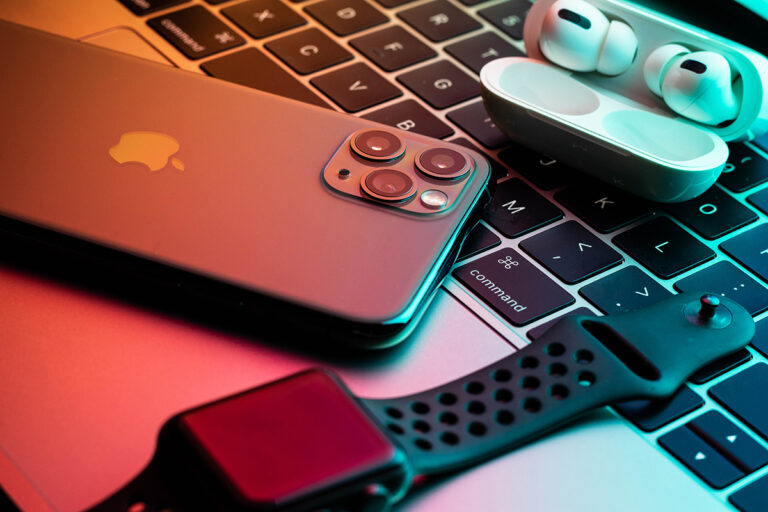
Apple, one of the tech giants on the global stage, is gearing up to face a series of significant challenges in 2024 that could significantly influence the company’s direction in the ever-evolving tech industry. From sales hurdles in the Chinese market to an ongoing patent dispute, here are the five key obstacles that Apple is set to confront in the coming year:

1. Navigating the Chinese Market

In 2024, Apple’s foremost challenge lies in China, the world’s second-largest economy. The company finds itself in fierce competition with Huawei’s highly successful Mate 60 Pro smartphone. In an unexpected move, Apple recently reduced the prices of its iPhones and other products in China by approximately $70, raising concerns about its performance in this vital market.

China represented around 20% of Apple’s sales last year, and in the early weeks of 2024, iPhone sales reportedly plummeted by 30% due to pressure from Huawei. Nonetheless, experts believe that China still holds significant potential, with roughly 100 million iPhones eligible for an upgrade.

2. Ongoing Patent Dispute

Apple continues to grapple with a complex patent dispute in the United States that has led to the ban of certain Apple Watch models. This dispute revolves around a violation of medical company Masimo’s pulse oximeter patent. Despite selling 49 million smartwatches in 2022 and approximately 26.7 million in the first nine months of 2023, the ban could have adverse effects on both sales and Apple’s reputation. The timeline for the resolution of this dispute remains uncertain.

3. Catching Up in Generative AI

While industry rivals such as Microsoft, Google, Meta, and Samsung forge ahead with the introduction of generative AI features, Apple has been notably reserved in this domain. Rumors suggest that Apple will unveil new Siri features powered by AI in the iOS 18 release later this year. However, competitors like Google’s Pixel 8 and Samsung’s Galaxy S24 have already introduced advanced AI capabilities.

The race towards AI innovation is integral to staying competitive in a saturated market. Apple’s ability to catch up in the AI race will be closely monitored, although its robust iPhone user base remains a significant advantage.

4. Revenue Worries

Apple faces mounting pressure to boost sales across various product categories, especially after posting year-over-year sales declines in the fourth quarter of 2023, with Mac and iPad sales experiencing challenges.

While iPhone revenue did grow by 3% to $43.8 billion, concerns linger about the upcoming iPhone 16, which is expected to bring only incremental improvements. Additionally, Apple’s venture into the Vision Pro headset market, combining virtual and augmented reality, presents a risky proposition that needs to establish itself in the tech arena.

5. Regulatory Scrutiny in the EU

Apple, along with other tech giants, has been designated a “gatekeeper” by the EU, mandating the implementation of new platform rules under the Digital Markets Act (DMA). This may entail relinquishing exclusive control over iOS app distribution, potentially impacting Apple’s revenue model, particularly its app store commissions. Recent developments in the US Supreme Court related to app distribution underscore the significance of Apple’s compliance with these new regulations.

As Apple tackles these substantial challenges in 2024, industry observers will closely monitor the company’s strategies and decisions aimed at preserving its position in the fiercely competitive tech landscape. While the road ahead may appear challenging, Apple’s devoted user base, brand reputation, and unwavering commitment to quality are assets that could help mitigate the impact of these challenges.

North Korea Tests New Cruise Missile Amid Rising Tensions

In a provocative move, North Korea has conducted its first flight test of a new cruise missile, adding to concerns about the country’s military capabilities amid deepening tensions with the United States and its neighboring nations. The announcement comes just a day after South Korea’s military reported detecting multiple cruise missile launches by North Korea into the waters off its western coast. While exact details about the number of missiles fired and their flight characteristics remain scarce, the development underscores North Korea’s continued efforts to enhance its military arsenal.

The missile in question has been identified as the Pulhwasal-3-31 and is currently in its developmental phase. Although the North Korean state media claims that the missile launch does not pose a threat to its neighbors, it described the missile as “strategic,” suggesting a potential intention to equip it with nuclear capabilities. This revelation raises concerns about regional security and stability.

South Korea’s Joint Chiefs of Staff spokesperson, Lee Sung Joon, noted that the missiles in this test flew a shorter distance compared to previous North Korean cruise missile launches. This suggests that North Korea may be striving to improve the performance of its existing cruise missile systems. The test marks the second known launch event by North Korea in the new year, following the test-firing of a solid-fuel intermediate-range ballistic missile on January 14th. This solidifies North Korea’s efforts to expand its weapons capabilities, particularly targeting U.S. military bases in Japan and Guam.

Analysts believe that North Korea’s recent displays of new weapons systems come at a time when the country has been slowing down its tests of short-range ballistic missiles. This slowdown could potentially indicate inventory shortages as North Korea continues to face allegations of arms transfers to Russia. The United States and South Korea have both alleged that North Korea is providing artillery shells, missiles, and various military resources to Russia to support its participation in the Ukraine conflict, potentially in return for economic aid and access to military technology.

North Korea’s cruise missiles, although not directly banned under U.N. sanctions, are considered a serious threat to South Korea and Japan. They are designed to be harder to detect by radar, and North Korea claims they are nuclear-capable, with a range of up to 2,000 kilometers (1,242 miles). This range would encompass U.S. military bases in Japan, raising concerns about regional security.

Tensions in the region have been on the rise as North Korean leader Kim Jong Un accelerates his country’s weapons development and makes provocative threats, particularly regarding nuclear conflicts with the United States and its Asian allies. In response, the United States, South Korea, and Japan have expanded their joint military exercises, which North Korea condemns as invasion rehearsals, further escalating military tensions.

There are growing concerns that North Korea may escalate its actions, especially in an election year in the United States and South Korea. Kim Jong Un’s relentless pursuit of weapons development has strained North Korea’s already struggling economy, which has been grappling with decades of mismanagement and U.S.-led sanctions due to its nuclear ambitions.

In a separate report, North Korea’s Korean Central News Agency indicated that Kim Jong Un criticized officials for not providing enough basic living necessities to people in rural areas and less developed cities and towns. Kim is pushing a 10-year project to promote more balanced regional development, including the goal of building modern factories in every county nationwide.

Recent satellite images analyzed by The Associated Press suggest that North Korea has torn down a significant arch in its capital symbolizing reconciliation with South Korea. Kim’s dismissal of hopes for peaceful reunification and his labeling of South Korea as its most hostile foreign adversary have raised concerns about North Korea’s intentions and its pursuit of nuclear status to bolster its position on the international stage.

Texas Man Sues Macy’s and EssilorLuxottica for Wrongful Arrest via Facial Recognition

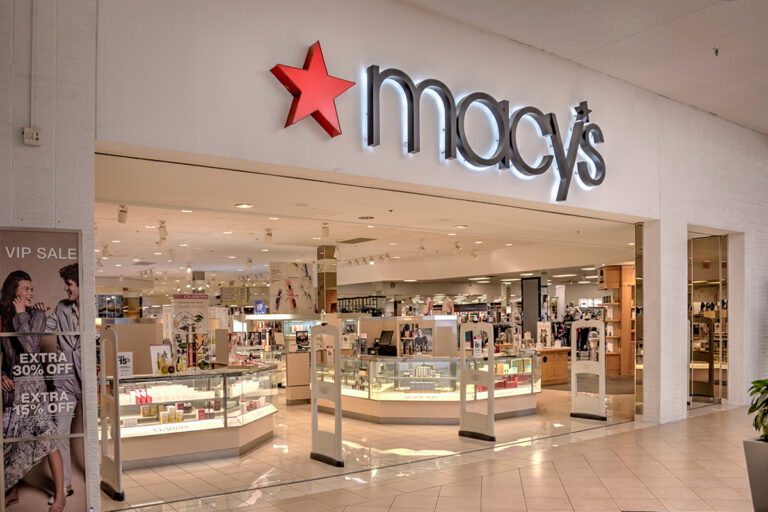
In an alarming twist of events, Harvey Murphy Jr., a Texas resident, has initiated legal proceedings against Macy’s and the parent company of Sunglass Hut, EssilorLuxottica. The lawsuit, seeking $10 million in damages, brings to the forefront the dangers associated with the misuse of facial recognition technology.

Murphy’s nightmarish ordeal commenced when he was erroneously accused of an armed robbery, resulting in his unjust incarceration for nearly a fortnight. Only after his alibi was corroborated by prosecutors did he secure his release. During his harrowing detention period, Murphy experienced a traumatic incident, as he was assaulted by three individuals, causing lasting physical and emotional scars.

This distressing case serves as a stark reminder of the potential hazards individuals may face due to the growing prevalence of algorithms and artificial intelligence in various aspects of our lives.

According to the lawsuit, EssilorLuxottica made use of Macy’s facial recognition software to identify Murphy in grainy surveillance footage from a January 2022 robbery at a Sunglass Hut located in Houston. Two armed assailants had entered the store, threatening staff and escaping with both cash and sunglasses. Murphy’s alleged involvement extended beyond the 2022 robbery, encompassing previous thefts affecting both companies, as per the lawsuit.

It remains puzzling as to why EssilorLuxottica engaged Macy’s assistance in this matter, given the considerable geographical distance between the targeted Sunglass Hut store, situated in a small shopping plaza outside downtown Houston, and the nearest Macy’s, a 10-minute drive away.

The collaboration between these retail giants culminated in Murphy’s arrest when EssilorLuxottica presented the facial recognition match to Houston law enforcement. A store employee, who had been a witness to the robbery, identified Murphy from a photo lineup, leading to his apprehension while he was renewing his driver’s license at a Department of Motor Vehicles.

Crucially, Murphy’s legal representative revealed that he had been in Sacramento, California, at the time of the robbery, contradicting the facial recognition software’s assertion that he was in Houston. This alibi was subsequently verified by his court-appointed attorney and Harris County prosecutors, resulting in the swift dismissal of charges against him.

Surprisingly, the lawsuit omits the Houston Police Department as a defendant. Murphy’s attorney, Daniel Dutko, clarified that they believe the police were misled by Sunglass Hut and Macy’s, making these companies the primary culprits in Murphy’s wrongful arrest.

As the lawsuit unfolds, Murphy’s legal team aims to unravel any potential connection between EssilorLuxottica and Macy’s and scrutinize the protocols Macy’s employs to evaluate the reliability of a facial recognition match.

Harvey Murphy Jr.’s alarming case adds to a growing list of instances where facial recognition software has been associated with cases of mistaken identity. Privacy experts and civil liberties advocates have long voiced concerns about the casual use and excessive reliance on such technology, citing the risk of misidentification, racial bias, and other unintended repercussions.

In recent years, government agencies, including the Federal Trade Commission (FTC), have taken measures to address these apprehensions. The FTC has issued warnings against the misuse of facial recognition and artificial intelligence, underscoring the threats posed to privacy and civil rights. Companies like Rite Aid and Meta have encountered restrictions and legal actions related to their utilization of facial recognition technology.

As Murphy’s legal battle unfolds, it serves as a poignant reminder of the profound ramifications of facial recognition software and the pressing need for comprehensive regulations and safeguards to prevent wrongful arrests and the ensuing devastating consequences.