
Home Blog Page 78

Staying Healthy During Winter: Tips to Combat Cold, Flu, and COVID-19

Winter has descended once again, ushering in its familiar cadre of unwelcome symptoms – the relentless coughs, persistent nasal congestion, unshakable fatigue, and, of course, the ominous fever. But this year, there’s a new, highly contagious player on the field: the JN.1 variant of COVID-19, which is rapidly gaining prominence and leading the charge in hospital admissions among respiratory viruses, as reported by the U.S. Centers for Disease Control and Prevention (CDC).

Last week, 25 U.S. states reported high or very high levels of respiratory illnesses characterized by fever, cough, and other distressing symptoms. Though this is a decrease from the 37 states the previous week, it remains a significant public health concern. Since the beginning of October, over 16 million people have fallen ill, leading to 180,000 hospitalizations and tragically, 11,000 deaths due to influenza. Perhaps even more distressing, 47 children have lost their lives to flu-related complications.

As January traditionally marks the peak of these respiratory illnesses, it’s imperative to take action to protect yourself and your loved ones from the twin threats of influenza, COVID-19, and RSV (Respiratory Syncytial Virus).

Maintaining proper hand hygiene remains the cornerstone of reducing viral spread. Experts recommend washing your hands for at least 20 seconds, or if you prefer, silently counting to 20 while scrubbing with soap and water. In situations where soap and water are inaccessible, a hand sanitizer containing a minimum of 60% alcohol is a viable alternative. Furthermore, wearing masks in crowded areas can provide an added layer of protection, as can ensuring adequate ventilation both at work and at home.

In the United States, only 17% of eligible individuals have received the updated COVID-19 vaccine, which offers robust protection against the current dominant JN.1 variant. However, it’s crucial to remember that it’s not too late to get vaccinated against COVID-19. In addition to this, make sure you receive your annual flu shot, a simple yet effective measure in reducing the risk of influenza. If you are 60 years or older, consider the RSV vaccine, which is also recommended for pregnant individuals to protect infants from this virus.

Families with young children face unique challenges during the winter season. Children tend to pick up germs easily, especially when confined indoors with others. Jennifer Sonney of the University of Washington School of Nursing in Seattle advises parents and caregivers to prioritize self-care to support their immune function. Factors like adequate sleep, hydration, and stress management can make a significant difference in maintaining good health.

Sonney, who is the immediate past president of the National Association of Pediatric Nurse Practitioners, emphasizes that despite one’s best efforts, it’s not uncommon for children to fall ill during this time. However, being prepared can ease the situation. Consider keeping a home kit for children stocked with saline drops, a bulb syringe for clearing mucus from tiny nostrils, fever-reducing medication, tissues, and hydration options like water bottles or sippy cups.

Should you fall ill, prompt testing is essential to determine whether you have COVID-19 or influenza. Identifying the specific virus is crucial because it influences treatment options. Medications like Paxlovid for COVID-19 and Tamiflu for the flu can help prevent severe illness if administered early.

For those without test kits at home, test-to-treat sites are available at pharmacy clinics or health centers in many areas. Uninsured adults or individuals who rely on government health insurance can access a free home-based test-to-treat program.
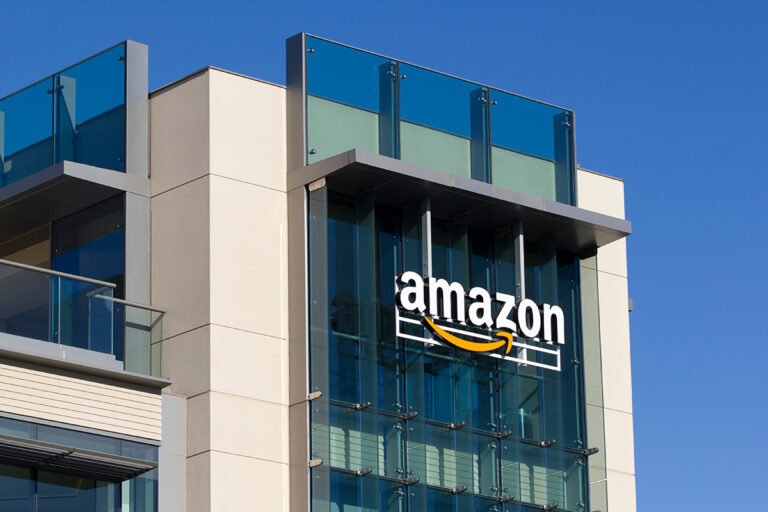

Amazon Incurs €32 Million Penalty in France for Intensive Monitoring of Employees

In a groundbreaking ruling, France’s Data Protection Authority (CNIL) has levied a hefty €32 million fine against Amazon France Logistique, Amazon’s local warehouse operator, citing the company’s use of a “disproportionately invasive” monitoring system to track its warehouse employees. This substantial sanction highlights the escalating global debate over employee privacy versus the pursuit of operational efficiency in today’s technology-driven workplace.

The CNIL’s examination of Amazon’s operational practices uncovered an advanced tracking system where warehouse staff were constantly monitored through handheld scanners. These devices were used to closely observe periods of inactivity and the pace at which workers performed tasks, including picking or placing items on shelves. The authority expressed particular concern over the system’s ability to precisely track short breaks or work interruptions, effectively pressuring employees to account for each pause in their workflow.

Reacting to these revelations, Amazon has voiced its disagreement with the CNIL’s findings but has shown a readiness to conform to regulatory standards. While maintaining its objections, the company has recognized the necessity of adhering to norms that safeguard operational safety, quality, and efficiency.

A major point of scrutiny in this surveillance system was the timing interval between scans. The scanners were programmed to detect if an item was scanned within 1.25 seconds of the previous scan, a protocol Amazon initially defended as crucial for error reduction. Following CNIL’s intervention, Amazon has opted to stop collecting data on these time intervals.

The issue also extended to defining ‘idle time.’ Previously, Amazon’s system tagged workers as idle if their scanners were not used for at least 10 minutes. Post-CNIL’s involvement, this duration has been revised to 30 minutes. Additionally, the system was set to alert on scanning gaps ranging from one to ten minutes.

The CNIL strongly criticized these monitoring tactics, highlighting the undue stress inflicted on employees. The relentless tracking of all scanner-related activities not only burdened workers but also gave Amazon an undue edge in the fiercely competitive e-commerce sector.

Moreover, the CNIL’s investigation revealed that Amazon retained employee performance data for 31 days, a practice deemed excessively lengthy by the authority. This, among other practices, led to the conclusion that Amazon France Logistique had violated various aspects of the European Union’s data protection regulations.

This French ruling echoes wider international concerns regarding Amazon’s employment practices. Particularly in the United States, the company has faced criticism for its rigorous work conditions in warehouses, marked by intensive surveillance and demanding schedules.

The case against Amazon France Logistique marks a pivotal moment in the ongoing global conversation about digital privacy, labor rights, and the ethics surrounding workplace monitoring. It highlights the imperative for companies to strike a fair balance between operational productivity and respecting employees’ privacy and dignity at work.

Rethinking Retirement: Beyond the 4% Rule

As retirees navigate the complexities of managing their savings, the traditional 4% rule, a long-standing cornerstone of retirement planning, is facing scrutiny. This rule, which suggests withdrawing 4% of retirement savings in the first year and adjusting for inflation annually, is now being questioned in light of contemporary economic conditions and longer life spans.

The 4% rule was established in 1994, based on a 30-year retirement period, with the portfolio split equally between stocks and fixed-income investments. The strategy involves withdrawing 4% of one’s total retirement savings in the first year, adjusting the amount each year to account for inflation. For example, from a $500,000 portfolio, one could withdraw $20,000 in the first year, with subsequent withdrawals increasing in line with inflation.

Challenges to the Rule in Modern Times

However, this approach has limitations in today’s context. Life expectancy has increased since the rule’s inception, meaning that retirement savings need to last beyond the 30 years initially considered. Additionally, the stock market has become more volatile. The standard deviation of daily returns has risen notably since 2000, impacting the stability of retirement savings.

Fixed-income investments, which form half of the recommended portfolio mix, have also seen lower interest rates, particularly between 2009 and 2021, diminishing their contribution to overall returns. Furthermore, the equity market has experienced periods of underperformance, as evidenced by the dot-com bubble and the 2008 financial crisis, challenging the efficacy of the 50/50 stock-bond portfolio mix.

Alternative Approaches for Retirement Planning

In response to these challenges, two key factors emerge as critical in retirement planning. First, achieving consistent, absolute net returns is essential, particularly given the fluctuating nature of stock market returns and the recent underperformance of bonds. Second, the impact of inflation cannot be overlooked. Historically, inflation was often offset by higher interest rates on bonds and fixed-income investments. However, with current lower interest rates not compensating for increased expenses, retirees need to be cautious about inflation eroding their purchasing power.

Adapting to a Changing Landscape

Retirement planning in the modern era requires adaptability and continuous reevaluation. The 4% rule, while a helpful starting point, may be too simplistic for today’s dynamic financial environment. Diversifying investment strategies, such as including assets that hedge against inflation, can be beneficial. However, retirees should avoid making hasty decisions that could lead to new challenges.

In summary, there’s no one-size-fits-all solution in retirement planning. Staying informed and flexible is key to navigating the ever-changing economic landscape and ensuring a stable and secure retirement.

Controversial Hindu Temple Inauguration in Ayodhya Raises Debates

On January 22, 2024, Indian Prime Minister Narendra Modi presided over the inauguration of a highly contentious Hindu temple in Ayodhya, sparking significant discussions within India’s political and religious realms. This event, often seen as a strategic move by Modi, has elicited both celebrations and criticisms from various quarters.

The inauguration marked the fulfillment of a longstanding desire among millions of Hindus who revere Lord Ram and regard the temple as a profound symbol of their faith and cultural heritage. For Hindu nationalists, particularly those within Modi’s Bharatiya Janata Party (BJP), the temple signifies the reassertion of Hindu identity and pride, which they argue was suppressed during centuries of Mughal and British colonial rule.

The Indian government, under Modi’s leadership, transformed the inauguration into a national spectacle, organizing live broadcasts across the nation and even suspending offices for half a day. With upcoming elections expected in the spring, many perceive the temple inauguration as the initial step in Modi’s bid for a third consecutive term in office. Critics, however, contend that the rushed opening of the temple is merely a political ploy to sway voters.

Modi’s central role in the temple inauguration underscores the growing intertwining of religion and politics in India. His 11-day pilgrimage to various Ram temples preceding the inauguration set the tone for the event and accentuates the blurred lines between religion and state during his tenure.

The site’s history is steeped in controversy. The Babri Mosque, formerly located on this site, was demolished in 1992 by Hindu mobs who believed it was constructed atop temple ruins that marked the birthplace of Lord Ram. This destruction led to widespread riots across India, resulting in numerous casualties, particularly among the Muslim community.

In 2019, India’s Supreme Court ruled that the mosque’s destruction was a grave violation of the law but awarded the site to Hindus while providing an alternate piece of land for Muslims. This decision resolved a protracted legal dispute but continues to be a source of tension between religious communities.

The inauguration of the temple has elicited mixed reactions within India. While many Hindu devotees are celebrating this historic moment, several prominent religious figures and opposition leaders have boycotted the event, expressing concerns about its timing and potential political exploitation.

Across the border, Pakistan has condemned the temple’s consecration, expressing apprehension about the desecration and destruction of religious sites in India. Pakistan’s Foreign Ministry has called for international assistance to safeguard Islamic heritage sites and minority rights in India.

The Ayodhya temple inauguration underscores the ongoing disputes surrounding religious sites in India. Numerous historical mosques in northern India are currently entangled in legal battles, with Hindu nationalists claiming they were constructed over temple ruins. These issues continue to test the balance between religious sentiments and legal rights within the country.

As the temple opens its doors to the public, India grapples with the enduring complexities of faith, politics, and history in its diverse and pluralistic society.

AI Steals the Limelight in Davos: Balancing Excitement and Caution

At the annual gathering of the World Economic Forum in Davos, Artificial Intelligence (AI) has emerged as the central topic of discussion among global leaders and influential business figures. With remarkable advancements in generative AI garnering significant attention in recent years, the immense potential and associated risks of this technology have taken center stage at this prestigious event.

This year’s Davos meeting witnessed the debut of Sam Altman, the CEO of OpenAI, the creator of ChatGPT, who received an enthusiastic reception as he took the stage. Notably, Microsoft’s CEO, Satya Nadella, also made a notable appearance, underscoring the growing importance of AI on the global stage. However, lingering questions about OpenAI’s governance, stemming from Altman’s surprising dismissal and subsequent reinstatement last year, continue to be a point of interest.

Global Leaders Set Their AI Agendas

Leaders from various parts of the world, from China to Europe, are setting forth their visions and priorities concerning AI, recognizing its profound implications. The European Union has been at the forefront, pioneering comprehensive regulations governing AI. Meanwhile, China’s Premier, Li Qiang, has emphasized the critical role of controlling AI for the betterment of humanity. The international community grapples with the challenge of effectively regulating AI, with a particular focus on issues like AI-driven misinformation and disinformation, which pose significant threats to democratic processes.

AI’s Dual Role: Shaping Work and Industry Diversity in Davos

AI is often described as a “double-edged sword” because of its potential to both revolutionize and disrupt various aspects of our lives. Business leaders are optimistic that AI will lead to the automation of routine tasks and enable the creation of more advanced job roles. However, concerns about potential job displacement persist, with a recent survey indicating that 14% of CEOs anticipate staff layoffs due to the rise of generative AI. IBM’s CEO, Arvind Krishna, believes that embracing AI has the potential to significantly enhance productivity across a wide range of industries.

Throughout Davos, the streets were adorned with the ubiquitous letters “AI,” symbolizing the technology’s prominence in the discussions. Inside the conference center, AI-driven art installations and computer-generated depictions of wildlife showcased the creative potential of this technology. Technical sessions held at the AI House delved into the intricacies of AI development. These discussions also emphasized the importance of diversity in AI research and development, ensuring that AI serves a global audience with diverse languages, cultures, and values.

Navigating the AI Frontier at Davos

At the World Economic Forum’s Davos meeting, AI has taken the spotlight, capturing the attention of leaders from around the world. While the potential of AI to revolutionize industries and stimulate economic growth is evident, concerns regarding regulation, job displacement, and governance remain at the forefront of discussions.

As the world grapples with the responsible development and utilization of AI, it is evident that this technology will continue to shape the future of work, economies, and societies worldwide.

U.S. Homeowners’ Low Mortgage Rates Pose Challenges for Buyers

The current state of the U.S. housing market is presenting significant hurdles for prospective homebuyers. High mortgage costs, soaring home prices, and a limited housing supply are making the dream of homeownership increasingly elusive. A key factor contributing to this challenge is the prevailing mortgage interest rates, with a majority of existing homeowners enjoying rates below 5%.

As of the latest data from Freddie Mac, the average 30-year mortgage rate stands at 6.6%. While this rate may seem like an improvement compared to the nearly 8% rates experienced in late 2023, it still remains relatively high. However, most homeowners in the U.S. are currently benefiting from mortgage rates well below this average.

80% of Homeowners Paying Below 5%

Bank of America recently released data indicating that approximately 80% of existing mortgage borrowers in the United States have locked in mortgage rates under 5%. This favorable situation can be attributed to two primary factors:

  • Pre-pandemic Mortgages: Many homeowners secured their mortgages prior to the pandemic when interest rates were generally lower.
  • Refinancing Surge: Others benefited from the substantial drop in mortgage rates in 2020 and 2021, leading them to refinance their loans at more favorable rates.

While this is undoubtedly a boon for homeowners, it presents a challenging predicament for potential buyers. Homeowners with competitive mortgage rates are understandably hesitant to sell, as doing so would mean swapping their low mortgage rates for higher ones. This reluctance on the part of existing homeowners is exacerbating the inventory shortage that has plagued the real estate market since the onset of the pandemic. Consequently, prospective buyers are finding it increasingly difficult to secure a suitable home.

Uncertain Prospects for Rate Reduction

The big question on many minds is when mortgage rates will dip below the 5% mark. While there is no crystal ball to provide a definitive answer, some factors come into play:

  • Inflation Trends: If inflation continues to cool in 2024, there is a possibility that the Federal Reserve may cut interest rates, which could lead to a decrease in mortgage rates. However, these rate cuts are unlikely to be drastic, resulting in a gradual decline in mortgage rates.
  • Timeframe Uncertainty: The exact timing of when mortgage rates will fall below 5% remains uncertain. Nevertheless, experts suggest that it may happen eventually.

Steps for Homebuyers to Secure Competitive Rates

While awaiting more favorable mortgage rates, prospective homebuyers can take proactive steps to position themselves for attractive mortgage deals:

  • Consider Shorter-Term Loans: Opting for a 15-year mortgage, instead of the traditional 30-year loan, can often secure lower interest rates. However, this choice requires careful consideration of higher monthly payments.
  • Credit Score Improvement: Boosting your credit score by paying bills promptly, reducing credit card balances, maintaining long-standing credit accounts, and regularly reviewing your credit report can help you secure a more competitive mortgage rate.

The majority of U.S. homeowners are currently enjoying mortgage rates below 5%, which is posing challenges for prospective homebuyers. While the exact timeline for mortgage rates to dip below 5% remains uncertain, potential buyers can take proactive steps to enhance their chances of securing competitive mortgage deals. As the housing market continues to evolve, careful planning and strategic decision-making will be key for both current and future homeowners.

Israeli Company Receives Preliminary Approval to Introduce Cultivated Beef Steaks

An Israeli company, Aleph Farms, has received initial approval from health officials to bring the world’s first cultivated beef steaks to market, marking a significant milestone in the alternative meat industry. This development, which was announced by Israeli Prime Minister Benjamin Netanyahu, is being hailed as a “global breakthrough.”

The Israeli Health Ministry granted Aleph Farms the preliminary green light in December, with plans to introduce a cultivated “petite steak” to diners in Israel. This steak will be produced from cells derived from a fertilized egg obtained from a Black Angus cow named Lucy, residing on a California farm.

However, there are several regulatory steps still ahead. The company’s labels require approval, and a final inspection is needed before the product can be served to consumers, a process that may take several months.

Aleph Farms joins a select group of companies in the burgeoning field of cultivated meat production. Two California-based firms, Upside Foods and Good Meat, were granted approval to sell cultivated chicken in the United States in June.

Across the globe, more than 150 companies are actively pursuing the goal of creating cultivated, or “cell-cultured,” meat, which is often referred to as lab-grown meat. The primary motivation behind this industry is to significantly reduce harm to animals and mitigate the environmental impacts associated with conventional meat production.

Cultivated meat is developed in large steel tanks using cells sourced from living animals, fertilized eggs, or specialized banks of stored cells. These cells are combined with essential nutrients to facilitate their growth into meat masses or sheets, which can then be shaped into familiar food products like cutlets or steaks.

Despite the promising potential of cultivated meat, the industry faces various challenges. High production costs, as well as the need to scale up production to make it both affordable and profitable, remain significant obstacles. However, many proponents are optimistic that these hurdles can be overcome with continued research and development.

As Aleph Farms takes this crucial step towards introducing cultivated beef steaks to consumers, it marks a notable advancement in the quest to offer sustainable and ethical alternatives to traditional meat production methods. The successful commercialization of these lab-grown meat products could have a profound impact on the future of the food industry, reducing its environmental footprint and paving the way for a more sustainable approach to meat consumption.

Pakistan Conducts Airstrikes in Iran Following Cross-Border Incidents

The tension between Pakistan and Iran has reached new heights as Pakistan’s air force launched retaliatory airstrikes within Iranian territory on Thursday, resulting in the unfortunate loss of at least nine lives. These airstrikes were in response to an earlier attack initiated by Iran on Tuesday. Both assaults seemed to target Baluch militant groups, which share similar separatist objectives and operate on opposite sides of the Iran-Pakistan border. Both nations have accused each other of harboring these groups within their respective territories.

Pakistan’s Foreign Ministry characterized its Thursday attack as “a series of highly coordinated and precisely targeted military strikes.” Pakistan employed a variety of weapons, including drones, rockets, loitering munitions, and standoff missiles. The use of standoff weapons indicates that Pakistan’s fighter jets did not breach Iranian airspace during the operation.

Iran’s Sistan and Baluchestan province reported casualties from Thursday’s airstrike, including three women, four children, and two men near the town of Saravan along the border. Importantly, the casualties were not Iranian citizens. The Baluch Liberation Army, an ethnic separatist group that has been active in the region since 2000, claimed that the strikes targeted and killed its members. Pakistan’s military also stated that the strikes hit targets associated with the Baluchistan Liberation Front.

These airstrikes have strained diplomatic relations between Islamabad and Tehran, with Pakistan having already withdrawn its ambassador in response to Tuesday’s attack. Iran summoned Pakistan’s charge d’affaires in the country following the retaliatory airstrikes.

Both Iran and Pakistan are grappling with internal political pressures. Iran is facing mounting pressure due to recent events, including an Islamic State group attack, Israel’s conflict with Hamas, and broader unrest against its theocratic government. Meanwhile, Pakistan is preparing for a critical general election scheduled for February, with its military continuing to wield significant influence in its politics.

China, a key partner for both nations, has called for restraint in the conflict. China plays a significant role in the region and has a major Belt and Road development project in Pakistan’s Baluchistan province. As tensions persist, concerns have arisen regarding the military preparedness of both Iran and Pakistan, particularly in terms of their radar and air defense systems.

The risk of further escalation remains, as Iran’s military has initiated an annual air defense drill named “Velayat 1402,” which includes live-fire exercises involving aircraft, drones, and air defense systems, spanning from its port of Chabahar near Pakistan to Iraq. Iran and Pakistan share a 900-kilometer largely lawless border, where smugglers and militants frequently cross, making it a key route for global opium shipments from Afghanistan. The Taliban has called for restraint amid the ongoing tensions.

The geopolitical complexities in this situation are considerable, as Pakistan’s military relies on fighter jets from various countries, including the United States, China, and France, which were utilized in Thursday’s retaliatory attack. China has expressed the hope that both sides will exercise calm and restraint to avoid further escalation.

The recent airstrikes and cross-border incidents have reignited concerns about regional stability and the volatile situation along the Iran-Pakistan border. As both nations navigate the aftermath of these events, the international community is closely monitoring developments that could have implications for the broader Middle East region.

Apple Watch Imports Face US Ban as Appeals Court Rejects Temporary Pause Request

In a pivotal development amid an ongoing patent dispute, a federal appeals court has turned down Apple’s plea to temporarily halt the ban on importing the latest iterations of the Apple Watch. Consequently, the ban is scheduled to be reinstated on Thursday, posing implications for the availability of the Apple Watch Series 9 and Apple Watch Ultra 2 in the United States.

The ban originally stemmed from a ruling by the US International Trade Commission (ITC) last October, which concluded that specific functionalities in these Apple Watch models, notably the pulse oximeter feature, infringed upon a patent owned by California-based company Masimo.

Apple had been seeking a reprieve from the ban while their appeal against the ITC’s decision was underway. However, Wednesday’s court filing has confirmed that the ban will remain in effect throughout the duration of the appeals process, which is anticipated to span several months.

Apple has received a measure of leniency, as US Customs and Border Protection granted approval for the continued importation of a modified version of their most advanced Apple Watches. These revised timepieces, devoid of the pulse oximeter functionality, will be made available for purchase in both physical stores and online starting Thursday. These watches will still display the Blood Oxygen icon, but clicking on it will reveal that the feature is “no longer available.”

It is important to highlight that customers who have previously acquired an Apple Watch Series 9 or Ultra 2 featuring the pulse oximeter feature will not be affected by this alteration.

In response to the recent ruling, Apple has affirmed its unwavering commitment to the appeal process, firmly believing that the US Court of Appeals for the Federal Circuit should overturn the ITC’s verdict. The company continues to vehemently dispute the ITC’s ruling and the subsequent ban.

On the opposing side of the dispute, Joe Kiani, CEO of Masimo, expressed contentment with the decision to terminate the temporary pause on the ban.

The legal skirmish between Apple and Masimo has garnered significant attention due to its potential ramifications for patent rights and intellectual property within the technology sector. As both corporations continue to assert their positions, consumers will closely monitor the evolution of this dispute and its potential impact on the future of wearable technology.

With the imminent resumption of the import ban on advanced Apple Watch models, Apple faces challenges in sustaining its product lineup and fulfilling consumer demand while the legal proceedings continue to unfold.

The Self-Checkout Dilemma: Convenience or Chaos?

In an age where technological advancements are reshaping our daily lives, one innovation that has permeated the retail sector is the self-checkout system. Touted as a futuristic solution to streamline shopping and reduce operational costs, self-checkout kiosks are now a familiar sight in stores across the globe. However, the reality of this technology has been less than stellar, leading to widespread disappointment among both consumers and retailers.

The introduction of self-checkout systems was driven by the promise of enhanced shopping convenience for customers and significant cost savings for retailers. The idea was simple: reduce the need for multiple cashiers by having customers scan and bag their purchases themselves. Despite these theoretical benefits, the practical application has been fraught with challenges.

More Pain than Gain

Store aisles often witness the paradox of long queues at self-checkout kiosks, while numerous cashier-less tills remain unused. Customers frequently encounter technical glitches and the need for staff intervention, especially when purchasing age-restricted items. This defeats the purpose of convenience and necessitates the presence of store employees to assist and maintain these machines. 

High Stakes, High Costs

The stakes were high for retailers, with investments in self-checkout technology often running into six figures for just a four-kiosk setup. Despite the hefty price tag, businesses like Target, Walmart, and Booths in the UK have started to backtrack on their use of this technology. This reversal is primarily due to issues such as slow performance, unreliability, and a surge in theft incidents at self-service kiosks.

A notable example of this trend is Dollar General, one of the fastest-growing retailers in the US, which had initially leaned heavily into self-checkout technology. However, the company is now planning to increase its number of in-store employees, especially in checkout areas, signaling a shift away from its previous strategy. This move reflects a broader industry realization that self-checkout might not be the cost-cutting solution it was once thought to be.

The Consumer Perspective

From the consumer’s standpoint, the allure of self-checkout was initially strong, with many preferring it over traditional checkout lanes. However, the frequent failures of the technology, including long waiting times and technical errors, have dampened this enthusiasm. A survey of American shoppers found that while a majority preferred self-checkout, a significant number had experienced technology failures during its use.

The Future of Checkout

The future of retail checkout seems to be leaning towards a hybrid approach. While self-checkout kiosks will likely remain due to the substantial investments made, retailers are increasingly giving customers the option to choose between human and machine. However, consumer frustration with the technology suggests that the self-checkout experience often falls short of expectations.

As retailers and consumers navigate this technology, the balance between human touch and automated convenience continues to be a critical factor in defining the shopping experience of the future.