Home Blog Page 60

Marburg Virus Outbreak in Rwanda Sparks Global Race for Vaccine Trials

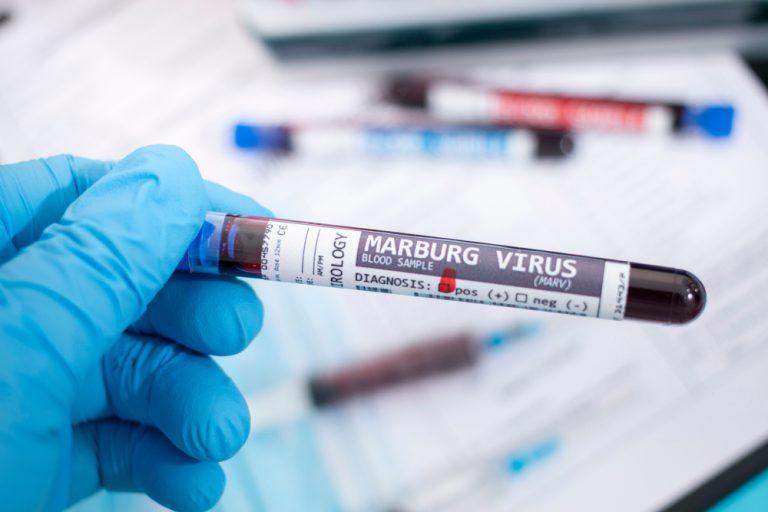
Researchers and health authorities are urgently working to test vaccines and treatments against the deadly Marburg virus, which has recently caused an outbreak in Rwanda. As of September 30, 2024, the virus has infected 27 people and claimed nine lives, with most cases reported among healthcare workers in the capital, Kigali.

The Marburg virus is a highly contagious hemorrhagic fever, closely related to the Ebola virus. While there are currently no approved vaccines or treatments for the Marburg virus, the World Health Organization (WHO) and scientists hope to use the current outbreak to test experimental vaccines and gather data on their safety and efficacy.

Plans for Vaccine Trials

The WHO convened a teleconference on September 30 to discuss potential vaccine trials. The meeting included Rwandan scientists and members of the Marburg Virus Vaccine Consortium (MARVAC), a group of researchers, companies, and non-profit organizations. The goal is to fast-track vaccine trials and treatments like antiviral drugs and monoclonal antibodies.

One of the strategies being considered is ring vaccination, which involves immunizing the contacts of infected individuals. This approach was successfully used to combat the Ebola virus during the 2014–16 outbreak in West Africa.

According to Ira Longini, a biostatistician at the University of Florida and a member of MARVAC, at least one vaccine will likely be trialed using the ring vaccination method if the outbreak continues.

Leading Vaccine Candidates

Several experimental Marburg vaccines are under development, with the most advanced candidate led by the Sabin Vaccine Institute in Washington, D.C. This vaccine uses a modified chimpanzee adenovirus to prompt the body’s immune response. Early trials in the United States showed promising results, and larger trials are underway in Uganda and Kenya.

Oxford University in the UK is also developing a similar vaccine, showing early signs of safety and effectiveness in ongoing trials. Meanwhile, the International Aids Vaccine Initiative is developing a Marburg vaccine modeled after an approved Ebola vaccine, with production slated to begin soon.

Rwanda’s Role and Preparedness

While Rwanda’s health authorities are working quickly to contain the outbreak, the virus’s potential spread to neighboring countries remains a concern. Mark Feinberg, chief executive of the International Aids Vaccine Initiative, praised Rwanda’s capability to manage the situation but warned of the risks of regional spread.

WHO officials are working closely with Rwandan authorities to ensure that clinical trials are approved and implemented swiftly. Nancy Sullivan, a viral immunologist at Boston University, noted that while this outbreak may end before definitive trial data is gathered, it’s an important step toward addressing future outbreaks.

“The idea now is that you just move forward and don’t worry that the outbreak will end,” Sullivan said. “It’s just a piece of the overall trial.”


What’s Next for Gold Prices in October 2024?

Gold continues to attract investors in today’s unpredictable economy. This year, precious metals have repeatedly broken price records as people look for ways to protect their wealth. With rising inflation concerns and global uncertainties, gold’s role as a safe-haven investment is particularly strong.

In September, gold prices reached another all-time high. Now, as we enter October, many are asking: Will this upward trend keep going, or are we due for a price drop?

Three top financial advisors to help you make smarter investment choices. Their predictions for October’s gold prices could offer valuable insights, whether you’re a seasoned buyer or new to the gold market.

Gold Prices in October: Expected Growth and Key Predictions

As we enter October, gold seems poised for further gains, with forecasts ranging from $2,600 to $2,800 per ounce. This optimistic outlook builds on gold’s impressive climb since the start of the year.

  • Henry Yoshida, certified financial planner and co-founder of Rocket Dollar predicts that “gold prices will likely continue to climb steadily.” He points to potential central bank purchases and expected Fed rate cuts as key drivers. His bullish forecast of $2,800 per ounce reflects strong confidence in gold’s upward momentum.
  • Will Rhind, CEO of investment company GraniteShares, takes inspiration from historical trends. “Gold prices have appreciated an average of 8.5% in the six months following a rate cut of 50 basis points,” he notes, referencing data since 2020. This pattern fuels his forecast of $2,700 by month’s end.
  • Jerry Prior, COO and senior portfolio manager at Mount Lucas Management, holds a more measured view. He sees gold holding steady between $2,600 and $2,700 in October. “We see no reason to sell gold here,” he asserts, pointing to the Fed’s supportive rate path as a key factor.

Key Factors Behind the Gold Market Momentum

Despite the range in predictions, our experts agree on one thing: Gold’s upward trend is likely to continue. But what’s driving this golden opportunity? Here are three key factors:

  1. Interest Rate Shifts: As interest rates fall, various markets are seeing a boost. Yoshida expects gold to benefit from this changing rate environment.
  2. Global Uncertainties: Geopolitical tensions remain high, with the looming U.S. election and ongoing conflicts abroad. Rhind notes that “increasing geopolitical tensions in the Middle East and Ukraine” are driving demand for gold.
  3. Dollar Dynamics: “As the Fed has moved toward rate cuts, the dollar has weakened and gold has trended higher,” Prior observes. The inverse relationship between gold and the dollar often propels gold prices when the dollar dips.

Strategies for Gold Investors: October 2024 Insights

October’s gold outlook presents both opportunities and challenges for investors.

With more economic data on the horizon, including job market figures, “if jobs numbers continue to deteriorate, you may see that reflected in a higher gold price as expectations for the Fed to cut rates more aggressively might rise,” Rhind says. Investors should also watch the performance of the U.S. dollar, which could further influence gold prices.

For those considering gold investments, Yoshida suggests a strategic approach: “Consider purchasing physical gold within a tax-deferred vehicle such as an IRA.” This option could provide tax advantages, allowing your investment to grow over time without immediate capital gains taxes.

Yoshida also advises long gold investors to maintain their positions, while those new to gold or underinvested should consider increasing their allocation. Rhind emphasizes gold’s role in diversifying portfolios: “If stocks go through another bout of volatility, that could benefit gold due to uncertainty.”

Microsoft Revamps Copilot with Voice and Vision for a Personalized AI Experience

Microsoft has introduced a major update to its Copilot AI, enhancing its capabilities with voice and vision features to transform it into a more personalized assistant. These new functionalities, including a virtual news presenter mode and the ability to interpret what users see on their screens, are part of a broad overhaul across mobile, web, and the dedicated Windows app.

This redesign introduces a card-based user interface that makes Copilot feel more personalized and intuitive. The changes are influenced by Microsoft’s recent hires from Inflection AI, including Mustafa Suleyman, the co-founder of Google DeepMind and now the CEO of Microsoft AI. Suleyman’s influence marks a significant shift in Copilot’s consumer-facing features.

“At Microsoft AI, we are creating an AI companion for everyone,” Suleyman wrote in an open letter. “I truly believe we can create a calmer, more helpful and supportive era of technology, quite unlike anything we’ve seen before.”

A Fresh Look and New Features

The redesigned Copilot is warmer and more user-friendly, offering a personalized “Discover” page. This page will adapt to users’ preferences, offering searches, tips, and relevant information based on past interactions. The update also includes voice features, allowing users to talk to Copilot naturally, similar to OpenAI’s Advanced Voice Mode. With four voice options, users can interact with the AI in a way that feels comfortable and personal.

“We’re making a huge bet on voice,” said Yusuf Mehdi, Microsoft’s executive vice president and chief marketing officer. “When you use it with the way we’ve designed it, you really start to let yourself go and have conversations.”

Another key feature is Copilot Vision, which enables the AI assistant to see what’s on the user’s screen and respond to questions about it. This feature will be useful for tasks like shopping, where Copilot can offer product recommendations based on what’s visible on a webpage.

Privacy Considerations and Future Plans

Microsoft emphasizes that Copilot Vision is opt-in, and no content will be stored or used for training. Currently, Copilot Vision works with a limited list of popular websites, and it won’t function with paywalled or sensitive content during its preview phase.

Copilot’s new features include Copilot Daily, an audio news summary that reads out headlines and weather reports using content from authorized sources like Reuters and the Financial Times. Meanwhile, Think Deeper is a new tool that allows Copilot to spend more time crafting detailed, step-by-step answers to complex questions.

As Microsoft continues to roll out these updates, it’s clear that Copilot is evolving into more than just a chatbot. With voice and vision capabilities, it is becoming an AI companion designed to assist users more meaningfully.

This revamped Copilot experience is available now on mobile apps for iOS and Android, the web, and the Windows app. With plans to expand globally, voice capabilities will initially be available in English-speaking countries such as Australia, Canada, the UK, and the US.

Suleyman envisions even bigger things for Copilot. “Over time it’ll adapt to your mannerisms and develop capabilities built around your preferences and needs. We are not creating a static tool so much as establishing a dynamic, emergent, and evolving interaction,” he said.

Massive U.S. Port Strike Set to Begin with No Resolution in Sight

U.S. East and Gulf Coast port workers are set to go on strike in less than 10 hours, with no talks currently scheduled to avert the stoppage that could halt container traffic from Maine to Texas and cost the economy billions per day. The labor contract between the International Longshoremen’s Association (ILA), representing 45,000 port workers, and the United States Maritime Alliance (USMX) employer group expires late Monday, with negotiations at an impasse over pay.

“All signs are that there will be a strike,” said Rick Cotton, executive director of the Port Authority of New York and New Jersey, during a press conference on Monday. He added that the gates of the marine terminals will close at 5 p.m. ET (2100 GMT), leaving nearly 100,000 containers stored at the port. Another 35 ships expected to arrive will remain anchored during the strike.

U.S. Chamber of Commerce President Suzanne Clark urged President Joe Biden to use his authority to prevent the strike for 80 days, warning that allowing a contract dispute to continue would shock the economy. Despite the looming threat, Biden said on Sunday that he does not plan to intervene.

The strike, scheduled to begin Tuesday at 12:01 a.m. ET, would mark the first coast-wide ILA strike since 1977, affecting ports that handle roughly half of the nation’s ocean shipping. The ILA claims that the USMX has offered an “unacceptable wage package,” leading to the impasse.

If the strike occurs, it could disrupt the flow of goods ranging from food to automobiles, potentially stoking inflation and impacting jobs just weeks before the U.S. presidential election. Governor Kathy Hochul of New York warned that while the strike may not immediately affect essential goods, the state remains concerned about supply chain disruptions, especially for critical items like medical supplies.

Retailers have already implemented contingency plans, stocking goods ahead of the potential strike to avoid disruptions during the crucial holiday season. However, a prolonged strike could lead to severe economic consequences. Jay Timmons, CEO of the National Association of Manufacturers, emphasized the impact on U.S. supply chains, warning that billions of dollars of goods rely on access to East and Gulf Coast ports.

The dispute stems from ILA demands for significant wage increases and a halt to terminal automation projects. ILA leader Harold Daggett threatened to shut down all 36 ports covered by the union. While the Biden administration has urged both sides to negotiate, no talks are planned, leaving the situation unresolved as the strike deadline approaches.

Rwanda Confirms 8 Deaths as Marburg Virus Outbreak Spreads

Rwanda has reported eight deaths linked to the highly contagious Marburg virus, just days after the country declared an outbreak of the Ebola-like hemorrhagic fever. The virus, which originates from fruit bats and spreads through close contact with bodily fluids or contaminated surfaces, has no authorized vaccine or treatment. Without intervention, it can be fatal in up to 88% of cases.

The Rwandan Health Ministry confirmed 26 cases so far, with eight fatalities, most of whom were healthcare workers. Authorities declared the outbreak on Friday, and the first six deaths were reported just a day later.

Health Minister Sabin Nsanzimana emphasized that efforts to curb the spread were underway, including contact tracing and isolating those exposed. “We are intensifying contact tracing and testing to help stop the spread,” Nsanzimana said. However, the source of the virus has yet to be determined.

Marburg virus symptoms include fever, muscle pain, vomiting, diarrhea, and in severe cases, death due to extreme blood loss. It shares similarities with Ebola, and the public has been advised to avoid physical contact as a precaution.

The World Health Organization (WHO) is scaling up its support for Rwanda. WHO Director-General Tedros Adhanom Ghebreyesus affirmed that they are working closely with local authorities to contain the outbreak.

The U.S. Embassy in Kigali has also responded by advising staff to work remotely to limit exposure.

Marburg outbreaks have occurred in several other African nations, including Tanzania, Uganda, Kenya, and South Africa. The virus was first identified in 1967 following laboratory outbreaks in Germany and Serbia.

In addition to Marburg, Rwanda is managing an mpox outbreak, reporting six cases so far. Mpox is caused by a virus related to smallpox and is being monitored by health authorities. Rwanda recently launched an mpox vaccination campaign, with more vaccines expected soon.

The situation in Rwanda is being closely watched, with health agencies working to prevent further spread of these infectious diseases.

Trump Media Co-Founders Sell $100 Million Stake After Lockup Expires

The co-founders of Trump Media & Tech Group, which launched the Truth Social platform, have reportedly sold off almost all their shares, amounting to around $100 million in stock. Andrew Litinsky and Wesley Moss, who were instrumental in creating the platform, divested their stakes following the expiration of a lockup agreement that prevented large investors, including Donald Trump, from selling their shares.

Stock Sale After Lockup Agreement Expiration

According to a regulatory filing, United Atlantic Ventures, the investment firm owned by Litinsky and Moss, disposed of nearly its entire 5.5% stake in Trump Media. This sale occurred after the lockup agreement, which restricted major investors from selling their shares, ended on September 19. The agreement was put in place after the company went public in March.

Trump Maintains His Shares

Despite the stock sell-off by his co-founders, Trump has made it clear that he has no intention of selling his shares in the company. Earlier this month, the former president said, “A lot of people think that I will sell my shares, you know, they’re worth billions of dollars, but I don’t want to sell my shares. I don’t need money.”

Trump emphasized that he continues to use Truth Social as his primary platform for communicating with the public, following his ban from Twitter (now X) after the January 6 Capitol riot.

Origins of Truth Social

Litinsky and Moss, both former contestants on season two of The Apprentice, initially pitched the idea of Truth Social to Trump after he was banned from mainstream social media. The platform was designed as an alternative for free speech, and the co-founders played a critical role in facilitating the merger that took Trump Media public.

Legal Dispute Between Co-Founders and Trump Media

Relations between Trump Media and its co-founders, Litinsky and Moss, have not remained smooth. Trump Media attorneys previously argued that United Atlantic Ventures (UAV), Litinsky and Moss’s investment firm, was not entitled to shares in the company due to alleged mismanagement.

However, earlier this month, a federal judge in Delaware ruled in favor of UAV, affirming that Litinsky and Moss were entitled to sell their minority stake in Trump Media. The lawsuit had been filed against Odyssey Transfer and Trust, a securities transfer agent, to ensure the co-founders could sell their stock.

Putin Lowers the Nuclear Threshold in Revised Doctrine

Russian President Vladimir Putin has long been known for his nuclear saber-rattling, and this week, he made another move that has alarmed the arms-control world. During a meeting with his Security Council, Putin revealed proposed changes to Russia’s nuclear doctrine that could lower the threshold for using nuclear weapons. These changes signal a potential shift in how Russia views nuclear retaliation, especially concerning support provided to non-nuclear states.

Putin’s Nuclear Doctrine Revisions

Putin’s new nuclear doctrine suggests that Russia would view an attack by a non-nuclear state supported by a nuclear state as a “joint attack against the Russian Federation.” Furthermore, Russia may consider nuclear retaliation based on “reliable information about a massive launch of air and space attack weapons,” including aircraft, UAVs, and missiles crossing Russia’s borders.

Putin’s revisions come at a time when Ukraine continues to push for long-range weapons from the United States, weapons that could target deeper inside Russia. The doctrinal changes appear to be a calculated warning to Western leaders, particularly as Ukrainian President Volodymyr Zelensky seeks further military aid from the Biden administration.

Ambiguity in Doctrine and Red Lines

Despite these revisions, experts remain divided on how much the doctrine has truly shifted. Pavel Podvig, an expert on Russian nuclear forces, highlights the deliberate ambiguity in the new language, noting that Russia’s definition of “aggression” remains unclear. While Russia’s doctrine already allowed for nuclear responses to aggression that threatened state existence, the new changes seem more focused on current geopolitical dynamics involving nuclear and non-nuclear states.

Performative Deterrence

The public nature of Putin’s announcement has sparked debate over whether these changes are more symbolic than substantive. As Norwegian nuclear strategy expert Kristin Ven Bruusgaard notes, the announcement itself serves as a deterrent, drawing global attention to Russia’s nuclear doctrine while leaving key aspects, such as the exact thresholds for nuclear retaliation, intentionally vague.

The ultimate impact of these changes remains to be seen. While Putin’s revisions may be aimed at deterring Western intervention in Ukraine, Ukraine has already carried out strikes deep within Russian territory. Whether these changes to Russia’s nuclear policy will influence future Western military aid to Ukraine remains an open question, as Zelensky’s recent visit to the United States may soon reveal.

OpenAI Considers Transition to For-Profit Status Amid Leadership Turmoil

OpenAI, the artificial intelligence powerhouse known for developing ChatGPT, may be moving away from its nonprofit roots as it explores a shift toward a for-profit corporate structure. This move would significantly transform the San Francisco-based company, which has long maintained a nonprofit arm overseeing its growth.

The company’s board is reportedly discussing converting OpenAI into a public benefit corporation (PBC) entity that balances profitability with a broader mission to benefit society. While OpenAI already operates a for-profit division, the change would give the company a more investor-friendly approach and make it accountable to shareholders.

OpenAI CEO Sam Altman addressed the potential restructuring during a recent tech conference in Italy. He acknowledged that the company is considering an overhaul. However, he denied that this was linked to the recent resignations of key executives, including Chief Technology Officer Mira Murati and Chief Research Officer Bob McGrew.

Altman emphasized that OpenAI’s nonprofit arm would continue to play a role, stating, “We remain focused on building AI that benefits everyone.” The shift would allow OpenAI to advance its mission while positioning itself more effectively for the next growth stage.

OpenAI’s hybrid structure has been a source of tension, especially as the company’s role in developing cutting-edge AI technologies expands. Originally founded in 2015 as a nonprofit to build AI for the benefit of humanity, OpenAI has since evolved into a business competing in the rapidly growing AI space, with significant backing from partners like Microsoft.

The potential shift to a for-profit public benefit corporation would align OpenAI more closely with investor expectations while preserving its mission to prioritize societal benefits over profit-making. However, the transition may face challenges, particularly in maintaining its original ethical standards amid pursuing profitability.

In the meantime, OpenAI continues to make waves in the tech world, but the company’s leadership changes and structural evolution could redefine how it operates in the competitive AI landscape.

Study Finds Link Between Ozempic and Lower Opioid Overdose Rates in Diabetics

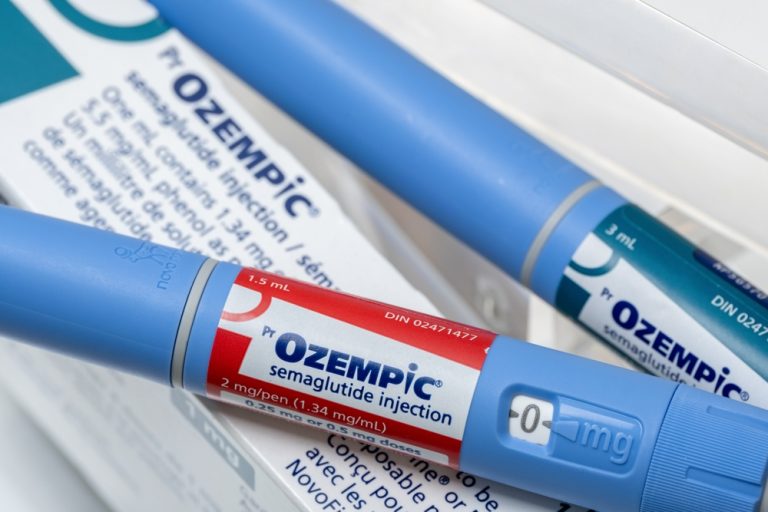
A new study reveals that people with type 2 diabetes who are prescribed semaglutide medications, such as Ozempic and Rybelsus, may face a reduced risk of opioid overdose. This research, published Wednesday, highlights a potential new benefit of the blockbuster drug often prescribed to help manage diabetes and weight-related conditions.

The study, conducted by researchers at Case Western Reserve University and the National Institute on Drug Abuse, found a significant association between the use of semaglutide and lower opioid overdose rates among patients diagnosed with opioid use disorder. While this is promising news, the study authors cautioned that more research is needed to better understand how these drugs may help prevent opioid-related deaths.

“GLP-1 medications like Ozempic have already transformed the treatment of type 2 diabetes and obesity by lowering risks of associated diseases,” said Nora Volkow, the director of the National Institute on Drug Abuse, in a statement. “The preliminary findings of this study point to the possibility that GLP-1 medications may also play a role in preventing opioid overdoses.”

The study analyzed six years of observational data from de-identified electronic health records, focusing on over 33,000 patients with type 2 diabetes and opioid use disorder. According to the researchers, patients on semaglutide experienced a “significantly lower” risk of opioid overdose than those prescribed other diabetes medications.

Despite these findings, the researchers emphasized that much remains unclear about the link between GLP-1 medications and opioid overdose prevention. Randomized controlled trials, they argue, are essential to validate these early results.

The Public Health Implications

While the study suggests a possible new approach to addressing the opioid epidemic, there are limitations. Many questions remain about whether semaglutide can be made widely accessible to individuals with opioid use disorder, especially given the high cost of these medications.

Additionally, it remains unclear if patients using semaglutide are typically those who are exposed to the highest risk opioids, such as fentanyl, which has caused tens of thousands of overdose deaths in recent years. Even so, semaglutide and similar medications may offer an alternative treatment for those who struggle to access conventional addiction treatments, like methadone or buprenorphine.

Rong Xu, a professor at Case Western and co-leader of the study, emphasized the importance of continuing research in this area. “Alternative medications to treat opioid use disorder are crucial,” Xu said. “Our findings suggest that semaglutide could offer new possibilities in fighting this deadly epidemic.”

Despite the positive preliminary results, the researchers also noted that semaglutide drugs are not without side effects. In an earlier study, more than half of participants failed to complete a three-week trial of liraglutide — another GLP-1 medication — due to gastrointestinal discomfort.

Looking Ahead

As researchers continue to explore the potential benefits of GLP-1 drugs in reducing opioid-related deaths, this study provides a glimmer of hope in the fight against opioid addiction. However, more studies are necessary before these findings can be fully applied to broader public health initiatives.

With ongoing concerns about the opioid crisis and limited access to affordable addiction treatments, alternative medications like semaglutide may offer new avenues for addressing a pressing health challenge.

Breaking Down How Americans Can Pay Off $6,300 in Credit Card Debt

Americans are grappling with mounting credit card debt, with the average balance per person reaching approximately $6,330, according to TransUnion data. This marks a significant increase from $5,947 last year, reflecting a broader trend as total U.S. credit card debt hits a record-breaking $1.14 trillion, as reported by the Federal Reserve Bank of New York.

Ted Rossman, Bankrate’s senior industry analyst, points out that many Americans fall into credit card debt for practical reasons, not extravagant purchases. “People tend to get into credit card debt for emergency expenses and day-to-day costs,” Rossman explains. Yet, escaping the cycle of debt is notoriously difficult.

Carrying a balance month after month means consumers face growing interest charges, especially with an average credit card interest rate of 25%. CNBC’s calculations illustrate just how much credit card debt can cost over time, depending on how quickly it’s paid off. Here’s a breakdown of the monthly payments and total costs for clearing $6,330 of debt within different time frames:

TimeMonthly PaymentTotalingWith $ in Interest
1 Year$602$7,200$890
2 Years$338$8,108$1,778
3 Years$252$9,060$2,730

Clearly, the longer it takes to pay off your balance, the more interest you’ll end up paying.

How to Tackle Credit Card Debt

If you’re looking to reduce your debt, two common strategies are the avalanche and snowball methods.

  • Avalanche Method: Focus on paying off the card with the highest interest rate first. After making minimum payments on all your cards, allocate any extra funds to the highest-interest card. Once that’s cleared, move on to the card with the next-highest rate.
  • Snowball Method: Target your smallest balance first. Make minimum payments on all cards, but direct any extra funds to the card with the lowest balance. Once it’s paid off, apply extra funds to the next-smallest balance.

Both methods can work, but as financial expert Matt Schulz advises, “It’s all about finding the strategy that works for you and staying committed to it.”

Regardless of which approach you choose, the key is to start taking action and stay consistent to reduce your debt burden.