Home Blog Page 59

Gemini on Android Adds Native Extensions for Popular Apps

Gemini, Google’s AI-driven virtual assistant, is set to become even more powerful on Android as it gains native extensions for popular apps like WhatsApp, Spotify, and Google Messages. The new extensions promise deeper integration and smoother interactions with these services, marking a significant step forward in Gemini’s development. This update is part of Google’s ongoing effort to expand Gemini’s capabilities and address gaps left by the transition from Google Assistant.

Bridging the Gap: Gemini’s Evolving Role on Android

Since its introduction, Gemini has gradually taken over from Google Assistant as the default virtual assistant on Android devices. However, despite its expanded role, it initially lacked some of the core functionalities users had come to expect from Google Assistant, such as advanced app integrations. Google has been actively working to bridge these gaps, first by adding support for Google Assistant Routines and now by introducing native app extensions.

The latest leak from Assemble Debug, as reported by Android Authority, indicates that Google is testing native Gemini extensions for WhatsApp, Spotify, and Google Messages on the Android platform. While Gemini already had some similar capabilities through Google Assistant Actions, the new extensions will provide a more seamless experience, allowing users to interact with their favorite apps directly through Gemini.

How Native Extensions Enhance App Interactions

The addition of native extensions means that when users request actions like sending a WhatsApp message, playing a song on Spotify, or sending a text via Google Messages, Gemini can open these apps directly using the native extension. This bypasses the need to rely on Google Assistant Actions and results in noticeably faster and more fluid app interactions.

For instance, if you ask Gemini to send a message on WhatsApp, the assistant will use the native extension to launch the app immediately. The same streamlined process applies to the Spotify and Google Messages extensions, enhancing the user experience by reducing delays. Notably, the Spotify extension works for both premium and free account users, making it accessible to a broad audience.

Personalization: A Key Focus for Gemini

Beyond app integration, Google aims to make Gemini a more personalized assistant by learning user preferences. The new extensions are designed to offer personalized experiences based on how users interact with different apps. For example, if you frequently use WhatsApp for messaging a particular contact, Gemini can learn this pattern and prioritize the WhatsApp extension for messaging tasks. This type of personalized functionality sets Gemini apart from its predecessors and competitors.

The transition from Google Assistant Actions to Gemini extensions also suggests that Google is placing greater emphasis on tailoring the assistant’s capabilities to individual users’ needs. As these extensions roll out, Gemini’s ability to anticipate user actions and preferences should continue to improve, making it a more intuitive and helpful virtual assistant.

Testing Phase: What We Know So Far

The extensions are still in the testing phase, and there’s no official timeline for when they will be released to the public. The leak from Assemble Debug showed that the extensions could be activated in the Google app’s beta version (15.40.31.29), suggesting that they are relatively close to being ready for a broader rollout. While users may need to wait a bit longer for the official release, the presence of these features in beta form indicates that significant progress has already been made.

With Google actively refining Gemini’s capabilities, it is evident that the company is committed to making Gemini on Android a robust alternative to traditional virtual assistants. The move to integrate native extensions for widely used apps like WhatsApp, Spotify, and Google Messages will likely be welcomed by users who seek a more efficient and personalized AI assistant.

What’s Next for Gemini on Android?

As Google continues to expand Gemini’s capabilities, users can expect further enhancements and additional native extensions for other popular apps. Given the current pace of development, it is plausible that future updates will include more robust support for productivity apps, smart home integrations, and other services that were previously dependent on Google Assistant.

Google’s approach to refining Gemini appears to be focused on creating a versatile assistant that not only meets users’ immediate needs but also adapts to their usage patterns over time. This vision aligns with the broader trend of AI-driven personalization across technology, where services become more intuitive as they learn from user behavior.

The introduction of native extensions for WhatsApp, Spotify, and Google Messages marks a significant upgrade for Gemini on Android, addressing one of the main shortcomings since its transition from Google Assistant. With smoother app interactions and a focus on personalized experiences, Gemini is poised to become a more capable and versatile assistant. While the extensions are still in testing, their potential to enhance user engagement and streamline tasks positions Gemini as a key player in the evolving landscape of AI-driven assistants.
PepsiCo Lowers Sales Growth Outlook Amid Slower U.S. Recovery

PepsiCo executives have acknowledged a “slower” recovery of U.S. consumers in the company’s latest quarterly results, signaling broader economic challenges. On Tuesday, the snack-and-beverage giant adjusted its full-year forecast for organic sales growth to a “low-single-digit” increase, down from its previous estimate of 4%. This adjustment followed a more optimistic earlier forecast.

Chief Financial Officer Jamie Caulfield explained during an earnings call that the consumer rebound has been slower than expected. This echoed concerns raised in July when CEO Ramon Laguarta mentioned that U.S. consumers were facing increasing financial pressures.

PepsiCo’s latest earnings results are one of the first significant consumer-oriented reports for the fall season, giving a preview of potential trends across industries. Companies such as Domino’s Pizza and Walgreens Boots Alliance are expected to follow with their reports, providing further insight into consumer behavior. Additionally, recent positive job and wage data add context to this mixed economic picture.

Earlier, McCormick & Company also noted that consumers remained “challenged but resilient,” reinforcing the cautious outlook shared by consumer-facing businesses in light of ongoing economic shifts. As more financial institutions reveal their earnings in the coming weeks, their insights will likely help shape understanding of broader U.S. consumer health.

U.S. to Screen Travelers from Rwanda Amid Marburg Virus Outbreak

U.S. health officials are taking action in response to the ongoing outbreak of the Marburg virus in Rwanda. The Centers for Disease Control and Prevention (CDC) will begin screening travelers entering the U.S. from Rwanda, starting the week of October 14. This follows the confirmation of 56 cases in Rwanda, 12 of which have resulted in death, according to Rwanda’s Ministry of Health. The Marburg virus is a severe hemorrhagic fever that can spread through contact with animals or people, leading to symptoms like fever, rash, and severe bleeding.

While there are no reported cases in the U.S., the CDC has issued a Level 3 Travel Health Notice, urging travelers to reconsider nonessential trips to Rwanda. Infected individuals may exhibit symptoms between two to 21 days after exposure, and currently, there is no vaccine or specific treatment available.

The CDC advises that anyone who develops symptoms should immediately self-isolate and notify health authorities for guidance. Efforts are underway in Rwanda to contain the outbreak, with local health authorities conducting investigations, strengthening surveillance, and educating communities about the risks posed by the virus.

Samsung Galaxy A16 to Feature 6 Years of Updates, 6.7-Inch Display, and Slimmer Design

Samsung’s upcoming Galaxy A16 is set to deliver impressive features for its price range, including 6 years of OS updates and two variants—4G and 5G. Both models will boast a 6.7-inch Super AMOLED display, a bump from the A15’s 6.5-inch, while retaining a 90Hz refresh rate and 2,340 x 1,080 pixel resolution. Additionally, the A16 will come with an IP54 rating, offering splash and dust resistance. A 5,000mAh battery and a slimmer 7.9mm profile make it a significant upgrade over its predecessor.

Hardware and Variants

The Galaxy A16 will feature 4GB of RAM, 128GB of internal storage (expandable up to 1TB), and a triple-camera setup—50MP main, 5MP ultra-wide, and 2MP macro lenses. Notably, the only major difference between the 4G and 5G versions lies in the chipsets: the 4G model uses the MediaTek Helio G99, while the 5G variant employs the Exynos 1330, improving performance.

Both versions will come equipped with a 5,000mAh battery and 25W fast charging, providing solid endurance and quick power-ups. Despite housing a large battery, the A16 manages to be 0.5mm thinner than its predecessor, the A15, making it sleek and ergonomic.

Leaked information indicates the A16 will maintain strong value for consumers looking for longevity and performance in a budget-friendly phone. The 6-year OS update guarantee and overall solid specs make the A16 a compelling choice in Samsung’s A-series lineup.

Middle East Crisis Strains U.S.-Israel Alliance and Fuels Political Tensions at Home

President Joe Biden’s unwavering support for Israel, reaffirmed after the devastating October 7, 2023, Hamas attacks, has escalated tensions in the Middle East and at home. The U.S. military has engaged in protecting Israel, including bombing Iran-backed Houthi rebels in Yemen. Domestically, the fallout from the war has deepened political divides, complicating Vice President Kamala Harris’ presidential bid and raising concerns over antisemitism in America. The conflict also threatens to derail long-standing U.S. foreign policy goals, like the two-state solution and stability in the region.

Heightened Conflict in the Middle East

The aftermath of the Hamas terror attacks, which killed 1,200 people, has transformed the geopolitical landscape in the Middle East. The U.S. has been involved in protecting Israel from missile and drone attacks originating from Iran, launching airstrikes on Iranian-backed Houthi rebels in Yemen, and aiding in military operations to intercept these attacks. The situation threatens to drag the U.S. into further military engagement as Israel’s conflict with Hezbollah in Lebanon escalates.

Biden, a long-time supporter of Israel, faces challenges as the Israeli government, led by Prime Minister Benjamin Netanyahu, continues to resist U.S. attempts to mitigate civilian casualties in Gaza. Biden’s efforts at diplomacy, alongside Secretary of State Antony Blinken and CIA Director William Burns, have made little progress, and tensions between U.S. and Israeli interests are becoming more apparent. The war has caused significant diplomatic fallout for the Biden administration, with some critics believing the U.S. has lost leverage on the global stage.

Political Fallout at Home

The war has exposed deep divisions in the U.S., particularly within the Democratic Party. Progressive Democrats, outraged by the Biden administration’s inability to rein in Netanyahu’s government, have expressed dissatisfaction, and protests on college campuses reflect growing discontent with U.S. support for Israel. These divisions could have significant electoral consequences, particularly for Kamala Harris as she prepares for a contentious election against Donald Trump.

Thousands of Arab American voters, especially in key swing states like Michigan, are reconsidering their support for the Democratic Party due to its handling of the Israeli-Palestinian conflict. Harris, in trying to balance U.S. foreign policy objectives with domestic political unrest, has struggled to maintain a unified Democratic coalition. Her recent efforts to address the concerns of Arab American leaders indicate the party’s recognition of the issue’s political gravity.

Antisemitism and Safety Concerns in the U.S.

The October 7 attacks have left the Jewish community in the U.S. traumatized, with a significant rise in antisemitic incidents since the conflict began. Pro-Palestinian protests have sometimes crossed into antisemitism, heightening fears among American Jews. The Anti-Defamation League (ADL) reports more than 10,000 antisemitic incidents since the attacks, with harassment, vandalism, and physical assaults on the rise.

Former President Donald Trump’s rhetoric has only added to the tension, as he criticized Jewish voters who support Biden and Harris, using antisemitic tropes about dual loyalty. His comments have worsened the political landscape, fueling further division as the presidential election draws near.

The Ongoing Crisis

Looking ahead, the U.S. remains deeply involved in the new realities of the Middle East, with no immediate resolution in sight. Whether Kamala Harris or Donald Trump takes office, the next president will inherit a volatile situation, fraught with challenges to U.S. foreign policy and deep domestic divisions. The war has exposed not only the fragility of peace in the region but also the vulnerabilities within the U.S. political system.

California Reports First Human Cases of H5 Bird Flu as Two Farmworkers Test Positive

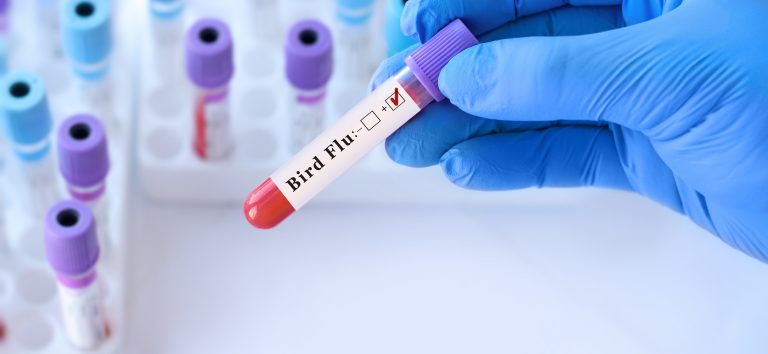
Two farmworkers in California have tested positive for the H5 bird flu, marking the state’s first human cases of the virus. The US Centers for Disease Control and Prevention (CDC) confirmed the cases on Thursday, following an announcement from the California Department of Public Health (CDPH) earlier in the day. The two cases appear to be unrelated, as both individuals worked on separate dairy farms in California’s Central Valley where cattle had tested positive for H5N1 avian influenza.

Mild Symptoms and Low Risk to the Public

Both farmworkers exhibited mild symptoms, with the primary indicator being conjunctivitis or red eyes. Health officials explained that this symptom suggests the virus may have entered through the eyes, potentially from rubbing eyes with contaminated hands or splashes of infected milk. Neither worker experienced respiratory symptoms and neither required hospitalization.

Dr. Tomás Aragón, CDPH director and state public health officer, reassured the public about the limited threat posed by these cases. “We want to emphasize that the risk to the general public is low, and people who interact with potentially infected animals should take prevention measures,” Aragón said. He credited ongoing health checks for helping to quickly detect and respond to these cases.

Protecting Farmworkers and Preventing Spread

While the risk to the broader population remains low, farmworkers face a higher risk of exposure to the virus. The CDC has recommended that workers handling potentially infected animals use personal protective equipment (PPE), such as face shields, goggles, masks, and gloves, to reduce the likelihood of infection. Health checks, proper notification, testing, and treatment protocols are in place to safeguard those in close contact with infected animals.

With these two new cases, the total number of confirmed human infections from avian flu in the United States since March stands at 16. Previous cases have been identified in workers from Texas, Colorado, and Michigan. A case in Missouri was detected in a patient without known animal exposure, underscoring the importance of ongoing monitoring.

Concerns About Future Outbreaks

Infectious disease experts continue to monitor the H5N1 virus closely, as every new human infection presents a risk of the virus mutating. If the virus evolves to better adapt to human hosts, it could potentially lead to wider outbreaks. Historically, many pandemics have been caused by new strains of the flu virus, making vigilance critical.

While the current cases remain contained, health officials and infectious disease specialists are monitoring developments closely to mitigate any further risk of transmission.

With the confirmation of these two cases, California has joined a growing list of states dealing with human infections caused by the avian flu. Fortunately, the cases have been mild, and the overall risk to the public remains low. However, as experts watch the virus’s evolution, the importance of protective measures and regular health monitoring for farmworkers cannot be overstated.

OpenAI Unveils Canvas: A New ChatGPT Workspace for Writing and Coding Projects

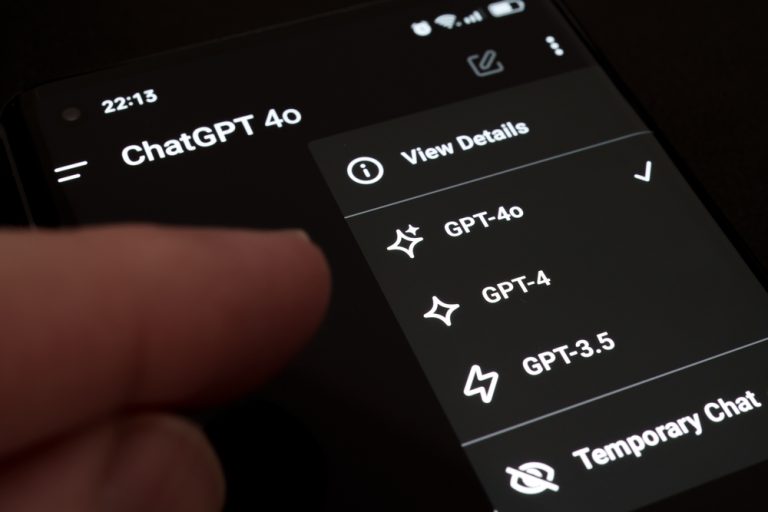
OpenAI has launched Canvas, a new workspace interface for ChatGPT that aims to streamline writing and coding projects. Announced on the company’s official blog, Canvas is now available for ChatGPT Plus and Team users, with Enterprise and Edu users set to gain access next week. The new feature provides a separate, dynamic interface where users can get more precise assistance from ChatGPT, functioning as a copy editor or code reviewer.

What is Canvas and How Does It Work?

Canvas acts as a virtual workspace within ChatGPT, offering a dedicated area for users to place their writing or coding projects. This feature allows them to isolate sections of their work for specific feedback and edits. By typing “use canvas” in the chat prompt, users can open a new window beside the main chat space, where they can highlight portions of text or code and ask ChatGPT for revisions or suggestions. The interface is designed to enhance the efficiency of writing and coding tasks by providing real-time feedback on selected content.

According to OpenAI’s blog post, Canvas will also open automatically when it detects a situation where it could be particularly useful, further optimizing user experience. This seamless integration allows for quick access to several new shortcuts specifically designed for writing and coding projects.

  • Advanced Features for Writers and Coders

For writing projects, ChatGPT in Canvas mode can provide a range of editing options. Writers can request suggested edits, adjust the length of a document, or modify the reading level of the text. Whether users need to elevate the text to a graduate level or simplify it for a younger audience, Canvas offers flexibility. The feature can also add emojis for emphasis, bringing personality and visual cues to the content.

On the coding side, Canvas introduces powerful tools for developers. ChatGPT can review code, offer inline suggestions for improvement, and provide logs and comments to help with debugging. Additionally, Canvas can fix bugs and port code to different programming languages, including JavaScript, TypeScript, Python, Java, C++, and PHP. These capabilities make it an essential resource for coders looking for real-time support on complex projects.

How Canvas Stands Out in the AI Workspace Market

With the introduction of Canvas, OpenAI positions ChatGPT as a stronger competitor to other AI-driven workspaces like Anthropic’s Artifacts and Cursor, a model that focuses specifically on coding. Canvas’ ability to serve both writers and coders makes it a versatile tool, combining powerful editing and debugging capabilities into a single interface.

As Canvas rolls out to more users, it’s poised to enhance the ChatGPT experience for professionals across industries. With its robust editing and coding features, Canvas stands to become an indispensable tool for streamlining complex projects and boosting productivity. OpenAI’s push toward offering tailored workspaces like Canvas underscores its commitment to expanding the practical use cases of ChatGPT in both creative and technical fields.

OpenAI’s new Canvas feature introduces a practical, focused workspace within ChatGPT, allowing users to refine their writing and coding projects with ease. Whether you’re looking to fine-tune text or debug code, Canvas offers a host of tools that bring precision and creativity to the forefront. As this feature expands to more users, its versatility and utility will likely become a key asset in the evolving world of AI-assisted workspaces.

Unemployment Claims Rise Slightly, Layoffs Remain Low as U.S. Job Market Cools

The number of Americans filing for unemployment benefits saw a modest rise last week, with the Labor Department reporting on Thursday that claims increased by 6,000 to a total of 225,000 for the week ending September 28. While slightly higher than the 221,000 forecasted by analysts, the figures still point to a job market that remains historically healthy despite recent signs of cooling.

Slight Uptick, but Unemployment Remains Low

The increase in jobless claims follows months of relatively stable unemployment data. The four-week average of claims, which helps smooth out short-term volatility, fell slightly by 750 to 224,250, reinforcing that layoffs remain low by historical standards. Applications for jobless benefits are widely seen as an indicator of layoffs, and these figures suggest that while the labor market may be softening, it remains strong overall.

Recent labor market data has started to signal that the Federal Reserve implemented high interest rates to curb inflation, may be slowing down the U.S. job market. Despite the small increase in unemployment claims, layoffs are not spiking, and the labor market remains relatively robust.

Federal Reserve Adjusts Strategy Amid Economic Shifts

As the labor market shows signs of weakening, the Federal Reserve has shifted its focus from solely controlling inflation to supporting job growth. Last month, the Fed made its first rate cut in four years, reducing its benchmark interest rate by half a percentage point after a series of rate hikes in 2022 and 2023 pushed the federal funds rate to 5.3%, the highest level in two decades. Fed Chair Jerome Powell noted that inflation has largely been brought under control, nearing the central bank’s 2% target.

The Fed’s goal now is to achieve a “soft landing”—a delicate balancing act of cooling inflation without triggering a recession. As part of this strategy, the Fed hopes to continue lowering interest rates in response to a labor market that is starting to show signs of strain.

Signs of a Cooling Labor Market

Data from the first four months of 2024 showed weekly unemployment claims averaging 213,000, but that number began to rise in May, peaking at 250,000 by late July. This trend, combined with fewer jobs being added in the summer months, supports the idea that higher interest rates are finally taking a toll on the previously red-hot job market.

In August, U.S. employers added 142,000 jobs, a modest increase from July’s 89,000, but still well below the monthly average of 218,000 jobs recorded from January through June. The slowdown in hiring, alongside the modest rise in unemployment claims, indicates that the U.S. labor market is gradually cooling off.

The Labor Department also revised its job creation figures from April 2023 through March 2024, revealing that the U.S. economy added 818,000 fewer jobs than initially reported. This downward revision further points to a steadily slowing job market.

Holiday Hiring Dips Amid Economic Uncertainty

In contrast to these developments, some retailers have announced plans to ramp up hiring for the upcoming holiday season. However, reports suggest that fewer seasonal employees will be hired this year compared to previous years, signaling that businesses remain cautious amid economic uncertainty and shifting consumer demand.

While unemployment claims have risen slightly, the overall job market remains strong, even as it cools in response to high interest rates and a slowing economy. As the Federal Reserve continues to adjust its strategy in pursuit of economic stability, the labor market will be closely watched to see if it can navigate these challenging conditions without tipping into recession.

UK to Return Chagos Islands to Mauritius in Historic Agreement

On Thursday, the United Kingdom agreed to return all but one of the Chagos Islands to Mauritius, marking a significant shift in the long-standing territorial dispute over the Indian Ocean archipelago. The British government will retain Diego Garcia, the largest island in the chain, to secure the continued operation of a key UK-U.S. military base there. The agreement is seen as a step toward resolving contested sovereignty and maintaining regional security.

The History of the Chagos Islands Dispute

The Chagos Islands, an archipelago of over 60 islands in the Indian Ocean, were separated from Mauritius in 1965 by the British government, just three years before Mauritius gained independence. The islands have since been a point of contention, with Mauritius consistently advocating for their return. The largest of the islands, Diego Garcia, is home to a major naval base established by the U.S. in the 1970s under a lease agreement with the UK. This base, described by U.S. officials as “an all but indispensable platform” for operations in the Middle East, South Asia, and East Africa, hosts roughly 2,500 personnel, mostly Americans.

The new agreement between the UK and Mauritius allows for the return of the majority of the Chagos Islands, while ensuring Diego Garcia remains under British control for at least 99 years. The arrangement seeks to prevent legal challenges and contested sovereignty that could threaten the base’s operation.

A Strategic Deal for Global Security

British Foreign Secretary David Lammy emphasized the significance of the agreement for both countries. “It will strengthen our role in safeguarding global security, shut down any possibility of the Indian Ocean being used as a dangerous illegal migration route to the UK, as well as guaranteeing our long-term relationship with Mauritius, a close Commonwealth partner,” Lammy said.

By resolving the sovereignty dispute, the UK hopes to ensure the uninterrupted operation of the Diego Garcia base, a critical asset in joint UK-U.S. defense operations. President Joe Biden also praised the agreement, calling it “historic” and noting its importance for maintaining the effectiveness of the joint facility on Diego Garcia well into the next century.

The Chagossian Displacement and Calls for Inclusion

While the deal marks progress for both nations, it has sparked renewed criticism from the Chagossian community, many of whom were displaced when the Diego Garcia base was built in the 1970s. An estimated 1,500 natives were forcibly removed from the islands to make way for the base, and their descendants continue to demand a say in their homeland’s future.

Chagossian Voices, a group representing the Chagossian diaspora, expressed frustration over being left out of the decision-making process. “Chagossians have learned this outcome from the media and remain powerless and voiceless in determining our own future and the future of our homeland,” the group said in a statement. They called for full inclusion in the treaty negotiations, stressing that the indigenous population should have a role in determining the islands’ future.

As part of the deal, the British government will establish a resettlement fund to help displaced Chagossians return to islands other than Diego Garcia. However, the group remains critical of the exclusion from discussions, demanding more than just financial compensation.

Legal Finalization and Treaty Signing

Although the agreement has been reached, it still requires formal approval through a treaty and legal processes that both sides aim to complete as soon as possible. Under the deal, the UK will pay Mauritius rent for Diego Garcia, though the exact cost has not been disclosed. The agreement will secure the base’s operation for an initial period of 99 years, with the possibility of renewal.

Apart from Diego Garcia, the return of the islands represents a milestone for Mauritius in its decades-long struggle to reclaim sovereignty. However, the road ahead may still be contentious as the Chagossian community continues to push for a greater role in shaping the future of their ancestral land.

The UK’s decision to return the majority of the Chagos Islands to Mauritius is a significant moment in international diplomacy, resolving a long-standing sovereignty dispute while preserving a crucial military base. As the legal and political processes unfold, the voices of the displaced Chagossians will remain central to the ongoing conversation about the future of the islands.

US Dockworkers Strike Continues – Biden Calls for Urgent Talks

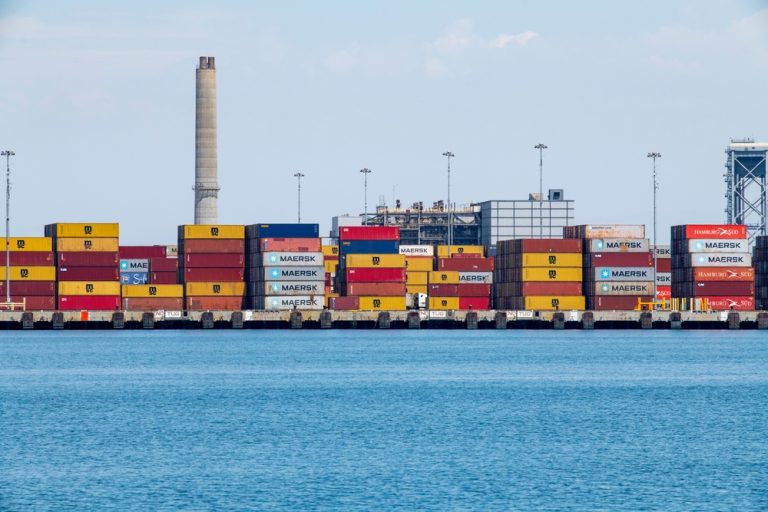
The U.S. East Coast and Gulf Coast ports remain paralyzed as the dockworkers’ strike enters its second day, with no talks scheduled between the International Longshoremen’s Association (ILA) and the United States Maritime Alliance (USMX). The work stoppage, which began on Tuesday, has already disrupted shipments of goods ranging from food to automobiles and could cost the U.S. economy $5 billion per day, according to analysts from JP Morgan.

The strike by 45,000 dockworkers has affected 36 major ports across the U.S., including critical locations like New York, Baltimore, and Houston. “We are prepared to fight as long as necessary,” said ILA leader Harold Daggett, who called for a $5-per-hour wage hike for each of the next six years and an end to automation projects that threaten union jobs.

White House Steps In – Urges Employers to Negotiate

President Joe Biden has called on port employers to return to the bargaining table, stating, “They made incredible profits, over 800% since the pandemic. It’s time for them to sit at the table and get this strike done.” Despite mounting pressure from the White House, negotiations have stalled, raising concerns that the strike could extend, with significant consequences for both the economy and consumers.

Retailers and manufacturers have been bracing for the impact of the strike, with some companies implementing backup plans to safeguard their supply chains. “If it becomes a protracted issue, it will be a bigger issue for everybody,” said Sean Connolly, CEO of packaged food maker Conagra, which has been preparing for the strike for months.

Although the strike has not yet affected consumer prices, Morgan Stanley economists warn that food prices could increase first if the stoppage is prolonged. Additionally, the shipping industry is already seeing disruption, with 38 container vessels backed up by Tuesday, compared to just three before the strike.

The Biden administration has made it clear that it expects foreign ocean carriers, which profited significantly during the pandemic, to offer a fair contract to dockworkers. “It’s time those ocean carriers offered a strong and fair contract that reflects ILA workers’ contribution to our economy,” said Biden in a post on X. However, the president has refrained from directly intervening to end the strike.

Retailers and Trade Groups Push for Federal Action

Retailers are increasingly concerned about the potential long-term impact. The National Retail Federation, along with 272 other trade associations, has called on the Biden administration to use federal authority to end the strike, warning of “devastating consequences” for the U.S. economy. While inventories for the holiday season remain largely intact, executives such as Isaac Larian, CEO of MGA Entertainment, expressed concerns about spring 2025 deliveries if the strike continues.

As the strike stretches on, concerns are mounting over the potential economic fallout, and retailers, manufacturers, and government officials are anxiously awaiting a resolution.