Home Blog Page 56

At-Home Flu Vaccine Available Next Year with FDA Approval

Starting next year, Americans will have the option to receive a flu vaccine in the comfort of their own homes, thanks to the FDA’s approval of FluMist for self-administration. FluMist, a nasal spray vaccine developed by AstraZeneca, has been used in healthcare settings for two decades but will soon be available for home delivery through an online pharmacy. However, it will still require a prescription.

How It Will Work

The at-home flu vaccine will be accessible through the upcoming FluMist Home website. To receive the nasal spray, patients will need to fill out an online questionnaire. Once approved by a pharmacist, the FluMist nasal spray will be shipped directly to the recipient’s home. According to The New York Times, the current cost per dose ranges from $35 to $45, but this price may decrease depending on insurance coverage.

FluMist has been available through healthcare providers since it was first approved by the FDA in 2003. It is suitable for individuals between the ages of 2 and 49. For children under 18, the FDA recommends that a parent or caregiver administer the nasal spray. The treatment offers a convenient alternative for those who dislike injections or find it difficult to visit a healthcare provider for their annual flu shot.

The Centers for Disease Control and Prevention (CDC) reports that FluMist has efficacy similar to that of traditional flu shots, making it a viable option for seasonal influenza prevention.

Expanding Accessibility and Convenience

Dr. Peter Marks, director of the FDA’s vaccine center, hailed the approval of FluMist for self-administration as a milestone in making flu vaccinations more accessible. “Today’s approval of the first influenza vaccine for self- or caregiver administration provides a new option for receiving a safe and effective seasonal influenza vaccine, potentially with greater convenience, flexibility, and accessibility for individuals and families,” Marks said.

The availability of an at-home flu vaccine could offer more people the opportunity to receive immunization, especially those with busy schedules or limited access to healthcare facilities. With seasonal influenza affecting around a billion people globally each year and causing hundreds of thousands of respiratory-related deaths, the new delivery method for FluMist could help increase immunization rates.

The FDA’s approval of FluMist for at-home use marks a new era of convenience for flu vaccinations. With the option to receive a prescription and have the vaccine delivered straight to their door, Americans can look forward to a more flexible approach to seasonal flu prevention starting next year.

Telegram to Provide More User Data to Governments, Says CEO Durov

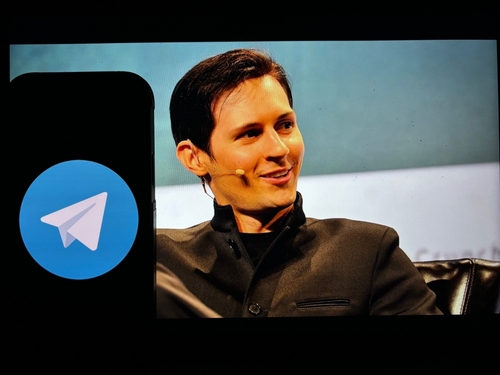
In a significant shift for the messaging platform, Telegram CEO Pavel Durov announced that the app will now provide user data, including IP addresses and phone numbers, to authorities in response to valid legal requests. The decision, outlined in a post by Durov, marks a departure from Telegram’s previous stance on government cooperation and follows legal pressures from various countries.

Durov’s announcement comes on the heels of his arrest in France, where he faces charges of alleged complicity in the spread of child sexual abuse materials through his platform. As a result, Telegram has revised its terms of service to prevent criminals from abusing the app and align with legal obligations.

A Shift in Telegram’s Approach

Historically, Telegram has been known for its resistance to government requests for data. The platform, headquartered in the United Arab Emirates, is known for ignoring takedown requests and providing little to no information to authorities about suspected criminals. However, Durov’s statement on Monday signals a shift in how the company will handle legal requests moving forward.

“The platform changed its terms of service to deter criminals from abusing it,” Durov said. Telegram has already begun using artificial intelligence and a team of moderators to filter problematic content, particularly in search results, to address misuse.

Legal Troubles in France

Durov’s recent legal troubles in France have brought new scrutiny to his management of Telegram. In August, French prosecutors charged the Russian-born billionaire in connection with crimes allegedly committed on the app. The charges portray Durov as the head of a company that, in the past, refused to provide law enforcement with data needed for legal wiretaps on suspected criminals.

Durov, who denies the charges, has been ordered to remain in France while the investigation is ongoing. His arrest has raised questions about Telegram’s ability to balance its commitment to user privacy with the need to comply with legal obligations.

Telegram’s Complicated Relationship with Governments

Telegram has long been a thorn in the side of governments worldwide, including democratic and authoritarian regimes alike. The app has become a popular tool for organizing protests, with activists using it to communicate and mobilize against state authorities. At the same time, Telegram has also been criticized for being a hub for extremists, conspiracy theorists, and criminal activity.

In the United States, white supremacists have used Telegram for years to coordinate attacks, including targeting critical infrastructure. Meanwhile, the Russian government tried to block Telegram in 2018 due to its refusal to comply with government data requests, only to reverse the ban two years later. Russia’s telecommunications regulator acknowledged that Durov had agreed to help counter extremism and terrorism, a notable concession from the CEO.

As Durov navigates his legal challenges in France, Telegram’s cooperation with government authorities signals a broader policy shift. While the company remains a platform for free speech and privacy, it now faces growing pressure to prevent abuse by criminals and extremists. Durov’s decision to allow limited data sharing could begin a new chapter for the app, as it balances its commitment to user privacy with the need to comply with international legal standards.

Telegram’s decision to begin sharing user data with governments reflects the growing complexities tech companies face in today’s regulatory environment. As Durov continues to face legal scrutiny, the platform’s policies may continue to evolve, shaping the future of one of the world’s most controversial messaging apps.

Why Now Is the Time to Invest in Long-Duration Bonds

In the current low-interest-rate environment, long-duration bonds offer an attractive opportunity for investors seeking capital appreciation. As the U.S. Federal Reserve cuts interest rates by 50 basis points, experts suggest that domestic investors should consider increasing their exposure to long-duration bonds. These bonds benefit the most from falling yields, making them ideal for those who can tolerate short-term volatility in exchange for long-term gains.

Why Long-Duration Bonds Are Beneficial in a Rate-Cut Cycle

Long-duration bonds are particularly sensitive to changes in interest rates, with prices rising as yields fall. This makes them a compelling investment in times of declining rates. Gilt and dynamic bond funds, which invest in government securities and offer flexibility in bond allocations, stand to benefit from this trend. Experts believe that long-duration bonds will see significant price appreciation as the Fed continues its aggressive rate-cutting stance and India potentially follows suit.

Nirav Karkera, head of Research at Fisdom, explains, “As interest rates are expected to decline, bond prices will rise, particularly long-duration bonds, which are more sensitive to interest rate changes. Investors can lock in attractive yields now and benefit from capital appreciation as bond prices increase when interest rates fall.”

Maximizing Returns with Long-Duration Bonds

One key advantage of long-duration bonds is their potential for higher coupon payments compared to shorter-duration bonds, enhancing investor income in a low-interest-rate environment. This makes them an ideal choice for investors looking to maximize returns. With the Fed’s easing policy and India’s potential rate cuts, long-duration bonds provide a favorable environment for earning better capital appreciation.

Suresh Darak, founder and director of Bondbazaar, an online bond trading platform, says, “The Fed’s action is a pivot that is likely to boost the flow of money to emerging markets and increase demand across asset classes. It may lead to a rate cut cycle in India, resulting in demand and price escalation of long-duration bonds.”

Balancing Risk and Reward in Long-Duration Bonds

While long-duration bonds offer the potential for higher returns, they come with heightened sensitivity to interest rate changes, meaning investors should be prepared for short-term volatility. According to Jyoti Prakash Gadia, managing director at Resurgent India, a balanced approach is essential when investing in long-duration bonds. Gadia suggests building a portfolio with a mix of five- and ten-year duration bonds to spread risk and take advantage of gradual interest rate cuts by the Reserve Bank of India.

Investors should also consider diversifying their bond portfolios across sectors and issuers to mitigate risk. By spreading their investments, investors can reduce the impact of potential defaults and market shifts. “Diversification is crucial in the current environment,” says Karkera, adding that maintaining a mix of long-duration and shorter-duration bonds or high-quality corporate bonds can provide stability.

Key Considerations for Investors

Before diving into long-duration bonds, investors should evaluate several critical factors. First, interest rate sensitivity is paramount, as long-duration bonds experience greater price fluctuations in response to rate changes. Secondly, the economic outlook plays a major role; rate cuts by central banks during economic slowdowns can significantly boost bond values.

Credit risk is another factor to assess, as investing in higher-quality issuers can help minimize the risk of default. Inflation expectations should also be considered, as inflation reduces the real return on fixed payments. A diversified bond portfolio can help protect against economic uncertainties and rate fluctuations.

Karkera advises a cautious approach, stating, “A strategy that includes a mix of longer and shorter-duration bonds, along with high-quality corporate bonds, can bring stability and offset risks related to future interest rate changes.”

For investors with a long-term perspective and a tolerance for short-term volatility, long-duration bonds offer significant opportunities for capital appreciation in the current low-interest-rate environment. By carefully managing risk and diversifying across bond types, sectors, and issuers, investors can position themselves to benefit from the ongoing rate cuts and maximize returns. Now is the time to capitalize on the potential of long-duration bonds.

Experts Call for Age Restrictions on Nonalcoholic Drink Sales

While nonalcoholic drinks may seem harmless, a growing number of experts are calling for restrictions on their sale to minors, citing potential risks. With the sober-curious movement gaining momentum, low-alcohol and alcohol-free beers and mocktails have become increasingly popular among younger adults, and some worry that their appeal may extend to kids and teens. Despite their minimal alcohol content, these drinks are raising red flags due to their potential to introduce minors to the drinking culture.

The Growing Popularity of Nonalcoholic Beverages

The market for nonalcoholic drinks is booming as more people, particularly younger adults, seek alternatives to alcoholic beverages. These products, which contain less than 0.5% alcohol by volume, include popular options like Budweiser Zero and nonalcoholic Corona beer, often packaged in bottles that look nearly identical to their alcoholic counterparts.

“It’s a way to blend in for a lot of folks who are using these in social settings,” said Dr. Molly Bowdring, an instructor at Stanford Prevention Research Center. However, experts like Bowdring are concerned that these drinks, which mimic the look, taste, and experience of alcohol, may serve as an entry point into drinking for minors.

The Case for Age Restrictions: Evidence from Abroad

Emerging research from countries like Japan, Taiwan, and Australia has raised alarms about the effects of nonalcoholic drinks on youth. In Japan, studies found that 20% to 30% of elementary, middle, and high school students reported drinking nonalcoholic beverages. Additionally, students who drank these beverages were more likely to express interest in consuming alcohol later in life. Similar patterns have been observed in Taiwan and Australia, where teens who drank zero-alcohol beverages were more likely to drink alcohol.

Dr. Leon Booth, a researcher at the George Institute for Global Health in Australia, highlighted the risks, noting that teens are “role-playing” drinking when they consume nonalcoholic beverages. “They are effectively role-playing drinking when they choose a zero-alcohol version of an alcoholic product,” Booth explained. Some teens even reported getting used to the taste of beer through these beverages, suggesting that zero-alcohol drinks could acclimatize young people to alcoholic flavors.

Industry Perspectives and Lack of U.S. Regulation

The Distilled Spirits Council, which represents major alcohol producers, agrees that nonalcoholic drinks made to resemble alcoholic beverages should not be consumed by minors. “Non-alcohol beverages using alcohol branding are made for adult consumption,” said Lisa Hawkins, a spokesperson for the council. While some producers voluntarily print age restrictions on these products, there are no consistent regulations across the U.S.

According to Bowdring, only 12 states have laws limiting the sale of nonalcoholic drinks to minors, and most of these regulations appear to be incidental rather than intentional. “There weren’t specific laws or policies written in for nonalcoholic beverages,” Bowdring noted, suggesting that many states simply included nonalcoholic beverages in broader alcohol definitions.

States like Georgia and Idaho regulate nonalcoholic drinks based on how they’re made rather than their alcohol content. Meanwhile, Florida and Kansas have stricter definitions that prohibit minors from buying any beverage with measurable alcohol content, even if it is considered nonalcoholic by federal standards.

Potential Risks for Minors

Bowdring and other experts argue that while nonalcoholic beverages may help adults cut back on drinking, there is no benefit to minors consuming these products. In fact, there may be potential harm. The visual and sensory similarities to alcoholic beverages could normalize drinking behaviors and encourage underage drinking in the future.

“For minors, there’s no benefit in consuming nonalcoholic drinks, and there is some evidence of potential harm,” Bowdring said, pointing to the growing body of research suggesting a connection between nonalcoholic drinks and future alcohol use. She believes stronger regulations are needed to prevent minors from accessing these beverages.

As the popularity of nonalcoholic drinks continues to rise, so do calls for stricter age-related regulations. Experts argue that the U.S. should follow the example of countries like Australia and Japan, where studies have demonstrated the potential risks of allowing minors to consume nonalcoholic beverages. With little regulation in most states, there’s a growing consensus that more needs to be done to protect young people from the potential harms of these drinks.

Though nonalcoholic drinks may seem harmless, experts are increasingly raising concerns about their potential to influence minors’ drinking habits. As research shows links between nonalcoholic beverage use and interest in alcohol consumption, there is growing pressure on regulators to establish age restrictions on these products. While these drinks may benefit adults seeking to reduce alcohol intake, protecting minors from any potential harm remains a priority.

TikTok’s Battle for Survival Amid Potential US Ban

TikTok is facing a pivotal moment as it confronts the possibility of a ban in the United States. Today, the popular platform, with over 170 million American users, will have just 15 minutes before a federal appeals court to argue against a law that could lead to its removal from personal devices nationwide. The law, enacted by President Joe Biden, would force ByteDance, TikTok’s Chinese parent company, to sell the app to a non-Chinese entity, potentially as early as January.

Understanding the Law

The US law at the center of this battle was passed with urgency earlier this year. Concerns over national security and data privacy fueled the legislation, as US officials fear that ByteDance could be coerced by the Chinese government into sharing data on American users. The law requires ByteDance to divest from TikTok, severing the app’s ties to China to mitigate potential risks. The deadline for ByteDance to comply is set for January 19, 2024, leaving TikTok with limited time to counter the law in court.

TikTok argues that the ban violates First Amendment rights, claiming that it threatens free speech and access to information for millions of American users. Additionally, the company insists that the proposed ban is an overreach, and other less extreme measures could be taken to address concerns about its Chinese ownership.

Inside the Courtroom

The case is proceeding quickly, bypassing district courts and heading directly to the US Court of Appeals for the District of Columbia Circuit. A three-judge panel, consisting of appointees from the Obama, Trump, and Reagan administrations, will hear the case. TikTok, along with its creators involved in the lawsuit, will have 15 minutes to present their arguments, while the Biden administration will be given 25 minutes to make its case for the ban or forced sale.

The judges must weigh whether the threat of Chinese espionage through TikTok justifies the government’s intervention, especially when it comes to possible infringements on Americans’ rights to free expression. Their ruling, expected in the near future, could establish a new precedent for balancing national security concerns with digital freedoms.

Fears of Chinese Control

The movement to ban TikTok stems from increasing fears about Chinese influence. US officials worry that ByteDance could be forced by the Chinese government to disclose sensitive data about American users. TikTok has faced scrutiny since its 2017 debut in the US, with its ties to China drawing criticism. Despite these concerns, there has been no direct evidence of Chinese misuse of TikTok’s data.

In an effort to address security issues, TikTok launched “Project Texas,” an initiative designed to store US user data on Oracle-controlled servers and create internal barriers between TikTok and ByteDance. However, US authorities have rejected this plan, stating that detecting breaches of the agreement would be challenging.

Technological and Political Challenges

ByteDance has countered that separating TikTok from its parent company would be nearly impossible from a technological standpoint. The app’s functionality is deeply intertwined with ByteDance’s proprietary code, making it difficult to transfer control to another company. On top of that, the Chinese government has voiced its opposition to any forced sale of TikTok. China’s export control laws restrict the transfer of key software algorithms, such as TikTok’s recommendation system, which plays a critical role in its success.

While cybersecurity experts acknowledge that TikTok could theoretically be used for Chinese spying, they stress that no solid evidence has emerged to prove these claims. TikTok maintains that it is being unfairly targeted because of its foreign ownership, noting that other social media platforms face similar privacy and content moderation concerns.

The Stakes for Digital Platforms

The court’s ruling will have far-reaching effects, not just for TikTok, but for other foreign-owned digital platforms operating in the US. If the law is upheld, it could open the door to tighter government control over apps with foreign ties. For TikTok, the stakes are even higher—failing to overturn the law could mean either a forced sale or an outright ban in the US.

As the court battle unfolds, TikTok’s fate in the United States remains uncertain. The coming weeks will be critical in determining whether the app can withstand mounting political and legal challenges, or if it will face significant changes—or even a complete exit from the US market.

U.S. Drone Downed by Houthis as Tensions Rise in Yemen 

The conflict in Yemen has intensified as Houthi rebels claim to have downed yet another U.S.-made MQ-9 Reaper drone, marking their third such strike in a single week. Video footage shared by the group appears to show a surface-to-air missile destroying the unmanned aircraft, with its debris scattered across Yemen’s Dhamar province.

While the U.S. military has acknowledged the rebels’ claim, it has yet to officially verify the loss of the drone. The Houthis have previously made exaggerated claims about their military actions, but the video lends credibility to this particular incident. In the footage, armed rebels are seen surrounding the smoldering remains of the drone, with one fighter briefly handling a piece of the wreckage before dropping it, likely due to its high temperature.

The MQ-9 Reaper, a highly advanced drone with a price tag of about $30 million, can fly at altitudes of up to 50,000 feet and remain airborne for 24 hours. It is a key asset in U.S. and CIA operations over Yemen. Although the Houthis claimed they used a locally made missile to shoot down the drone, Iran has long been suspected of providing the group with weapons, including the 358 surface-to-air missile. Despite Tehran’s denials, U.N. investigators have repeatedly found evidence of Iranian arms being shipped into Yemen.

The downing of the drone coincides with a broader Houthi campaign targeting commercial shipping in the Red Sea. Since the conflict between Israel and Hamas escalated in October, the Houthis—aligned with Iran—have ramped up missile and drone strikes, targeting over 80 vessels. Although the Houthis claim to only target ships linked to Israel or Western nations, many of the attacked vessels have had no connection to the Gaza conflict.

One such attack involved the Greek-flagged oil tanker *Sounion*, which was struck by multiple missiles while carrying 1 million barrels of oil in the Red Sea. The ship was not involved in the Gaza conflict, but the attack raised alarms over the possibility of an environmental disaster should its cargo leak. Salvage operations are currently underway to prevent such a catastrophe.

Since the Houthis began their Red Sea offensive, they have seized one vessel and sunk two others, resulting in the deaths of four sailors. Some of their missile and drone attacks have been intercepted by a U.S.-led coalition, while others have missed their targets. However, the attacks have caused significant disruption to global shipping routes, affecting even civilian vessels that have no clear ties to the conflict in Gaza.

The Houthis appear to be using these attacks to exert pressure on the international community, urging action against Israel’s military operations in Gaza. However, their indiscriminate targeting of vessels has had broader consequences, with global shipping routes increasingly disrupted and vessels from various countries, including Iran, falling victim to their strikes.

As violence continues to spill beyond Yemen’s borders, the downing of advanced military equipment like the MQ-9 Reaper signals the Houthis’ growing military strength. While the U.S. has yet to officially confirm the loss of the drone, the rebels’ visual evidence adds to the complexity of an already volatile situation, raising concerns about future escalations in the region.

Sony Introduces the Powerful and Speedy PlayStation 5 Pro

Sony has officially revealed the PlayStation 5 Pro, a highly anticipated upgrade to its successful gaming console. Slated for release on November 7, this enhanced version will be priced at $700—about 40% more than the original PlayStation 5 when it launched in 2020. Gamers can look forward to pre-ordering the new console starting September 26.

The PS5 Pro brings substantial improvements in terms of speed and power, boasting up to 45% faster game rendering compared to its predecessor. These advancements translate to smoother gameplay and faster load times, making it the most advanced console Sony has produced so far. With this level of performance, the PS5 Pro is designed to provide a superior gaming experience.

A key feature of the PlayStation 5 Pro is its custom hardware optimized for machine learning. This feature, combined with an advanced AI library, enhances image quality, delivering crisper, sharper visuals. The goal is to raise the bar for console gaming by offering players a more immersive, high-fidelity experience.

Another notable change is the absence of a built-in disc drive in the PS5 Pro. Gamers who prefer physical media will need to purchase a disc drive separately. This shift toward digital content reflects the broader industry trend, as an increasing number of gamers opt for digital downloads over physical copies.

In addition to supporting new game releases, the PlayStation 5 Pro will improve the performance of existing PS5 games. Sony has confirmed that several older games will receive free updates, allowing them to take full advantage of the Pro’s advanced hardware. This feature is particularly valuable for gamers who already own a library of PlayStation 5 titles, as they can enjoy enhanced graphics and performance without repurchasing games.

Since its launch, the PlayStation 5 has been a major success, with over 56 million units sold worldwide. However, Sony has slightly reduced its sales projections for the current financial year, now aiming to sell 18 million units, down from 20.8 million the previous year. Despite this adjustment, the PlayStation 5 continues to hold a strong position in the competitive gaming market.

Although the PS5 is performing well, it still lags behind the PlayStation 4’s massive sales, which exceeded 114 million units since its release in 2013. The PS4 remains one of the top-selling gaming consoles of all time. However, the launch of the PS5 Pro underscores Sony’s dedication to pushing the envelope in the gaming world and maintaining its leadership in the industry.

As the November release date nears, anticipation for the PlayStation 5 Pro continues to build. With its improved processing power, enhanced visuals, and faster performance, the PS5 Pro is set to offer gamers a top-tier console experience. Players eager to experience this next-gen gaming evolution can pre-order their console starting September 26.

Wind-Powered Cargo Ship Sets Sail on Historic Atlantic Crossing

Marking a groundbreaking moment in sustainable maritime transport, the world’s largest wind-powered cargo vessel, “Anemos,” has successfully completed its first voyage across the Atlantic. The 81-meter (265 feet) long and 13-meter (42 feet) high ship departed from Le Havre, France, on August 16, bound for New York City, arriving with its cargo of premium products.

Onboard the “Anemos” were close to 1,000 pallets of luxury goods, including wine, cognac, gourmet jam, and high-end swimwear. Among the key brands transported were those of Pernod Ricard, the famous French spirits company behind names like Absolut Vodka, Jameson Irish Whiskey, and Beefeater Gin. This voyage stands as a testament to the push for a more sustainable shipping industry, with “Anemos” being specially designed to operate solely on wind power, drastically cutting its carbon emissions.

The wind-powered design of “Anemos” is set to decrease greenhouse gas emissions by up to 90% compared to conventional container ships. Beyond lowering carbon output, the ship also reduces toxic emissions like sulfur and nitrogen oxides, which contribute to global air pollution and climate change. This innovative model demonstrates the shipping industry’s potential to adopt greener transport methods, aligning with the global demand for sustainable solutions.

TransOceanic Wind Transport (TOWT), the company behind the vessel, is committed to driving low-carbon shipping forward. Their ambitious goals include transporting over 72,000 tonnes of goods annually by 2025, helping to eliminate 9,600 tonnes of carbon dioxide each year. Given that international shipping accounts for approximately 3.1% of global carbon emissions—surpassing the annual emissions of countries like Brazil—such innovations could significantly reduce the industry’s environmental footprint.

The global shipping sector plays a crucial role in the world economy, with around 90% of traded goods transported by sea. However, this reliance on fossil fuels has led to heavy carbon emissions. As global trade continues to expand, the pressure to find eco-friendly alternatives intensifies. While wind power alone may not replace conventional fuel entirely, the “Anemos” serves as a tangible example that sustainable shipping is possible, offering hope for future innovation.

The use of wind energy in shipping is not entirely new. Earlier in 2023, another ship, the “Pyxis Ocean,” was fitted with 37.5-meter (123-foot) WindWings sails and sailed across the Pacific from China to Brazil. Though experimental, the voyage offered promising insights into the feasibility of wind-powered shipping on a larger scale.

As “Anemos” continues to make headlines, it signals a potential turning point in the maritime industry’s approach to sustainability. As companies like TOWT continue their efforts, more wind-powered ships could soon be playing a pivotal role in reducing the environmental impact of global trade. The world is on the cusp of a shipping revolution, one driven by innovation and a commitment to greener solutions.

Surgeon General Labels Urged for Social Media by 42 State Leaders

A bipartisan effort by 42 state attorneys general is calling on Congress to mandate Surgeon General warnings on social media apps. This collective action aims to tackle the mounting mental health and addiction issues stemming from excessive use of platforms like TikTok, Instagram, and Snapchat, particularly among younger audiences. The proposal underscores the growing concerns surrounding the influence of these apps on the well-being of young users.

The attorneys general argue that social media apps, driven by complex algorithms, have a detrimental effect on the mental health of children and teenagers. They believe the platforms’ addictive nature contributes to a rising mental health crisis and poses a significant risk to users’ safety. With many teens spending hours each day on these apps, officials are urging Congress to take meaningful action to curb the harmful impact on young users.

Despite ongoing lawsuits against tech giants like Meta and TikTok, state officials say these measures are insufficient. They insist that a national solution, such as a Surgeon General warning, is necessary to alert parents and children to the dangers associated with these platforms. While it may not solve all the issues, the warning label is seen as a crucial step in reducing the risks posed by prolonged social media use.

Growing Momentum for Federal Involvement

The demand for Surgeon General warnings follows a series of warnings from public health leaders, including U.S. Surgeon General Vivek Murthy. In a widely read June opinion piece, Murthy compared the dangers of social media to smoking, emphasizing how these platforms can cause long-term psychological harm, especially in young people.

According to a 2019 study by the American Medical Association, teens who spend more than three hours per day on social media double their chances of developing depression. With teens now spending up to five hours daily on these platforms, the risks have only escalated. These statistics add weight to Murthy’s warnings about the significant impact social media can have on mental health, leaving parents struggling to protect their children from constant exposure to potentially harmful content.

The attorneys general argue that while some state-level legal efforts have made progress, there’s an urgent need for federal action. Parents should be better equipped with tools to safeguard their children’s mental health, and a Surgeon General warning could help raise awareness of the dangers associated with overuse of these platforms.

State Lawsuits and the Push for Congressional Support

New York Attorney General Letitia James, a prominent figure in lawsuits targeting social media companies, has led efforts against Meta, accusing the company of exacerbating the mental health crisis among teens. In a 2023 lawsuit, several states joined forces to hold Meta accountable for its role in the rise of depression and anxiety among young adults.

However, despite these legal battles, the attorneys general assert that further action is needed. They argue that Surgeon General warning labels on social media platforms would serve as a direct way to inform the public about the risks associated with social media use. This proposal requires approval from Congress, but so far, no specific legislation has been introduced to make these warnings mandatory.

Senate Advances the Kids Online Safety Act

While Congress has yet to address the push for warning labels, the Senate has made strides with the passage of the Kids Online Safety Act. Supported by companies like Microsoft, X (formerly Twitter), and Snap, this legislation aims to hold social media platforms accountable for their role in exposing children to harmful content. It also encourages tech companies to take a more proactive role in safeguarding young users.

While the attorneys general welcome this progress, they believe that adding Surgeon General warnings would strengthen these efforts by making the risks more explicit. A warning label could serve as a critical tool in helping parents and children recognize the potential dangers of excessive social media use.

With youth mental health concerns on the rise, the attorneys general are urging Congress to take swift action. By requiring warning labels on social media apps, they hope to reduce the negative impact these platforms have on young people’s mental well-being. The fate of this proposal now lies in the hands of Congress, and its response in the coming months will be pivotal in determining the future of this initiative.