Home Blog Page 70

Balancing the Scale: Navigating Stress in a High-Speed World

In today’s fast-paced world, stress has become an omnipresent part of our lives, manifesting through various scenarios from morning traffic jams to workplace deadlines, family conflicts, and the responsibilities of caregiving. Experts are increasingly highlighting the importance of managing stress effectively to safeguard our health, both mental and physical. Understanding stress’s dual nature—as both a potential motivator and a risk factor for chronic diseases—is crucial in navigating its complexities.

Research underscores the fact that while short-term stress can serve as a catalyst for growth and change, chronic stress acts as a silent adversary to our bodily systems. The continuous burden of stress, likened to carrying a relentless weight, is linked to a heightened risk of developing serious health conditions, including heart attacks, strokes, Type 2 Diabetes, and mental health challenges. This connection between prolonged stress and physical health deterioration is a critical area of concern for healthcare professionals.

Recognizing the signs of stress is the first step towards management. Bodily signals such as a racing heart, sweating palms, or a pounding forehead are indicators that should not be ignored. Grounding techniques, which involve reconnecting with our sensory experiences, offer a pathway to pull ourselves out of the cycle of stress. By focusing on the present and engaging our senses, we can mitigate the overwhelming nature of stressors.

Physical activities, including yoga, meditation, and simple walking, are advocated as effective strategies for grounding and perspective shifting. These activities not only help in stress alleviation but also play a significant role in preventing the physical manifestations of stress. The concept of box breathing, a simple yet effective breathing technique, is introduced as a method to encourage relaxation and stress reduction.

The physical repercussions of unchecked stress are profound. Elevated blood pressure, increased heart rate, and conditions like takotsubo cardiomyopathy, a temporary weakening of the heart muscle triggered by stress, highlight the tangible impacts of stress on cardiovascular health. Moreover, the chronic activation of the body’s stress response can lead to significant physiological shifts, including elevated cortisol and glucose levels, pushing individuals towards a pre-diabetic state.

The discourse around stress also introduces the inoculation hypothesis, suggesting that exposure to moderate levels of stress can enhance resilience to future stressors. However, the challenge lies in finding the balance between beneficial and harmful stress levels. Excessive stress manifests through various signs, including sleep disturbances, decreased physical activity, increased substance use, social withdrawal, and escalated conflicts, signaling the need for intervention.

The narrative surrounding stress in contemporary society is complex, underscored by its potential to both motivate and debilitate. The key to harnessing the positive aspects of stress while mitigating its risks lies in awareness, management techniques, and a balanced approach to life’s challenges. As research continues to unravel the multifaceted nature of stress, adopting strategies for effective stress management emerges as a crucial component in the pursuit of holistic well-being.

Unveiling the Shadows: How to Detect AI-Generated Deepfakes in the Digital World

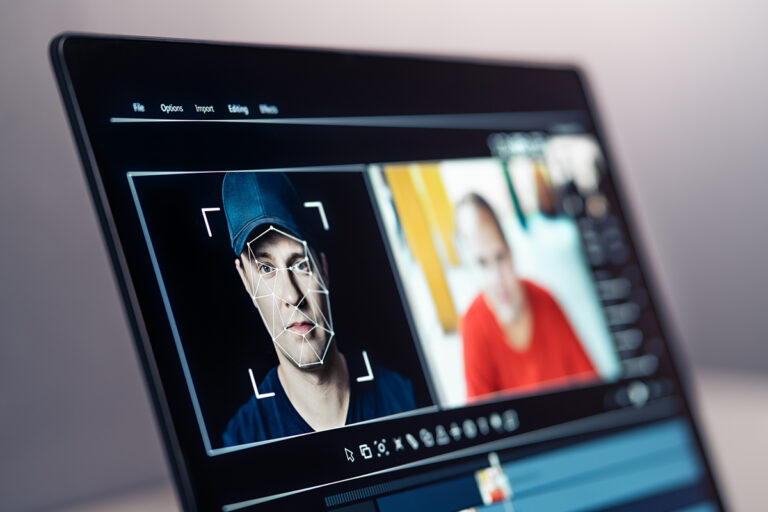
In an era where digital content can be as deceptive as it is compelling, the emergence of AI-generated deepfakes has introduced a complex challenge to discerning truth from fabrication online. The ease of use of platforms such as DALL-E, Midjourney, and OpenAI’s Sora has democratized the creation of eerily realistic images, videos, and audio clips, amplifying concerns about their potential misuse in scams, misinformation, and manipulation of public sentiment.

Despite the sophistication of today’s deepfake technology, it remains possible to distinguish authentic content from AI-crafted illusions. Early versions of deepfakes often left behind clear signs of their artificial origins, like distorted physical features. Yet, as the technology evolved, those easily spotted errors have given way to more nuanced indicators.

Detecting deepfakes now requires a keener eye for subtle details. One common trait of AI-generated images is a certain “too perfect” appearance, particularly in the skin texture of depicted individuals, which may seem overly smooth or shiny. It’s important to note, though, that advances in AI might mitigate these signs, making them less reliable as markers of falsification. Disparities in lighting and shadow, especially where the subject seems more refined than their surroundings, can also hint at manipulation.

Face-swapping deepfakes present their own set of red flags. Mismatches in skin tone around the face or blurred edges can suggest digital tampering. In videos, out-of-sync lip movements or dental details that seem blurry or inconsistent with reality could indicate the content has been altered.

Contextual analysis also offers a critical lens through which to view suspicious content. Evaluating the likelihood of the scenario presented and whether it aligns with the known character and history of the individuals involved can provide valuable insights into the content’s legitimacy. Unusual actions or settings involving public figures, for example, should prompt further scrutiny and verification.

In response to the growing deepfake challenge, AI-based detection solutions have emerged. Tools developed by companies like Microsoft and Intel analyze media files to determine their authenticity, offering a digital means of combating digital deceit. However, the availability of these tools is limited, in part to prevent malicious actors from gaining insights that could help them craft more convincing fakes.

As AI continues to advance, the effectiveness of current detection methods may wane, highlighting the difficulty of relying on the public to pinpoint forgeries. The increasing quality and realism of AI-generated content call for a proactive and educated approach to media consumption, underscoring the importance of maintaining a critical mindset and staying abreast of the latest developments in digital verification techniques.

In confronting the challenge of deepfakes, awareness, and adaptability emerge as key defenses in preserving the integrity of digital content and safeguarding the truth in our increasingly virtual world.

Unlocking the Benefits of Retirement: Credit Cards Tailored for Seniors

Retirement is a phase marked by the promise of relaxation, adventure, and treasured moments with loved ones. Amidst the excitement of this transition, financial security remains a top priority. Credit cards, often underestimated as mere transaction tools, can actually serve as powerful instruments for maximizing rewards and benefits. For seniors embarking on this journey, choosing the right credit card is paramount.

Discover the tailored options available:

Amex Blue Cash Preferred: Maximizing Cashback Rewards

The Amex Blue Cash Preferred card is designed to help seniors make the most of their retirement funds. With an impressive 6% cash back on U.S. supermarket purchases and select U.S. streaming subscriptions (up to $6,000 annually), along with a $7 monthly credit for Disney Bundle streaming services, this card caters perfectly to the everyday needs of retirees.

Additionally, cardholders can enjoy 3% cash back at U.S. gas stations and on transit, as well as a welcome offer of a $250 statement credit upon spending $3,000 within the first six months. Plus, the introductory APR of 0% for 12 months on balance transfers and new purchases adds extra flexibility for managing finances effectively.

Bank of America Travel Rewards: Exploring the World with Ease

For seniors with a passion for travel, the Bank of America Travel Rewards card offers an enticing opportunity. Earn 1.5 points per dollar spent on all purchases, along with a welcome offer of 25,000 points upon spending $1,000 within the first 90 days, providing flexibility and value.

Moreover, enjoy a 0% Intro APR for 15 billing cycles on purchases and balance transfers made within the first 60 days, allowing retirees to make significant purchases or consolidate debt without worrying about interest charges. With no foreign transaction fees, this card is particularly suitable for adventurous seniors eager to explore new destinations in retirement.

U.S. Bank Altitude Go Card: Delighting in Culinary Experiences

Seniors who relish dining out and savoring culinary delights will find the U.S. Bank Altitude Go Card to be an excellent choice. Earn 4X points on dining, takeout, and restaurant delivery, along with 2X points on streaming services, grocery stores, gas stations, and EV charging stations, catering to a diverse range of lifestyle preferences.

With a welcome offer of 20,000 bonus points upon spending $1,000 within the first 90 days, no annual fee, and no foreign transaction fees, the U.S. Bank Altitude Go Card offers convenience and value for retirees seeking to maximize rewards on their everyday purchases.

Navigate Retirement Finances with Tailored Credit Card Solutions

Selecting a credit card tailored to specific needs and preferences can significantly enhance retirees’ quality of life as they navigate financial planning in retirement.

The Amex Blue Cash Preferred, Bank of America Travel Rewards, and U.S. Bank Altitude Go Card emerge as top choices, offering generous rewards, valuable perks, and flexible features designed to enrich the retirement experience.

Whether it’s saving on everyday expenses, embarking on dream vacations, or indulging in culinary delights, these credit cards provide seniors with the means to enjoy their retirement to the fullest.

Novo Nordisk Foundation Collaborates with Eviden to Fund AI Supercomputer for Medical Advancements

In a landmark collaboration set to redefine medical research, the Novo Nordisk Foundation has partnered with Eviden, a leading computing firm from France, to finance the development of an advanced AI supercomputer. Named “Gefion,” this cutting-edge system represents a significant leap towards leveraging artificial intelligence to accelerate the discovery of novel medicines and treatments.

Gefion is poised to emerge as one of the world’s premier computing platforms, equipped with unparalleled capabilities to process vast datasets with exceptional speed and efficiency. Positioned as a trailblazer in technological innovation, Gefion holds the promise of catalyzing breakthroughs in critical areas such as drug discovery, disease diagnosis, and treatment optimization.

Expected to commence pilot projects by the end of the year, Gefion will be housed within Denmark’s national center for AI innovation, serving as a nexus for collaborative research endeavors. This state-of-the-art facility will facilitate interdisciplinary collaboration and knowledge sharing, driving advancements in medical science.

At its core, Gefion utilizes Nvidia’s cutting-edge chip technology, highlighting the indispensable role of advanced computing hardware in enabling transformative discoveries. Leveraging Nvidia’s expertise in AI, Gefion is poised to unlock new frontiers in medical research, facilitating the development of innovative therapies and treatment modalities.

Funding for this ambitious venture originates from the substantial profits generated by Novo Nordisk, a pharmaceutical powerhouse renowned for its groundbreaking contributions to healthcare. Fueled by the widespread adoption of flagship medications like Ozempic and Wegovy, Novo Nordisk’s strategic investments underscore its commitment to driving innovation in medicine.

The collaboration between the Novo Nordisk Foundation and Eviden signifies a crucial step towards harnessing AI’s potential to address complex medical challenges and enhance patient outcomes. Gefion’s emergence as a beacon of innovation in medical research sets the stage for transformative discoveries and paradigm-shifting advancements in healthcare.

In an era marked by unprecedented technological advancements, the fusion of AI and medical research holds promise for revolutionizing healthcare delivery and improving human well-being. As Gefion embarks on its inaugural research endeavors, anticipation mounts for the groundbreaking discoveries and medical breakthroughs that lie ahead.

Impending Famine Looms Over Gaza as Conflict Escalates

As conflict continues to escalate in the Gaza Strip, dire warnings of an impending famine in northern Gaza have emerged. With 70% of the population facing catastrophic hunger, the situation has reached a critical point, according to a report by the Integrated Food Security Phase Classification (IPC). This report, widely regarded as the international authority on hunger crises, highlights the severity of the situation, indicating that half of Gaza’s total population could soon be on the brink of starvation.

The European Union’s top diplomat has labeled the looming famine as “entirely manmade,” underscoring the devastating impact of starvation being used as a weapon of war. Escalating tensions have only exacerbated the humanitarian crisis, with aid deliveries criticized for being too slow and insufficient. Despite mounting pressure from international allies, Israel faces accusations of obstructing aid operations and exacerbating the suffering of Gaza’s population.

In the midst of this crisis, Israeli forces conducted another raid on Gaza’s largest hospital, Shifa Hospital, alleging the presence of Hamas militants. Clashes ensued, resulting in casualties on both sides. This raid, coupled with previous military incursions into civilian infrastructure, has raised concerns about the safety of medical facilities and the protection of civilians in the conflict zone.

The situation in Gaza is dire, with entire neighborhoods in northern Gaza obliterated by the ongoing conflict. Many residents have been reduced to eating animal feed as food supplies dwindle and access to basic necessities remains limited. The Health Ministry reports that at least 27 people, mostly children, have already died from malnutrition and dehydration in the north.

The latest IPC report warns that if the conflict spreads to the densely populated city of Rafah, over a million people could be driven into catastrophic hunger, further exacerbating the humanitarian crisis. Aid distribution is hindered by hostilities, logistical challenges, and the breakdown of law and order in Gaza, leaving many vulnerable populations without essential resources.

The raid on Shifa Hospital trapped thousands inside, including patients, medical staff, and displaced individuals seeking shelter from the violence. Despite assurances of safe passage for civilians, concerns remain about the safety of those trapped within the hospital complex. The Gaza Health Ministry reports that over 30,000 people are currently sheltering at the hospital, highlighting the scale of displacement and the impact of the conflict on civilian populations.

Hamas militants are accused of using civilian facilities, including hospitals, as cover for their operations, leading to Israeli military raids on these facilities. However, concerns have been raised about the disproportionate impact of these raids on civilian infrastructure and the potential violation of international humanitarian law.

As the death toll in Gaza continues to rise, with civilians making up a significant portion of the casualties, international condemnation of the conflict’s escalation has grown. Calls for Israel to facilitate the entry of aid and ensure the protection of civilians have intensified, as the humanitarian crisis in Gaza reaches a critical juncture.

The people of Gaza are facing an unprecedented humanitarian crisis, with the specter of famine looming large over the region. As the conflict rages on, urgent action is needed to alleviate the suffering of civilians and prevent further loss of life in Gaza’s ongoing tragedy.

Apple Strengthens AI Initiatives with Multimodal Models and Potential Collaboration with Google

In a bid to bolster its presence in the realm of artificial intelligence (AI), Apple is stepping up its game, hinting at a potential shift in strategy to keep pace with rivals in the dynamic AI landscape.

The renowned tech company has recently unveiled its latest innovation, a series of multimodal models dubbed MM1. These cutting-edge models possess the ability to interpret and generate diverse data types simultaneously. Armed with advanced reasoning capabilities and adeptness in contextual learning, these models hold promise for future Apple products, including iPhones, Macs, and the Siri virtual assistant.

This unveiling precedes Apple’s eagerly awaited developer conference scheduled for June, where the company is anticipated to roll out a host of new AI features. The integration of MM1 into Apple’s ecosystem could mark a significant stride in enhancing user experiences across its array of devices.

However, amidst its strides in AI, Apple seems to be exploring potential collaborations to expedite its progress in this arena. Rumors are circulating that Apple is in discussions with Google regarding the licensing and integration of Google’s Gemini AI engine into forthcoming iOS 18 features. This potential move suggests Apple’s inclination to leverage Google’s expertise to fortify its AI capabilities, particularly in domains like chatbots and other AI-driven tools.

Despite the attention garnered by Apple’s in-house AI endeavors, some analysts opine that the company’s advancements might still lag behind those of competitors such as OpenAI and Gemini. Nonetheless, the prospect of a partnership with Google underscores Apple’s resolve to broaden its AI prowess and deliver innovative features to its user base.

Apple’s CEO, Tim Cook, has dropped hints about the company’s substantial investments in generative AI, signaling its acknowledgment of the transformative potential of AI technologies. Behind the curtains, Apple has been actively honing its on-device generative AI capabilities and snapping up AI-centric firms like DarwinAI, underscoring its commitment to advancing AI research and development.

Industry analysts perceive the prospective partnership with Google as a strategic maneuver that could yield mutual benefits. For Google, gaining entry into Apple’s ecosystem presents a golden opportunity to expand its footprint and tap into the extensive user base of Apple devices. Furthermore, the integration of Gemini into iOS 18 features could position Google as a prominent player in the AI market, alongside rivals like Microsoft and OpenAI.

Conversely, for Apple, collaborating with Google could furnish the technology and know-how required to hasten the development of AI-driven functionalities for its devices. With nearly 2 billion Apple devices potentially reaping the rewards of Gemini integration, the partnership could unlock fresh avenues for both companies to drive innovation and deliver enriched user experiences.

While the specifics of the prospective partnership are still under negotiation, analysts speculate that it could serve as an endorsement of Google’s generative AI capabilities and aid the company in capturing market share in the fiercely competitive AI landscape. As Apple continues to pump resources into AI research and development, a partnership with Google could herald exciting strides in AI-powered technologies and services for Apple users worldwide.

As the anticipation mounts for Apple’s forthcoming developer conference and the possible unveiling of new AI features, all eyes are on the tech behemoth as it navigates through the ever-evolving realm of artificial intelligence.

Olivia Munn’s Breast Cancer Revelation Sparks Surge in Risk Calculator Usage

Olivia Munn, renowned actor, recently disclosed her battle with breast cancer, shedding light on the importance of proactive health measures. In an Instagram post this week, Munn revealed her diagnosis and subsequent double mastectomy, urging individuals to utilize a breast cancer risk calculator recommended by her.

The tool in question, the Breast Cancer Risk Assessment Tool, hosted on the National Cancer Institute’s website, has seen a surge in visits following Munn’s advocacy. Originally developed in 1989, the calculator has undergone updates to enhance accuracy across diverse ethnicities, encompassing data beyond its initial focus on white women.

Users are prompted to input various factors including age, reproductive history, family medical background, and race/ethnicity. The output yields both a five-year and lifetime risk percentage for developing breast cancer. However, it’s crucial to note that the tool doesn’t provide individual predictions but rather estimates based on aggregated data.

Dr. Elizabeth Comen from Memorial Sloan Kettering Cancer Center underscores the importance of consulting healthcare professionals for accurate assessment and decision-making regarding further diagnostic tests. While the tool is valuable for many, it’s not suitable for everyone. Individuals with specific gene mutations, prior breast cancer diagnoses, or dense breast tissue may require alternative risk assessment methods.

Moreover, the calculator may underestimate risk in certain ethnic groups, particularly Black and Hispanic women. The National Cancer Institute acknowledges ongoing efforts to refine and validate the tool for improved accuracy across diverse populations.

Recognizing the importance of early detection, guidelines for mammograms typically commence at age 40 for women at average risk. However, understanding one’s risk beforehand can empower individuals to make informed healthcare choices.

Beyond diagnostic tools, Dr. Arif Kamal, Chief Patient Officer at the American Cancer Society, highlights lifestyle modifications to mitigate breast cancer risk. Recommendations include adopting a balanced diet, incorporating regular exercise and strength training, limiting alcohol consumption, and avoiding smoking.

Despite the prevalence of breast cancer, proactive measures can significantly reduce the likelihood of its occurrence. Munn’s advocacy serves as a poignant reminder of the importance of early detection and proactive healthcare management. By leveraging accessible tools like the Breast Cancer Risk Assessment Tool and adopting healthy lifestyle practices, individuals can take proactive steps towards minimizing their risk and prioritizing their health and well-being.

Maximizing Your Money: 10 Alternatives to Traditional Checking Accounts

If you’re tired of your money barely earning anything in a traditional checking account, it’s time to consider smarter options. Here are ten alternatives that can help you make the most of your hard-earned cash:

  1. Debt Repayment: Put your money to good use by paying off high-interest debts like credit cards or loans. Not only does this save you money on interest, but it also improves your financial health.
  2. High-Yield Savings Accounts: Modern high-yield savings accounts offer much better interest rates than checking accounts. By parking your extra cash here, you can watch your savings grow faster over time.
  3. 401(k) Contributions: Increase your contributions to a 401(k) retirement plan to secure your future. Take advantage of employer matches to maximize your savings potential and enjoy immediate tax benefits.
  4. Traditional IRA: Save for retirement with a traditional IRA, which offers tax-deductible contributions. With contribution limits of $7,000 ($8,000 for those aged 50 and over) in 2024, you can build a substantial nest egg.
  5. Roth IRA: Enjoy tax-free growth on your retirement investments by contributing to a Roth IRA. Consider maximizing your contributions to take full advantage of this valuable retirement savings tool.
  6. Brokerage Accounts: Diversify your investment portfolio by opening a brokerage account. While there are risks involved, investing in stocks, bonds, and other assets can help you grow your wealth over the long term.
  7. Certificates of Deposit (CDs): CDs offer fixed interest rates for specific terms, making them a secure investment option. With rates often higher than savings accounts, CDs are ideal for conservative investors.
  8. Money Market Accounts (MMAs): MMAs offer higher interest rates than traditional savings accounts while maintaining liquidity. Invested in low-risk securities, MMAs provide a safe way to grow your savings over time.
  9. Health Savings Accounts (HSAs): Take advantage of tax-deductible contributions and tax-free withdrawals with an HSA. Use your HSA to cover medical expenses and enjoy valuable tax benefits in the process.
  10. 529 College Savings Accounts: Start saving for your child’s education with a 529 college savings account. While they don’t offer federal tax deductions, some states provide tax benefits for contributions, making them a smart choice for education savings.

In today’s financial landscape, traditional checking accounts just don’t offer the same returns as other options. By exploring alternatives like retirement accounts, investment portfolios, and specialized savings accounts, you can maximize your money and build a brighter financial future.

Putin Poised for Re-election Amidst Crackdown and Controversy in Russian Presidential Vote

As Russians participate in a presidential election expected to extend President Vladimir Putin’s rule, incidents of vandalism at polling stations have marred the process. A firebombing and the pouring of dyed liquid into ballot boxes have been reported during the three-day election period.

The election takes place against a backdrop of harsh crackdowns on dissent in Russia. Independent media and rights groups face severe restrictions, solidifying Putin’s control over the political system. The ongoing war in Ukraine, now in its third year, further complicates the situation. While Russia has made gains, Ukrainian fighters have launched long-range drone attacks deep inside Russia, challenging the Black Sea fleet.

Despite these challenges, voting has been mostly orderly. However, incidents like a Molotov cocktail thrown onto a polling station’s roof in St. Petersburg and the pouring of green liquid into ballot boxes in Moscow have raised concerns. Interfering with elections in Russia can lead to up to five years in prison.

The lack of suspense in the election arises from Putin running virtually unopposed for his fifth term. His opponents are either imprisoned, in exile, or deceased. The three other candidates on the ballot are low-profile politicians from token opposition parties aligned with the Kremlin.

International observers do not expect the election to be free and fair. The absence of significant observer missions limits independent monitoring. Golos, the election watchdog, has criticized the campaign as practically unnoticeable and the most vapid since 2000.

Controversy surrounds the election’s territorial scope, with Ukraine and the West condemning Russia for holding the vote in Ukrainian regions occupied by Moscow’s forces. This move is viewed as an attempt to use the election’s outcome as evidence of widespread support for the war and Putin’s handling of it.

The opposition has called for protests at the polls for those dissatisfied with Putin or the war. However, the effectiveness of this strategy remains uncertain. Golos has noted that the current elections are unlikely to reflect the true mood of the Russian people, given the limited choices and the crackdown on dissent.

Overall, the election is expected to secure another term for Putin, despite incidents of vandalism, limited political opposition, and a crackdown on dissent, raising questions about the fairness and transparency of the process.

India’s Ban on TikTok: Adapting to Change and Navigating New Platforms

When India banned TikTok and several other Chinese apps in June 2020, over 200 million users were left reeling from the sudden loss of their beloved platform for creativity and entertainment. The ban, following a violent clash on the India-China border, sent shockwaves through the digital community, prompting users to quickly pivot to alternative platforms.

Despite the initial confusion and disappointment, Indian TikTokkers swiftly adapted, exploring alternative platforms to showcase their talents and connect with their audiences. This ban inadvertently created a multibillion-dollar opportunity, with American tech giants seizing the moment to introduce new offerings to fill the void left by TikTok. Instagram rolled out Reels, Google introduced YouTube Shorts, and local alternatives like MX Taka Tak and Moj also experienced a surge in popularity.

While many creators successfully transitioned to these new platforms, not everyone found it easy to rebuild their following. Some struggled to replicate the reach and engagement they had enjoyed on TikTok, highlighting the unique challenges of establishing a presence in a competitive digital landscape.

Despite concerns about TikTok’s data practices and potential Chinese government influence, the ban did not significantly alter the cybersecurity landscape in India. Experts suggest that without a fundamental shift in user awareness regarding the software they use, cybersecurity threats are unlikely to decrease significantly.

The ban also raised questions about the impact on content creators and influencers. While some were able to adapt and thrive on new platforms, others found themselves in a challenging position, struggling to regain their footing. The ban underscored the precarious nature of influencer careers tied to the fortunes of a single platform.

One of the unforeseen challenges of the ban was its impact on mental health. Many users and creators experienced emotional distress and struggled with the sudden loss of their online community. The ban served as a stark reminder of the emotional attachment people can develop to digital platforms and the profound impact their removal can have.

Despite the ban, concerns about content and disinformation persist. Experts note that issues like deepfakes and misinformation remain prevalent, with or without TikTok. The removal of TikTok has not insulated India from these threats, highlighting the complex nature of the digital landscape and the challenges of regulating online content.

India’s ban on TikTok provides valuable lessons for other countries facing similar challenges. It demonstrates the resilience of users in finding alternative platforms and the importance of a diversified digital strategy for content creators and influencers. The ban also underscores the need for robust cybersecurity measures and greater user awareness about the apps and platforms they use. As the digital landscape continues to evolve, these lessons will remain relevant for policymakers, tech companies, and users alike.