Home Blog Page 62

Wind-Powered Cargo Ship Sets Sail on Historic Atlantic Crossing

Marking a groundbreaking moment in sustainable maritime transport, the world’s largest wind-powered cargo vessel, “Anemos,” has successfully completed its first voyage across the Atlantic. The 81-meter (265 feet) long and 13-meter (42 feet) high ship departed from Le Havre, France, on August 16, bound for New York City, arriving with its cargo of premium products.

Onboard the “Anemos” were close to 1,000 pallets of luxury goods, including wine, cognac, gourmet jam, and high-end swimwear. Among the key brands transported were those of Pernod Ricard, the famous French spirits company behind names like Absolut Vodka, Jameson Irish Whiskey, and Beefeater Gin. This voyage stands as a testament to the push for a more sustainable shipping industry, with “Anemos” being specially designed to operate solely on wind power, drastically cutting its carbon emissions.

The wind-powered design of “Anemos” is set to decrease greenhouse gas emissions by up to 90% compared to conventional container ships. Beyond lowering carbon output, the ship also reduces toxic emissions like sulfur and nitrogen oxides, which contribute to global air pollution and climate change. This innovative model demonstrates the shipping industry’s potential to adopt greener transport methods, aligning with the global demand for sustainable solutions.

TransOceanic Wind Transport (TOWT), the company behind the vessel, is committed to driving low-carbon shipping forward. Their ambitious goals include transporting over 72,000 tonnes of goods annually by 2025, helping to eliminate 9,600 tonnes of carbon dioxide each year. Given that international shipping accounts for approximately 3.1% of global carbon emissions—surpassing the annual emissions of countries like Brazil—such innovations could significantly reduce the industry’s environmental footprint.

The global shipping sector plays a crucial role in the world economy, with around 90% of traded goods transported by sea. However, this reliance on fossil fuels has led to heavy carbon emissions. As global trade continues to expand, the pressure to find eco-friendly alternatives intensifies. While wind power alone may not replace conventional fuel entirely, the “Anemos” serves as a tangible example that sustainable shipping is possible, offering hope for future innovation.

The use of wind energy in shipping is not entirely new. Earlier in 2023, another ship, the “Pyxis Ocean,” was fitted with 37.5-meter (123-foot) WindWings sails and sailed across the Pacific from China to Brazil. Though experimental, the voyage offered promising insights into the feasibility of wind-powered shipping on a larger scale.

As “Anemos” continues to make headlines, it signals a potential turning point in the maritime industry’s approach to sustainability. As companies like TOWT continue their efforts, more wind-powered ships could soon be playing a pivotal role in reducing the environmental impact of global trade. The world is on the cusp of a shipping revolution, one driven by innovation and a commitment to greener solutions.


Surgeon General Labels Urged for Social Media by 42 State Leaders

A bipartisan effort by 42 state attorneys general is calling on Congress to mandate Surgeon General warnings on social media apps. This collective action aims to tackle the mounting mental health and addiction issues stemming from excessive use of platforms like TikTok, Instagram, and Snapchat, particularly among younger audiences. The proposal underscores the growing concerns surrounding the influence of these apps on the well-being of young users.

The attorneys general argue that social media apps, driven by complex algorithms, have a detrimental effect on the mental health of children and teenagers. They believe the platforms’ addictive nature contributes to a rising mental health crisis and poses a significant risk to users’ safety. With many teens spending hours each day on these apps, officials are urging Congress to take meaningful action to curb the harmful impact on young users.

Despite ongoing lawsuits against tech giants like Meta and TikTok, state officials say these measures are insufficient. They insist that a national solution, such as a Surgeon General warning, is necessary to alert parents and children to the dangers associated with these platforms. While it may not solve all the issues, the warning label is seen as a crucial step in reducing the risks posed by prolonged social media use.

Growing Momentum for Federal Involvement

The demand for Surgeon General warnings follows a series of warnings from public health leaders, including U.S. Surgeon General Vivek Murthy. In a widely read June opinion piece, Murthy compared the dangers of social media to smoking, emphasizing how these platforms can cause long-term psychological harm, especially in young people.

According to a 2019 study by the American Medical Association, teens who spend more than three hours per day on social media double their chances of developing depression. With teens now spending up to five hours daily on these platforms, the risks have only escalated. These statistics add weight to Murthy’s warnings about the significant impact social media can have on mental health, leaving parents struggling to protect their children from constant exposure to potentially harmful content.

The attorneys general argue that while some state-level legal efforts have made progress, there’s an urgent need for federal action. Parents should be better equipped with tools to safeguard their children’s mental health, and a Surgeon General warning could help raise awareness of the dangers associated with overuse of these platforms.

State Lawsuits and the Push for Congressional Support

New York Attorney General Letitia James, a prominent figure in lawsuits targeting social media companies, has led efforts against Meta, accusing the company of exacerbating the mental health crisis among teens. In a 2023 lawsuit, several states joined forces to hold Meta accountable for its role in the rise of depression and anxiety among young adults.

However, despite these legal battles, the attorneys general assert that further action is needed. They argue that Surgeon General warning labels on social media platforms would serve as a direct way to inform the public about the risks associated with social media use. This proposal requires approval from Congress, but so far, no specific legislation has been introduced to make these warnings mandatory.

Senate Advances the Kids Online Safety Act

While Congress has yet to address the push for warning labels, the Senate has made strides with the passage of the Kids Online Safety Act. Supported by companies like Microsoft, X (formerly Twitter), and Snap, this legislation aims to hold social media platforms accountable for their role in exposing children to harmful content. It also encourages tech companies to take a more proactive role in safeguarding young users.

While the attorneys general welcome this progress, they believe that adding Surgeon General warnings would strengthen these efforts by making the risks more explicit. A warning label could serve as a critical tool in helping parents and children recognize the potential dangers of excessive social media use.

With youth mental health concerns on the rise, the attorneys general are urging Congress to take swift action. By requiring warning labels on social media apps, they hope to reduce the negative impact these platforms have on young people’s mental well-being. The fate of this proposal now lies in the hands of Congress, and its response in the coming months will be pivotal in determining the future of this initiative.

Nurses in DR Congo Struggle as Mpox Outbreak Surges in South Kivu

The ongoing mpox outbreak in the eastern Democratic Republic of Congo has placed immense pressure on medical staff in South Kivu, as they grapple with a rising number of cases and a lack of essential resources. The disease, formerly known as monkeypox, has claimed the lives of over 635 people across the country this year, and health workers on the front lines are desperately awaiting the arrival of vaccines to help curb the spread of infections.

At the epicenter of the outbreak in South Kivu, a treatment center has seen an influx of patients, with more arriving daily, especially babies. Medical professionals report severe shortages of personal protective equipment (PPE) and other critical supplies, raising concerns about their own safety as they continue to treat infected individuals. Many nurses are fearful of contracting mpox and inadvertently spreading it to their families, particularly young children.

Despite the arrival of 200,000 vaccines in the country’s capital, Kinshasa, distribution to the remote regions of South Kivu remains stalled. The vaccines require storage at sub-zero temperatures to maintain their potency, a logistical challenge in the rural and underdeveloped areas most affected by the outbreak. The country’s limited infrastructure, coupled with bad roads, means that transporting these vaccines may take weeks, potentially requiring helicopters for delivery, which will add to the already significant costs.

The outbreak has overwhelmed community clinics, which are now flooded with patients. Facilities that would typically care for around 80 patients a month are now treating nearly 200, with the majority of new cases involving young children. Overcrowding has led to patients being forced to share beds or sleep on the floor, and the clinic has been rationing its dwindling supply of clean water. In some cases, patients are suffering from malnutrition due to the disease, which causes a severe loss of appetite.

The lack of resources has taken a toll on healthcare workers. Many are visibly exhausted, working long hours with minimal support. In the most severely affected areas, some clinics report having only limited medication available for patients and little staff motivation due to the harsh working conditions.

Although the country has struggled with vaccine hesitancy in the past, the devastating effects of mpox have created a growing demand for immunization. The physical toll of the disease, characterized by painful lesions, fever, and weight loss, has led to widespread calls for vaccines, as people desperately hope for relief. In rural areas like Lwiro, a hotspot for the outbreak, medical facilities are seeing the arrival of entire families infected with the virus, making the need for a solution all the more urgent.

The situation in South Kivu is further complicated by ongoing armed conflict between the Congolese army and several rebel groups, particularly the M23 militia. The insecurity in the region has severely disrupted the government’s ability to deliver not only mpox vaccines but also vaccines for other diseases. The fighting has displaced thousands of people, exacerbating the spread of mpox as displaced populations move into overcrowded areas, such as South Kivu, where medical facilities are already struggling.

Local authorities have expressed concern about the impact of the conflict on the country’s ability to respond to the outbreak. With much of the national budget being allocated to military efforts, there are limited funds available for healthcare and social services. This diversion of resources has left clinics underfunded and unprepared to handle the growing health crisis.

The government has pledged to address the challenges caused by the outbreak, but the combination of logistical hurdles, insufficient medical supplies, and ongoing conflict has made the task daunting. Without swift intervention and the rapid distribution of vaccines, the mpox outbreak threatens to continue its deadly toll on vulnerable populations in South Kivu.

In the face of these challenges, healthcare workers remain committed to treating their patients, but they urgently need support to contain the outbreak and protect themselves from the highly contagious virus.

Apple and Google Hit with Multi-Billion EU Fines in Court Decisions

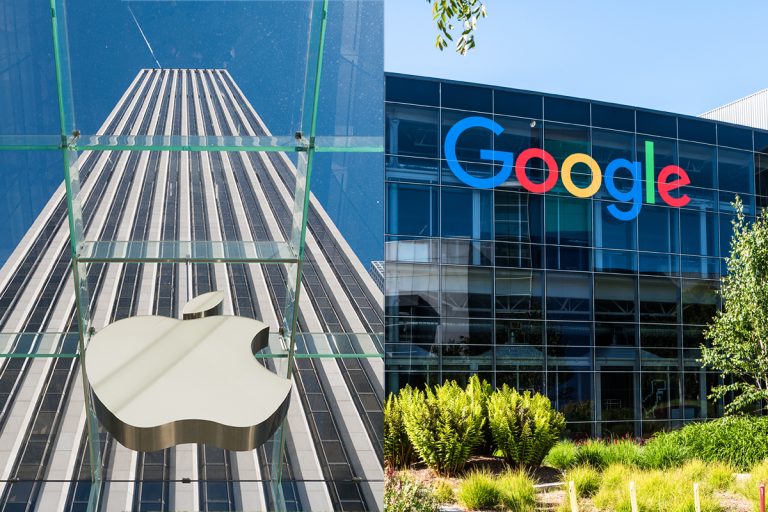
In a significant move against Big Tech, the European Union’s highest court has upheld major financial penalties against both Apple and Google. The European Court of Justice (ECJ) ruled in favor of the EU, confirming that the tech giants must pay billions in fines, reinforcing the bloc’s resolve to regulate the influence of major global corporations.

Apple is facing a hefty €13 billion ($14.4 billion) tax bill owed to Ireland, stemming from an investigation by the European Commission that found the company had benefited from illegal state aid. In a separate ruling, Google was ordered to pay a €2.4 billion ($2.6 billion) fine for its anti-competitive behavior in online search. 

These decisions underscore the EU’s commitment to holding Big Tech accountable and signal a growing trend of stricter regulation in the digital economy.

Apple’s €13 Billion Tax Dispute

The court ruling against Apple confirms the European Commission’s findings that Ireland granted the company unlawful tax benefits. According to the Commission, Apple enjoyed tax breaks that drastically lowered its tax payments, bringing its effective tax rate down to 0.005% in 2014. This allowed Apple to gain an unfair advantage over other businesses in the region.

Apple initially won an appeal against the decision in 2020 when the General Court ruled that the Commission had failed to prove the company had received illegal state aid. However, the ECJ has now reversed that ruling, requiring Apple to pay the €13 billion, which had been held in an escrow account throughout the legal proceedings.

Ireland supported Apple throughout the trial, arguing that its tax arrangements were legitimate. Still, this ruling represents a victory for the European Commission and its ongoing efforts to combat harmful tax practices by multinational corporations.

Google’s €2.4 Billion Antitrust Fine

In a separate but equally important case, the ECJ upheld a €2.4 billion fine imposed on Google for anti-competitive practices. The European Commission had determined that Google abused its dominant position in online search by giving preferential treatment to its own comparison shopping service, harming competitors and limiting consumer choice.

Google challenged the fine but failed to overturn the decision. The court’s ruling upholds the EU’s stance on maintaining competition in the digital marketplace and requires Google to pay the fine in full, as well as cover the Commission’s legal expenses.

This decision sends a strong message to tech companies about the importance of fair competition and reinforces the EU’s role as a global leader in regulating digital markets.

Ongoing EU Efforts to Tackle Big Tech

The rulings against Apple and Google are part of a broader EU strategy to rein in the power of large tech companies. Over the past several years, the EU has introduced tough regulations, such as the General Data Protection Regulation (GDPR), and has launched investigations into the business practices of multinational corporations.

These cases emphasize the EU’s commitment to ensuring transparency, protecting consumers, and maintaining competition in the global market. As the EU continues to fine-tune its regulatory policies, Big Tech companies can expect increased scrutiny of their practices.

A Strong Message for Corporate Accountability

The ECJ’s rulings against Apple and Google highlight the EU’s determination to hold even the most influential corporations accountable. The €13 billion tax bill for Apple and the €2.4 billion antitrust fine for Google underscore the EU’s resolve to create a fairer and more transparent market.

These decisions mark a significant step forward in the EU’s ongoing efforts to regulate Big Tech. As Europe continues to lead the way in shaping global digital policy, these rulings may set important precedents for future regulatory action against other major players in the tech industry.

Nelson Peltz Steps Down as Chair, Wendy’s Begins New Era

Nelson Peltz, a key figure in Wendy’s growth and strategic direction over the past 17 years, has stepped down as chairman of the company’s board, ending an influential era for the fast-food chain. Wendy’s announced that the change would take effect immediately, ushering in a new phase of leadership as the company faces a shifting market landscape.

Peltz’s departure comes during a challenging time for Wendy’s, as the chain contends with declining sales and a shrinking customer base. With inflation affecting the spending habits of low-income consumers, many have opted to dine out less frequently, which has hit fast-food chains like Wendy’s particularly hard. So far this year, Wendy’s has seen its stock price drop by more than 12%, bringing its market value down to $3.45 billion.

Despite these challenges, Wendy’s is poised for a fresh start under new leadership. Earlier this year, Kirk Tanner, a veteran of PepsiCo, stepped into the role of CEO. He has already laid out plans to revitalize the business by investing millions of dollars into upgrades for Wendy’s mobile app and launching a new wave of advertising. The goal is to enhance customer engagement and boost sales in an increasingly digital-driven market. 

Tanner’s appointment is part of a broader leadership restructuring that includes Art Winkleblack, now taking over as non-executive chairman of the board. Winkleblack, who has served as a director at Wendy’s since 2016, brings his extensive experience as the former CFO of H.J. Heinz. His financial background and long-standing involvement with the company position him as a steady hand during this transitional period.

The shift in leadership reflects Wendy’s efforts to address its ongoing challenges and position itself for future growth. While Wendy’s has maintained a loyal customer base, it has struggled to diversify its offerings compared to other fast-food competitors. This lack of diversification has contributed to its recent financial struggles and placed additional pressure on the new management team to explore innovative strategies.

Nelson Peltz, whose Trian Fund Management remains a major shareholder with a 10% stake in Wendy’s, will retain the honorary title of chairman emeritus. Peltz is stepping down to focus on other board commitments and future activities at Trian Partners, a firm he helped establish. Under Peltz’s leadership, Trian first invested in Wendy’s in 2005, quickly becoming one of the company’s largest stakeholders and influencing many of the major strategic moves that followed.

Trian Fund Management continues to hold two seats on Wendy’s board, ensuring that the firm remains involved in the company’s future direction. While Trian explored the possibility of taking over Wendy’s in 2022, the firm ultimately decided against pursuing the acquisition. Even with Peltz’s departure, Trian’s presence in Wendy’s governance is expected to continue playing a role in shaping the company’s long-term strategies.

The transition to Winkleblack’s leadership as chair comes with anticipation about how Wendy’s will navigate the evolving fast-food landscape. With Winkleblack’s background in finance and Tanner’s experience in corporate strategy, the new leadership duo is expected to take a balanced approach to managing Wendy’s business challenges while seeking growth opportunities.

As Wendy’s moves forward with a focus on digital innovation and customer engagement, the leadership team is tasked with addressing consumer trends that have shifted significantly in recent years. In an environment where convenience and technology are increasingly important, Wendy’s hopes that a revitalized digital experience will attract customers back to its restaurants and stabilize its financial performance.

While the departure of a long-standing leader like Nelson Peltz marks the end of an era, it also represents an opportunity for Wendy’s to embrace new strategies and take advantage of the opportunities ahead. With fresh leadership at the helm, the company is positioned to chart a new course and remain a competitive player in the fast-food industry.

Apple Launches iPhone 16: AI Revolutionizes User Experience

Today, Apple is unveiling the highly anticipated iPhone 16 at its annual hardware event. While the device’s exterior may not appear dramatically different, the real buzz centers around its revolutionary internal upgrades. Leading the charge is the introduction of generative artificial intelligence (AI), marking a significant leap forward in iPhone functionality.

The company’s cryptic teaser, “it’s glow time,” has kept enthusiasts guessing, but the spotlight is squarely on the iPhone 16. This launch is not only an opportunity for Apple to captivate consumers but also a chance to solidify its standing in the fast-paced AI arena, which has become crucial for tech giants.

Generative AI Takes Center Stage

Apple’s iPhone 16 is positioned as the first in its lineup to embrace generative AI technology. This innovation will enable users to generate content like text, images, and videos directly from their phones. Everyday tasks such as composing emails, searching for photos, and interacting with Siri will become more fluid and personalized, thanks to AI’s ability to understand and predict user needs.

With AI integrated into the user interface, the iPhone 16 will offer advanced natural language processing, allowing for seamless summarization of messages and personalized responses based on user behavior. This powerful AI functionality aims to redefine how people use their iPhones, providing capabilities that go far beyond what previous models could offer.

Powerful Hardware to Match

To support these cutting-edge AI features, Apple is introducing a new processor chip specifically designed to handle the intensive data processing required. This chip ensures the iPhone 16 can run complex AI tasks efficiently without draining battery life. Alongside this hardware upgrade, the iPhone 16 is rumored to feature a wider display and a more refined design, signaling a step forward in both performance and aesthetics.

Another key feature is the addition of a dedicated camera button, making it easier for users to quickly capture photos, a feature designed to enhance the phone’s usability in everyday scenarios.

Pricing Speculation Builds

As the iPhone 16 launch approaches, one of the most discussed topics is pricing. For the last several years, Apple’s iPhones have had a starting price of $799. However, with the addition of new AI-driven features, analysts anticipate a slight increase in price. Despite this, Apple is expected to tread carefully to ensure that any price hike doesn’t alienate customers. The company’s strategy seems to focus on presenting the AI-powered iPhone 16 as a worthy investment without shocking consumers with a steep price tag.

Reigniting the Upgrade Cycle

Since the launch of the iPhone 12, which introduced 5G, Apple has struggled to deliver significant innovations that drive frequent upgrades. Many users have delayed replacing their older iPhones, leading to a market where roughly 300 million iPhones haven’t been upgraded in more than four years.

If the iPhone 16’s AI features can successfully attract even a portion of these holdouts, it could provide a much-needed sales boost for Apple. Given that iPhones contribute nearly half of the company’s revenue, a successful launch could have far-reaching implications for its financial performance.

What Else Is New? Apple Watch and AirPods

Beyond the iPhone 16, Apple is expected to introduce updates to other popular products, including the Apple Watch and AirPods. The new Apple Watch Series 10 is rumored to feature a thinner design and a larger screen, while low-end and mid-tier AirPods may receive gesture-based controls. These controls would allow users to interact with their AirPods in new ways, such as answering or declining calls with simple head movements.

Additionally, health-conscious users will likely be intrigued by the new Apple Watch software, which is rumored to include vital sign tracking. This feature could notify users of potential illness by monitoring key indicators like body temperature and heart rate.

A Critical Moment for Apple’s Future

As Apple pulls back the curtain on the iPhone 16, there’s more at stake than just a new phone launch. The company’s future growth relies heavily on the success of this new model, particularly with AI now at the forefront of its strategy. Whether or not the iPhone 16 can live up to the hype and reignite consumer interest will be pivotal for Apple as it continues to compete in a fast-evolving tech landscape.

The iPhone 16 may be the key to unlocking Apple’s next chapter, both for consumers and for the company’s long-term vision.

Invest Smart: Why Owning This Hot Stock Could Supercharge Your Portfolio

By: Max Johnson

Good stocks can drive significant economic impact and investor returns.

Take Berkshire Hathaway, the largest finance-related holding company globally. It generated over $364 billion in revenue in 2023.

JPMorgan Chase & Co., another major player, generated $158 billion in revenue in 2023. Similarly, Bank of America Corporation, with $98 billion in revenue in 2023, is equivalent to earning $3,127 per second.

This track record underscores why investing in the holding company sector is a move many savvy investors make. Industry giants highlight this sector’s revenue potential and stability. 

However, while investing in the biggest companies is still a solid strategy, it is often expensive and returns may not be as substantial as they could have been if you had invested in the company during its early stages.

$1,000 invested in Berkshire Hathaway way back in its early stages would be worth $44 million today.

The optimal strategy for large returns is not just to invest in the most prominent players in the sector but also to focus on lesser-known stocks with attractive valuations and the most upside potential.

This is where undervalued companies like Caro Holdings (Ticker: CAHO) excel by providing growth capital and essential tools to help emerging ventures scale globally. Its focus on high-returning strategies, particularly within the booming Direct to Consumer (D2C) sector, positions it for long-term success.

Small Caps Lead the Next Generation of Holding Companies

Investing in holding companies allows you to benefit from a broad range of opportunities within a single investment. Here’s why they are a smart choice:

  • Diversification: Gain exposure to multiple industries through a single investment, reducing risk.
  • Stability: The diversified nature of holding companies’ portfolios leads to more stable and consistent returns over time.
  • Financial Strength: Holding companies often have strong financial structures, enabling them to leverage capital across various ventures effectively.
  • Resilience in Downturns: Their diverse investments help offset losses in one area with gains in another, making them well-positioned to navigate economic downturns.
  • Expert Management: Skilled teams enhance portfolio growth by identifying and nurturing promising businesses.

When considering small-cap holding companies, the potential for outsized gains becomes even more pronounced. These companies are often in the early stages of their growth, making them undervalued compared to their intrinsic value, especially compared to their larger counterparts.

Historically, many leading holding companies began as small caps, turning most of their early investors into millionaires. Investing in these emerging firms now allows for impressive gains as they mature.

CAHO stands out by focusing on industries with exceptional growth potential by partnering with innovative businesses and leveraging its expertise in growth capital, strategically positioned for substantial returns.

Caro Holdings’Strategy in the Booming D2C Market

The direct-to-consumer (D2C) model has transformed e-commerce by linking companies and customers directly, bypassing intermediaries. This approach allows emerging and established brands to boost profit margins and enhance consumer relationships through full control of the shopping experience.

In North America, where the majority of digitally-native D2C brands are focused, e-commerce sales from established brands are expected to exceed $186 billion by 2025, compared to $135 billion generated in 2023.

This growth is driven by the demand for more competitive pricing and fast, free delivery—factors that have made D2C one of the most popular online shopping channels. The top-selling product categories through this model, such as fashion, reflect general e-commerce trends, generating $760 billion in 2024, underscoring the immense potential of this ever-evolving market.

CAHO’s platform has a track record of boosting profit margins by over 30%, streamlining e-commerce operations, and providing crucial support in sales, marketing, and logistics. This expertise makes CAHO a prime investment opportunity in the high-growth D2C sector, as its investments are being positioned for growth.

CAHO represents a compelling opportunity to be part of the next wave of industry leaders, giving early investors a chance to create generational wealth alongside them.

At just $3 a share, CAHO offers an unbeatable entry point for savvy investors looking to diversify right now.

Surge in Restaurant Bankruptcies Highlights Industry Struggles

The restaurant industry is facing a challenging year as a growing number of chains file for bankruptcy. As of 2024, at least ten notable restaurant chains have sought bankruptcy protection, a reflection of broader economic pressures affecting various sectors. These filings come as consumer spending decreases, labor costs rise, and the financial support from the Covid-19 pandemic phases out, creating a tough environment for many dining establishments.

Rising Bankruptcy Filings

The increase in restaurant bankruptcies is part of a larger trend, with Chapter 11 filings climbing by 49% across all industries this year. High interest rates, inflation, and other economic factors have contributed to the financial strain on businesses, leading to a significant uptick in bankruptcy filings. Notable companies outside the restaurant industry, such as the retailer Express, nursing home chain LaVie Care Centers, and Joann Fabrics and Crafts, have also sought bankruptcy protection.

Recent Restaurant Bankruptcies

August alone saw three well-known restaurant chains file for bankruptcy. Roti, a Mediterranean fast-casual chain, filed for Chapter 11 on August 23. The company, which operates 22 locations, attributed its financial woes to a decline in consumer spending and the strategic placement of its restaurants, many of which are located in downtown business districts. Despite efforts to raise funds and secure new investors, the chain could not overcome the recent downturn in spending.

Another chain, Buca di Beppo, filed for bankruptcy on August 5. The Italian American restaurant chain plans to keep 44 of its locations open during its restructuring efforts. Buca di Beppo’s financial struggles have been linked to rising operational costs and labor challenges, issues that have become increasingly common across the industry.

World of Beer, a tavern chain, also sought bankruptcy protection in early August. The chain cited high interest rates, inflation, and a slow return to pre-pandemic dining habits as reasons for its financial difficulties. The company plans to use the bankruptcy process to restructure and close underperforming locations, reflecting a strategic move to stabilize its operations.

Challenges Facing Other Chains

Several other restaurant chains have faced significant financial difficulties this year. Rubio’s, known for its fish tacos, filed for Chapter 11 in June. The chain was pressured by rising food and utility costs, minimum wage hikes in California, and the shift to hybrid work, which reduced lunchtime traffic. Rubio’s had to close 48 underperforming locations and eventually agreed to a sale to an affiliate of TREW Capital.

Melt Bar & Grilled, a Cleveland-based chain specializing in grilled cheese sandwiches, also filed for bankruptcy in June. The company struggled with vendor and landlord payments and saw its footprint shrink from 14 locations to just four before seeking bankruptcy protection.

Kuma’s Corner, a Midwestern burger chain, filed for bankruptcy in June as well. Known for its metal- and punk-themed menu items, the chain faced challenges similar to those of other eateries in its segment.

Red Lobster, a well-known seafood chain, filed for bankruptcy in May, attributing its financial struggles to a combination of a difficult macroeconomic environment, an underperforming restaurant footprint, and intense competition. The company faced issues with its “endless shrimp” promotion and expensive lease agreements. A new leadership team is planned if the company successfully exits Chapter 11.

Tijuana Flats, a fast-casual Tex-Mex chain, announced its bankruptcy filing in April, along with new ownership and the closure of 11 restaurants. Sticky’s Finger Joint, a chicken-tender chain, also filed for bankruptcy in April, impacted by rising commodity costs, pandemic-related challenges, and legal expenses.

Portland-based Boxer Ramen filed for bankruptcy protection in February and subsequently closed all its locations by late April, marking the end of the chain’s operations after more than a decade.

Outlook for the Industry

The surge in restaurant bankruptcies is indicative of the broader economic challenges facing the industry. With high interest rates and inflation continuing to pressure businesses, more chains could potentially seek bankruptcy protection before the year ends. 

This trend underscores the importance of strategic financial management and adaptation to changing market conditions for the survival of restaurant businesses in a post-pandemic world.

Increase in AI-Generated Spam Floods Facebook Feeds

Recently, Facebook has seen a noticeable rise in AI-generated spam content invading users’ feeds. People who used to check Facebook to keep up with friends and family are increasingly finding their timelines cluttered with strange, random posts. This sudden increase is largely due to artificial intelligence, raising concerns about both user experience and the potential for harmful exploitation.

From Connecting People to Cluttered Feeds: Facebook’s Shift

The increase in AI-generated spam correlates with Facebook’s strategic shift towards transforming its news feed into more of a “discovery engine.” This shift emphasizes engaging content rather than just focusing on current events and personal updates. The change was driven by the need to address Facebook’s influence on elections and real-world events, as well as to compete with platforms like TikTok that prioritize entertainment.

Although intended to engage users with diverse content, this change has led to an influx of pointless, sometimes misleading, AI-generated posts. Examples include peculiar computer-generated images like the viral “Shrimp Jesus,” along with recycled memes and snippets from movies. These posts, promoted by Facebook’s algorithm for engagement, often go viral, garnering significant interaction.

The Risks of AI-Generated Content

AI-generated spam is not just annoying; it can also be dangerous. Security experts caution that such content can be weaponized. Some of these spam posts are designed to scam users, tricking them into providing personal information or falling for fraudulent schemes. In more serious instances, pages using spam tactics can be utilized by foreign entities to create division, especially during election seasons.

The ease with which AI tools can produce and spread large volumes of content makes it easier for malicious actors to exploit Facebook’s algorithms. Even small groups or individuals can generate large amounts of fake content with little effort. This rise in low-quality, AI-driven content has been highlighted in Facebook’s most-viewed content reports.

Meta’s Strategy to Combat AI-Generated Spam

To address the growing issue, Meta, Facebook’s parent company, has taken steps to reduce spam and improve user experience. The company is focused on eliminating and minimizing the visibility of spammy content and encourages using high-quality AI tools that comply with community standards. However, the rapid pace of AI advancements and the sheer amount of daily uploads make it challenging to control all AI-generated spam.

Despite these initiatives, spammers still find ways to bypass detection, such as removing metadata from AI-generated images or using tools that don’t leave easily traceable marks. This problem is compounded by Meta’s reduced trust and safety team, following budget cuts similar to those seen across the tech industry. Consequently, Meta relies more on automated moderation systems, which can be outsmarted by sophisticated spammers.

The Ongoing Battle of Content Moderation

The struggle between social media platforms and spammers is like a cat-and-mouse game, with spammers frequently outpacing efforts to ensure trust and safety. Facebook’s algorithm, which prioritizes engaging content, sometimes inadvertently allows spammy, AI-generated posts to slip through. As a result, even users not following any spam pages may encounter such content.

For Facebook, the challenge is to find a balance between promoting engaging content and ensuring a high-quality user experience. While the platform continuously updates its approach and adds safeguards, the rapid evolution of AI and the innovative tactics used by spammers ensure this remains a persistent issue.

Navigating the Challenges of AI in Social Media

The surge of AI-generated spam on Facebook underscores the intricate balance between advancing technology, user engagement strategies, and maintaining online security. As Facebook continues to navigate these complexities, its ability to manage AI-generated content will be vital in keeping the platform a place for genuine connections and meaningful interactions.