Home Blog Page 58

Securing Your Finances: The Role of an Emergency Fund

When thinking about personal finance, many individuals prioritize paying off high-interest credit card debt or saving for retirement. While these are undoubtedly crucial goals that contribute to long-term financial health, they may not be the most immediate concern. Many financial advisors suggest that establishing an emergency fund should come first, as it lays the groundwork for a secure financial future.

Understanding the Importance of an Emergency Fund

An emergency fund acts as a protective barrier, safeguarding your finances from unexpected costs that can arise at any moment. Life is full of surprises, and unforeseen expenses can pop up without warning, such as emergency medical treatment, a sudden car breakdown, or a household repair. These situations can quickly lead to bills that add up to hundreds or even thousands of dollars. Without an emergency fund, these unexpected costs could force individuals to stray from their financial plans, interrupt regular savings, and potentially lead to debt that might take years to eliminate.

By setting aside money specifically for emergencies, individuals ensure that they have the cash on hand to cover these unforeseen expenses. This fund is typically kept in a high-yield savings account, which allows it to earn interest while still being easily accessible. Although the amount needed for an emergency fund varies based on personal lifestyle and circumstances, financial experts agree that having some emergency savings is crucial to handle life’s unexpected events.

How to Calculate Your Emergency Fund

The initial step in establishing an emergency fund is deciding on the amount to save. A widely recommended guideline is to save enough to cover three to six months of essential living expenses. This range provides a financial cushion to help manage costs if you lose your job or face other significant disruptions. While some people may choose to include all their monthly expenses, including non-essential ones like entertainment or hobbies, others focus on covering only critical costs like rent, food, and utilities.

For those who feel particularly vulnerable to job loss or anticipate it taking longer to find new employment, saving six to 12 months’ worth of expenses can offer added security. This more extensive emergency fund provides greater financial stability, ensuring that you can weather longer periods of income loss without severe financial strain.

Steps to Building Your Emergency Fund

After determining your savings goal, the next step is to develop a plan to achieve it. If you already have some savings earmarked for emergencies, deduct that amount from your target to find out how much more you need to save. Then, figure out how much you can realistically set aside each month towards your emergency fund. Contributing more each month will help you reach your goal faster but may require cutting back on non-essential spending.

Consistency is key when building an emergency fund. Setting up automatic monthly transfers from your checking account can simplify the process and ensure that you steadily build your fund. By making saving automatic, you are more likely to stick to your plan and reach your financial safety net goal.

Selecting the Right Savings Account

Choosing the right account to hold your emergency savings is vital. High-yield savings accounts are often recommended because they offer higher interest rates compared to standard savings accounts and generally have no maintenance fees. These accounts provide a balance between earning potential and accessibility, allowing you to grow your savings while ensuring that funds are available when needed.

However, many high-yield accounts are available only through online banks, which might lack physical branches or provide limited ATM access. In these cases, you may need to transfer money to a checking account before using it, which could cause a brief delay.

Keeping Your Emergency Fund Up to Date

An emergency fund isn’t something you set up once and then forget about. It’s important to periodically review and adjust your savings to ensure it remains adequate. Major life events, such as a job change, a move, or the birth of a child, can significantly alter your financial needs. Reviewing your emergency fund annually or after significant changes helps keep it aligned with your current situation.

By making an emergency fund a priority, you can create a strong financial foundation, giving you peace of mind and the ability to handle unexpected expenses without derailing your financial goals.


NASA Chooses SpaceX Over Boeing Starliner for Crew Return

Boeing’s Starliner capsule, which has been docked at the International Space Station (ISS) since early June, will return to Earth without the NASA astronauts it initially transported. This decision marks a significant change in plans for both NASA and Boeing. Instead of returning via Starliner, NASA astronauts Butch Wilmore and Suni Williams will come back using SpaceX’s Dragon spacecraft. The adjustment aligns with SpaceX’s upcoming Crew-9 mission, set to launch its ninth regular mission to the ISS for NASA on September 24.

Originally, Wilmore and Williams were scheduled to return shortly after their June arrival, but they will now extend their stay at the ISS by about six more months. Their return journey is planned for February aboard SpaceX’s Crew-9 vehicle. This extension and the switch to SpaceX are in response to the technical issues that have plagued the Starliner capsule.

The Starliner crew flight test was initially designed to be a short mission, lasting approximately nine days. However, this mission has encountered several obstacles, particularly with the capsule’s propulsion system. These issues have led NASA to take a cautious approach, prioritizing astronaut safety over adhering strictly to timelines. The propulsion system’s problems were significant enough to necessitate bringing Starliner back to Earth without crew members, despite the original intention to use it for their return.

NASA’s decision to bring Starliner back empty represents a pivot from its previous stance, where the agency viewed the Boeing capsule as the primary vehicle for returning the crew. The challenges faced during the Starliner mission have been pivotal in this change. NASA has emphasized the need to understand the root causes of the propulsion system failures and to implement design improvements. The goal is to ensure that Starliner can reliably contribute to NASA’s aim of having two competitive companies, Boeing and SpaceX, alternating missions to the ISS.

The ongoing technical difficulties have delayed the crew flight test, a crucial milestone in Boeing’s participation in NASA’s Commercial Crew Program. Despite these setbacks, NASA continues to support Boeing, affirming that Starliner will eventually meet the safety standards required for crewed missions. The agency will conduct another phase of its Flight Readiness Review to determine the appropriate time to bring Starliner back to Earth.

In contrast, SpaceX’s role has become even more vital with the Crew-9 mission adjustments. Originally planned to carry four astronauts, the Crew-9 vehicle will now accommodate only two astronauts to make room for Wilmore and Williams. This adjustment demonstrates SpaceX’s flexibility and readiness to support NASA’s objectives and underscores its reliability as a partner in the Commercial Crew Program.

Boeing has maintained confidence in Starliner’s safety, assuring that it could transport astronauts in an emergency. However, the decision to leave the capsule unmanned reflects a different risk assessment from NASA, which has been more conservative in its approach. The differences in evaluating the situation underscore the complexities involved in human spaceflight and the challenges of ensuring safety in an environment as unforgiving as space.

The Starliner capsule, named “Calypso,” has been stationed at the ISS since its June arrival, during which time NASA and Boeing have been working to understand the propulsion system failures better. The thrusters, a critical component of the spacecraft’s propulsion system, are essential for a safe re-entry and landing. The identified issues with these thrusters have been a central concern for NASA, prompting the decision to delay the crewed return and opt for SpaceX’s Dragon instead.

Boeing’s future in NASA’s Commercial Crew Program hangs in the balance as the company works to resolve these issues. The financial impact has been significant, with Boeing absorbing over $1.5 billion in losses due to the delays and technical problems. However, NASA remains optimistic that Starliner will eventually fulfill its role, ensuring that the United States maintains independent and reliable access to the ISS with multiple partners. 

As NASA and Boeing continue to address these challenges, the safety of astronauts remains the paramount concern, guiding every decision in this complex and evolving mission.

Pavel Durov: The Enigmatic Tech Innovator & Father of 100

Pavel Durov, a name that echoes through the corridors of the tech industry, is widely recognized as a staunch advocate for digital privacy and an innovator in social networking. As the mastermind behind the encrypted messaging platform Telegram, Durov’s journey is marked by a combination of technical brilliance, business acumen, and a personal life that invites as much curiosity as his professional achievements. His story, often likened to those of tech giants like Elon Musk and Mark Zuckerberg, is a blend of ambition, privacy advocacy, and a dash of controversy.

From Russia to the World Stage

Born in 1984 in what was then the Soviet Union, Pavel Durov exhibited a natural aptitude for technology and programming early on, much like his older brother, Nikolai. After spending part of their childhood in Italy, the Durov family returned to Russia following the Soviet Union’s collapse. Their early exposure to computers, particularly the IBM PC XT, laid the groundwork for their future ventures in the digital realm.

In 2006, Pavel Durov launched VKontakte (VK), a social networking site that quickly became known as the “Facebook of Russia.” Under Durov’s leadership, VK dominated the Russian social media scene. However, his unwillingness to compromise on user privacy during politically charged times, especially during the Ukrainian protests in 2013, led to escalating tensions with Russian authorities. By 2014, Durov was ousted from VK, leading him to sell his shares and leave Russia. The platform subsequently came under state influence.

Telegram: A Fortress of Privacy

Pavel Durov’s exit from VK was merely the beginning of his quest to create a truly private communication tool. Inspired by his experiences with government interference, he co-founded Telegram with his brother in 2013. Telegram, designed with robust end-to-end encryption, quickly attracted users who valued privacy and security. Durov’s commitment to protecting user data resonated globally, making Telegram one of the leading messaging apps.

Despite its widespread adoption, Telegram has not been without controversy. Its stringent encryption protocols have drawn criticism from governments and law enforcement agencies, who argue that such features hinder their ability to combat crime and terrorism. In 2018, the Russian government made a high-profile attempt to ban Telegram after Durov refused to hand over encryption keys. The ban, however, proved difficult to enforce and was lifted in 2020, sparking speculation about Durov’s potential concessions to the Russian government. Durov has consistently denied making any compromises on user privacy.

A Life Beyond Technology

While Pavel Durov’s professional endeavors have kept him in the limelight, his personal life has also sparked intrigue. In a surprising revelation, Durov admitted to fathering over 100 children through sperm donations in the last 15 years. This unconventional approach to fatherhood aligns with a growing trend among some wealthy tech figures who see procreation as a means to shape the future.

Durov’s lifestyle, marked by frequent international travel and a preference for living in various countries, has made him a subject of media fascination. Recently, his presence in France attracted legal attention due to concerns over Telegram’s use by criminal elements, highlighting the ongoing conflict between tech companies’ privacy policies and governmental regulatory efforts.

Despite these controversies, Durov remains unwavering in his support for digital freedom and privacy. His dedication to keeping Telegram a secure and private communication tool often puts him at odds with authorities, yet he remains committed to his principles.

The Digital Privacy Vanguard

Pavel Durov’s rise from a tech-savvy youth in post-Soviet Russia to a globally recognized tech mogul underscores the complex dynamics between technological innovation, user privacy, and government oversight. As Telegram’s popularity continues to soar, Durov’s steadfast commitment to encryption and privacy serves both as a personal ethos and a business differentiator. His journey exemplifies the delicate balance tech leaders must navigate in a world increasingly focused on digital privacy and security.

Durov’s path forward will likely continue to intertwine innovation with controversy as he steers Telegram through the evolving landscape of digital privacy and freedom.

Ford Adjusts EV Plans: Delays Production and Cancels SUV in Strategic Realignment

Ford Motor Company has made a series of strategic adjustments to its electric vehicle (EV) strategy, responding to the dynamic challenges of the automotive market. The company announced a delay in the launch of its new all-electric pickup truck at a Tennessee-based plant and canceled its planned three-row electric SUV. These decisions signal a strategic shift as Ford reorients its focus toward hybrid models and electric commercial vehicles, aiming for better profitability and more efficient capital use.

The delay impacts the much-anticipated full-size electric pickup truck, initially scheduled to be produced at Ford’s new $5.6 billion Tennessee plant next year. However, this facility, still under construction, will now begin production in 2027, starting with the full-size pickup. Meanwhile, Ford is also advancing the development of a midsize electric truck through a specialized team in California. This change highlights Ford’s strategy to concentrate on areas where it holds a competitive advantage, particularly in commercial trucks and SUVs.

In another move, Ford announced plans to launch a new electric commercial van by 2026, to be manufactured at its Ohio Assembly Plant. This decision underscores Ford’s commitment to strengthening its foothold in the commercial vehicle market, a sector it views as essential for sustaining profitability within the electric vehicle segment. Ford’s strategic shift is informed by market insights and customer preferences, particularly the growing demand for diverse electrification options within the commercial and hybrid vehicle markets.

The cancellation of the three-row electric SUV represents a major alteration in Ford’s product portfolio. This change will result in a noncash charge of approximately $400 million, linked to the write-down of certain manufacturing assets specific to this product. Additionally, the company expects further costs and cash outlays of up to $1.5 billion as a consequence of these strategic changes. These financial impacts will be accounted for as special items in the quarter they are incurred.

Ford’s shift in strategy also includes a reduction in its capital expenditure on all-electric vehicles, lowering the future investment from 40% to 30%. This adjustment reflects a more cautious approach, recognizing the slower-than-anticipated adoption of EVs and the challenge of making these vehicles profitable. Although this might slow Ford’s initial push into the EV market, the company remains committed to electrification, focusing on sectors that offer stronger returns.

Despite these changes, Ford remains dedicated to its existing all-electric models, including the Ford Mustang Mach-E crossover and the F-150 Lightning pickup truck. Production and updates for these vehicles will continue, ensuring their competitiveness in the evolving EV market.

Ford’s strategic realignment comes at a time when the broader automotive industry is grappling with challenges in EV adoption and profitability. Many automakers are rethinking their EV strategies, and Ford’s approach reflects a need to balance innovation with financial stability.

The company has also announced that it will provide investors with a comprehensive update on its electrification strategy, technological advancements, profitability targets, and capital needs in the first half of 2025. This forthcoming update is expected to offer detailed insights into Ford’s long-term plans and its strategy to navigate the complex electric vehicle market.

Ford’s latest strategic decisions represent a significant realignment of its approach to electric vehicles, focusing on areas with the greatest potential for profitability and competitive advantage. While the delay in production at the Tennessee plant and the cancellation of the three-row SUV are noteworthy, these actions are part of Ford’s broader efforts to secure its long-term success in the rapidly changing automotive landscape.

Drone Delivery Revolutionizes Tourism at the Great Wall of China

Visitors to the Great Wall of China can now enjoy an unparalleled level of convenience as they explore this ancient wonder. Thanks to a recent development by Chinese tech giant Meituan, tourists can have their meals, beverages, and essential supplies delivered directly to them via drone. This groundbreaking service, which was introduced just last week, marks a significant milestone not only for Beijing but also for the rapidly growing drone delivery industry in China.

The drone delivery service is specifically designed for a remote and rugged section of the Great Wall near Beijing, in the southern extension of the Badaling area. This part of the Wall is known for its challenging terrain and historical significance, with no commercial amenities available nearby. For visitors, particularly during the hot summer months, the new drone service offers a much-needed convenience. These drones, which are equipped to operate even in moderate wind and rain, significantly cut down the delivery time—what would be a 50-minute hike is now a swift five-minute flight.

Meituan’s drone service is not limited to delivering food and drinks; it also caters to emergency needs by transporting medical supplies. Each drone is capable of carrying up to 2.3 kilograms (about 5 pounds) per trip, making it a practical solution for tourists requiring quick access to essential items. The service operates daily from 10 a.m. to 4 p.m., with a nominal delivery fee of 4 yuan (56 cents), mirroring the cost of Meituan’s standard urban delivery service. Additionally, after operating hours, these drones play a crucial role in maintaining the cleanliness of the area by transporting waste to nearby recycling facilities.

The entire drone delivery process is highly coordinated. Once an order is placed, a Meituan staff member collects the requested items from a nearby store and brings them to a designated hotel rooftop. The items are then weighed, securely packaged, and attached to a drone. Operating on autopilot, the drone transports the package to a designated watchtower on the Great Wall, where another worker is ready to receive it. Tourists can conveniently pick up their orders from this point, ensuring a smooth and hassle-free experience.

This innovative service is a testament to China’s fast-growing drone delivery sector. As the world’s leading manufacturer and exporter of civilian drones, China has been rapidly expanding its use of drones for various logistical applications. The shift toward drone deliveries began in 2016, when e-commerce giant JD.com conducted its first trial of unmanned aerial vehicles (UAVs) for deliveries in rural regions. These drones, capable of carrying up to 15 kilograms over a distance of 20 kilometers (about 12 miles), drastically reduced delivery times in remote areas, from four hours by car to just 20 minutes.

The success of drone deliveries in rural areas has spurred their adoption in urban settings as well. Meituan completed its first drone delivery in 2021 in Shenzhen, a major tech hub in southern China. Since then, the company has expanded its drone delivery network to include more than 30 routes across multiple cities, including Shanghai, China’s financial capital. To date, these drones have completed over 300,000 orders, proving the efficiency and reliability of drone deliveries in both rural and urban environments.

In cities, Meituan’s drones navigate through densely populated areas by following pre-programmed routes from launch sites, usually located on rooftops, to designated drop-off points. Instead of delivering directly to homes or offices, the drones drop off packages at nearby kiosks where customers can conveniently pick up their orders. This approach has also been implemented in public parks in cities like Shanghai and Shenzhen, further extending the reach of drone deliveries.

China’s rapid advancement in drone delivery technology is closely aligned with the government’s initiative to develop the “low-altitude economy,” which focuses on industries that use aerial vehicles below 1,000 meters (3,281 feet). This sector has been highlighted as a key driver of economic growth in the central government’s work report and is expected to foster further innovation in the field of unmanned aerial systems.

As Meituan’s drone service enhances the visitor experience at the Great Wall of China, the integration of cutting-edge technology into daily life continues to transform how people interact with historic landmarks and navigate the challenges of remote travel. As drone deliveries become more commonplace, their convenience is likely to become an integral part of the tourism experience in China and beyond.

Target Stock Jumps as Q2 Earnings Exceed Expectations Amid Cautious Forecast

Target’s shares experienced a notable rise, climbing over 10% in premarket trading, after the company announced its fiscal second-quarter results. The retailer reported a 3% increase in sales, signaling a return to growth after several quarters of stagnant performance and declining profits. This improvement has been largely driven by an increase in customer visits, both in-store and online, with a particular boost in discretionary spending, including apparel.

Despite this positive momentum, Target remains cautious about the remainder of the year. The company continues to predict that its full-year comparable sales will range from flat to a 2% increase, with the likelihood that growth will hover at the lower end of this spectrum. However, Target has revised its profit forecast upwards, now expecting adjusted earnings per share between $9 and $9.70, compared to its previous estimate of $8.60 to $9.60.

In the second quarter, Target’s earnings per share came in at $2.57, surpassing Wall Street’s expectations of $2.18. The company’s revenue also exceeded projections, reaching $25.45 billion versus the anticipated $25.21 billion. This performance reflects a more than 40% year-over-year increase in net income, which rose to $1.19 billion from $835 million in the same quarter last year.

Digital sales were a key contributor to this growth, rising by 8.7% as more customers utilized same-day services like curbside pickup and home delivery. In-store sales also experienced a slight uptick of 0.7%. This quarter marks the first time in five quarters that Target has reported a gain in comparable sales, which include sales at stores open for at least 13 months as well as online transactions.

To enhance customer loyalty and drive foot traffic, Target has rolled out several strategic initiatives. These include the relaunch of its loyalty program earlier this year and the introduction of a new paid membership, Target Circle 360, which offers perks like free same-day deliveries. Additionally, Target staged its own sales event in July to compete with Amazon’s Prime Day and announced price reductions on around 5,000 frequently purchased items, such as diapers, milk, and paper towels. These strategies have resonated well with customers, leading to increased traffic during the quarter.

Customer traffic across Target’s stores and website increased by 3% year-over-year, although the average shopping basket size saw a slight decrease. Despite this, discretionary sales, which have been under pressure throughout the retail sector, showed signs of recovery. For instance, Target’s apparel sales rose by over 3% during the quarter.

The back-to-school shopping season has also played a crucial role in Target’s recent success, with value-oriented products like $5 backpacks and 25-cent crayons being particularly popular. The back-to-college shopping season, which typically extends over a longer period, is also performing in line with the company’s expectations.

While Target’s stock has risen by about 1% so far this year, it remains behind the S&P 500, which has gained around 17% during the same period. Nevertheless, the company’s strong second-quarter results and strategic initiatives have positioned it well for the coming months, even as it faces an uncertain economic outlook.

Navigating the Intersection of Sports and Life: Mental Health of Latin American Athletes

Athletes in Latin America and the Caribbean face distinctive challenges as they attempt to balance their sports careers with education and work commitments. Recent research highlights how these critical decisions can significantly influence their mental health and overall life balance. The study, titled “Career Trajectories of Junior Athletes in Latin America and the Caribbean and their Relationship with Mental Health,” published in the International Journal of Sport and Exercise Psychology, provides essential insights into how these young athletes manage the complexities of their dual responsibilities.

A key takeaway from the study is the importance of the career choices athletes must make, which can shape their future paths. These decisions often involve weighing the priority of their sports careers against the need to continue their education, secure employment, or even step away from sports entirely. The choices they make can deeply impact their mental well-being, influencing how they navigate the different aspects of their lives.

The research identifies several distinct career trajectories that athletes in this region tend to follow. Some choose to focus solely on sports, a path known as the linear trajectory, while others strive to balance sports with education or work, referred to as convergent or parallel trajectories. Alternatively, the divergent trajectory occurs when athletes drop one area of their life, such as sports or education, due to the overwhelming pressure of trying to manage both. The study emphasizes the dual career (DC) pathway, where athletes combine sports with education or work, noting that this approach generally supports better mental health. However, managing a dual career is not without its challenges, as it requires athletes to maintain a delicate balance between multiple life demands.

Athletes’ mental health goes beyond merely preventing illness; it involves their overall well-being, social functioning, and ability to cope with life’s challenges. The study revealed that athletes who successfully balance a dual career tend to experience better mental health compared to those who focus exclusively on sports or try to manage too many responsibilities simultaneously. Pursuing education or work alongside their athletic endeavors can help athletes reduce some of the stress associated with their sports careers, offering them a way to step back and recharge when needed.

Despite the critical importance of balancing life and sports, research on the mental health and career trajectories of athletes in Latin America and the Caribbean remains limited compared to similar studies in North America and Europe. The study points out the lack of adequate technical and financial support available to athletes in this region, as well as the common trend of athletes migrating in search of better opportunities. These challenges highlight the urgent need for more focused research and support systems designed to meet the unique needs of athletes in Latin America and the Caribbean.

The findings of this study underscore the importance of achieving an optimal balance among various aspects of life to ensure sustainable and safe athletic careers. To promote this balance, the study recommends the development and implementation of sport-specific policies that foster environments conducive to dual career development. Furthermore, Career Assistance Programs (CAPs) should be established to help athletes make informed decisions during critical career transitions, enabling them to maintain their mental health while pursuing their athletic ambitions.

As the first study to explore these issues within the context of Latin America and the Caribbean, this research provides crucial insights and calls for immediate action to support the mental health and career development of athletes in this region.

British Tech Mogul Mike Lynch Feared Missing After Yacht Tragedy Near Sicily

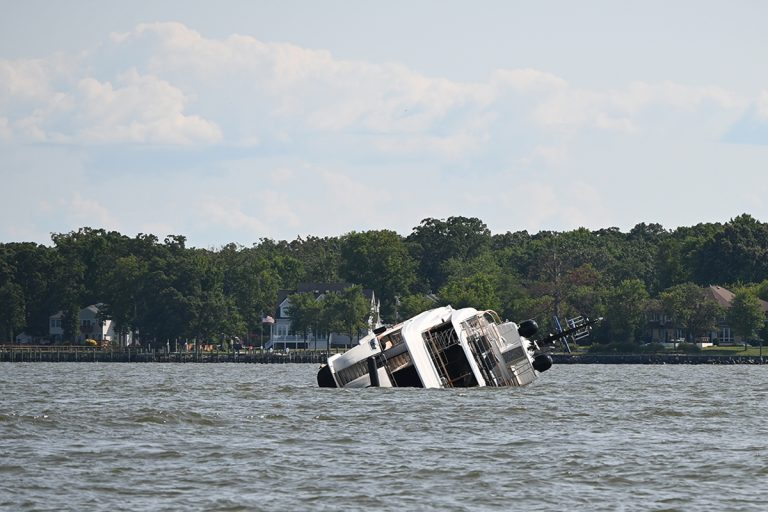
Mike Lynch, a 59-year-old British tech mogul, is feared missing after his superyacht sank off the coast of Sicily, Italy. The yacht, known as the Bayesian, was tragically destroyed when a powerful tornado hit early Monday morning. Lynch, celebrated for cofounding the tech giant Autonomy, was aboard the vessel when the disaster struck.

Lynch’s journey in the tech sector has been both influential and controversial. He gained recognition after cofounding Autonomy in 1996, a company that rapidly grew to become the UK’s largest software firm and earned a spot on the prestigious FTSE 100 index. Autonomy’s success made Lynch a respected figure among academics and technology experts. His contributions to the field even led to invitations from the British government to offer guidance on technology and innovation strategies.

In 2011, Lynch orchestrated the sale of Autonomy to Hewlett-Packard (HP) for a staggering $11 billion, a deal that stands as one of the largest in the history of British technology. However, the acquisition quickly turned sour, with HP slashing Autonomy’s value by $8.8 billion within a year. The deal, initially intended to bolster HP’s software division, instead spiraled into a protracted legal battle.

Lynch and former Autonomy CFO Stephen Chamberlain faced allegations of inflating company revenue figures prior to the sale. The case culminated in a high-profile fraud trial, where Lynch was ultimately acquitted of all charges, including conspiracy and wire fraud, in a San Francisco court this past June. Lynch’s personal fortune is estimated to be around $450 million.

The Bayesian, the superyacht involved in the tragic incident, is tied to Lynch’s wife, Angela Bacares, through Revtom Limited, a company she owns, registered in the Isle of Man. The 56-meter yacht was carrying several passengers when it was overwhelmed by severe weather conditions, leading to its sinking. 

Rescue teams swiftly responded, saving fifteen people from the wreck. A child was among the survivors and was taken to a children’s hospital in Palermo, while eight others required medical attention. Unfortunately, one body was found on the yacht’s hull, as reported by the Italian Coast Guard.

The sinking of the Bayesian adds a grim chapter to what has been a challenging year for Lynch. As search operations continue, the tech industry anxiously awaits news, hoping for Lynch’s safe recovery. His potential loss would leave a notable gap in the industry, where his contributions have been significant despite the controversies that have accompanied his career.

Authorities are actively investigating the incident, focusing on the violent storm that led to the yacht’s destruction. The event has sent shockwaves through the business community and serves as a stark reminder of the devastating power of nature, which can upend even the most secure and luxurious environments.

Starting Retirement Savings at 30: Why It’s Crucial

Many young adults in their 30s might not consider retirement a pressing concern. With decades ahead before reaching retirement age, it’s easy to prioritize other financial goals over long-term savings. However, financial experts emphasize that 30 is an ideal age to begin saving for retirement, providing significant advantages over starting later in life.

Early Savings Provide Long-Term Benefits

The earlier you start saving for retirement, the better off you’ll be. At 30, you still have the advantage of time, allowing your investments to grow significantly over the years. The average retirement savings for Americans under 35 currently stands at $18,800, according to Federal Reserve data. While this might seem modest, starting early gives your money more time to compound, making it easier to build a substantial nest egg with smaller monthly contributions.

If you delay saving until your 40s or 50s, you’ll need to contribute much more each month to reach the same retirement goals. For example, to retire at 65 with $1.5 million, investing at a 10% return from age 30 would require a significantly lower monthly contribution compared to starting at a later age. The S&P 500, which has averaged a 10% return over the last 50 years, serves as a strong benchmark for this kind of long-term growth.

Tax-Advantaged Accounts: A Strategic Approach

One of the most effective ways to begin saving for retirement is through tax-advantaged accounts like 401(k) plans and Individual Retirement Accounts (IRAs). Many employers offer 401(k) plans, allowing employees to contribute directly from their paychecks. These contributions are often tax-deductible, reducing your taxable income in the short term while helping you build a retirement fund.

If a 401(k) isn’t available through your employer, or if you’re looking for additional options, IRAs are another excellent choice. IRAs are available to almost any individual and can be opened through a stock broker. Both traditional and Roth IRAs offer tax benefits, either through tax-deductible contributions or tax-free withdrawals in retirement.

Choosing the right investments within these accounts is also crucial. Target-date funds are a popular choice for those looking for a hands-off approach. These funds automatically adjust their asset allocation based on your target retirement date, gradually becoming more conservative as you approach retirement age. Alternatively, index funds, particularly those that follow the S&P 500, offer broad market exposure and are a solid choice for long-term growth.

The Importance of Starting Small

While it might seem daunting to commit to a significant monthly contribution, the key to successful retirement planning is to start small and stay consistent. Even if you can’t afford to invest hundreds of dollars each month, starting with as little as $25, $50, or $100 can make a difference. The important part is developing the habit of saving regularly.

As your income grows over time, you can gradually increase your contributions. What matters most is getting started now, rather than delaying your retirement planning. The longer you wait, the more challenging it will be to catch up, requiring larger monthly contributions and potentially risking your financial security in retirement.

In ten years, you’ll likely be thankful that you began saving early, even if your initial contributions were modest. The combination of consistent savings, the power of compounding interest, and smart investment choices will position you well for a comfortable retirement.

Final Thoughts

Starting to save for retirement at 30 is not just advisable; it’s a strategic decision that can significantly ease your financial journey toward retirement. By taking advantage of tax-advantaged accounts, choosing the right investment vehicles, and beginning with manageable contributions, you set yourself up for a future where your retirement goals are within reach. The earlier you start, the less financial stress you’ll face later on, allowing you to enjoy your golden years without the burden of playing catch-up.

SpaceX’s Polaris Dawn: Pioneering the First Private Spacewalk

SpaceX is gearing up for a groundbreaking venture with the Polaris Dawn mission, scheduled for launch on August 26, 2024. This mission will mark a significant milestone in private space exploration by conducting the first spacewalk ever carried out by a non-governmental organization.

The Polaris Dawn mission is the first of three flights purchased from SpaceX in 2022 by billionaire Jared Isaacman. Isaacman, who previously led the historic Inspiration4 mission, will once again take the helm. He will be accompanied by Scott Poteet as the pilot, and SpaceX staff Anna Menon and Sarah Gillis, who will serve as the medical officer and mission specialist, respectively.

Aiming to push the frontiers of human spaceflight, Polaris Dawn will follow a free-flying trajectory, reaching altitudes not seen by humans for over fifty years. Rather than targeting specific destinations, the mission will orbit Earth at a high altitude to conduct scientific research and achieve its main goal: a private spacewalk.

Preparation for this ambitious mission has been thorough. The crew has undergone intensive training to handle the extreme conditions of space, including simulations that replicate the pressure and temperature fluctuations of outer space. This rigorous preparation is essential for the mission, as it involves stepping outside the spacecraft—a challenge that no private organization has yet undertaken.

The mission schedule is meticulously designed to ensure safety and efficiency. On the first day, the crew will identify the best launch window to avoid potential hazards from micrometeorite orbital debris. They will then conduct detailed inspections of SpaceX’s Dragon capsule, known as Resilience, to ensure it is fault-free before it reaches its target altitude of 1,400 kilometers.

On the second day, the focus will shift to scientific experiments and final preparations for the spacewalk. The crew plans to conduct approximately forty experiments and will test the new EVA (extravehicular activity) suits developed for the mission. This includes assessing the suits’ performance in microgravity, a crucial step before the actual spacewalk.

The third day will feature the mission’s centerpiece: the spacewalk itself. Isaacman and Gillis will exit the spacecraft, while Poteet and Menon will stay inside to offer support. Expected to last around two hours, the spacewalk will be broadcast live, allowing the public to witness this historic event. The primary goal of the spacewalk is to test and collect data on the new EVA suits, which have been meticulously developed by SpaceX over several years.

The new EVA suits represent a significant leap in technology, building on SpaceX’s existing intravehicular activity (IVA) suits. This development is a key element of the mission, aiming to advance spacesuit technology for future missions to the moon, Mars, and beyond.

Polaris Dawn is not just a mission; it’s a bold stride in private space exploration. Isaacman’s vision for the Polaris Program is to inspire and push the boundaries of what is achievable in space travel. Through this mission, he aims to showcase the potential of private spaceflight and encourage others to dream big about the future of space exploration.

As the launch date approaches, anticipation for the Polaris Dawn mission continues to grow. This trailblazing effort is set to establish a new benchmark for private space missions and contribute valuable insights to the field of human spaceflight.