Home Blog Page 36

Fed Holds Rates Steady as Markets Watch Iran Tensions

Stocks mixed as investors weigh Fed outlook and geopolitics

U.S. markets ended mixed on Wednesday as the Federal Reserve held interest rates steady and investors remained cautious over potential U.S. involvement in Middle East hostilities. The Dow Jones Industrial Average slipped 0.1%, the S&P 500 closed just below the flat line, and the Nasdaq Composite gained 0.1%.

Earlier in the session, all three indexes had risen by around 0.6%, but momentum faded as geopolitical uncertainty and diverging signals from the Fed weighed on sentiment.

Fed keeps rates unchanged, reveals split in rate outlook

The Federal Reserve held its benchmark interest rate steady for the fourth consecutive meeting and released its updated Summary of Economic Projections. The median forecast sees the federal funds rate ending 2025 at 3.9%, implying two 25-basis-point cuts this year. However, officials were divided, with several expecting no cuts at all.

Fed Chair Jerome Powell emphasized the need to monitor inflation closely before committing to rate reductions. “What we are waiting for to reduce rates is to understand what will happen with the tariff inflation,” Powell said. “Ultimately, the cost of the tariffs has to be paid.”

Middle East tensions inject uncertainty

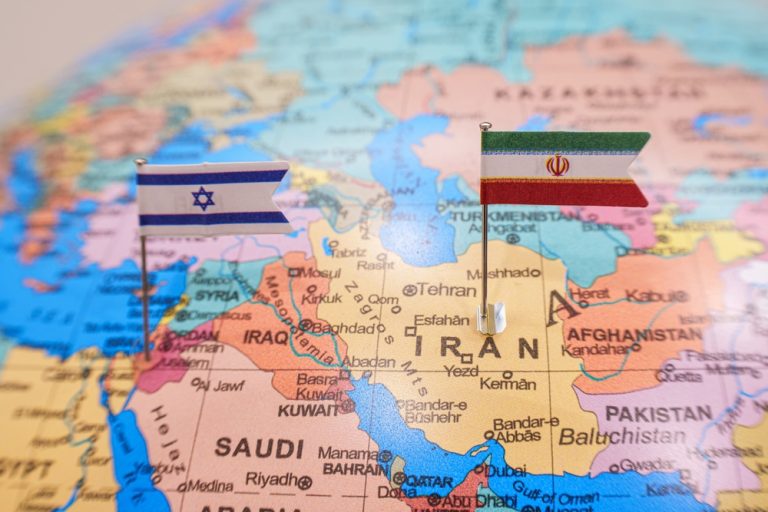
Markets remain on edge over escalating tensions in the Middle East. President Donald Trump declined to confirm whether the U.S. would join Israel in attacking Iranian targets, saying, “I may do it. I may not do it.” Iran has threatened retaliation if the U.S. crosses a red line, including potential missile strikes on American military bases in the region.

The geopolitical uncertainty has added volatility to global markets and contributed to swings in stock prices in recent sessions.

Oil prices steady amid geopolitical risks

Crude prices hovered near recent highs, supported by concerns over supply disruptions. Brent crude traded just above $76 a barrel, while West Texas Intermediate remained below $75. Both benchmarks have seen upward pressure amid the risk of regional escalation.

Thailand Seeks U.S. Tariff Deal as Exports Surge in May

Proposal to reduce tariffs and boost U.S. trade to be submitted Friday

Thailand held critical trade discussions with the United States on Wednesday, aiming to avoid a steep 36% tariff rate threatened by Washington. Thai officials confirmed that a formal proposal will be submitted Friday, just weeks ahead of the July 9 deadline when the current 90-day tariff pause expires. Without a deal, most Thai goods could face sharply higher duties.

According to Commerce Ministry Permanent-Secretary Vuttikrai Leewiraphan, the U.S. outlined five key concerns: tariffs and quotas, non-tariff barriers, digital trade, origin of goods, and economic-security issues. Thailand’s upcoming proposal includes reduced tariffs, increased U.S. imports, and expanded investments to address these points.

Industrial sentiment weakens despite strong export growth

Concerns over trade tensions have pushed industrial sentiment in Thailand to an eight-month low, data from the Federation of Thai Industries showed. Still, Thailand’s export performance remains resilient. May exports surged 18.4% year over year to a record $31 billion, far surpassing the 6.7% gain forecast in a Reuters poll.

Shipments to the U.S. jumped 35%, reflecting front-loading ahead of potential tariffs, while exports to China rose 28%. Overall exports increased 14.9% during the first five months of 2025 compared to a year earlier. Commerce Minister Pichai Naripthaphan expressed confidence that annual export growth will exceed 10%, citing a weaker Thai baht as a tailwind.

Electronics, agriculture drive trade momentum

Thailand’s computer and parts exports surged 104% in May, while agricultural shipments rose 6.8%. Rice export volumes, however, edged down 0.2%. Imports rose 18%, outpacing the expected 13.1% increase, resulting in a trade surplus of $1.12 billion for the month.

Pichai said he remains optimistic about securing favorable terms with the U.S., potentially limiting tariffs to 10%. He also noted the trade sector would be the “hero” of the economy this year, with continued negotiations likely even beyond the July deadline if needed.

FDA Launches Fast-Track Reviews for Key Medicines

New initiative cuts drug review time to as little as 30 days

The U.S. Food and Drug Administration (FDA) announced Tuesday a new fast-track initiative to accelerate the review of medicines deemed critical to American public health. Select drugs could now be approved in just one to two months, a significant reduction from the typical 10-month timeline or even the six months used under the existing accelerated approval program.

FDA Commissioner Marty Makary said the agency would issue a limited number of “national priority vouchers” to companies working on treatments that align with U.S. health priorities, such as public health crises or rare diseases. These vouchers will grant enhanced FDA support, early data submission privileges and streamlined regulatory pathways.

Operation Warp Speed model inspires new approach

The new program draws inspiration from the expedited approval process used for COVID-19 vaccines under Operation Warp Speed. Makary, who joined the agency in April, has advocated for rethinking traditional FDA procedures and reducing red tape without compromising safety.

In a commentary published last week, he argued for “instant reviews” in some cases, particularly where public need is urgent and conventional review cycles may delay access to life-saving drugs.

Criteria broaden, but standards remain

While the initiative provides FDA leadership with broad discretion, White House spokesperson Kush Desai emphasized that the agency’s scientific standards will remain intact. “This is a common-sense reform that maintains rigorous clinical standards while streamlining needless bureaucracy,” he said.

The new program does not replace current FDA pathways but complements them by offering an optional route for products addressing high-priority needs. Areas such as cancer, Alzheimer’s, rare diseases and unmet health conditions may see faster access to potential treatments through this initiative.

Industry welcomes but experts urge caution

Pharmaceutical companies have long pushed for faster drug approvals. However, some medical experts warn that speed should not come at the expense of evidence. The FDA has faced criticism in recent years for approving drugs based on early data that later failed to show patient benefit in larger trials.

Interestingly, this push for accelerated drug reviews contrasts with the FDA’s recently tightened stance on vaccines. Makary and Health Secretary Robert F. Kennedy Jr. have implemented stricter standards, requiring new placebo-controlled trials for vaccine approvals and updated seasonal COVID-19 shots.

Retail Sales Fall 0.9% in May as Tariff Fears Mount

Consumer spending drops despite improved sentiment

Consumer spending declined sharply in May, according to new Commerce Department data released Tuesday. Retail sales fell 0.9% month-over-month, a steeper drop than the 0.6% decline expected by economists surveyed by Dow Jones. The report, adjusted for seasonality but not inflation, reflects growing unease over the economy amid ongoing tariff uncertainty and geopolitical tensions.

This marks the second consecutive monthly decline, following a 0.1% dip in April. On a year-over-year basis, retail sales rose 3.3%.

Auto, gas and restaurant spending lead decline

Motor vehicle and parts dealers saw a sharp 3.5% sales drop, while building material and garden supply stores posted a 2.7% decline. Falling energy prices pushed gas station receipts down 2%. Bars and restaurants also suffered, with sales dropping 0.9%.

Spending had surged in March as consumers front-loaded purchases ahead of President Donald Trump’s “liberation day” tariffs set for April. That momentum has now clearly faded.

Core sales up, but outlook remains cautious

Excluding autos, retail sales were down 0.3%, worse than the expected 0.1% increase. However, the control group — which excludes autos, gas, building materials, and food services — posted a 0.4% increase. This measure is used to calculate consumer spending in GDP and may soften the economic blow.

Some segments showed resilience: miscellaneous retailers gained 2.9%, online sales rose 0.9%, and furniture stores added 1.2%.

Markets react as growth fears persist

Following the release, U.S. stock futures remained in negative territory, and Treasury yields declined, signaling investor concerns about the consumer’s strength. Heather Long, chief economist at Navy Federal Credit Union, said, “Families are wary of higher prices and are being a lot more selective with where they spend their money.”

Despite May’s weak spending figures, consumer sentiment surveys showed slight improvement. Yet the damage from tariff uncertainty continues to weigh on household and business confidence. GDP fell at a 0.2% annualized pace in Q1, though the Atlanta Fed projects a strong rebound to 3.8% growth in Q2 — a number likely to be updated after these retail figures.

In related data, import prices were flat in May, while export prices fell 0.9%, according to the Bureau of Labor Statistics.

Tesla Halts Output Amid Robotaxi Safety Concerns

Cybertruck and Model Y output paused for maintenance amid safety protests

Tesla stock dropped 4% on Tuesday following reports that the company plans to halt production of its Cybertruck and Model Y models at its Austin, Texas factory for a week starting June 30. Business Insider, citing a staff meeting, said the pause will allow for maintenance on production lines. This would mark the third such stoppage at the Austin facility in the past year.

The production news comes just ahead of Tesla’s anticipated June 22 launch of its Model Y robotaxi in Austin. The autonomous vehicle initiative is expected to feature the latest version of Tesla’s “Full Self-Driving” (FSD) technology, which is still under development and not yet approved for public use.

Robotaxi rollout raises new safety and political concerns

Elon Musk recently amplified buzz around the robotaxi launch by reposting a video of a Model Y operating autonomously on Austin roads. But critics remain skeptical of Tesla’s FSD system, pointing to ongoing safety issues. Data from the National Highway Traffic Safety Administration links Tesla’s partially automated driving systems to hundreds of crashes, including dozens of fatalities.

Advocacy groups in Austin have protested both the robotaxi pilot and Musk’s political ties to the Trump administration. The Dawn Project, a safety watchdog critical of Tesla, staged a demonstration last week showing a Tesla vehicle with FSD software failing to stop for a school bus and striking a child-sized mannequin during a test.

Regulatory scrutiny and public pressure intensify

The FSD-equipped robotaxis set to debut in Austin use a future version of Tesla’s software that operates without driver supervision. This version remains unavailable to the public and raises fresh questions about readiness and oversight.

Although Tesla markets its FSD package as a premium option, critics argue that branding the system as “full self-driving” is misleading. The feature suite currently includes automatic lane-keeping, steering, and parking, but still requires driver supervision under U.S. regulations.

Investor sentiment reflects uncertainty

With repeated production halts, high-profile software criticism, and regulatory concerns surrounding the robotaxi rollout, investors appear increasingly cautious. Tesla has not yet responded to requests for comment on the Austin production pause or the public demonstrations.

As the June 22 robotaxi launch date approaches, Tesla faces growing pressure to prove its FSD system’s reliability while balancing manufacturing stability and investor confidence in a volatile EV market.

Italy Investigates AI Firm DeepSeek Over Misinformation

Italy’s antitrust regulator AGCM announced on Monday that it has launched an investigation into Chinese artificial intelligence startup DeepSeek, alleging the company failed to adequately inform users about the risk of inaccurate or misleading content generated by its AI technology.

Investigation Focuses on User Warnings

According to the AGCM, DeepSeek did not provide users with “sufficiently clear, immediate and intelligible” warnings regarding the possibility of so-called AI “hallucinations.” These occur when AI models generate responses containing false, misleading, or entirely fabricated information in response to user prompts.

Concerns Over AI-Generated Content

The regulator emphasized the need for transparency in disclosing the risks associated with AI-generated content. It stated that users must be properly informed about the potential for inaccurate outputs, particularly as AI tools increasingly influence decision-making and information consumption.

Previous Regulatory Action on DeepSeek

This latest investigation follows earlier action by another Italian agency. In February, Italy’s data protection authority ordered DeepSeek to block access to its chatbot after the company failed to adequately address concerns related to its privacy policy and data protection practices.

Company Response Pending

DeepSeek has not yet publicly commented on the latest investigation. The company did not immediately respond to requests for comment on Monday.

As AI tools become more widely adopted, regulators are increasing their scrutiny of how companies communicate risks to users. The Italian antitrust authority’s investigation into DeepSeek highlights growing concerns about transparency, consumer protection, and accountability in the development and deployment of AI technologies.

Israel Inflation Slows, But Geopolitical Risks Remain

Israel’s annual inflation rate eased more than expected in May, offering some relief as price pressures cool. However, the conflict with Iran and ongoing regional tensions continue to pose risks for the country’s inflation outlook and monetary policy decisions.

Inflation Slows but Stays Above Target

Official data released Sunday showed Israel’s inflation rate declined to 3.1% in May, below the 3.4% forecast from a Reuters poll. Despite the drop, inflation remains slightly above the government’s 1% to 3% target range. Inflation had previously peaked at 3.8% in January, marking the highest level since September 2023.

Impact of War-Related Supply Issues

Government officials have largely attributed the rise in inflation over the past year to war-related supply disruptions. The central bank, however, has also cited strong consumer demand as a contributing factor keeping prices elevated. The recent escalation in tensions with Iran has already pushed oil prices higher, adding further uncertainty to the inflation outlook.

Monthly CPI Declines in May

On a monthly basis, Israel’s consumer price index fell 0.3% in May compared to April, following a 1.1% increase the previous month. The decline was driven by lower costs in transportation, telecommunications, fresh vegetables, and housing services. These declines were partially offset by higher prices for fresh fruits, clothing, entertainment, health services, and food. Economists surveyed by Reuters had expected a 0.1% monthly increase.

Central Bank Holds Rates Amid Caution

On May 26, the Bank of Israel kept its benchmark interest rate steady at 4.5%, citing ongoing inflation risks stemming from the conflict with Hamas militants in Gaza. The central bank’s latest projection anticipates a 2.6% inflation rate for 2025. Bank of Israel Governor Amir Yaron emphasized the need for a cautious approach, signaling that policymakers may delay any rate cuts until inflation shows more sustained improvement.

Next Policy Decision Approaching

The Bank of Israel’s next interest rate decision is scheduled for July 7. Policymakers are expected to closely monitor inflation data, oil prices, and the evolving geopolitical situation before making further adjustments to monetary policy.

While May’s inflation data shows progress, Israel’s central bank remains cautious as regional conflicts continue to add uncertainty. Future interest rate decisions will likely depend on both domestic price trends and the broader geopolitical environment in the coming months.

Israel Strikes Iran in Escalating Middle East Conflict

The long-running conflict between Israel and Iran reached a dramatic escalation on Friday as Israel launched a massive air assault on Iranian military and nuclear sites. The strike, involving over 200 fighter jets, triggered a retaliatory missile barrage from Iran, raising fears of a full-scale war in the Middle East with potential global consequences.

Massive Israeli Airstrike Targets Iranian Leadership

Israel’s strikes hit approximately 100 targets across Iran, including Tehran’s main enrichment facility and locations tied to its ballistic missile program. Prime Minister Benjamin Netanyahu confirmed that key military leaders and senior nuclear scientists were among the targets. The Israeli offensive reportedly killed nearly 80 people and injured over 300, according to Iran’s semiofficial Fars news agency, though Iranian authorities have not confirmed these figures.

Iran Responds With Missile and Drone Attacks

In response, Iran launched missiles toward Israel, which were largely intercepted by Israel’s advanced missile defense systems. Heavy smoke was seen over Tel Aviv as debris from intercepted projectiles fell across the city. Israel advised residents to stay near protected areas and limit movement. Five injuries were reported, with one person in moderate condition.

Key Iranian Figures Killed in Israeli Strikes

Among those killed were top military and nuclear leaders, including Mohammad Hossein Bagheri, Iran’s chief of staff, and Hossein Salami, commander in chief of the Islamic Revolutionary Guard Corps (IRGC). Other high-profile casualties included Maj. Gen. Gholam Ali Rashid, nuclear scientist Fereydoon Abbasi, and Shahid Beheshti University’s Mohammad-Mehdi Tehranchi.

U.S. Role and Political Fallout

The United States publicly stated it was not involved in the strikes, but U.S. officials confirmed they assisted Israel in intercepting Iranian missiles. Navy destroyers were deployed off the Israeli coast to help defend against retaliatory attacks. President Donald Trump praised Israel’s execution of the strikes and confirmed recent communication with Israeli President Netanyahu.

Strained Nuclear Negotiations Collapse

The strikes derailed planned nuclear talks between the Trump administration and Tehran, scheduled for Sunday in Oman. Iranian officials immediately withdrew from negotiations. Trump remarked that Iran had “missed the opportunity to make a deal,” though he hinted that some Iranian officials had sought contact with him.

Regional Security Concerns Intensify

U.S. officials expressed concern over possible Iranian retaliation against American forces and civilians in the region, where hundreds of thousands of U.S. citizens reside. Secretary of State Marco Rubio emphasized that the U.S. was not involved in planning the strikes and stated that protecting American personnel remains a top priority.

Ongoing Israel-Iran Tensions

The conflict follows years of proxy battles between Israel and Iran, including attacks on each other’s ships and strikes on Iranian-backed forces in the region. Recent escalations stemmed from Israel’s concerns over Iran’s advancing nuclear program, which the International Atomic Energy Agency determined was out of compliance with international obligations for the first time in two decades.

Background of Recent Clashes

October’s Hamas-led attack on Israel and Israel’s response in Gaza intensified hostilities, with Iran reaffirming its support for Hamas. In recent months, both countries exchanged direct attacks, including Israeli strikes on Lebanon that killed Hezbollah leader Hassan Nasrallah and subsequent Iranian missile barrages against Israel, most of which were intercepted.

Conclusion

Friday’s massive exchange of strikes between Israel and Iran has significantly heightened the risk of broader conflict in the Middle East. With nuclear negotiations in collapse Friday’s massive exchange of strikes between Israel and Iran has significantly heightened the risk of broader conflict in the Middle East. With nuclear negotiations in collapse and top Iranian military leaders killed, the region faces an uncertain and volatile path forward as both sides prepare for potential further escalation.

JBS Debuts on NYSE, Valued at $30 Billion

Brazilian meatpacking giant JBS successfully launched its long-awaited U.S. public market debut on Friday, listing on the New York Stock Exchange under the ticker “JBS.” After years of delays and legal challenges, the company now commands a market capitalization of approximately $30 billion, surpassing rival Tyson Foods in valuation.

Opening Trade and Market Valuation

JBS shares opened at $13.65 per share and closed slightly higher at $13.87. The strong debut values the company above Tyson Foods, which currently holds a market cap of $19.82 billion. The NYSE listing was delayed by one day due to the company’s inability to complete certain operational procedures in time for its scheduled Thursday debut. As part of its dual-listing strategy, JBS had already delisted from the Sao Paulo Exchange in Brazil the previous week.

Global Expansion and Financial Performance

Founded over seventy years ago, JBS has grown into the world’s largest meatpacking company. In 2023, it reported net revenue of $77.2 billion and net income of $2 billion. The company operates extensive operations across Brazil, the United States, and Australia, and holds more than 80% ownership of U.S. poultry giant Pilgrim’s Pride.

Years of Delays and Legal Hurdles

JBS’s U.S. listing has been more than 15 years in the making. Initial plans for a U.S. IPO were first announced in 2009 but were repeatedly postponed. In 2016, the company revived its IPO plans as part of a corporate restructuring, only to face corruption investigations months later. The Brazilian government launched probes into bribery involving JBS and its top executives, derailing the public listing effort.

Corruption Scandals and Settlements

In 2017, J&F Investimentos, the controlling shareholder of JBS, paid a $3.2 billion fine to resolve bribery charges. Former chairman Joesley Batista and CEO Wesley Batista cooperated with prosecutors, avoiding prison sentences. In 2020, J&F also settled with the U.S. Securities and Exchange Commission for approximately $27 million. Although the Batistas exited J&F following the scandal, they rejoined JBS’s board last year after being acquitted of insider trading charges.

Environmental Violations and Political Scrutiny

JBS faced further controversy in October when the Brazilian government fined the company for purchasing cattle raised illegally in protected areas of the Amazon. Its history of corruption and environmental violations prompted bipartisan opposition in the U.S. to its listing. Despite these concerns, the SEC approved the NYSE listing in April, and JBS shareholders narrowly approved the move in May.

Political Contributions and Regulatory Approval

Following President Trump’s reelection, Pilgrim’s Pride, a JBS subsidiary, contributed $5 million to Trump’s inauguration committee, making it the single largest donor. The company emphasized its bipartisan political engagement and stated its commitment to working with the new administration. With regulatory approval secured, JBS has now completed its long-delayed entry into U.S. public markets.

Conclusion

JBS’s successful NYSE debut marks a significant milestone for the world’s largest meatpacker, capping years of legal challenges and political controversy. With a $30 billion market capitalization and global operations, JBS now enters the U.S. market as a formidable player in the global food industry.

BioNTech Acquires CureVac for $1.25 Billion in Share Deal

Deal Overview

German biotech firm BioNTech has announced the acquisition of its rival CureVac for approximately $1.25 billion in BioNTech shares. This move aims to enhance BioNTech’s capabilities in developing new mRNA-based cancer treatments. CureVac shareholders will receive a 55% premium over the three-month average share price, resulting in a 4%-6% stake in BioNTech following the transaction.

Market Reactions

CureVac’s shares surged by 27%, reaching a five-month high and valuing the company at €1.04 billion ($1.2 billion). In contrast, BioNTech’s shares fell by 2% by mid-day trading. The deal marks a significant step for BioNTech, reinforcing its focus on cancer immunotherapy after its success with Pfizer’s COVID-19 vaccine partnership.

Strengthening mRNA-Based Cancer Research

The acquisition underscores BioNTech’s ongoing efforts to advance mRNA technology beyond COVID-19 vaccines, aiming to develop and commercialize mRNA-based cancer treatments. BioNTech plans to bolster its research, development, and manufacturing capabilities in the oncology field, using CureVac’s technology to support these objectives.

Shifting Focus for CureVac

CureVac, which has recently shifted its focus to oncology, had sold its influenza and COVID-19 vaccine development rights to GSK last year. The company had also previously faced setbacks, including job cuts, after failing to develop a successful mRNA-based COVID vaccine during the pandemic.

Legal Implications and Settlement

The deal also marks the end of CureVac’s long-standing legal dispute with BioNTech regarding alleged mRNA patent infringements. This agreement resolves the years of legal tensions and sets the stage for collaboration instead of competition in the mRNA space.

Exchange Terms and Support

The transaction will see each CureVac share exchanged for approximately $5.46 in BioNTech ADS, subject to a collar mechanism based on BioNTech’s share price. The deal has garnered backing from significant stakeholders, including Dietmar Hopp, co-founder of SAP SE and a major investor in CureVac. The German government, holding a 13% stake in CureVac, has also expressed support for the creation of a new German biotech powerhouse.