Home Blog Page 35

Gates Foundation Commits $2.5B to Women’s Health

Major Investment Targets Research Gaps

The Bill & Melinda Gates Foundation announced a $2.5 billion commitment over the next five years to accelerate research in women’s health. The funding, which includes several multi-million dollar grants for Boston-area institutions, aims to address the longstanding underinvestment in conditions primarily affecting women, such as maternal health, STIs, and preeclampsia.

This initiative represents one of the largest cumulative investments in women’s health R&D to date, but experts caution that far more is needed to truly close the gender research gap.

Boston Institutions Among Key Beneficiaries

Hospitals, universities, and biotech startups across the Boston region are receiving significant backing from the Gates Foundation as federal research funding contracts under policy shifts from the Trump administration. Agencies like the National Institutes of Health and National Science Foundation have scaled back, leaving a gap the foundation now seeks to partially fill.

Among the recipients:

  • Tufts University: Funding will go toward maternal nutrition programs.
  • Fenway Health: Backed for data collection and STI advocacy efforts.
  • Harvard University: Several schools will use the funds to advance studies on vaginal microbiomes, preeclampsia, and contraceptive technology.

Comanche Biotech Secures $3 Million for Preeclampsia Research

Comanche, a biopharma startup based in Concord, previously supported by the foundation, received a new $3 million grant. The funds will help continue development of RNA-based therapies targeting pre-term preeclampsia and support expansion of its research internationally. Rasa Izadnegahdar, director of maternal, newborn, child nutrition and health at the foundation, confirmed the investment aligns with broader efforts to boost innovation in neglected women’s health areas.

Comanche CEO Scott Johnson noted the company plans to leverage the funding to scale its efforts globally, furthering its mission to bring solutions to underserved populations.

Experts Say More Support Still Needed

Despite the magnitude of the Gates Foundation’s initiative, stakeholders emphasize the need for broader investment. Izadnegahdar acknowledged that while this is the largest concentrated push in women’s health R&D to date, the overall funding ecosystem remains insufficient.

“I don’t think it even starts to scratch the surface,” he said. The sentiment echoes growing concerns that meaningful progress in gender-based health equity will require consistent, systemic support across public and private sectors.
Palantir Eyes Oracle’s Throne in AI Boom

Wedbush Sees Massive Upside for PLTR

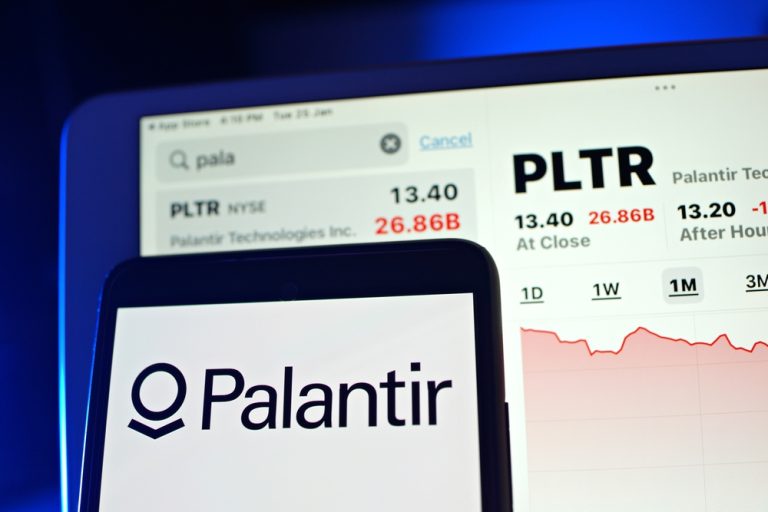
Palantir Technologies has earned a top spot among the best-performing AI stocks of 2025. With growing momentum in artificial intelligence adoption, Wedbush recently raised its price target for Palantir from $140 to $160, maintaining an Outperform rating. The firm highlighted Palantir’s trajectory as a potential successor to Oracle, driven by its enterprise-grade AI solutions and expanding customer base.

Palantir’s AI Platform (AIP) is gaining significant traction across industries. Companies are actively adopting its modular technology stack to power use cases ranging from predictive maintenance to national security. According to Wedbush, demand is surging, with clients lining up to access new features and integrations.

AI Platform Becomes Foundational Tech

Wedbush analysts view Palantir’s AI platform as a foundational layer for organizations embracing artificial intelligence. Its ability to integrate, analyze, and deploy insights across massive datasets positions it as a critical tool in the ongoing AI race. Analysts believe this will enable the company to generate more than $1 billion in annual revenue through its U.S. commercial business alone.

This outlook is fueled by Palantir’s dominance in both public and private sectors. The company, known for its deep government roots, has transitioned to becoming a central player in enterprise AI transformations, with applications in defense, healthcare, energy, and finance.

Positioned for the AI Spending Surge

With trillions expected to be spent globally on AI infrastructure and applications over the next decade, Palantir is well-positioned to capture a sizable share of that growth. Its proactive investment in scalable, modular AI tools and a proven track record in high-security environments give it a competitive edge.

Wedbush’s bullish projection underscores market confidence in Palantir’s long-term roadmap and revenue potential, especially as enterprises increase spending on AI-powered data solutions.

Looking Beyond PLTR

Despite Palantir’s strong position, some investors may seek AI stocks with lower valuations and greater near-term upside. Opportunities still exist in less-publicized companies poised to benefit from trends like Trump-era tariffs and the broader onshoring of tech manufacturing. For those looking for alternative plays in the AI space, short-term opportunities in under-the-radar stocks could offer compelling risk-reward profiles.

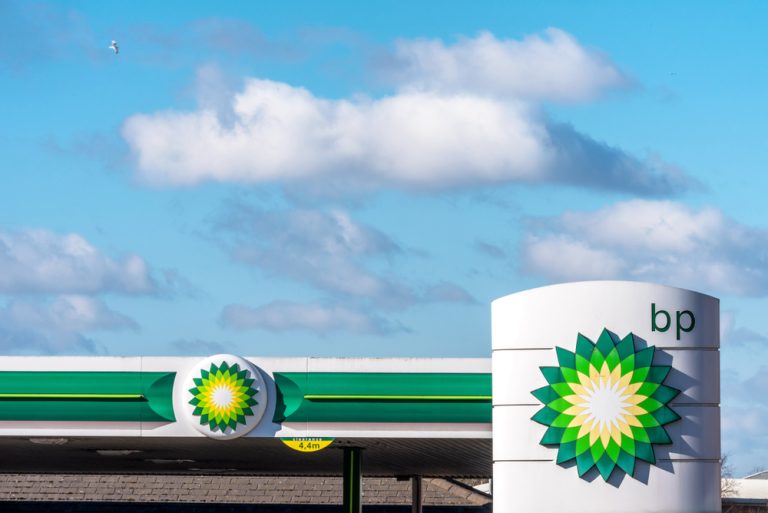
BP Unveils Largest Oil Discovery in 25 Years

Major Offshore Find in Brazil

BP has announced its biggest oil and gas discovery in more than two decades following a successful drilling operation off Brazil’s coast. The well has revealed an estimated 500-meter gross hydrocarbon column, marking a significant milestone for the energy company. While the exact quantity and quality of the reservoir remain unknown, BP has confirmed the presence of oil, gas, and condensates within the site.

Initial tests show elevated levels of carbon dioxide, which could complicate extraction efforts and increase operational costs. Despite this, BP is continuing evaluations to better understand the reservoir’s potential and economic viability.

Part of a Broader Exploration Push

This find is the tenth hydrocarbon discovery made by BP this year, adding to successful wells in Egypt, Libya, Trinidad, the Gulf of Mexico, and other Brazilian sites. The company’s exploration drive signals a strategic pivot back to fossil fuels, following recent investor pressures to improve profitability.

Activist investor Elliott Investment Management recently acquired a stake in BP and urged the company to reorient its focus. In response, BP announced a “fundamental reset” in its approach, scaling back on renewable energy investments in favor of traditional oil and gas production.

Production Goals Through 2035

BP aims to boost its oil and gas output to between 2.3 million and 2.5 million barrels of oil equivalent per day by 2030, with additional growth potential through 2035. That compares with current production levels of approximately 2.36 million barrels per day in 2024.

The Brazil discovery could play a key role in supporting these targets, although full development will depend on further testing and feasibility assessments.

Investor Optimism Ahead of Earnings

The announcement contributed to a modest uptick in BP’s U.S.-listed shares, which rose 1.5% in premarket trading. Since the beginning of the year, BP shares have gained about 7%. Investors now await the company’s second-quarter earnings report, set to be released Tuesday morning, for more insights into how the company plans to integrate its new strategy and discoveries into its growth trajectory.

Trump Orders Drugmakers to Cut U.S. Prices in 60 Days

Letters demand global price parity and refunds to taxpayers

President Donald Trump issued formal letters to 17 major pharmaceutical companies on Thursday, demanding that they lower U.S. prescription drug prices within 60 days. The letters, shared on his Truth Social platform, call for a sweeping shift toward international pricing parity and patient access reforms across Medicaid, Medicare, and private insurance.

Trump instructed the companies to offer their full range of medications to Medicaid recipients at prices equivalent to the lowest available abroad, invoking the so-called “most favored nation” rule. He also demanded pricing parity for all newly approved drugs upon launch and suggested the creation of direct-to-consumer channels for certain medications.

Legal authority unclear, industry pushback expected

While the letters marked Trump’s most aggressive drug pricing move in his second term, legal experts note that executive authority to enforce such measures without Congressional approval is limited. Past attempts to implement the “most favored nation” pricing model faced legal setbacks during Trump’s first term and remain politically contentious.

Tricia Neuman, a health policy expert at KFF, warned that voluntary compliance from drugmakers is unlikely. “Drug prices only come down when compelled by law or competition,” she said, adding that the industry has historically resisted price controls. The letters are expected to trigger significant pushback from drug manufacturers and their lobbying groups.

High U.S. prices under renewed political pressure

Trump’s renewed focus comes amid persistent criticism that Americans pay more for medication than consumers in other wealthy nations. RAND Corporation data shows U.S. drug prices can be up to 10 times higher than abroad. According to recent polls, over 75% of American adults consider medication costs unaffordable.

In May, Trump signed an executive order to revive stalled efforts to implement the “most favored nation” pricing strategy. The new letters escalate that approach by threatening to use “every tool in our arsenal” if companies fail to cooperate voluntarily. Trump also called for revenue earned from higher international prices to be returned to U.S. taxpayers.

Medicare negotiations underway via Biden-era law

The Trump administration’s latest demands arrive as the federal government is already preparing to lower prices through another route. Under the Inflation Reduction Act signed by President Biden, Medicare has begun negotiating prices for the most expensive drugs. The first round of negotiated prices is expected to take effect in 2026, with projected savings of $6 billion.

While that process continues, Trump’s letters add pressure on companies such as Pfizer, Merck, Eli Lilly, Johnson & Johnson, and Novo Nordisk. Some firms, including Novo Nordisk, responded by reaffirming their commitment to affordability but stopped short of agreeing to Trump’s terms. Industry group PhRMA has not yet issued a public statement.

Nvidia Faces China Scrutiny Over AI Chip Security

Chinese probe into H20 chip raises political and market risks

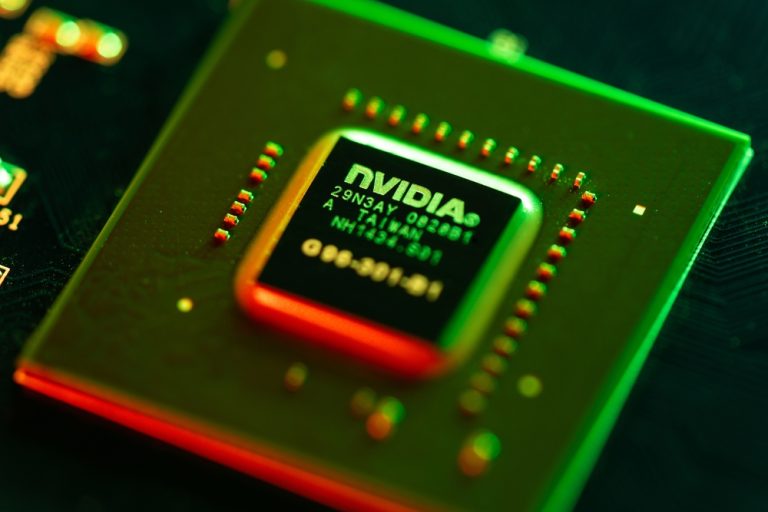
Nvidia stock dipped 2% following news that the Cyberspace Administration of China (CAC) has launched a security review of the company’s H20 chips. The investigation centers on allegations of potential backdoors in Nvidia’s AI hardware, reigniting tensions between Beijing and Silicon Valley over data security and tech dominance.

Chinese state media amplified concerns, framing the review as a protective measure for national cybersecurity. In contrast, Nvidia denied any wrongdoing, telling Reuters that its chips contain no backdoors and reaffirming its commitment to cybersecurity as a top priority. Company representatives have already met with regulators as part of the inquiry, signaling the issue is being taken seriously by both sides.

Timing clashes with chip sales revival and new product rollout

The probe comes at a critical juncture for Nvidia. After being hit hard by U.S. export restrictions that blocked AI chip sales to China, the company had been signaling optimism over a potential rebound in Chinese demand. Nvidia previously estimated it lost $15 billion in sales due to those curbs.

In response, the firm developed a new line of chips, including the Blackwell-based AI processor, specifically tailored for the Chinese market. These products target use cases in factory automation and logistics — key sectors in China’s ongoing industrial upgrade. The H20 chip, at the center of the probe, was one of the main vehicles for re-entering the Chinese AI market under the new regulatory landscape.

China remains both a growth engine and geopolitical risk

Nvidia’s situation highlights a broader dilemma for U.S. tech firms: China offers massive revenue potential but also presents persistent regulatory and political risk. With China acting to tighten control over foreign tech, the possibility of broader restrictions, mandatory security certifications, or outright bans could weigh heavily on future earnings.

Investors are closely monitoring whether the review escalates into further limitations on chip imports or if an independent audit could ease Beijing’s concerns. A positive resolution would allow Nvidia to maintain a foothold in one of its most important markets, while a breakdown could trigger renewed export losses and ripple across the tech sector.

Investor sentiment turns cautious amid mounting pressure

While Nvidia has outperformed in 2025 due to its leadership in AI infrastructure, the ongoing tensions with China now present a new source of volatility. Analysts warn that even unproven security claims can damage market confidence if they prompt new compliance burdens or delay product rollouts.

As geopolitical scrutiny of advanced AI chips intensifies, Nvidia’s ability to navigate both U.S. restrictions and Chinese oversight will be crucial. The current probe may serve as a litmus test for how resilient the company’s international strategy is under dueling regulatory regimes.

Novo Nordisk Slumps After Downgrade and Weaker Outlook

Stock dips for third straight day amid revised guidance

Novo Nordisk A/S (NYSE:NVO) extended its decline on Wednesday, falling 7.25% to close at $50.03 per share. The drop marks the company’s third consecutive day of losses, triggered by a downgrade from Bank of America. The investment firm cut its rating from “buy” to “neutral” and lowered the price target from 550 to 375 Danish kroner.

The move followed Novo Nordisk’s updated financial guidance, which projected slower growth for the remainder of the year. The company now expects full-year sales growth between 8% and 14%, down from its earlier estimate of 13% to 21%. Similarly, operating income is forecast to grow 10% to 16%, compared to the previous range of 16% to 24%.

Blockbuster drug outlook weighs on forecasts

The revised projections reflect weaker-than-expected demand for Novo Nordisk’s high-profile drugs, Wegovy and Ozempic. The company cited several factors impacting sales, including increased use of compounded GLP-1 medications, slower market expansion, and heightened competition in the weight-loss and diabetes treatment sectors.

In the U.S. market specifically, Wegovy sales are expected to underperform as compounded alternatives continue to gain traction. The company indicated these dynamics have created headwinds that are likely to persist into the second half of the year, putting additional pressure on growth targets.

Leadership transition as veteran executive takes the helm

Adding to the shifting landscape, Novo Nordisk announced a change in leadership. Maziar Mike Doustdar, a company veteran, will assume the role of CEO effective August 7, 2025. He succeeds Lars Fruergaard Jørgensen, who was removed amid growing concerns over the company’s strategic direction and recent performance.

The appointment comes at a critical time as the company navigates evolving competitive pressures and seeks to reassure investors about its long-term strategy. Doustdar, who has held multiple senior roles within Novo Nordisk, is expected to focus on stabilizing sales performance and refining the company’s market approach.

Investor sentiment shifts toward alternative opportunities

While Novo Nordisk remains a key player in the global pharmaceutical space, its recent stock volatility and lowered outlook have prompted some investors to explore other sectors. Notably, attention is shifting toward AI-related companies that may benefit from macroeconomic trends such as tariffs and supply chain realignment.

The contrast between Novo Nordisk’s current trajectory and the perceived growth potential in AI underscores a broader shift in investor priorities. As risk appetite adjusts, companies with exposure to emerging technologies and domestic manufacturing may present more compelling near-term opportunities.

P&G to Raise Prices Amid Tariff-Driven Cost Surge

Tariffs Force Strategic Price Increases to Protect Margins

Procter & Gamble plans to increase product prices to offset a projected $1 billion hit to profits in the upcoming fiscal year, driven by the Trump administration’s ongoing tariff policy. The consumer goods giant stated that higher import costs are pressuring margins and forcing companies to make tough decisions on pricing and innovation.

CEO Jon Moeller described the tariffs as “inherently inflationary,” noting that while they serve policy purposes, they raise the cost of importation. He emphasized that manufacturers must find a balance between absorbing costs and passing them on to consumers.

Mixed Forecast and Market Response

P&G issued cautious guidance for the fiscal year ahead, expecting earnings per share between $6.83 and $7.09. The bottom of this range falls below analyst estimates of $6.99, though the sales forecast of 0% to 4% growth is above the expected 2% increase.

Despite the conservative outlook, P&G shares rose slightly in premarket trading after the company beat expectations for its fiscal fourth-quarter results. Moeller acknowledged that consumers are shifting toward more affordable alternatives within P&G’s product lines as they adapt to rising prices.

Leadership Transition on the Horizon

Adding to the developments, P&G announced a major executive change. Shailesh Jejurikar, currently Chief Operating Officer, will succeed Moeller as CEO effective January 1, 2026. Jejurikar joined the company in 1989 and has led several key business units, including the Tide-driven fabric care division.

Moeller, who has been with P&G since 1988 and became CEO in November 2021, will step down after a tenure marked by global supply chain disruptions, inflationary pressures, and a shifting consumer landscape. He previously served as both Chief Operating Officer and Chief Financial Officer.

Balancing Innovation and Cost Control

To mitigate the effects of tariff-related cost increases, P&G plans to pair price hikes with product innovations. Moeller noted that the company is working to reduce internal costs and minimize the financial burden on customers, aiming to maintain brand loyalty in a more price-sensitive environment.

The company’s measured approach reflects the broader uncertainty in consumer markets, where inflation and trade policy continue to influence behavior and demand patterns.

Stocks Mixed as Fed Holds Rates, Big Tech Gains

Markets React to Fed Decision and Q2 Economic Data

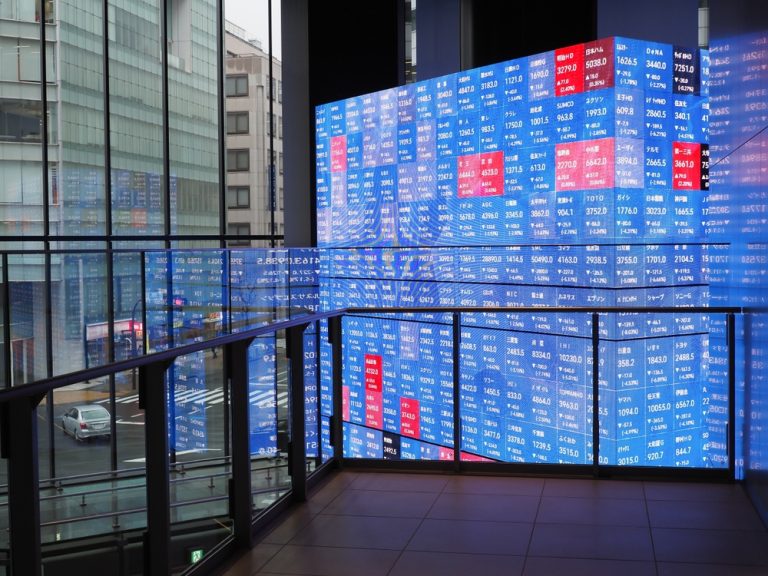
U.S. stocks closed with mixed results on Wednesday after the Federal Reserve decided to leave interest rates unchanged in its July policy meeting. The Dow Jones Industrial Average declined by 0.4%, while the S&P 500 posted a modest 0.1% loss. The Nasdaq Composite, driven by gains in major technology firms, rose 0.2%.

The Fed’s decision to maintain current rates was not unanimous. Governors Christopher Waller and Michelle Bowman dissented, favoring a 0.25 percentage point rate cut. Fed Chair Jerome Powell noted in a press conference that it remains “early days” for assessing the economic effects of recent tariffs and emphasized that no policy change has been determined for September.

Strong Economic Indicators and Political Pressure

Fresh economic indicators released Wednesday showed U.S. GDP rebounding at a 3% annual rate in the second quarter, reversing a first-quarter contraction. In addition, private sector employment grew more than expected, signaling continued labor market strength after a dip in June.

In response to the upbeat figures, President Donald Trump renewed calls for the Federal Reserve to reduce interest rates. Posting on social media, he urged the central bank to act promptly, reiterating his stance that the current rate policy is holding back further economic growth.

Tech Earnings Drive After-Hours Optimism

Following the close of the regular trading session, Microsoft and Meta posted strong earnings that exceeded analysts’ expectations. Microsoft shares surged by 6% on robust cloud revenue, while Meta saw a 10% jump as it reported gains in both advertising and AI-driven business lines. The performance of these firms bolstered the tech sector amid broader market uncertainty.

Trade Deadlines and Global Tensions Ahead

Markets are also closely watching trade developments as a Friday deadline approaches for U.S. trade partners to finalize agreements or face comprehensive tariff hikes. President Trump confirmed that Indian goods will be subject to a 25% tariff starting Friday, suggesting stalled negotiations.

Meanwhile, U.S.-China trade talks concluded without an extension of the existing tariff suspension. Treasury Secretary Scott Bessent indicated that a decision from Trump on the future of tariffs with China is imminent. Investors remain cautious amid the potential for renewed trade disruptions.

Novo Nordisk Slashes Forecast, Names New CEO

Wegovy Growth Slows Amid U.S. Market Pressure

Novo Nordisk announced a sharp cut to its full-year guidance Tuesday as demand for its flagship obesity drug Wegovy softens in the United States. The Danish pharmaceutical company now expects 2025 sales growth between 8% and 14%, down from an earlier projection of 13% to 21%. Operating profit growth is also forecast lower, at 10% to 16%, versus the previous estimate of 16% to 24%.

The lowered outlook sent shares tumbling by as much as 26% before partially recovering to close down 23%. Weaker-than-expected U.S. demand for Wegovy and diabetes drug Ozempic drove the revision. The company cited slower market expansion, persistent use of compounded GLP-1 drugs, and mounting competition.

Leadership Change as Growth Strategy Shifts

Alongside the guidance downgrade, Novo Nordisk announced that company veteran Maziar “Mike” Doustdar will take over as CEO effective August 7. He replaces Lars Fruergaard Jørgensen, who was unexpectedly ousted in May. Doustdar has been with the company since 1992, most recently serving as executive vice president of international operations across Europe and Asia.

Board Chairman Helge Lund expressed confidence in Doustdar’s ability to steer the company through this transitional period, describing him as “the best person to lead Novo Nordisk through its next growth phase.” Doustdar, in his first public remarks, said he brings a “sense of urgency” and is committed to delivering innovation to more patients worldwide.

Competition and Copycats Pressure U.S. Sales

Novo Nordisk continues to battle intense pressure in the U.S. market. The ongoing use of compounded versions of GLP-1-based drugs has undermined Wegovy sales. This surge followed an FDA decision that allowed compounded drugs amid temporary shortages of authorized GLP-1 treatments. The company warned in May that such challenges would impact its performance throughout 2025.

Although Novo Nordisk anticipates these pressures to ease in the second half of the year as the availability of copycat drugs diminishes, investor sentiment remains cautious. Shares have fallen more than 42% since the beginning of the year, reflecting concerns over both competition and inconsistent drug availability.

Pipeline Concerns Add to Market Jitters

Beyond market pressures, Novo Nordisk has faced disappointment in the lab. Recent clinical trials of CagriSema, a next-generation obesity drug candidate, yielded underwhelming results. Combined with aggressive moves from rival pharmaceutical companies, Novo’s dominance in the GLP-1 space is being tested.

The full second-quarter results are scheduled for release on August 6, when investors will be looking for signs of stabilization or further risks to the company’s growth trajectory. For now, Novo Nordisk is focused on rebuilding momentum under new leadership while facing a far more crowded and volatile obesity drug market than it enjoyed just a year ago.

Merck Extends Gardasil Pause in China Through 2025

Demand Weakness Hits Vaccine Sales and Shares

Merck announced Tuesday that it will continue suspending shipments of its Gardasil vaccine to China until at least the end of 2025. The move follows persistent demand weakness in the region and pushed Merck shares down by as much as 8%. The vaccine, which targets human papillomavirus (HPV), had been a major international growth driver for the company alongside its flagship cancer drug Keytruda.

The company had initially paused Gardasil shipments to China in February, expecting the halt to last until mid-2025. However, demand has remained soft, not just in China but also in Japan, where sales have further weighed on Merck’s Asia-Pacific performance. Analysts now expect the headwinds from Asia to extend into 2026.

Leadership Downplays Gardasil’s Financial Role

Despite the sharp decline in Gardasil sales—down 55% year over year to $1.1 billion in the second quarter—Merck’s leadership attempted to calm investor concerns. CFO Caroline Litchfield emphasized that Gardasil China now represents “much less than 1%” of the company’s total business and is not a critical component of Merck’s future growth strategy.

Still, investor skepticism remains. Shares have lost more than 36% in value since Merck first flagged slowing Chinese demand last year. Analysts like Courtney Breen from Bernstein say management’s credibility on Gardasil remains fragile, given the prolonged uncertainty surrounding its recovery.

Cost Cuts and Strategic Refocus

In response to declining vaccine sales and looming patent cliffs, Merck unveiled a $3 billion cost-cutting initiative to be completed by 2027. The plan includes $1.7 billion in annual savings from job cuts in administration, sales, and R&D, as well as reductions in real estate and global manufacturing operations.

CEO Rob Davis said the strategy involves reallocating resources away from slower-growth areas and doubling down on high-potential assets. These include Winrevair and Ohtuvayre, two lung disease treatments recently added through Merck’s $10 billion acquisition of UK-based Verona Pharma.

Keytruda Concerns Remain Despite Earnings Beat

While the second-quarter adjusted earnings of $2.13 per share beat the $2.01 estimate, overall revenue slipped 2% to $15.8 billion, missing expectations. Investors remain cautious about Merck’s long-term outlook, particularly given that Keytruda—the world’s best-selling drug—will lose patent protection by the end of the decade.

James Harlow of Novare Capital Management noted that while the Verona acquisition is a step in the right direction, investors want more tangible signs that Merck can replace Keytruda’s revenue through either new drug development or further M&A activity. The company now expects full-year 2025 earnings of $8.87 to $8.97 per share, slightly above analysts’ projections.