Home Blog Page 24

Major Study Maps Physical Side Effects of 30 Antidepressants

Largest Analysis Yet Offers New Data on Heart, Weight, and Cholesterol Risks

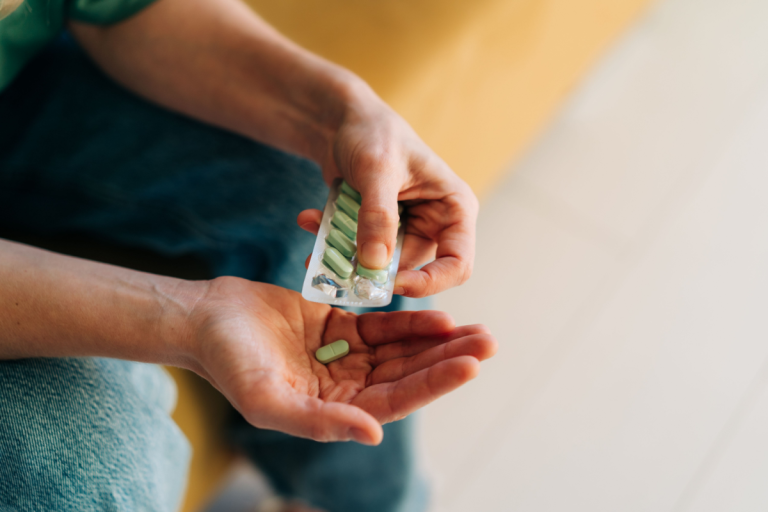
A sweeping new study from King’s College London has compared the physical side effects of 30 common antidepressants, offering the most comprehensive look yet at how these medications impact the body. Published this week in The Lancet, the analysis combines data from more than 150 clinical trials involving over 58,000 patients.

The findings quantify, for the first time, the effects of different antidepressants on weight, heart rate, blood pressure, and cholesterol. “It’s never been done at this scale before,” said lead author Dr. Toby Pillinger, a psychiatrist at King’s College London. “No one’s ever put specific numbers to the amount of weight you’ll put on or how much your cholesterol might go up.”

SSRIs Show Fewer Physical Effects

The research found that selective serotonin reuptake inhibitors (SSRIs)—such as Zoloft and Prozac, the most prescribed antidepressants in the U.S.—tend to have fewer physical side effects compared with older drug classes.

By contrast, some tricyclic antidepressants were linked to more pronounced impacts. For example, nortriptyline users experienced average heart rate increases up to 20 beats higher than those taking the SSRI fluvoxamine. In terms of weight, changes ranged from losses to gains of around four pounds depending on the medication.

Dr. Pillinger emphasized that no single antidepressant is universally “best” or “worst.” “One drug that’s problematic for one person might work perfectly for another,” he said. “The goal is to match treatment to each individual’s health profile and preferences.”

Tools to Personalize Treatment

To help with that, Pillinger’s team created a free digital tool for clinicians that organizes antidepressants by side-effect profiles. The platform allows doctors and patients to build a “menu” of treatment options based on existing health conditions and which side effects are most important to avoid.

Dr. Nina Kraguljac, a psychiatrist at Ohio State University and chair of the American Psychiatric Association’s Council on Research, called the study “well-done and largely reassuring.” She noted that “side effects alone should not guide treatment decisions,” since the findings reflect population averages rather than individual experiences.

Limitations and Context

The study’s data came primarily from eight-week trials, even though most antidepressant users stay on medication for months or years. It also excluded some key side effects, including sexual dysfunction, digestive issues, and “emotional blunting,” which often influence whether patients continue treatment.

Dr. David Hellerstein, a psychiatry professor at Columbia University, said the results reinforce that “most of these drugs seem quite safe on a lot of physical parameters, especially the newer ones like SSRIs and SNRIs.” However, he cautioned that side effects can still be important for certain patients and might shape which medication is prescribed.

Hellerstein added that side effects can sometimes be beneficial, depending on the patient’s condition. “If someone lost a lot of weight due to depression, an antidepressant that increases weight could actually be helpful,” he said. “That’s not a side effect—that’s a therapeutic effect.”

Overall, experts agree the study provides valuable data to help doctors personalize antidepressant treatment, balancing mental health benefits with physical well-being.
Meta Cuts 600 AI Jobs as Superintelligence Lab Restructures

Layoffs Follow Company’s Push for Efficiency and Reorganization

Meta is laying off around 600 employees from its superintelligence lab as part of a broader restructuring of its artificial intelligence operations, according to a memo from the company’s chief AI officer, Alexandr Wang, obtained by Axios on Wednesday. The tech giant confirmed the accuracy of the report to TechCrunch but declined to provide additional comment.

The cuts mark another shift in Meta’s long-term AI strategy as it competes with major rivals like OpenAI, Anthropic, and Google in the race to build advanced AI systems. The move comes after an aggressive hiring spree earlier this year, during which Meta reportedly recruited more than 50 top researchers from competing firms, offering multimillion-dollar compensation packages to lure them away.

“Fewer Conversations, More Impact”

In the memo to employees, Wang said the restructuring is meant to streamline decision-making and give remaining team members more autonomy and influence. “By reducing the size of our team, fewer conversations will be required to make a decision, and each person will be more load-bearing and have more scope and impact,” he wrote.

The comments align with Meta CEO Mark Zuckerberg’s ongoing “year of efficiency” campaign, a corporate mantra that has become synonymous with cost-cutting and organizational consolidation. Since 2023, Meta has trimmed thousands of roles across multiple divisions, positioning itself as a leaner and faster-moving company focused on profitability and technological innovation.

Reorganization, Not Retrenchment

Despite the layoffs, sources familiar with the matter told Axios that Meta’s overall headcount is unlikely to shrink significantly. The company said most of the employees affected by the cuts will have opportunities to transfer into other roles within Meta’s broader AI and infrastructure divisions.

The reorganization reflects Meta’s shifting priorities as it seeks to consolidate overlapping research projects and strengthen coordination across its AI units. The company has been investing heavily in building general-purpose AI models and integrating them into products like Facebook, Instagram, and its metaverse applications.

Meta’s Broader AI Ambitions

Meta’s AI strategy has become increasingly ambitious, with efforts to catch up to competitors in both foundational model development and applied AI products. The company’s superintelligence lab, which focuses on long-term AI safety and advanced model alignment, was established to push Meta closer to the frontier of artificial general intelligence (AGI).

While the restructuring may slow certain projects in the short term, analysts suggest it could help Meta concentrate resources on its most promising research areas, reducing internal redundancy and accelerating the rollout of next-generation AI tools.

For now, Meta continues to balance its dual priorities — maintaining profitability and staying competitive in the AI arms race — as it navigates one of the most transformative periods in its history.

World Court Orders Israel to Allow UNRWA Aid Into Gaza

ICJ Rules Israel Must Facilitate Humanitarian Relief Efforts

The International Court of Justice (ICJ) ruled Wednesday that Israel must allow the United Nations Relief and Works Agency (UNRWA) to resume delivering humanitarian aid to Gaza. The decision follows Israel’s laws banning the agency from operating in the Palestinian territory, despite it being the main provider of food, health, and education services there.

“Israel is under the obligation to agree to and facilitate relief schemes provided by the United Nations and its entities, including UNRWA,” said ICJ President Yuji Iwasawa during the announcement in The Hague. The advisory opinion was requested last year by the U.N. General Assembly after Israel began blocking UNRWA’s operations and aid deliveries.

UNRWA has been unable to bring supplies into Gaza since March but continues to operate clinics, schools, and sanitation services. The agency says more than 6,000 trucks of food, medicine, and other supplies remain stalled at border crossings in Egypt and Jordan.

UN and Palestinians Welcome the Ruling

Philippe Lazzarini, UNRWA’s commissioner-general, welcomed what he called “the unambiguous ruling by the International Court of Justice,” adding that the agency is ready to immediately scale up humanitarian operations. “With huge amounts of food and life-saving supplies on standby in Egypt and Jordan, UNRWA can quickly alleviate the suffering of civilians in Gaza,” he said.

U.N. Secretary-General António Guterres called the opinion “an important decision” and urged Israel to comply. “This decision comes at a moment when we are doing everything we can to boost humanitarian aid in Gaza,” he said. “Its impact is decisive for the tragic situation the people of Gaza still face.”

Palestinian Ambassador to the Netherlands Ammar Hijazi described the decision as “clear, unequivocal, and conclusive,” saying it leaves Israel with “no pretext, no excuse” to block UNRWA’s work.

Israel Rejects the Court’s Opinion

In a written response, Israel’s Foreign Ministry rejected the court’s conclusions, asserting that it “fully upholds its obligations under international law.” The statement added that Israel “will not cooperate with an organization that is infested with terror activities,” referring to longstanding allegations that UNRWA is influenced by Hamas, claims the agency denies.

Israel did not attend the ICJ hearings in April but submitted a 38-page written brief arguing that the court lacked the evidence and mandate to issue such an opinion. The ICJ countered that Israel had failed to substantiate its accusations against the agency and reiterated that the Gaza population remains “inadequately supplied” with essential goods.

Legal Context and Broader Implications

The advisory opinion is nonbinding but carries significant legal and moral weight. It comes amid a fragile U.S.-brokered ceasefire that has held since October 10. The ICJ ruling is separate from the ongoing genocide case brought by South Africa, which accuses Israel of using starvation and disproportionate force in Gaza—charges Israel denies.

The court also reminded Israel that “starvation of the civilian population must not be used as a method of warfare,” a statement that analysts say could bolster the separate case before the International Criminal Court (ICC), which last year issued arrest warrants for Israeli Prime Minister Benjamin Netanyahu and former Defense Minister Yoav Gallant.

The Gaza war began after Hamas launched a surprise attack on Israel on October 7, 2023, killing around 1,200 people and taking 250 hostages. Israel’s military response has since killed more than 68,000 Palestinians, according to Gaza’s Health Ministry figures cited by U.N. agencies. While Israel disputes the numbers, it has not released its own casualty data.

Napster Reinvents Itself With AI “Holographic Assistant” for Mac

From Music Sharing to Desktop AI: Napster View Arrives

More than two decades after its rise and fall as a music-sharing pioneer, Napster is back—this time, not as a streaming platform, but as a high-end artificial intelligence companion. The company, now owned by Infinite Reality, has unveiled Napster View, a hardware-and-software system that transforms your MacBook into an interactive AI workspace.

The new system features a compact holographic display that clips to the top of a MacBook screen (compatible with Apple Silicon M1 and higher). This display projects AI-generated avatars—over 15,000 possible agents, each with unique skills, personalities, and roles ranging from wellness coaches and creative advisors to productivity managers and digital designers.

Unlike a simple chatbot, these virtual assistants make direct eye contact, can interpret your on-screen content, and even use your camera to observe context, such as what you’re wearing, to provide personalized suggestions. Napster calls it “agentic AI,” a concept where each AI persona has self-driven capabilities to interact, critique, and collaborate with you.

How Napster View Works

Napster View’s holographic display connects via cable and integrates with the Napster 26 platform, which can also operate purely as desktop software if users prefer not to attach the device. The company says keeping AI “off-screen” helps preserve workspace while maintaining natural, conversational interactions.

Behind the scenes, Napster’s agents draw on a network of large language models from Microsoft, OpenAI, and Google’s Gemini 2.5. Depending on the task, the system dynamically switches models for optimal performance. The agents’ lifelike voices are powered through a collaboration with Eleven Labs, which also enhances their facial realism and animation.

In a live demo, Napster agents assisted users with Photoshop editing, data visualization, and business planning. Unlike traditional assistants, these AI companions occasionally push back—offering constructive critique instead of blind automation. “This is a feature, not a bug,” Napster reps said. “We want the agents to be genuinely helpful, not just obedient.”

Digital Twins and the Human Touch

A major innovation within Napster View is the option to create a digital twin—a virtual version of yourself capable of appearing on other users’ Napster systems. This twin can attend meetings, hold conversations, and later summarize its interactions for you via email.

While undeniably futuristic, the feature has raised some eyebrows for its potential to blur personal boundaries. The idea of a talking, responsive avatar hovering above your laptop screen—and instantly aware of your work—may feel unsettling to some users. Yet Napster insists the technology is privacy-conscious and fully permission-based.

AI Meets Music Once Again

Despite its transformation, music remains embedded in Napster’s identity. One of the featured AI agents, Nyx, is a digital R&B singer who can compose and perform original songs. In a demo, Nyx created a track titled “AI Takes Jobs,” blending generative lyrics with smooth vocals. Users can even collaborate with their digital twin to write or perform new songs, though Napster admits that feature is more experimental than practical.

Napster says each AI agent is a persistent digital persona—continuing to post, create, and evolve independently. The system can even generate new agents dynamically if none of the existing ones fit a user’s needs. However, during testing, slight synchronization issues were noted between the agents’ speech and facial movement.

Pricing and Outlook

Napster View launches at $99, with additional service fees for premium agent access. The company is betting that professionals and creatives will embrace a desktop-based AI companion over wearables or mobile apps.

In many ways, Napster’s comeback mirrors the tech industry’s own evolution—from peer-to-peer sharing to human-AI collaboration. Whether users find comfort or creepiness in a holographic co-worker watching from above their screen may determine just how far this reinvention goes.

Retinal Chip Restores Sight in Groundbreaking Eye Implant Trial

PRIMA System Helps 26 of 32 Patients Regain Central Vision

A revolutionary eye implant known as the PRIMA system has restored central vision to patients suffering from irreversible age-related macular degeneration (AMD), marking a historic advance in vision restoration. The clinical trial, conducted across 17 European hospitals, showed that 26 of 32 participants regained meaningful central sight within a year—many of whom could even read again.

“This is the first time any attempt at vision restoration has achieved such results in a large number of patients,” said Dr. José-Alain Sahel of the University of Pittsburgh School of Medicine, co-senior author of the study. “More than 80% of patients were able to read letters and words, and some of them are reading pages in a book. This is something we couldn’t have dreamt of when we started this journey 15 years ago.”

How the PRIMA Implant Works

Developed by ophthalmologist Daniel Palanker of Stanford University and led by Dr. Frank Holz of the University of Bonn, the PRIMA system consists of two components: a tiny wireless retinal implant and an external pair of smart glasses. The implant—a silicon chip just 2×2 millimeters wide and thinner than a human hair—contains 378 photovoltaic pixels. It is inserted behind the retina where vision loss is most severe.

The accompanying glasses capture images and convert them into near-infrared light at around 880 nanometers, invisible to the human eye. These signals are sent to the implant, which transforms them into electrical impulses that stimulate retinal cells and transmit visual data to the brain. Because the chip is powered by light, it operates wirelessly without an external power source.

“The system mimics how a natural eye processes light, bypassing damaged photoreceptors and directly activating the retina,” explained Palanker. “It’s effectively a photovoltaic prosthesis for the eye.”

Clinical Trial Results: Vision Restored for 81% of Patients

The trial enrolled 38 elderly patients across Europe, all diagnosed with advanced AMD and severe central vision loss. After excluding six participants lost to follow-up, 32 patients completed the 12-month study. Of them, 26—or 81%—experienced clinically meaningful vision improvement, with several reaching clarity near 20/420, the technical resolution limit of the device.

“Before receiving the implant, it was like having two black discs in my eyes,” recalled patient Sheila Irvine from the UK, who was treated at Moorfields Eye Hospital. “When I started recognizing letters again, I was overjoyed. Learning to read again isn’t easy, but every hour I practice, I see more.”

While 19 participants experienced side effects such as inflammation—common in eye surgery—most complications were mild and resolved quickly. Crucially, none lost peripheral vision. The device currently restores only black-and-white vision, but researchers are developing a grayscale version with higher resolution.

Next Steps: Toward Grayscale and Facial Recognition

“Number one on the patients’ wish list is reading, but number two, very close behind, is face recognition,” Palanker said. “To achieve that, we’re now working on grayscale imaging and finer pixel density for the next generation.”

The success of PRIMA represents a milestone in ophthalmology—an intersection of bioengineering, neuroscience, and precision medicine. If future versions continue to improve, the technology could restore meaningful sight to millions affected by macular degeneration worldwide.

Kering Sells Beauty Unit to L’Oréal for €4 Billion

Deal Marks Strategic Shift Under New CEO Luca de Meo

Gucci owner Kering has agreed to sell its beauty business to L’Oréal for 4 billion euros ($4.66 billion), marking a major strategic pivot under new CEO Luca de Meo. The sale aims to reduce Kering’s high debt load and refocus the luxury group on its core fashion operations.

As part of the deal, L’Oréal will acquire Kering’s fragrance brand Creed—purchased in 2023 for 3.5 billion euros—as well as 50-year exclusive rights to develop fragrance and beauty products under Kering’s fashion labels including Bottega Veneta and Balenciaga. L’Oréal will also gain the Gucci beauty license for the same duration once Kering’s existing deal with Coty expires, which analysts expect to happen in 2028.

“We believe selling Kering Beauté at around the same price paid for Creed two years ago is bitter but necessary medicine,” analysts at Bernstein wrote. The sale discussions reportedly accelerated rapidly this month after de Meo officially assumed leadership in September, according to sources familiar with the negotiations.

L’Oréal’s Largest Acquisition to Date

The purchase of Kering’s beauty division will be L’Oréal’s largest-ever acquisition, surpassing its 2023 purchase of Australian brand Aesop for $2.5 billion. Analysts say the acquisition strengthens L’Oréal’s presence in the fast-growing luxury fragrance segment, with Creed positioned as one of the most dynamic brands in the market.

Following the announcement, shares in Kering rose 4.7% while L’Oréal shares climbed 1.4%.

Debt Reduction and Strategic Realignment

The transaction represents a significant step toward reducing Kering’s net debt, which stood at 9.5 billion euros as of June, alongside 6 billion euros in long-term lease liabilities. The move has been welcomed by investors concerned about the group’s financial leverage.

It also signals a dramatic change in direction under de Meo, coming less than two months after his appointment. The sale effectively unwinds one of the major strategic moves by his predecessor, François-Henri Pinault, who had sought to diversify Kering beyond fashion by building a beauty arm.

Kering created its beauty division in 2023 following the acquisition of Creed, aiming to reduce dependence on Gucci, which still generates the majority of the company’s profits. However, the beauty business has struggled to gain traction, reporting a 60 million euro operating loss in the first half of 2025.

Future Outlook

Industry observers see the sale as both a pragmatic and symbolic reset for Kering. For L’Oréal, the acquisition bolsters its dominance in the high-end fragrance and beauty market and expands its brand portfolio to include some of the most prestigious names in luxury fashion.

The deal, expected to close after regulatory approval, marks a defining moment for both companies—L’Oréal’s biggest investment yet and Kering’s first major move under de Meo to stabilize finances and refocus on its heritage brands.

Early Peanut Feeding Prevents Thousands of Allergies, Study Finds

New Evidence Shows Major Drop in Childhood Peanut Allergies Since 2015

Nearly a decade after a landmark study overturned decades of medical advice, new research confirms that introducing peanut products to infants early in life has prevented tens of thousands of severe food allergies.

According to a new study published Monday in Pediatrics, roughly 60,000 children have avoided developing peanut allergies since 2015, when the first public health guidance recommended feeding peanut products to babies as young as four months old. The findings mark one of the most successful public health shifts in modern pediatric care.

“That’s a remarkable thing,” said Dr. David Hill, an allergist and researcher at Children’s Hospital of Philadelphia and lead author of the study. “We can actually say there are fewer children with food allergies today because of this initiative.”

Guidelines That Changed Medical Practice

The results trace back to the groundbreaking 2015 LEAP (Learning Early About Peanut Allergy) trial, led by Dr. Gideon Lack of King’s College London. That study found that infants fed peanut products early in life were 80% less likely to develop peanut allergies later on, compared with those who avoided them. Later analysis showed the protection persisted in about 70% of children into adolescence.

For decades before, pediatricians had advised avoiding peanuts and other allergens until age 3. The 2015 LEAP findings upended that logic, leading to new guidance from the National Institutes of Health recommending early peanut introduction—especially for high-risk infants with eczema or egg allergies. Expanded guidelines in 2017 further encouraged introducing peanuts to all infants between 4 and 6 months.

Allergy Rates Drop Sharply Among Infants

Hill’s team analyzed electronic health records from pediatric practices nationwide, comparing allergy diagnoses before and after the new recommendations. They found a 27% decline in peanut allergies among children under 3 after the 2015 guidance and a 40% reduction after the 2017 expansion.

Although food allergies overall remain on the rise—affecting about 8% of U.S. children—this represents a significant reversal for one of the most dangerous allergens. Peanut allergies alone affect more than 2% of children and are a leading cause of severe, potentially life-threatening reactions.

Slow Adoption and Continued Education

Despite the progress, surveys show that only 29% of pediatricians and 65% of allergists consistently follow the 2017 guidelines. Early confusion about the safest way to introduce peanuts, combined with outdated parental fears, slowed adoption of the new approach.

The new study’s commentary, led by Dr. Ruchi Gupta of Northwestern University, acknowledged that data was limited to select pediatric practices but called the findings “promising evidence” that early allergen introduction is now making a measurable difference.

Advocates also celebrated the findings. “This research underscores a meaningful opportunity to reduce peanut allergy nationwide,” said Sung Poblete, CEO of the nonprofit Food Allergy Research & Education (FARE).

Updated Guidance and Practical Advice

Current guidance, updated in 2021, recommends introducing peanuts and other major food allergens—such as dairy, eggs, and soy—between four and six months of age, without the need for prior allergy screening. Parents are encouraged to consult their pediatricians but can safely start with small amounts of smooth peanut butter or peanut-based baby foods.

“It doesn’t have to be a lot,” Hill said. “Small tastes of peanut butter, yogurt, or nut butters are enough to help train the immune system in a safe way.”

For families like that of Tiffany Leon, a Maryland dietitian and mother of two, early introduction has become a routine part of infant feeding. “When I learned about the new evidence, I didn’t hesitate,” she said. “I just thought, ‘OK, this is what we’re going to do.’”

Trump Plans Second Putin Meeting as Ukraine Talks Intensify

President Donald Trump is accelerating his diplomatic push to end the war in Ukraine, announcing a second meeting with Russian President Vladimir Putin just one day before he is set to meet Ukraine’s Volodymyr Zelenskyy at the White House. The meeting with Putin is expected to take place in Budapest, Hungary, within the next two weeks, though a date has not yet been confirmed.

Trump revealed the plan after speaking with Putin by phone on Thursday, calling the conversation “very productive.” The move marks Trump’s latest attempt to leverage his personal relationship with the Russian leader to secure what he has repeatedly described as a “real peace” in Europe’s largest war since World War II.

Putin Warns Against U.S. Missile Sales to Ukraine

According to Yuri Ushakov, Putin’s foreign affairs adviser, the Russian president initiated the call, which he described as “very frank and trusting.” Putin reportedly warned Trump that selling long-range Tomahawk missiles to Ukraine — a proposal Trump has floated publicly — would cause “significant damage” to U.S.-Russia relations.

Trump, who is scheduled to meet Zelenskyy on Friday, appeared to soften his stance on the sale, saying that the U.S. has “a lot of Tomahawks” but may not be able to spare them. “We have a lot of them, but we need them,” he said. “We can’t deplete for our country.”

Zelenskyy has urged Washington to provide longer-range weapons to help Ukrainian forces strike deeper into Russian territory and strengthen Kyiv’s position at the negotiating table. Friday’s meeting will mark the fourth face-to-face encounter between Trump and Zelenskyy this year.

Diplomatic Balancing and Domestic Pressure

Trump’s renewed focus on Ukraine follows his recent ceasefire success in Gaza, which he touted during visits to Israel and Egypt earlier this week. Ending the wars in both Ukraine and Gaza was a cornerstone of his campaign platform, where he criticized former President Joe Biden’s handling of global conflicts.

However, progress with Russia has proved more elusive. Despite an initial summit with Putin in Alaska in August, the two leaders have yet to reach a breakthrough. In a speech before Israel’s Knesset earlier this week, Trump underscored that “the next priority” for his foreign policy team is resolving the war in Ukraine. “First we have to get Russia done,” he said, addressing his envoy Steve Witkoff, who has been coordinating with Moscow. “If you don’t mind, Steve, let’s focus on Russia first.”

Military Aid and Strategic Calculations

Analysts remain divided over whether providing Tomahawk missiles would significantly change the dynamics of the war. Mark Montgomery of the Foundation for Defense of Democracies said the delivery and training process could take years. Instead, he argued, the U.S. should continue supplying Extended Range Attack Munition (ERAM) and Army Tactical Missile System (ATACMS) weapons, which are more readily deployable.

“The Tomahawk is as much a political decision as a military one,” Montgomery said. “The ERAM is shorter range, but it can still pressure Russia’s logistics and command systems effectively.” The U.S. approved the sale of 3,350 ERAMs to Kyiv earlier this year, signaling continued but cautious support for Ukraine’s long-term defense.

White House Weighs New Sanctions on Russia

Meanwhile, the administration is reviewing a new Senate sanctions bill aimed at tightening economic pressure on Moscow. The proposal, co-sponsored by Sen. Lindsey Graham and Sen. Richard Blumenthal, would impose steep tariffs on countries purchasing Russian oil, gas, and uranium.

While Trump has not formally endorsed the measure, aides say the White House is providing “line edits” and policy recommendations — a sign of growing engagement. Senate Majority Leader John Thune said the bill could reach the floor within 30 days, though Trump hinted he may prefer to wait. “I’m not against anything,” he said. “It just may not be perfect timing.”

A White House official, speaking anonymously, said any sanctions must give the president “complete flexibility” to align with U.S. foreign policy goals. Analysts such as Maria Snegovaya of the Center for Strategic and International Studies argue that stronger economic pressure will be essential to deterring Russia from prolonging the conflict. “We should be prepared that this war is not going to come to an end anytime soon,” she said.

Outlook

As Trump prepares to meet both Putin and Zelenskyy, global attention will focus on whether his high-profile diplomacy can deliver tangible results. While Trump hopes his personal rapport with Putin will open the door to peace talks, many in Washington and Europe remain skeptical that Moscow is ready to compromise. For now, the world waits to see whether the Budapest meeting will mark a turning point — or another stalled attempt in a long and brutal war.

United CEO Warns Government Shutdown Could Hit Travel Demand

United Airlines CEO Scott Kirby warned Thursday that the ongoing U.S. government shutdown could soon begin to hurt airline bookings if it continues much longer. Although operations have so far remained stable, Kirby cautioned that prolonged political gridlock risks undermining consumer confidence and the broader economy.

“The longer this goes on, the greater the risk to demand,” he said on an earnings call, describing the potential fallout as an “unforced error” that could slow travel spending just as airlines brace for the holiday season.

Shutdown Enters Third Week

The shutdown began on October 1 after Congress failed to pass a funding bill, forcing thousands of federal workers to go unpaid. Essential employees—including Transportation Security Administration (TSA) officers and air traffic controllers—remain on the job, but morale and staffing pressures are mounting.

Kirby said that in the early days of the shutdown, most travelers assumed the dispute would be resolved quickly. “At least for the first couple of weeks, people thought it was going to get resolved, so they just continued business as usual,” he said. “But as time goes on, as people read headlines and say, ‘it’s not going to get resolved soon,’ people start to lose confidence in the government’s ability to resolve this. And that’s going to start to impact bookings.”

Airlines Monitor Impact on Confidence and Staffing

Kirby emphasized that United has not yet seen a measurable drop in ticket sales but warned that sentiment can shift quickly. “There isn’t an exact cutoff,” he said, “but every day that goes by, the risk to the U.S. economy grows.”

His comments echo similar remarks from Delta Air Lines CEO Ed Bastian, who last week said a prolonged shutdown could weaken consumer confidence even though Delta’s operations remain unaffected. Both executives highlighted the risks facing the aviation system as federal workers continue to perform critical safety duties without pay.

The Federal Aviation Administration (FAA) has raised concerns about thin staffing among air traffic controllers, saying shortages last week disrupted flights at airports in Nashville, Tennessee, and Burbank, California. Members of the National Air Traffic Controllers Association have distributed leaflets at LaGuardia Airport in New York, Washington, D.C., and Chicago, urging the public to pressure lawmakers to end the shutdown.

Memories of 2018 Shutdown Loom

Industry leaders recall that the 2018-2019 government shutdown—which lasted more than a month—ended only after air travel disruptions escalated. That impasse culminated in widespread flight delays and cancellations across the New York region when controller shortages reached a breaking point.

The current standoff, now entering its third week, has revived fears of a repeat. A drawn-out closure could strain the nation’s already stressed aviation infrastructure, slow airport modernization projects, and weaken consumer demand for travel—all of which would add to the airline industry’s challenges heading into 2026.

Outlook

For now, United and other major carriers continue operating normally, but executives across the industry agree that the risks grow daily. As Kirby put it, “Every day that goes by, the risk to the U.S. economy grows. I hope we can avoid an unforced error here.”

CDC Urges Vaccinations as U.S. Enters 2025–26 Virus Season

As temperatures drop and leaves turn golden, health experts are warning of a familiar seasonal threat: respiratory viruses. The U.S. Centers for Disease Control and Prevention (CDC) expects a similar number of hospitalizations from Covid-19, influenza, and RSV this fall and winter as last year. Vaccination, doctors say, remains the strongest line of defense against severe illness.

“Vaccines may not prevent every infection, but they reduce the risk of hospitalization and death dramatically,” said Dr. Mike Ren of Baylor College of Medicine. The CDC estimates nearly 540,000 Covid-19 hospitalizations and up to 63,000 deaths from October 2024 through September 2025, alongside about 1 million flu hospitalizations and 130,000 deaths.

Covid-19 Vaccines: Updated Guidelines and Access

The CDC now recommends that everyone 6 months and older consult with a health care provider about receiving the updated Covid-19 vaccine. The new approach emphasizes “shared decision-making,” where individuals assess risks and benefits with doctors, pharmacists, or nurse practitioners.

Three vaccine options are available in the U.S.: Pfizer (ages 5+), Moderna (ages 6 months+), and Novavax (ages 12+). This year’s doses have been updated to target newer virus strains and are available at most major pharmacies such as CVS and Walgreens. For uninsured individuals, a Covid booster costs about $220 at retail pharmacies, but most insurance plans continue to cover the vaccine at no cost through 2026.

Experts recommend getting vaccinated in October or early November to ensure protection during the holidays. According to Dr. Sarah Dupont of Emory University, people recently infected with Covid-19 may delay their booster, as natural immunity offers temporary protection.

Flu Vaccines: Annual Protection and New Options

The CDC continues to recommend the annual flu shot for everyone aged 6 months and older. Most people need one dose per season, while children receiving the vaccine for the first time may require two shots, spaced four weeks apart.

This year brings a new innovation: the first at-home nasal spray flu vaccine. AstraZeneca’s FluMist Home, approved by the FDA, allows adults under 50 and children over 2 to self-administer or receive parental assistance. Covered by most insurance plans, the kit ships for $8.99 and requires an online medical screening.

Doctors suggest getting the flu shot by late October—ideally before Halloween in what some call the “flu before boo” campaign. Without insurance, flu shots range from $30 for a standard dose to $130 for a high-dose vaccine recommended for seniors.

RSV Immunizations for Adults and Infants

For respiratory syncytial virus (RSV)75 and older and for those aged 50–74 at higher risk of severe illness. One dose provides at least two years of protection. Pregnant people between 32 and 36 weeks are encouraged to get the vaccine to pass antibodies to their newborns. Infants can also receive an RSV antibody shot shortly after birth.

The best time to receive the RSV vaccine is late summer or early fall. The shot costs about $350 without insurance, but many assistance programs help lower costs.

Additional Preventive Measures

Beyond vaccines, doctors recommend practicing good hygiene and maintaining strong immunity. “Frequent handwashing, covering coughs, and avoiding crowded indoor spaces can help reduce transmission,” said Dr. Dan Barouch of Beth Israel Deaconess Medical Center.

Healthy habits such as adequate sleep, balanced nutrition, and physical activity can further strengthen the immune system. Older adults and at-risk individuals are also encouraged to consider the pneumococcal vaccine to prevent bacterial pneumonia.

“People should stay home when sick, and if they want extra protection, wearing a mask is still a sensible option,” Barouch added.

As the 2025–26 virus season begins, experts agree that vaccination remains the most effective tool against severe illness from Covid-19, flu, and RSV. Combined with hygiene and self-care, these measures can help Americans navigate the colder months safely and reduce strain on hospitals nationwide.