Home Blog Page 23

Nvidia’s $100B OpenAI Deal Lifts Chip Stocks

Record investment sparks rally

Global semiconductor stocks surged on Tuesday after Nvidia unveiled plans to invest up to $100 billion in OpenAI. The deal, which combines a financing package with a supplier agreement, will give OpenAI priority access to Nvidia’s sought-after GPUs. The announcement pushed shares of Taiwan Semiconductor Manufacturing Co. up 3.5% and boosted South Korea’s SK Hynix by more than 2.5%. Samsung also gained 1.4% on expectations of future supply approvals.

Building the next AI infrastructure

Nvidia described the initiative as building “AI factories,” massive data centers designed to power OpenAI’s next-generation models. The first facility, set to use Nvidia’s upcoming Vera Rubin platform, is expected to be operational in the second half of 2026. At full capacity, the network will reach 10 gigawatts, comparable to a national power grid. Under the agreement, Nvidia becomes OpenAI’s preferred partner for compute and networking, aligning new hardware launches with upcoming AI models.

Industry concerns remain

Despite the rally, analysts warn of growing financial risks. A report by Bain & Co. highlighted that AI infrastructure demands are outpacing revenue. The firm estimates that by 2030, AI companies will require $2 trillion annually to sustain computing needs but are likely to fall short by $800 billion. This imbalance could intensify scrutiny of AI valuations and long-term profitability.

OpenAI’s financial outlook

OpenAI, which continues to post annual losses, expects to become cash-flow positive by 2029. Until then, the heavy investment underscores both the opportunities and risks in scaling AI infrastructure. For Nvidia, the deal secures its leadership in the semiconductor market, while OpenAI gains critical resources to expand its global reach.


Amazon Faces FTC Trial Over Prime Cancellation

Deceptive Practices Under Scrutiny

The Federal Trade Commission’s long-awaited trial against Amazon begins this week, focusing on the e-commerce giant’s Prime subscription practices. Filed in 2023, the lawsuit accuses Amazon of using deceptive user-interface designs, or “dark patterns,” to trick consumers into signing up for Prime and making cancellation unnecessarily difficult.

The FTC’s Allegations

According to the FTC, Amazon deliberately created a “labyrinthine” cancellation process known internally as the “Iliad Flow,” a reference to Homer’s epic about the long Trojan War. Customers reportedly had to navigate a four-page, six-click, fifteen-option process, filled with warnings about lost benefits and offers intended to discourage cancellation. By contrast, signing up for Prime could be completed in just two clicks, with recurring charges often buried in fine print.

Amazon’s Defense and Stakes

Amazon has denied wrongdoing, stating that its executives acted properly and that the company always puts customers first. Prime, priced at $14.99 per month or $139 annually, has evolved from a fast-delivery add-on into a multi-service package, offering streaming, grocery delivery, fuel discounts, and exclusive deals. Analysts estimate Prime has 197 million U.S. subscribers as of March 2025. The trial is expected to last about a month, with jury selection starting Monday and opening arguments Tuesday. A jury ruling against Amazon could lead to significant financial penalties determined by the judge.

Recent Changes

Amazon has since updated its cancellation process, introducing a dedicated page where users can choose to end or pause their membership. The FTC, however, argues that past practices harmed millions of consumers and violated consumer protection laws. The outcome of the trial could reshape how major tech firms design subscription interfaces in the future.

Super Typhoon Ragasa Triggers Mass Evacuations

Landfall in the Philippines

Super Typhoon Ragasa, with wind gusts reaching 230 km/h (143 mph), made landfall over Panuitan Island in the northern Cagayan province on Monday afternoon. The Philippine weather authority warned of “catastrophic” conditions, including storm surges exceeding three meters, widespread flooding, and landslides that could cause severe damage to homes and infrastructure.

Impact Across the Philippines

Thousands of residents have been evacuated from vulnerable areas, including the remote Batanes and Babuyan islands, home to around 20,000 people. Schools and government offices have been shut in several regions, including Manila. The storm comes as the country continues to recover from weeks of heavy monsoon rains and flooding, which have fueled public anger over poor flood control infrastructure.

Regional Threats

Although Ragasa is not expected to make direct landfall in Taiwan, its eastern coast is bracing for heavy rains. Authorities have closed forest areas, nature trails, and ferry services. In China’s Guangdong province, officials warned of a “large-scale disaster” as the typhoon moves westward, with strong winds and rainfall expected as early as Tuesday. Shenzhen authorities plan to evacuate 400,000 people, while Hong Kong officials warned that weather conditions would deteriorate rapidly. Cathay Pacific announced the cancellation of 500 flights from Tuesday evening, with Hong Kong Airlines suspending all departures.

Looking Ahead

The super typhoon, equivalent to a Category 5 hurricane, is forecast to make landfall in southern China later this week before moving toward Vietnam. Authorities across East and Southeast Asia are implementing emergency measures as Ragasa threatens millions of residents with flooding, landslides, and infrastructure damage.

Zuckerberg’s AI Glasses Demo Stumbles at Launch

High Expectations at Connect 2025

Meta CEO Mark Zuckerberg introduced the company’s $799 Meta Ray-Ban Display AI glasses at the Connect 2025 keynote in Silicon Valley. Marketed as a breakthrough in wearable “agentic AI,” the glasses promised to handle everyday tasks through digital assistants and neural wristband controls. However, live technical glitches marred the highly anticipated debut.

Onstage Demo Failures

The first failure occurred during a collaboration with cooking creator Jack Mancuso, where the glasses’ LiveAI feature was supposed to walk through a recipe step by step. Instead, the assistant skipped ahead and failed to answer simple prompts. Mancuso eventually attributed the malfunction to poor Wi-Fi. Later, a Neural Band demonstration showed Zuckerberg successfully sending a text but failing to connect a WhatsApp video call, leaving Meta CTO Andrew Bosworth to intervene.

Audience Reaction and Criticism

Tech Radar’s Lance Ulanoff noted that the AI “was clearly confused and jumping around,” highlighting the risks of live demos on crowded networks. He pointed out that competitors like Apple avoid such pitfalls by relying on pre-recorded keynote segments. While the audience responded with laughter during the missteps, the incidents overshadowed the intended showcase of Meta’s new technology.

Meta’s Vision Despite Setbacks

Despite the technical issues, Zuckerberg emphasized that the AI glasses mark a step toward Meta’s vision of wearable devices capable of anticipating user needs and reducing manual effort. Analysts acknowledged his persistence in running a live demonstration, though the glitches raised doubts about the product’s readiness. Zuckerberg maintained composure, joking about the situation, and reaffirmed Meta’s long-term commitment to AI-powered personal technology.

US Panel Weakens Covid Vaccine Guidance

Shift in Recommendations

The U.S. Advisory Committee on Immunization Practices (ACIP), now led by appointees of Health and Human Services Secretary Robert F. Kennedy Jr., voted to weaken national Covid-19 vaccine recommendations. Instead of urging all Americans six months and older to receive updated shots, the panel recommended a “shared clinical decision-making” approach, leaving the choice to consultations between patients and healthcare providers.

Key Changes and Implications

The panel emphasized benefits for those at high risk of severe illness but stopped short of universal guidance. This marks a significant departure from prior years, when universal vaccination was recommended. Critics warn the change could reduce access, particularly for healthy children, adults, and rural populations, as insurers typically base coverage on ACIP recommendations.

Public Health Concerns

Experts argue that weakening guidance may lower vaccination rates, potentially increasing hospitalizations and deaths. A recent study in JAMA Network Open found universal recommendations could prevent thousands more severe cases compared to a high-risk-only approach. Numerous studies confirm that mRNA vaccines, such as those from Pfizer and Moderna, are safe and effective, with rare instances of serious side effects. Researchers estimate that Covid vaccines saved more than 2 million lives globally between 2020 and late 2024.

Policy and Coverage Responses

The Centers for Disease Control and Prevention must still decide whether to adopt ACIP’s recommendations. Some states, led by Democratic governors, have already moved to maintain broader vaccine access. Major insurers, including Blue Cross Blue Shield affiliates, Aetna, Humana, and Kaiser Permanente, said they would continue covering Covid shots despite policy changes. Still, requiring prescriptions could create additional barriers to timely vaccination.

Debate Over mRNA Technology

Retsef Levi, an MIT professor and critic of mRNA vaccines, led the work group shaping the new recommendations, questioning the safety and efficacy of the shots. He argued for prescription-based access to allow for individualized decisions. In contrast, pediatrician Dr. Henry Bernstein cautioned that such steps create unnecessary barriers and stressed the importance of simple, stable recommendations to maintain vaccine coverage.

Outlook

The revised guidance reflects growing political influence on U.S. vaccine policy and underscores ongoing debates about balancing individual choice with public health goals. The outcome will likely affect vaccination access, insurance coverage, and national preparedness for future Covid waves.

Fed Cuts Rates for First Time in 2025

The Federal Reserve reduced its benchmark interest rate on Wednesday for the first time in nine months, lowering it by a quarter point to 4.1%. The decision comes as inflation progress has slowed and the labor market has weakened, creating a difficult balance for policymakers. The Fed also signaled two more cuts could come before the end of the year.

Impact on Mortgages

While the rate cut was anticipated, its immediate effect on mortgage rates is limited. Analysts note that markets had already priced in the change, with mortgage rates falling since January as economic data pointed to a slowdown. Still, over time, lower rates may provide relief for homeowners with high-rate loans and graduates seeking refinancing options.

Effect on Savings

Savers will see a gradual decline in yields from high-yield savings accounts and certificates of deposit. Current top rates hover around 4% to 4.6%, significantly higher than the national average of 0.38% for traditional savings accounts. However, these attractive returns will likely diminish as the Fed’s rate cuts filter through the banking system.

Auto Loan Market

Auto loans are not expected to decline significantly in the near term. Current average interest rates for a 60-month new car loan stand at 7.19%. While lower benchmark rates may eventually provide relief, auto financing costs are likely to remain elevated, especially as new car prices remain historically high.

Credit Card Debt

With credit card rates averaging 20.13%, consumers may find relief slow to arrive. Even small reductions, however, are seen as positive. Analysts suggest that easing rates could help reduce delinquency levels, though the most effective strategy for borrowers remains prioritizing debt repayment or seeking lower APR options

The Fed’s first rate cut of 2025 reflects its effort to balance inflation control with support for a slowing job market. While borrowers may see gradual benefits in mortgages, savings yields and auto loans will adjust more slowly, and credit card relief will take time. The central bank’s future moves will be closely watched as it seeks to manage both economic stability and consumer financial pressures.

Ultra-Processed Foods Debate Needs Nuance

Ultra-processed foods (UPFs) are increasingly targeted in public health debates, linked to obesity, dementia, and what some describe as a food addiction crisis. Critics argue these products are designed and marketed to maximize consumption, but new research challenges the idea that processing alone explains unhealthy eating habits. A large UK study suggests perceptions, nutrients, and psychology matter just as much as food classification.

Liking Food vs. Overeating

Researchers distinguished between enjoying the taste of food and hedonic overeating, which means eating for pleasure beyond hunger. More than 3,000 adults rated over 400 common foods, from apples to custard creams. Chocolate and ice cream were both liked and overconsumed, while foods like porridge were enjoyed but rarely overeaten. This shows that liking and overeating are connected but not the same.

The Role of Perception

Findings revealed that both nutrients and perceptions strongly influence behavior. High-fat and high-carbohydrate foods were more enjoyable and more likely to trigger overeating. Yet perception amplified this effect: foods seen as sweet, fatty, or processed were more often linked to excessive eating. Beliefs about food explained nearly 38 percent of variation in overeating, nearly as much as actual nutrient data. Conversely, foods believed to be bitter or high in fiber reduced the urge to overconsume.

Limits of the UPF Label

Despite attention on UPFs, classification under the Nova system added little predictive value. Once nutrients and perceptions were factored in, the UPF label explained less than 4 percent of overeating tendencies. This suggests the label is a blunt tool, grouping together very different products. While some UPFs, such as sugary drinks, are linked to poor health, others like fortified cereals or plant-based alternatives may provide benefits, particularly for people with restricted diets or limited appetite.

Implications for Policy

Warnings, taxes, or restrictions on UPFs risk oversimplifying the issue. Policies based solely on processing could discourage foods that are useful in balanced diets. A better approach may involve improving food literacy, encouraging reformulation, and recognizing the broader motives for eating. By understanding triggers for cravings and promoting healthier but satisfying alternatives, policymakers can reduce reliance on low-quality foods without demonizing entire categories.

The study shows that eating behavior is shaped as much by psychology and perception as by food processing. While some ultra-processed products remain a concern, blanket labels risk confusing consumers and obscuring useful options. A more nuanced strategy focused on nutrients, perceptions, and eating behavior may support healthier choices without stigmatizing convenience foods.

China and Philippines Clash at Scarborough Shoal

China Reports Water Cannon Incident

China’s Coast Guard said Tuesday it had fired water cannon at Philippine vessels near the contested Scarborough Shoal, accusing Manila of “illegal” entry and ramming one of its ships. The incident came a week after Beijing announced plans to designate the shoal as a national nature reserve, a move analysts see as an attempt to reinforce China’s territorial claims in the South China Sea.

Philippines Denies Allegations

The Philippine Coast Guard rejected Beijing’s account, saying its ships were on a humanitarian mission to support more than 35 local fishing boats. It accused nine Chinese vessels of carrying out “aggressive actions” but did not confirm the use of water cannon. Philippine officials dismissed China’s claims of “control measures” as disinformation aimed at bolstering Beijing’s narrative of sovereignty.

Escalating Tensions Over the Shoal

The latest clash involved more than 10 Philippine vessels, according to Chinese officials, who said the ships “illegally invaded” the area. China accused one Philippine vessel of deliberately ramming a Chinese coast guard ship. Both sides have regularly traded accusations in recent years over the use of water cannon, ramming, and close maneuvers, though incidents have so far stopped short of armed conflict. The shoal, also called Huangyan Island by China and Panatag Shoal by the Philippines, remains a flashpoint for sovereignty and fishing rights.

Broader South China Sea Dispute

Scarborough Shoal sits within a region critical to global trade, with more than $3 trillion of goods transiting annually. China asserts sovereignty over nearly the entire South China Sea, overlapping claims by the Philippines, Vietnam, Malaysia, Brunei, and Indonesia. In 2016, the Permanent Court of Arbitration in The Hague ruled that China’s expansive claims had no legal basis, but Beijing has rejected the decision. The latest confrontation underscores the enduring volatility of the maritime disputes.

China Bans Nvidia’s New AI Chips Amid Rising Tensions

Beijing Blocks Latest Chip Purchases

Chinese tech giants including Alibaba and ByteDance are barred from buying or testing Nvidia’s RTX Pro 6000D chips, according to the Financial Times. The Cyberspace Administration of China issued the ban despite companies having placed large orders since the chips launched in July. Sources familiar with the matter told FT that thousands of units were already purchased before the prohibition.

Nvidia’s Response and U.S. Reaction

Nvidia CEO Jensen Huang voiced disappointment during a press event in London, ahead of attending a state dinner with President Donald Trump. “We probably contributed more to the China market than most countries have. And I’m disappointed with what I see,” Huang told reporters. He added that broader geopolitical issues are influencing trade decisions. U.S. House Speaker Mike Johnson criticized China, calling it a “peer-to-peer adversary” and accusing Beijing of ignoring fair trade practices and trademark laws.

Geopolitical and Trade Context

The ban comes after years of escalating chip trade disputes between the U.S. and China. Washington has restricted exports of advanced AI chips, while Beijing has curbed sales of critical materials. China has turned to less powerful Nvidia chips designed specifically for its market. In August, Nvidia worked with the Trump administration to secure a deal allowing sales of H20 chips in China in exchange for the U.S. government receiving 15% of the profits. The new ban highlights Beijing’s increasing focus on building domestic chip manufacturing capabilities to reduce dependence on American suppliers.

Outlook for Tech and Trade Relations

The restriction further complicates Nvidia’s position in one of its largest markets and underscores the broader U.S.-China technology rivalry. Analysts warn the move could accelerate China’s push for self-reliance in semiconductors while limiting U.S. firms’ revenue from the region. Investors and industry observers are watching closely to see whether the ban leads to broader restrictions on other AI hardware and sparks additional U.S. countermeasures.

Apple Releases iOS 26 With Liquid Glass Design

Major Redesign and Version Jump

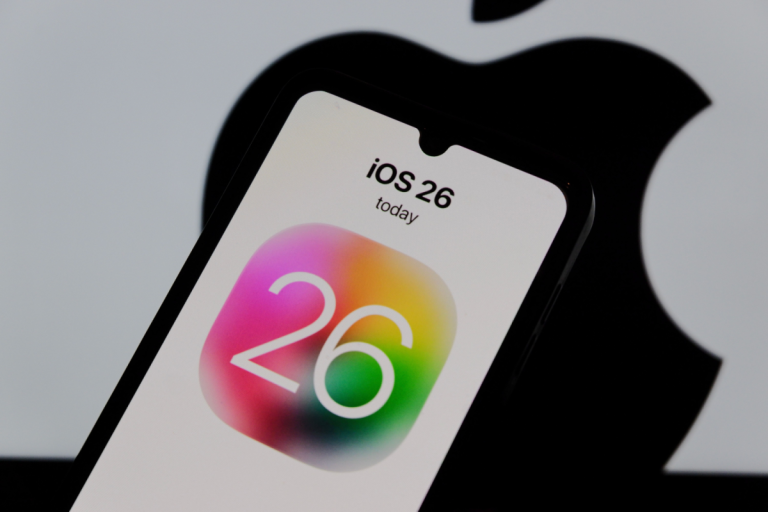
Apple has launched iOS 26 for iPhone 11, iPhone SE 2, and newer devices. The update introduces a “Liquid Glass” interface inspired by Vision Pro, offering a translucent glass-like design across apps. The version jump from iOS 18 to iOS 26 aligns Apple’s operating systems under one numbering scheme and reflects the year of release. While visually striking, early users may need time to adapt to the new interface.

Key Phone and Messaging Features

The Phone app now combines favorites, recents, and voicemails in one screen, with an option to switch back to the classic look. A new call screening tool asks unknown callers for their name and purpose before alerting users, reducing unwanted interruptions. Messages adds group polls, conversation backgrounds, improved photo previews, typing indicators, and stronger spam filtering, though some navigation steps now take longer.

Gaming, Media, and Productivity Updates

The overhauled Games app consolidates current titles, arcade games, achievements, and friend activity in one hub. Apple’s Preview app, long available on Macs, comes to iOS for PDF editing, annotations, and signing. Apple Music gains automixing for seamless song transitions, lyrics translation, and playlist pinning. Apple Maps now supports preferred routes with live traffic notifications and a new places library. The Camera app adopts the Liquid Glass design with simplified controls and swipe gestures for advanced options.

AI and Translation Tools

iOS 26 expands AI-powered translation to system-wide use in Messages, FaceTime, and Phone, supporting English, French, German, Portuguese, and Spanish. Live translation also extends to AirPods Pro 3, Pro 2, and AirPods 4. Visual Intelligence now understands screen content, suggesting calendar events or answering questions, though its activation overlaps with screenshot shortcuts. Genmoji allows users to merge emojis via text prompts, while Image Playground introduces customizations for hair, facial hair, and styles.

Other Enhancements

Users can now set alarm snooze times between 1 and 15 minutes, create digital IDs in Wallet, and use an updated boarding pass display. Voice recording gains input source selection, voice isolation, and local audio capture for podcasts. Reminders automatically generate grocery lists from recipes and surface tasks based on open emails or notes. The App Store now includes accessibility nutrition labels, while parental controls expand to manage communication and age-appropriate app experiences.