Home Blog Page 8

Switch 2 price hike expected amid rising costs

Industry analysts predict Nintendo could follow rivals

Rising console prices across the gaming industry have put renewed focus on Nintendo’s next-generation hardware. After recent price increases for the PlayStation 5 and Xbox Series X|S, analysts now believe the Nintendo Switch 2 could face a similar adjustment later this year.

While Nintendo has not announced any changes, video game industry intelligence firm Niko Partners says a global price hike for the Switch 2 is increasingly likely in 2026. The firm argues that mounting external pressures are making it difficult for console makers to maintain existing price points.

Why analysts expect a higher price

According to Niko Partners, the main drivers behind a potential Switch 2 price increase include tariffs, higher component costs and broader macroeconomic conditions. Nintendo has so far held the entry-level price at $449, despite tariffs affecting production in China, Japan and Vietnam.

More recently, rising demand for AI data centers has pushed up the cost of memory components such as RAM and storage. These parts are critical to modern consoles, and sustained price increases could erode margins if hardware prices remain unchanged.

Possibility of dropping the $449 model

Rather than introducing a straightforward price increase, analysts suggest Nintendo could simplify its lineup. One scenario outlined by Niko Partners is the discontinuation of the $449 SKU altogether, leaving consumers with a $499 or higher-priced bundle as the only option.

This approach would allow Nintendo to offset higher production costs while positioning the Switch 2 as a more premium product, similar to how competitors have handled pricing adjustments through bundled offerings.

Nintendo’s official stance remains cautious

Nintendo president Shuntaro Furukawa has recently addressed questions about a possible price hike, stating that he could not comment on hypothetical scenarios. However, he acknowledged that memory prices are being closely monitored, even if they do not yet have an immediate impact on the company’s financial outlook.

For now, Nintendo appears committed to watching market conditions rather than making abrupt pricing decisions.

Rumors add to speculation

Speculation around pricing has intensified following recent reports of a so-called mystery code, which fueled rumors about a potential new Switch 2 model. While unrelated to pricing directly, such reports have added to expectations that Nintendo may adjust its strategy in response to shifting market dynamics.

Until an official announcement is made, the future price of the Switch 2 remains uncertain. However, analysts increasingly agree that maintaining the current entry price may prove difficult as costs across the tech and gaming sectors continue to rise.


Heart disease deaths fall but remain top US killer

Annual fatalities decline slightly after years of increase

Deaths from heart disease in the United States declined modestly in 2023, offering a rare sign of progress against the nation’s leading cause of death. According to a new report, annual heart disease fatalities fell 2.7% from 2022 to 2023. Despite the improvement, heart disease continues to account for more deaths than any other condition, underscoring the scale of the ongoing public health challenge.

Health experts say the decline is encouraging but caution that it follows several years of elevated mortality linked to the pandemic period, disruptions in routine medical care and worsening risk factors such as obesity, diabetes and high blood pressure.

Why heart disease still dominates mortality statistics

Heart disease has remained the leading cause of death in the US for decades, driven by a combination of lifestyle factors, aging demographics and unequal access to preventive care. Conditions such as coronary artery disease, heart failure and arrhythmias continue to affect millions of Americans.

Even with the recent decline, the number of people dying from heart-related causes remains historically high. Physicians note that improvements in emergency care and medications have helped reduce deaths in some groups, but progress has been uneven across regions and populations.

The role of prevention and early detection

Cardiologists emphasize that many heart disease deaths are preventable. Knowing key health numbers, including blood pressure, cholesterol levels, blood sugar and body mass index, is considered critical to lowering risk.

Preventive strategies include maintaining a balanced diet, engaging in regular physical activity, avoiding tobacco use and managing stress. Early detection of hypertension and high cholesterol, combined with appropriate treatment, can significantly reduce the likelihood of heart attacks and strokes.

Disparities and long-term concerns

While national figures show a decline, experts warn that disparities persist. Heart disease mortality remains higher among older adults, certain racial and ethnic groups and people living in lower-income communities. Access to preventive care and timely treatment continues to play a major role in these differences.

Public health specialists also point out that rising rates of obesity and Type 2 diabetes could reverse recent gains if not addressed. Sedentary lifestyles and poor diet quality remain widespread, particularly among younger populations, raising concerns about future heart disease trends.

A cautious sign of progress

The 2.7% decline in heart disease deaths is viewed as a positive but fragile development. Medical professionals stress that sustained improvement will require long-term investment in prevention, public health education and equitable access to care.

For now, heart disease remains the leading cause of death in the United States, but the latest data suggest that targeted efforts can make a measurable difference.

Measles cases surge as US risks losing elimination status

A year of continuous outbreaks across the country

Tuesday marks one year since a major measles outbreak began in West Texas, and the virus has continued to spread across the United States every week since. Texas alone recorded more than 760 cases and the deaths of two children before declaring its outbreak over in August. Since then, new large outbreaks have emerged, including hundreds of cases in South Carolina and along the Utah Arizona border.

The first weeks of 2026 have been among the worst so far, with exposures reported in schools, churches, restaurants, shops and airports. Health experts warn that the sustained transmission now threatens the country’s measles elimination status, which the US has held since 2000.

Vaccination gaps drive renewed spread

More than 2,200 confirmed measles cases were reported in 2025, the highest annual total since elimination was achieved. In just the first two weeks of 2026, at least 171 additional cases have already been confirmed. Over 95 percent of infections have occurred in people who were not fully vaccinated with the recommended two doses of the measles mumps rubella vaccine.

According to the Centers for Disease Control and Prevention, vaccination coverage among kindergartners has remained below the federal target of 95 percent for five consecutive years. A record share of children received exemptions last school year, most often for philosophical or personal belief reasons.

Public health experts warn of deeper issues

Epidemiologists say the potential loss of elimination status would reflect long standing weaknesses in the public health system rather than a single outbreak. Dr. Demetre Daskalakis, former director at the CDC, described measles elimination as a vital sign of national health infrastructure and said that system is now under severe strain.

Experts also point to the growing influence of vaccine misinformation. Tight knit communities formed online around anti vaccine narratives have become new centers of vulnerability, making outbreak control more difficult even when vaccines are widely available.

Preventable illness and rising risks

Measles is one of the most contagious diseases known, and at least one in every 1,000 infected people may die. Three measles related deaths were reported last year alone, matching the total number seen in the previous 25 years combined. Despite this, vaccination uptake has remained low in some outbreak areas, even where mobile clinics have been deployed.

Health officials stress that raising vaccination rates remains the most effective way to stop transmission. Other countries and past US outbreaks have shown that coverage can improve quickly with strong messaging, community engagement and firm school entry requirements.

Uncertain path forward

The Pan American Health Organization will formally assess the United States’ measles elimination status in April. Regardless of the outcome, experts agree that continued outbreaks signal a long term challenge. Without renewed trust in vaccines and stronger public health action, measles is likely to remain a recurring threat in the years ahead.

Trump’s 10% credit card rate cap sparks Wall Street pushback

Affordability promise meets financial industry resistance

President Donald Trump’s proposal to impose a one year cap of 10 percent on credit card interest rates has reignited a long running debate over consumer affordability and the role of Wall Street in household finances. The plan is framed as short term relief for Americans struggling with high borrowing costs, but it has drawn sharp criticism from major banks and raised questions about its real economic impact.

The average US credit card interest rate currently stands at 19.64 percent, according to Bankrate. Trump has said he wants the cap in place by January 20, though it remains unclear whether this would require legislation or voluntary participation from card issuers.

Banks warn of reduced credit access

Executives across the financial sector argue that a strict interest rate cap would have unintended consequences. Citigroup chief financial officer Mark Mason warned that limiting rates would restrict access to credit for borrowers who need it most and could hurt overall economic growth.

Bank of America chief executive Brian Moynihan echoed those concerns, saying lower caps would likely reduce the number of people who qualify for credit cards and shrink available credit limits. Leaders at JPMorgan Chase and Citigroup have also publicly stated they do not support the proposal.

Supporters argue savings outweigh drawbacks

Advocates of reform counter that credit card interest has become a major burden for households and a significant profit center for banks. Brian Shearer of the Vanderbilt Policy Accelerator said a 10 percent cap could save Americans as much as $100 billion annually in interest payments.

His research suggests that while consumers could see fewer rewards and slightly tighter lending conditions, most borrowers would still come out ahead due to lower interest costs. Supporters argue that banks could absorb the changes by reducing advertising spending and adjusting reward programs rather than exiting the market.

Record credit card debt adds urgency

US households held $1.23 trillion in credit card debt in the third quarter of 2025, the highest level on record since 1999, according to the Federal Reserve Bank of New York. Balances rose nearly six percent from a year earlier, underscoring the scale of the affordability challenge.

Some analysts note that Trump’s proposal contrasts with his administration’s broader record of financial deregulation and cuts to the Consumer Financial Protection Bureau. Critics argue the focus should instead be on capping late fees and curbing industry practices that disproportionately harm lower income consumers.

Political uncertainty ahead of midterms

With US midterm elections approaching, the proposal has taken on political significance. Former lawmakers such as Pat Toomey have dismissed the idea as ineffective, saying it risks reducing credit availability without solving the underlying causes of high consumer debt.

Even supporters of reform remain skeptical that the White House will follow through. Former CFPB director Rohit Chopra said there is room for meaningful change in the credit card industry, but doubts the administration will ultimately challenge banks in a sustained way.

Japan’s largest nuclear plant nears restart

Kashiwazaki-Kariwa prepares for historic return

Activity is intensifying around the Kashiwazaki-Kariwa nuclear power plant on Japan’s Sea of Japan coast, as Tokyo Electric Power prepares to restart one of its seven reactors for the first time in more than a decade. The sprawling facility in Niigata prefecture is the largest nuclear power plant in the world, capable of generating 8.2 gigawatts of electricity when fully operational.

The plant has remained idle since 2012, shut down in the aftermath of the Fukushima Daiichi disaster in March 2011. That accident, triggered by a powerful tsunami, led to reactor meltdowns and the evacuation of roughly 160,000 people, permanently altering Japan’s energy policy and public trust in nuclear power.

Restart delayed but imminent

Tepco initially planned to restart reactor No. 6 this week, a move that would increase electricity supply to the Tokyo region by about 2%. The restart was delayed after an alarm malfunctioned during equipment testing, but public broadcaster NHK reported the reactor is still expected to go back online in the coming days.

The restart would mark a major step in Japan’s gradual return to nuclear energy, which the government views as essential for reducing carbon emissions and strengthening energy security amid rising power demand.

Local residents voice deep concern

For many of the roughly 420,000 people living within a 30-kilometer radius of the plant, the restart is a source of anxiety rather than reassurance. Residents would be required to evacuate in the event of a serious accident, a prospect many say is unrealistic.

Ryusuke Yoshida, a 76-year-old potter living less than a mile and a half from the site, says evacuation plans fail to account for harsh winter conditions and an aging population. Snow frequently blocks roads in the area, raising fears that vulnerable residents could be trapped during an emergency.

Safety upgrades and skepticism

Tepco says it has learned from Fukushima and has invested heavily in safety upgrades. These include higher seawalls, watertight doors, mobile diesel generators, enhanced fire-fighting capabilities and improved filtering systems designed to limit the spread of radioactive material.

The company has also pledged to invest 100 billion yen in Niigata prefecture over the next decade as part of efforts to rebuild trust. Tepco insists that safety and local understanding are prerequisites for operating the plant.

Opposition remains strong

Despite these assurances, public opposition remains widespread. A prefectural survey conducted last year found that more than 60% of residents living near the plant believe conditions for restarting have not been met. Calls for a local referendum were rejected by authorities, further fueling resentment.

Local officials and activists point to seismic risks in the region, which was hit by a magnitude 6.8 earthquake in 2007 that damaged parts of the plant and forced automatic reactor shutdowns. Recent revelations that another utility fabricated seismic data during a regulatory review have further eroded confidence in the nuclear industry.

National energy strategy at stake

Before Fukushima, nuclear power supplied about 30% of Japan’s electricity, with 54 reactors in operation. Today, only 14 of the country’s 33 operable reactors are online. Restart efforts elsewhere have faced delays and legal challenges due to strong local resistance.

The Kashiwazaki-Kariwa restart has become a symbol of Japan’s broader struggle to balance energy security, climate goals and public safety. For residents like Yoshida, the issue is about trust and accountability. He says the restart reflects political pressure rather than genuine local consent.

As Japan approaches the 15th anniversary of the Fukushima disaster, the debate surrounding Kashiwazaki-Kariwa underscores how deeply nuclear power remains intertwined with questions of safety, governance and public confidence.

Deadly high-speed train collision shocks Spain

At least 39 killed in Andalusia crash

A collision between two high-speed trains in southern Spain has killed at least 39 people, according to Spanish authorities, marking one of the deadliest rail disasters in the country in recent years. The crash occurred Sunday evening near Córdoba, triggering a large-scale emergency response.

The incident happened at around 7:45 p.m. local time when the rear of a high-speed train traveling from Málaga to Madrid derailed and slammed into another train heading from Madrid to Huelva. Officials said around 300 passengers were on board the Málaga–Madrid service.

Mass casualty protocol activated

Spain’s Civil Guard confirmed early Monday that the national mass casualty protocol had been activated. Specialized teams, including fingerprinting and DNA experts, were deployed to help identify victims. Authorities have not yet released details on the nationalities of those killed.

Andalusia’s regional president, Juanma Moreno, said 75 passengers were hospitalized, with 15 in very serious condition. Emergency crews worked through the night alongside local residents who assisted injured passengers.

Government vows transparent investigation

Prime Minister Pedro Sánchez traveled to Adamuz, near the crash site, and promised a “thorough and absolutely transparent” investigation. He described the tragedy as a moment of national mourning and confirmed that he had canceled plans to attend the World Economic Forum in Davos.

High-speed rail services between Madrid and several Andalusian cities were suspended as investigators began examining the scene.

Cause remains unclear

The cause of the collision has not yet been confirmed. Spain’s transport minister, Óscar Puente, called the accident “truly strange,” noting that it occurred on a flat section of track that had been renovated just months ago. He added that the derailed train was less than four years old.

The train that left the track was operated by private rail company Iryo, while the second train involved belonged to state-owned operator Renfe. According to Puente, the rear of the first train derailed and struck the front of the Renfe train, knocking its first two carriages off the tracks and down a slope.

Passengers recount chaos

Video footage from the scene showed severely damaged carriages and passengers escaping through broken windows. A journalist traveling on one of the trains told Spanish television that the impact felt like an earthquake. Some passengers used emergency hammers to smash windows and climb out, while others walked away with minor injuries.

Both rail operators expressed shock and condolences. Iryo said it had activated all emergency protocols, while Renfe’s leadership described the incident as a tragedy affecting the entire country.

Spain’s high-speed rail under scrutiny

Spain operates the largest high-speed rail network in Europe, with more than 1,900 miles of track and trains regularly exceeding 155 mph. The system is widely regarded as safe and heavily used.

The deadliest train accident in Spain this century occurred in 2013, when 80 people were killed after a derailment in the northwest. That investigation found the train had been traveling well above the speed limit at the time.

As investigators work to determine what went wrong near Córdoba, the latest crash has raised urgent questions about rail safety and oversight across the country.

Microplastics in the Human Body Face Scientific Doubt

A growing body of research suggesting that microplastics are widespread throughout the human body is now facing serious scientific scrutiny. Chemists and analytical experts warn that many high-profile findings may be driven by contamination, false positives, and methodological limitations rather than clear evidence, raising concerns about how much is truly known about microplastics and human health.

Studies Under Question

Over the past few years, studies have claimed to detect micro and nanoplastics in organs such as the brain, blood, testes, placentas, and arteries. These findings gained global attention and intensified public concern. However, scientists reviewing the data say that many of these results may be unreliable due to inadequate contamination controls and insufficient validation steps.

Several papers have been formally challenged in scientific journals, with critics arguing that biological materials, especially fatty tissues, can generate signals easily mistaken for plastics. In some cases, measurements may reflect normal tissue components rather than synthetic particles.

Limits of Current Detection Methods

Detecting microplastics in human tissue pushes current analytical techniques to their limits. One widely used method, pyrolysis gas chromatography mass spectrometry, has come under particular criticism. Researchers note that this technique can confuse compounds released from human fat with those from plastics such as polyethylene or PVC, leading to false positives.

Experts stress that standard laboratory practices, including blank samples, repeated measurements, and spiked controls, are sometimes missing from published studies. Without these safeguards, it is difficult to distinguish real exposure from background contamination.

Biological Plausibility Concerns

Some scientists also question whether the reported quantities of microplastics in organs are biologically plausible. Larger microplastic particles are not known to cross into the bloodstream easily, and current instruments cannot reliably detect the smallest nanoplastics that could potentially pass biological barriers.

As a result, critics argue that some reported concentrations conflict with what is currently understood about human exposure and physiology.

Implications for Policy and Public Trust

Researchers warn that unreliable evidence could have serious consequences. Overstated findings may lead to misguided regulations or fuel public anxiety, while weak science could also give plastics industry lobbyists grounds to dismiss legitimate concerns about pollution.

At the same time, scientists emphasize that plastic pollution remains a real and escalating environmental and health issue. The challenge lies in accurately measuring human exposure and understanding its actual effects.

Conclusion

While it is increasingly accepted that humans are exposed to microplastics through air, food, and water, the extent to which these particles accumulate in the body remains uncertain. Experts call for more rigorous methods, clearer standards, and collaboration across disciplines to ensure future research is reliable. Until stronger evidence emerges, caution, transparency, and improved science are essential to informing both public understanding and policy decisions.

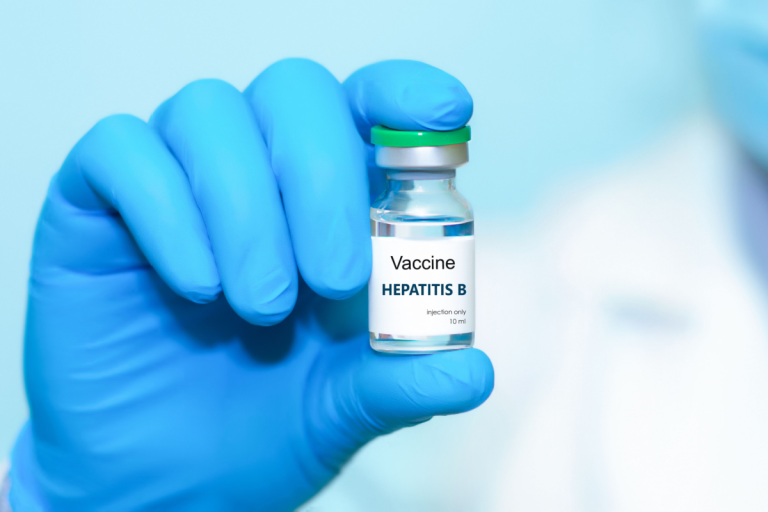
Hepatitis B Vaccine Study in Guinea-Bissau Halted

A controversial US funded study involving hepatitis B vaccines for newborns in Guinea-Bissau has been halted following widespread criticism over ethical concerns. The decision, confirmed by Africa Centres for Disease Control and Prevention officials, comes after intense scrutiny from public health experts, advocacy groups, and medical professionals who warned the trial could place infants at serious risk.

Study Cancellation and Ethical Concerns

Africa CDC officials confirmed that the study has been cancelled in its current form due to fundamental ethical issues in its design. Critics argued that the trial would have withheld a proven, life saving hepatitis B vaccine from thousands of newborns in a country with a high prevalence of the disease. Officials stated that while evidence based research is important, it must comply with ethical standards and protect vulnerable populations.

Although Guinea-Bissau authorities indicated that a revised trial could still proceed, Africa CDC said any future study would require a complete redesign to meet ethical regulations. Discussions are ongoing to determine whether a new approach could be justified.

Reaction From Medical and Advocacy Communities

Public health leaders and medical organizations strongly condemned the original trial design. They warned that even a short delay in vaccination could expose infants to long term health consequences, including liver disease and cancer. Several experts described the halt as a major victory for research ethics and patient protection.

Physicians and researchers emphasized that withholding an effective vaccine based on random assignment was unacceptable, particularly when an alternative approach could have vaccinated as many children as possible using the same funding.

Political and Institutional Context

The study was funded under the oversight of the US Department of Health and Human Services and drew additional controversy due to the involvement of officials and researchers associated with vaccine skepticism. The episode has raised broader questions about how public health research decisions are made and who holds authority over trials conducted in lower income countries.

Guinea-Bissau has also faced recent political instability, including a coup that reshaped government leadership, further complicating communication and oversight around the study.

Broader Implications for Research in Africa

Experts say the cancellation may represent a turning point for how medical research is conducted in Africa. While there is strong agreement on the need for more trials involving African populations, critics argue such studies should be led by African scientists and focus on addressing local health priorities without exploiting gaps in access to care.

The case has renewed calls for stronger safeguards to prevent ethically questionable studies and to ensure that research contributes directly to improving health outcomes.

Conclusion

The halt of the hepatitis B vaccine study highlights the growing push to enforce ethical standards in global health research. While future studies may still move forward in Guinea-Bissau, health experts stress that protecting patients and ensuring equitable access to proven treatments must remain the priority.

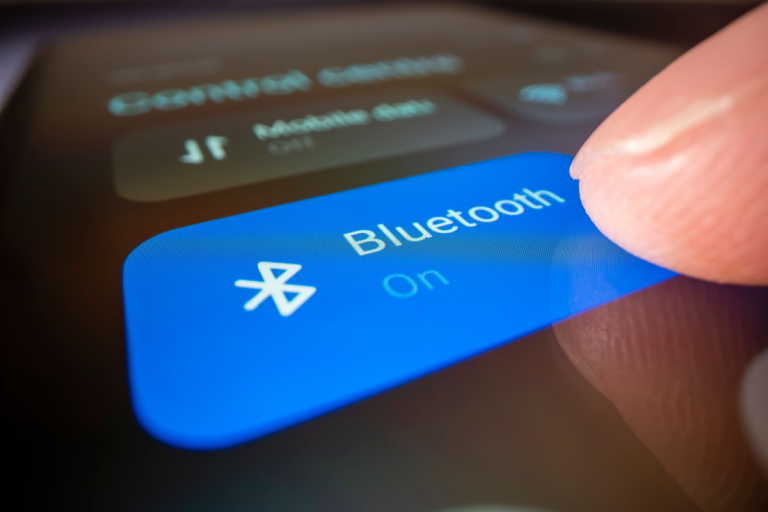
Bluetooth Flaw Exposes Headphones to Hacking Risks

Security researchers have identified a serious Bluetooth vulnerability affecting multiple popular headphones and speakers, raising concerns about privacy and device safety. The flaw could allow nearby attackers to access microphones, inject audio, or track device locations, highlighting ongoing risks tied to connected consumer electronics.

The WhisperPair Vulnerability

The security issue, named WhisperPair, stems from an improper implementation of Google’s Fast Pair protocol in certain certified audio devices. Researchers found that attackers within Bluetooth range could exploit the flaw using only a device’s model number and a short window of time. This could enable unauthorized pairing even when a device is already connected to its legitimate owner.

Once access is gained, attackers may activate microphones, listen to ambient sounds, inject audio, or potentially track the device’s location. Researchers demonstrated that the attack could be executed in under 15 seconds under real world conditions.

Scope of Affected Devices

The vulnerability impacts 17 headphone and speaker models from 10 manufacturers, all of which had received Google Fast Pair certification. Affected brands include Sony, Jabra, JBL, Marshall, Xiaomi, Nothing, OnePlus, Soundcore, Logitech, and Google. Google stated that its Pixel Buds have already been patched.

In some scenarios, the risk may also affect users who do not use Android phones. If a device has never been linked to a Google account, an attacker could pair it to their own account and use location tracking features tied to Google services.

Google and Manufacturer Response

Google said it was notified of the issue in August and has been working with researchers to address the problem. The company emphasized that the flaw resulted from incorrect Fast Pair implementations by certain hardware partners, not the protocol itself. Google provided recommended fixes to manufacturers, updated certification requirements, and rolled out patches to related services.

Accessory makers have begun investigating the issue, with some stating they will take steps to protect user security and privacy. However, responses vary across manufacturers.

Why Updates Matter

Researchers stress that keeping audio devices updated with the latest firmware is critical. Many devices require users to install third party companion apps to receive updates, which some consumers never do. This leaves potentially vulnerable hardware in circulation long after fixes are available.

Conclusion

The WhisperPair flaw underscores the security challenges facing wireless consumer devices. Even widely adopted standards can introduce risks if improperly implemented. Regular firmware updates and stronger enforcement of security requirements will be essential to protect users as Bluetooth enabled devices become increasingly embedded in daily life.

TSMC Profit Surges on Strong AI Chip Demand

Taiwan Semiconductor Manufacturing Company reported a sharp increase in fourth quarter profit, driven by sustained demand for artificial intelligence chips. The world’s largest contract chipmaker exceeded market expectations on both revenue and earnings, underscoring its central role in the global AI supply chain and its continued momentum heading into 2026.

Fourth Quarter Results Beat Expectations

TSMC posted a 35 percent year over year increase in net income for the December quarter, reaching NT$505.74 billion. Revenue climbed to NT$1.046 trillion, also surpassing analyst forecasts. The company has now delivered profit growth for eight consecutive quarters, highlighting consistent operational strength.

Quarterly revenue rose more than 20 percent from a year earlier, exceeding the NT$1 trillion mark for the first time. Management attributed the performance to strong demand for leading edge manufacturing technologies.

Outlook Signals Continued Growth

For the current quarter, TSMC guided revenue to a range of $34.6 billion to $35.8 billion, representing strong sequential and annual growth at the midpoint. Executives said rising demand for advanced process technologies is supporting higher profit margins and improving business visibility.

Advanced Chips Drive Revenue Mix

High performance computing, which includes artificial intelligence and 5G applications, accounted for 55 percent of total sales in the quarter. Smartphone related demand made up 32 percent. Advanced chips produced using 7 nanometer technology or smaller represented 77 percent of total wafer revenue, reflecting TSMC’s increasing focus on cutting edge products.

For full year 2025, advanced nodes contributed 74 percent of revenue, up from the prior year. Smaller nanometer designs enable faster processing and greater energy efficiency, making them essential for AI workloads.

Investment and Capacity Expansion

TSMC is accelerating development of its 2 nanometer technology, following the start of mass production last quarter. Capital expenditure is expected to rise significantly in 2026, reaching between $52 billion and $56 billion, compared with $40.9 billion in 2025. The investment will support expanded capacity and advanced packaging capabilities.

Risks and Global Expansion

While demand for AI remains strong, management acknowledged potential risks from memory shortages and rising prices in consumer electronics markets. The company also flagged global tariff policies as a possible headwind in 2026.

TSMC continues to expand internationally, with projects underway in Japan, Europe, and the United States. In Arizona, the company has acquired additional land to support new fabrication facilities. Executives noted that overseas plants may operate at lower margins than those in Taiwan, but could help serve customers and mitigate trade related risks.

Conclusion

TSMC’s latest earnings highlight its dominant position in advanced semiconductor manufacturing and its exposure to the fast growing AI market. With strong guidance, aggressive investment plans, and expanding global capacity, the company is positioning itself for continued growth, even as it navigates supply constraints and geopolitical uncertainty.