Home Blog Page 67

A Decade of Investment Success: The Alphabet Story

Alphabet Inc., the powerhouse behind Google, has solidified its position as a titan in the tech industry, boasting a staggering market capitalization of $1.7 trillion. For investors who had the insight to invest $1,000 into Alphabet’s stock back in 2014, their foresight has paid off handsomely, with that investment now valued at over $4,500. This remarkable growth underscores Alphabet’s dominance and its enduring appeal in the constantly evolving world of technology investments.

A Journey of Innovation and Market Domination

The roots of Alphabet’s ascent to tech supremacy can be traced back to the groundbreaking launch of Google Search. This revolutionary tool not only organized and accessed the vast sea of information on the internet but also captured a market share of nearly 92%. Google Search quickly became the go-to destination for web exploration, laying the groundwork for an entire industry in search engine optimization (SEO). The unparalleled success of Google Search became the cornerstone of Alphabet’s financial performance, with this segment contributing a substantial 57% to the company’s revenue of $307 billion in 2023.

But Alphabet’s influence extends far beyond just search. The company boasts a diverse portfolio of internet services, including Gmail, Maps, YouTube, and Android. Each of these products boasts a user base exceeding 500 million, solidifying Alphabet’s position as an indispensable force in the digital realm. This widespread adoption has translated into staggering profitability, with Alphabet generating nearly $200 billion in free cash flow over the last three years and maintaining a robust financial position with $111 billion in cash reserves against a mere $13 billion in debt.

Navigating Towards the Future

As Alphabet plots its course for the next decade, investors remain bullish about the company’s future prospects. Despite the emergence of disruptive technologies like artificial intelligence, Alphabet’s dominance in Search is expected to remain unchallenged, supported by its unparalleled market share and a suite of complementary offerings. Furthermore, Google Cloud, Alphabet’s cloud computing arm, has emerged as a formidable player, experiencing a 26% revenue surge in 2023 and signaling potential for significant growth ahead.

Analysts anticipate a continuation of Alphabet’s strong financial performance, with revenue projected to increase by 11% annually and earnings per share set to grow by 15.2% over the next three years. Currently trading at a forward price-to-earnings ratio of 20.3, Alphabet’s stock presents an attractive opportunity for prospective investors looking to capitalize on its promising outlook and potentially achieve market-beating returns.

Embracing Opportunities in Alphabet’s Future

Alphabet’s evolution from a simple search engine to a technological powerhouse exemplifies the rewards of innovation and resilience in the investment landscape. With a track record of consistent growth and a strategic vision geared towards the future, Alphabet continues to attract investors seeking exposure to the forefront of technological advancement.

As Alphabet continues to navigate the ever-changing landscape of the digital age, its legacy of innovation and market dominance stand as a testament to its enduring relevance and potential for sustained success in the years ahead.

Gaza Cease-Fire Talks Stall Ahead of Ramadan Amid Humanitarian Crisis

Cease-fire negotiations between Hamas and Israel have hit a roadblock, leaving the possibility of a resolution uncertain as the start of Ramadan looms. Three days of talks mediated by the United States, Qatar, and Egypt failed to yield a breakthrough, with Hamas proposing a deal involving the release of hostages, a temporary cease-fire, and increased humanitarian aid for the besieged Gaza Strip.

Hamas, which currently holds an estimated 100 hostages and the remains of around 30 others, has demanded an end to Israeli offensive operations, a withdrawal of Israeli forces from Gaza, and the release of a significant number of Palestinian prisoners, including senior militants serving life sentences.

Despite efforts by mediators to broker an agreement, the United States has expressed skepticism about Hamas’s commitment to reaching a deal, citing the group’s reluctance to provide a list of hostages for release.

Israeli Prime Minister Benjamin Netanyahu has rejected Hamas’s demands, insisting on the dismantlement of the group and the full return of hostages before agreeing to a cease-fire. Israel did not participate in the latest round of talks, awaiting further information from Hamas regarding the proposed hostage-to-prisoner ratio.

Meanwhile, tensions within Israeli leadership have surfaced, with Benny Gantz, a member of Netanyahu’s War Cabinet and his main political rival, meeting with senior U.S. officials in Washington, drawing rebuke from the prime minister.

As negotiations continue, the humanitarian situation in Gaza remains dire. The conflict, which began with a Hamas attack in October, has resulted in a significant death toll, with over 30,000 Palestinians killed and more than 100 hostages taken. The Gaza Health Ministry reports that the fighting has displaced most of the territory’s population, with a quarter now facing famine.

Tragic reports of children dying from malnutrition and dehydration have emerged, with at least 10 children reportedly perishing in isolated areas of northern Gaza. Aid efforts have been hampered by the breakdown of security, leading to the suspension of aid shipments by the World Food Program.

Despite international air drops, aid groups warn that these measures are insufficient to address the escalating needs of Gaza’s population. The U.N. has highlighted the dire conditions in northern Gaza, where up to 300,000 Palestinians remain, many resorting to eating animal fodder to survive.

As the conflict continues, Israel has vowed to expand its offensive operations to the southern city of Rafah if no deal is reached by the start of Ramadan. Gaza’s Health Ministry has reported a spike in casualties, with women and children comprising a significant portion of the victims.

With the holy month of Ramadan fast approaching, hopes for a cease-fire and relief for Gaza’s beleaguered population remain uncertain. As mediators scramble to find a resolution, the specter of further violence looms large over the region.

Meta, Parent Company of Facebook and Instagram, Grapples with Extensive Service Interruption: Numerous Users Impacted

In an unexpected turn of events, Facebook and Instagram underwent a widespread outage, leaving thousands of users stranded without access to their accounts. Meta, the corporate powerhouse behind these social media giants, encountered technical hurdles that hindered users from logging in and utilizing their platforms.

Downdetector, a reliable tracker of online service interruptions, recorded a staggering 500,000 complaints from Facebook users struggling to access the site. Additionally, Instagram witnessed approximately 50,000 reported issues, while Facebook Messenger experienced around 10,000 complaints. Users found themselves abruptly logged out of their accounts, while others encountered error messages on Instagram, signaling a failure to load their feeds. Even Threads, Meta’s contender against Elon Musk’s X, faced disruptions, with users greeted by pop-up notifications alerting them to technical glitches.

Although the number of affected users gradually dwindled within an hour and a half of the initial reports, Downdetector cautioned that their data only accounted for reported incidents, implying that the actual impact could be more extensive.

Meta’s official status page corroborated the disruptions, citing “major disturbances” impacting Facebook logins and various other functionalities across the platform. Despite Meta representative Andy Stone acknowledging the issue and assuring users of ongoing efforts to rectify it, the company has refrained from providing a detailed explanation for the outage.

This occurrence unfolded against the backdrop of heightened sensitivity towards service disruptions, notably in the wake of AT&T’s recent 12-hour network blackout, which left countless customers unable to make calls, send texts, or access the internet via their mobile devices.

While major outages are infrequent, they typically stem from benign causes such as software update glitches. It’s worth noting that in 2021, Facebook, Instagram, and WhatsApp grappled with a six-hour outage, which Meta attributed to non-malicious factors.

As Meta delves into unraveling the root cause behind Tuesday’s outage, users are urged to remain mindful of the potential for technical hiccups on digital platforms. Despite the inconvenience incurred, such incidents underscore the reliance on technology in contemporary society and underscore the necessity for resilient infrastructure to underpin these platforms.

The Rise of Millennials: Pioneers in Smart Auto Insurance Strategies

In today’s economy, where financial caution reigns supreme, millennials are taking the lead in revolutionizing the way we approach car insurance. Amidst escalating premiums, this generation is paving the way for a smarter approach – actively seeking out the best auto insurance deals. Recent studies indicate that not only does this practice result in substantial savings, but it also ensures tailored coverage that meets individual requirements.

Millennials: The Savvy Shoppers

Contrary to stereotypes, millennials are not just about trendy brunches and digital gadgets. They’re also spearheading a movement towards responsible financial behavior. Recent surveys uncover that millennials are more inclined than any other age group to diligently compare auto insurance policies on a regular basis. While only a quarter of all drivers engage in this critical practice annually, over 40% of millennials make it a habit to shop around for car insurance every year, with an additional 21% doing so every two to three years.

The Benefits of Comparison Shopping

In the world of car insurance, brand loyalty doesn’t always pay off. Insurance companies often employ strategies that penalize long-term customers with higher premiums. Research supports this notion, suggesting that individuals who switch insurance providers, especially after lengthy affiliations, can enjoy substantial savings. Studies even indicate that drivers who’ve remained with the same insurer for eight years could potentially save up to 19% by switching.

Navigating the Shopping Experience

Securing the best auto insurance deal doesn’t have to be overwhelming. With the abundance of online comparison tools, obtaining quotes from multiple insurers has become easier than ever. These user-friendly platforms allow consumers to input basic information and receive quotes from various providers within minutes. Moreover, exploring individual insurance company websites can be advantageous, particularly for those seeking specialized coverage such as high-risk insurance or policies tailored to specific demographics like military personnel or young drivers.

Optimizing Savings During Life Changes

In addition to yearly rate shopping, it’s crucial to reassess insurance needs following significant life events. Changes such as an improved credit score or alterations in driving habits, such as reduced mileage due to remote work, can influence insurance premiums. By regularly reevaluating insurance options after such milestones, individuals can ensure they’re not paying for coverage they no longer require and seize potential savings opportunities.

Championing Financial Prudence

In an era marked by soaring insurance costs, millennials are leading by example by embracing proactive auto insurance practices. Through their commitment to annual rate shopping and vigilance in response to life changes, they’re not only safeguarding their finances but also emphasizing the importance of financial literacy and accountability. As advocates for prudent financial habits, millennials are reshaping the landscape of auto insurance, one policy at a time.

Zyn Nicotine Pouches: The Latest Social Media Trend Sparking Debate

Zyn nicotine pouches, the latest sensation on TikTok and other social media platforms, have ignited a fiery debate among politicians, health experts, and concerned citizens alike. These tiny pouches, filled with nicotine and an array of flavors like mint, coffee, and citrus, are being aggressively marketed by Philip Morris International to adult tobacco users. However, their popularity among young people has raised alarm bells, reminiscent of the Juul vaping craze that swept through adolescent circles not long ago.

Advocates and detractors are sharply divided over the potential benefits and risks of Zyn. Some experts, including addiction specialist Dr. Jasjit Ahluwalia of Brown University, argue that nicotine pouches could serve as a harm reduction tool, helping smokers cut back or quit traditional cigarettes. Ahluwalia points out that Zyn works similarly to pharmaceutical-grade nicotine products like gum and lozenges, albeit with the added allure of being sold by a major tobacco company.

However, concerns about the appeal of Zyn to underage users have prompted calls for regulatory action. Democratic Senator Charles Schumer of New York has urged regulators to investigate Zyn, while House Republicans have warned against potential bans, framing the issue as an infringement on personal freedoms. Conservative commentator Tucker Carlson has even weighed in, asserting the unproven benefits of Zyn and defending its use.

Online, a subculture has emerged around Zyn, with users creating their own vocabulary and sharing experiences through videos and memes. However, anti-tobacco advocacy groups like the Truth Initiative have expressed worry over the normalization of nicotine use among young people, citing research suggesting its detrimental effects on adolescent brain development.

The Food and Drug Administration (FDA) finds itself at the center of the controversy, tasked with balancing Zyn’s potential risks to youth against its purported benefits for adults. While underage use remains relatively low compared to other nicotine products, the FDA continues to monitor the situation closely. Philip Morris has submitted a marketing application for Zyn, hoping to gain FDA authorization for its offerings.

Meanwhile, Zyn’s sales have skyrocketed, generating $1.8 billion in revenue as shipments surge year-over-year. Despite its popularity, questions linger about its effectiveness as a substitute for cigarettes. Preliminary research suggests that Zyn may not fully meet the needs of smokers, with some users experiencing delayed nicotine delivery compared to traditional cigarettes.

Yet, for individuals like Justin Wafer, a former smoker who credits Zyn with helping him quit, the pouches offer a viable alternative to traditional smoking cessation aids. Wafer’s success story underscores the complexity of the debate surrounding Zyn and its potential impact on public health.

As the controversy rages on, one thing remains clear: Zyn nicotine pouches have become emblematic of the broader battle between harm reduction strategies and concerns over youth tobacco use, leaving policymakers, health experts, and consumers grappling with difficult questions about the future of nicotine consumption.

Macron’s Suggestion of Western Military Presence in Ukraine Ignites Controversy and Division

The potential of Western military intervention in Ukraine, as suggested by French President Emmanuel Macron, has ignited a wave of controversy and division across Europe and the international community. His comments, implying the possibility of Western troops being deployed to Ukraine, were made during a press briefing that followed a summit with 20 European leaders in Paris. This development has led to a significant backlash from allies and a stark warning from Moscow.

Macron emphasized that while there is no unanimous decision on deploying combat forces to Ukraine, the future dynamics leave all options open. This ambiguity has caused a flurry of activity among French officials, who are now attempting to clarify that any military involvement would likely be limited to non-combative roles, such as demining and providing military training.

The response from European allies was immediate, with major nations like Germany and Poland, as well as NATO Secretary-General Jens Stoltenberg, quickly distancing themselves from Macron’s remarks. They collectively affirmed that there are no intentions to deploy NATO combat forces in Ukraine, reinforcing the alliance’s stance against direct military intervention.

This statement by Macron marks a notable shift in his approach to Russia since the full-scale invasion of Ukraine in February 2022. Having initially kept open communication channels with Russian President Vladimir Putin, Macron’s rhetoric has hardened over time. Nevertheless, his recent comments have generated confusion over the West’s actual intentions, seemingly attempting to signal a stronger military support for Ukraine that could unsettle Russia.

The Kremlin reacted sharply to the notion of Western troops in Ukraine, forecasting a direct confrontation between NATO and Russia, with Putin cautioning about the escalation risks to a global nuclear conflict. This underlines the grave implications of altering the existing military aid framework provided to Ukraine.

Macron’s statements also shed light on broader concerns regarding European security and the quest for strategic autonomy, especially considering potential shifts in U.S. policy towards Ukraine with the approaching American elections. Macron advocates for a European future less dependent on the decisions of American voters.

However, critics argue that Macron might have unintentionally exacerbated divisions within NATO and among European nations. By suggesting the potential for Western military action in Ukraine, even if limited to non-combat roles, he risks undermining the united front Europe has been striving to maintain against Russian hostilities.

As European leaders continue to deliberate on their foreign and defense policies, the controversy surrounding Macron’s remarks highlights the fine line between deterring Russian aggression and preserving the unity of the alliance. This incident illustrates the intricate dynamics of European security policy and the challenges faced in maintaining a unified stance amid escalating regional threats.

Elon Musk Takes Legal Action Against OpenAI, Alleging Departure from Core Principles

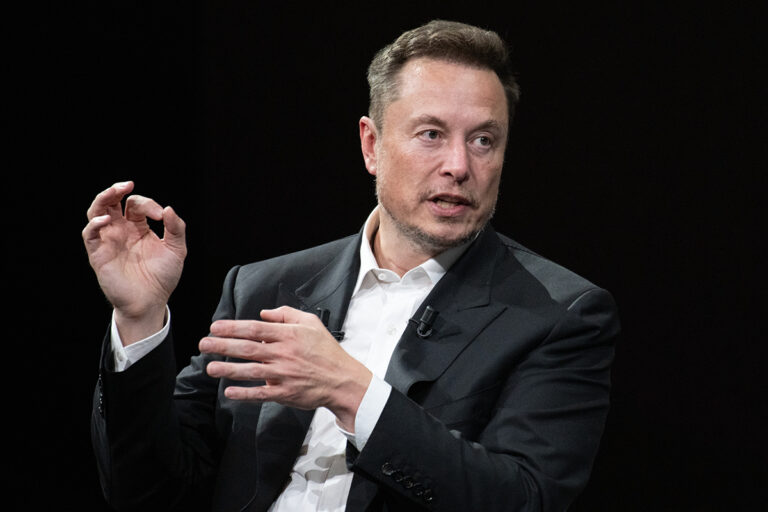
In a bold legal maneuver, Elon Musk has launched a lawsuit against OpenAI, the AI research firm he helped establish, and its CEO Sam Altman. Filed in a California state court, Musk’s suit contends that OpenAI has strayed from its original nonprofit mission by entering into a lucrative $13 billion partnership with Microsoft and opting to keep its latest AI technology code confidential. According to Musk, these actions represent a violation of their contractual agreements.

Having distanced himself from OpenAI in 2018 to establish his own AI venture, xAI, Musk argues that the creation of OpenAI LP, a profit-oriented entity within OpenAI, along with its collaboration with Microsoft, directly contradicts the organization’s initial charter. Musk attributes the transformation of OpenAI into a profit-driven entity, now valued at $90 billion, to Sam Altman, whom he identifies as the mastermind behind this significant shift in valuation and mission.

The lawsuit also brings attention to a tumultuous period in OpenAI’s leadership in the previous year, during which Altman was temporarily removed from his position amidst concerns about AI risks. Despite this temporary upheaval, Altman was reinstated shortly thereafter, a sequence of events that Musk’s lawsuit implies may have been influenced by Microsoft’s interest in commercializing AI technology.

A substantial portion of Musk’s legal complaint focuses on what he perceives as Microsoft’s undue influence on OpenAI, suggesting that the AI research firm has essentially become an extension of the tech giant’s empire, prioritizing profit over its original mission. While Microsoft is not formally listed as a defendant, Musk’s complaint underscores the significant role the tech company plays in this controversy.

Renowned for his endeavors with Tesla and SpaceX, Musk has consistently raised concerns about the potential risks associated with artificial intelligence. The lawsuit highlights a clear disparity in vision between Musk and the current leadership of OpenAI, with Musk emphasizing the existential threat posed by AI while accusing OpenAI’s leaders of being driven by greed.

This legal action comes at a critical juncture when the ethical considerations of AI development and the concentration of power within the tech industry are subjects of intense debate. Musk’s lawsuit not only underscores the challenges of navigating AI research within a profit-oriented framework but also prompts questions about the future trajectory of OpenAI and its dedication to its original mission.

As the case progresses, both the tech and legal communities will closely monitor the dispute between Musk, a pioneering entrepreneur, and one of the most influential AI research organizations. The outcome could have profound implications for the governance, ethics, and commercialization of AI technologies.

Transforming Democrat Campaigns Through AI Innovation

In anticipation of the forthcoming elections, a coalition of tech-savvy Democrats is poised to reshape the landscape of political campaigning through the strategic deployment of artificial intelligence (AI) technology. Led by Tech for Campaigns, these trailblazers are leveraging AI to redefine campaign strategies and optimize outreach efforts.

Harnessing cutting-edge AI tools such as ChatGPT and Google’s Bard, this coalition aims to revolutionize the creation process of digital advertisements and fundraising communications. By leveraging generative AI algorithms, they can swiftly generate compelling content, spanning text, images, and even lifelike vocal simulations, with minimal input.

Preliminary trials of AI-integrated email campaigns have yielded promising outcomes, particularly in terms of fundraising efficacy. In the context of Virginia’s 2023 elections, a pilot initiative encompassing 14 campaigns demonstrated that emails composed with AI assistance yielded three to four times more fundraising revenue per work hour compared to manually crafted ones.

While Tech for Campaigns spearheads the integration of AI into campaign support, major tech corporations like Facebook and Google are also venturing into the realm of AI-generated advertisements. Nevertheless, the adoption of AI in political campaigns is accompanied by challenges and controversies.

Instances of AI-generated robocalls and the dissemination of misinformation have prompted regulatory responses from entities like OpenAI and the Federal Communications Commission (FCC). These regulatory interventions seek to mitigate the risks of AI misuse in political contexts and safeguard the integrity of electoral processes.

In response to escalating concerns, tech companies have committed to implementing safeguards to prevent the manipulation of their AI algorithms for malicious purposes. Furthermore, bipartisan endeavors are underway to address the legal and ethical implications of AI adoption in electoral campaigns.

Despite the transformative potential of AI in optimizing campaign outreach, experts underscore the importance of prudent and regulated implementation. The risk of AI being exploited to propagate falsehoods or contravene campaign finance regulations underscores the imperative for robust oversight and accountability mechanisms.

Tech for Campaigns acknowledges these risks and advocates for transparent discussions on regulatory frameworks. Co-founder Jessica Alter emphasizes the necessity of striking a balance between innovation and responsibility, urging political stakeholders to embrace AI judiciously while harnessing its potential benefits.

As both Democrats and Republicans explore the capabilities of AI in campaigning, the landscape of political advertising stands on the brink of significant transformation. With notable figures such as Brad Parscale, former campaign manager for Trump, also delving into AI-driven digital campaigning, the competition to leverage technology for electoral success intensifies. 

As the election cycle unfolds, the role of AI in shaping political discourse and strategy will inevitably evolve, sparking continued scrutiny and debate over its implications for democracy.

FDA Announces Fast-Food Wrappers Free of Harmful PFAS Chemicals

Fast-food wrappers and packaging containing perfluoroalkyl and polyfluoroalkyl substances (PFAS), often referred to as “forever chemicals,” are no longer being sold in the United States, according to the Food and Drug Administration (FDA).

The FDA made the announcement on Wednesday, highlighting the success of a voluntary effort with US food manufacturers to eliminate PFAS from food contact packaging. This initiative began in 2020 when the FDA secured commitments from food manufacturers to phase out PFAS in wrappers, boxes, and bags used for food packaging.

Several major fast-food chains, including McDonald’s, had already ceased the use of PFAS-containing wrappers even before the official phase-out date.

PFAS chemicals have long been associated with various health issues, including disruptions in cholesterol levels, liver function, the immune system, and the development of certain cancers. The elimination of PFAS from packaging is seen as a significant step toward reducing exposure to these harmful substances.

While the removal of PFAS-containing packaging from the market is applauded, experts caution that there are still numerous sources of PFAS in the environment. One significant source is drinking water contaminated with PFAS. Consumers are encouraged to check EPA maps to determine if their water is affected and to use filtration systems to remove PFAS.

In addition to water, PFAS also accumulates in meat and dairy products. To reduce exposure, individuals are advised to limit consumption of these foods.

Furthermore, individuals can take steps to minimize exposure to PFAS in their daily lives. This includes avoiding certain indoor cleaning products and water-resistant chemicals, removing shoes before entering the house to prevent tracking PFAS indoors, and washing hands thoroughly before eating or preparing food.

Despite these efforts, it is acknowledged that complete avoidance of PFAS is challenging due to its widespread presence in the environment.

The FDA’s action to eliminate PFAS from fast-food packaging represents a significant stride toward reducing exposure to these harmful chemicals. However, continued efforts are needed to address other sources of PFAS contamination and to raise awareness about the potential health risks associated with these substances.

Consumers are encouraged to remain vigilant and to take proactive measures to minimize their exposure to PFAS, ultimately safeguarding their health and well-being.

Navigating the Auto Insurance Marketplace: Common Mistakes and Tips for Drivers

Auto insurance premiums have been on the rise, with the average annual cost reaching $3,017 in 2023. As we progress into 2024, experts anticipate further inflation driving these costs even higher. Amidst these challenges, drivers must navigate the auto insurance marketplace wisely to secure optimal coverage at reasonable rates.

Shopping Around Saves

One common mistake many drivers make is failing to shop around for auto insurance. Each insurance provider utilizes its own risk assessment formula, leading to significant variations in quotes for the same driver.

To find the best rates, it’s crucial to compare quotes from multiple insurers. With most companies offering online quoting tools, obtaining and comparing quotes has never been easier.

Adequate Coverage Matters

Another pitfall to avoid is purchasing insufficient coverage. While most states mandate certain minimum coverage levels, these limits are often insufficient to fully protect drivers in the event of an accident. Opting for higher coverage limits can provide greater financial security and peace of mind, especially in the face of costly medical bills or property damage.

The Tradeoff of Deductibles

Selecting an appropriate deductible is another critical decision when choosing auto insurance. While lower deductibles may seem appealing for minimizing out-of-pocket expenses in the event of a claim, they often come with higher monthly premiums.

Drivers should weigh the potential savings of a higher deductible against the risk of increased upfront costs in the event of an accident.

Honesty is the Best Policy

Honesty is paramount when completing insurance applications. Failing to disclose relevant information, such as past accidents or residence in high-theft areas, can lead to increased premiums or even denial of coverage. Insurance companies have mechanisms for verifying applicant information, and dishonesty can have severe consequences, including denied claims.

Beyond Price: Considering Coverage and Service

While price is a significant factor when choosing auto insurance, it should not be the sole consideration. Drivers must also evaluate coverage options to ensure they meet their specific needs. For example, individuals working for ride-hailing companies require coverage that protects them while on the job, a feature not offered by all insurers. Additionally, customer service quality can greatly impact the claims process, making it essential to consider insurer reputation and reviews.

Navigating Auto Insurance Wisely

As drivers navigate the complexities of the auto insurance marketplace, it’s crucial to avoid common pitfalls and make informed decisions. By shopping around, securing adequate coverage, selecting appropriate deductibles, and prioritizing honesty and comprehensive coverage, drivers can mitigate risks and ensure financial protection in the event of an accident. 

Although price holds significance, it shouldn’t dominate over the evaluation of coverage choices and the quality of customer service. By adopting a strategic approach and maintaining a long-term outlook when dealing with auto insurance, drivers can aptly choose policies that cater to their requirements and offer reassurance while driving.