Home Blog Page 6

Washington Post Cuts Raise Fears of a “Death Spiral”

The Washington Post’s former executive editor Marty Baron has warned that the newspaper’s future is increasingly uncertain after sweeping layoffs reduced the organization’s scale and ambitions. Baron, who led the Post during a period of major growth and investigative prominence, said the paper’s diminished scope could translate into subscriber losses and a potentially destabilizing cycle of decline.

Baron warns of shrinking ambitions

Under Baron’s leadership, the Washington Post won 11 Pulitzer Prizes and expanded to more than 1,000 journalists. In a recent interview, he said the organization’s “aspirations” have been reduced and expressed concern that fewer resources could lead to fewer subscribers. “I hope it’s not a death spiral, but I worry that it might be,” Baron said.

Large-scale layoffs reshape the newsroom

The warning comes as the Post executed one of the largest rounds of job cuts in modern American newspaper history. Nearly one-third of the company was laid off, from a workforce that had stood at about 2,500 employees in late 2023 before earlier buyouts.

The reductions affected core newsroom functions. The paper shuttered its sports department and sharply reduced local coverage, style, and international reporting teams. Audio and video operations, already weakened by earlier cuts, were also further reduced, alongside cuts to commercial staff.

A narrower editorial focus and tougher competition

Editor in chief Matt Murray told staff that the organization has a plan to “survive and thrive” and said the largest reporting group will be its politics and government team. The Post will continue covering national news, science, technology, climate, and business, though with smaller staffs.

However, a Post that concentrates more heavily on federal politics and the Trump administration faces intense competition from outlets that have built their identity around those beats, including Politico, Axios, and newer niche publications such as Punchbowl News.

Ownership questions and political pressure

Baron said he believes owner Jeff Bezos has changed since purchasing the paper in 2013. He attributed part of that shift to Donald Trump’s return to the White House and the possibility of retaliation against Bezos’s other businesses, including Amazon and Blue Origin. Baron said he understands the fear of political consequences, but argued that the Post’s civic role should remain paramount.

Criticism has also centered on publisher Will Lewis, who was hired in late 2023 to help reverse the newspaper’s financial struggles. Baron questioned Lewis’s visibility during the announcement of layoffs, suggesting leadership should have been more directly present in a moment of major upheaval.

Subscriber concerns and potential fallout

The layoffs follow a period of reputational turbulence. In late 2024, the Post lost hundreds of thousands of subscribers after Bezos shelved a planned endorsement of Kamala Harris for president and shifted the opinion pages toward a narrower focus. Observers now fear the latest cuts could prompt a new wave of cancellations and deepen the paper’s financial strain.

Some longtime insiders and the union representing many employees have called for Bezos to sell the paper, arguing that if ownership is unwilling to invest in the Post’s mission, it should have a different steward. Baron, however, raised an open question about who any buyer would be.

Conclusion

The Washington Post is entering a new phase as a smaller newsroom with a sharper focus on politics and government coverage. While leadership says the plan is to rebuild for the AI era and restore sustainability, critics worry the loss of breadth and staffing could weaken subscriber appeal and reduce the paper’s role as a major national and international news institution.


Morocco Evacuates Over 108,000 as Flood Risk Intensifies

Moroccan authorities ordered large-scale evacuations on Wednesday across flood-prone areas in the country’s northwest as heavy rainfall, overflowing rivers and emergency water releases from dams sharply increased the risk of flooding.

According to the Interior Ministry, 108,432 people have been evacuated so far. Helicopters have been deployed for rescue operations, and the army has been on the ground since Friday following a red alert for continued heavy rainfall.

Northwest regions under severe pressure

The evacuations primarily affect the Gharb region, a low-lying agricultural area that plays a critical role in Morocco’s wheat production. Weeks of intense rain, combined with poor drainage and flat terrain, have left large parts of the region vulnerable to inundation.

Official data shows rainfall levels are 215% higher than last year and 54% above the historical average, overwhelming rivers and reservoirs across the northwest.

Larache province hit hardest

Evacuation orders were issued in several areas of Larache province, including Ksar El Kebir, Souaken, Ouled Ouchih, the Larache industrial zone and communities near the Loukous River.

Authorities said approximately 85% of Ksar El Kebir’s population has already left the city. State television showed evacuees receiving shelter, food and basic services in temporary camps.

Large sections of Ksar El Kebir remain submerged after the Loukous River burst its banks last week. Residents reported electricity cuts in several neighborhoods.

Dam capacity raises further concerns

Officials are closely monitoring the Oued Makhazine dam near Ksar El Kebir, which is operating at 146% of capacity after weeks of sustained rainfall. The water ministry warned that additional water releases downstream may be necessary to reduce pressure on the structure.

Nationwide, Morocco’s dam-filling rate has risen sharply to nearly 62%, compared with 27% a year ago. Several major dams are being partially emptied to absorb further inflows.

Calls for disaster designation

Rights groups have called on the government to declare the affected areas disaster-stricken, a move that would allow residents to access insurance coverage for flood-related damage.

The exceptional rainfall has effectively ended a seven-year drought that previously forced Morocco to accelerate investments in desalination infrastructure. While water reserves have recovered rapidly, authorities warn that flood risks remain high as more rain is forecast.

WHO Study Finds Millions of Cancers Are Preventable

A new global study led by the World Health Organization suggests that a large share of cancer cases could be avoided through prevention. According to the analysis, nearly 40 percent of cancers diagnosed worldwide in 2022 were linked to modifiable risk factors, highlighting the potential impact of targeted public health measures.

Key Findings From the Global Study

The research, conducted by the International Agency for Research on Cancer and published in Nature Medicine, examined 36 cancer types across 185 countries. It found that 7.1 million of the 18.7 million new cancer cases recorded in 2022 were associated with modifiable risk factors.

These factors include tobacco and alcohol use, high body mass index, insufficient physical activity, air pollution, ultraviolet radiation, and occupational exposure to toxins such as asbestos. For the first time in a study of this scope, infectious agents such as hepatitis B and human papillomavirus were also included.

Infectious Diseases and Preventable Cancers

The inclusion of infections revealed significant patterns, particularly among women. Cancers caused by infections accounted for 2.7 million preventable cases among women, or nearly 30 percent. Human papillomavirus related cancers, especially cervical cancer, represented the largest share of preventable cancers in women worldwide.

Despite the availability of effective vaccines, preventable HPV related cancers remain prevalent in regions such as Latin America and Sub Saharan Africa. Limited access to vaccination, gaps in screening, and vaccine hesitancy continue to drive higher incidence and mortality rates.

Differences Between Women and Men

The study also highlighted important differences in cancer risk between sexes. Among men, behavioral factors were the dominant contributors to preventable cancers. Smoking alone accounted for a substantial share, with 4.3 million preventable cases, or more than 45 percent of male cancer cases linked to modifiable risks.

Lung cancer, one of the most common cancers globally, showed similar underlying risk factors for both men and women, including tobacco use and air pollution. However, the number of cases was significantly higher among men, underscoring how exposure and behavior patterns influence outcomes.

Regional and Social Inequalities

The burden of preventable cancer varies widely by region. In higher income countries, widespread vaccination and screening have reduced certain cancer rates dramatically. In contrast, lower income regions continue to face higher preventable cancer burdens due to limited healthcare access and socioeconomic barriers.

Experts emphasized that prevention depends not only on individual behavior but also on health systems, education, and policy support.

Looking Ahead

With global cancer cases projected to rise by more than 50 percent by 2045, the researchers stress the urgency of prevention. They argue that targeted interventions tailored to regional, social, and gender specific realities could significantly reduce future cancer incidence.

Conclusion

The WHO backed study reinforces that millions of cancer cases could be avoided through proven prevention strategies. While not all cancers are preventable, addressing modifiable risk factors through vaccination, lifestyle changes, and environmental protections offers a powerful path to reducing the global cancer burden.

Apple Adds Agentic AI Coding Tools to Xcode

Apple has taken a major step forward in AI assisted software development with the release of Xcode 26.3. The update introduces native support for agentic coding tools, allowing developers to use advanced AI agents directly inside Apple’s official development environment to build, test, and modify applications with greater automation and transparency.

Xcode 26.3 and Agentic Coding

The Xcode 26.3 Release Candidate is now available to Apple Developers through the developer website, with a wider rollout via the App Store expected soon. The update enables direct integration with agentic AI tools such as Anthropic’s Claude Agent and OpenAI’s Codex.

This builds on last year’s Xcode 26 release, which first introduced support for conversational AI models like ChatGPT and Claude. The new agentic approach expands those capabilities, allowing AI models to perform multi step actions across a project rather than responding only to isolated prompts.

What the AI Agents Can Do

With agentic coding enabled, AI tools can explore an app project, understand its structure and metadata, write new code, run builds, execute tests, and identify and fix errors. The agents also have access to Apple’s up to date developer documentation, ensuring the use of current APIs and recommended best practices.

Developers can issue instructions using natural language, such as requesting a new feature built with a specific Apple framework and defining how it should look and behave within the app.

Technical Foundation and MCP Support

Xcode 26.3 uses the Model Context Protocol, or MCP, to expose its internal capabilities to AI agents. This allows Xcode to work not only with Apple approved tools but with any external MCP compatible agent.

Through MCP, agents can handle project discovery, file management, previews, snippets, documentation lookup, and code changes, all while remaining tightly integrated into the Xcode workflow.

Developer Controls and Workflow

Developers can select which AI agent and model version they want to use from Xcode’s settings, including options such as GPT 5.2 Codex or smaller model variants. Accounts can be connected either by signing in to supported services or by providing API keys.

As an agent works, it breaks tasks into visible steps, highlights code changes directly in the editor, and records a detailed transcript explaining what it is doing and why. Xcode also creates automatic milestones, allowing developers to revert to earlier versions of their code at any time.

Learning and Transparency Benefits

Apple believes this transparent, step by step approach will be especially valuable for newer developers. To support adoption, the company is hosting a live code along workshop on its developer site, where users can follow along in real time using their own copy of Xcode.

The agents also verify that generated code works as expected by running tests, and they can iterate further to resolve issues. Apple notes that prompting agents to plan before coding can improve results by encouraging structured reasoning.

Conclusion

The introduction of agentic coding in Xcode 26.3 marks a significant evolution in Apple’s developer tools. By combining AI agents with deep IDE integration, Apple is positioning Xcode as a more powerful, flexible, and educational environment, accelerating app development while keeping developers firmly in control.

Waymo Raises $16B to Accelerate Global Robotaxi Expansion

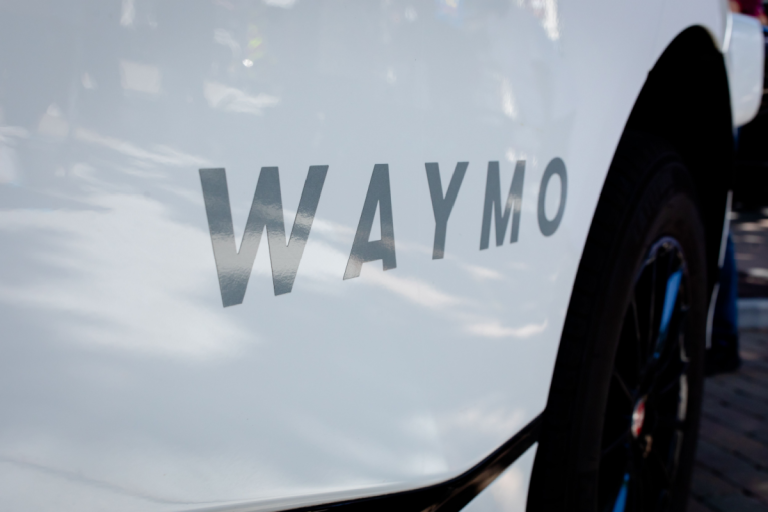
Waymo, the autonomous vehicle company owned by Alphabet, has secured 16 billion dollars in new funding to accelerate the expansion of its driverless taxi operations. The capital raise supports plans to scale robotaxi services across more than a dozen new international cities, marking a major step in Waymo’s transition from long term research project to large scale commercial operator.

Funding Round and Valuation

The funding round was led by Dragoneer Investment Group, DST Global, and Sequoia Capital, valuing Waymo at 126 billion dollars. Alphabet participated in the round and retained its position as majority investor. Additional backing came from a wide group of institutional investors, underscoring continued confidence in Waymo’s technology and growth trajectory.

Rapid Geographic Expansion

Waymo said the new capital will be used to support rapid expansion that gained momentum over the past year. The company has expanded its robotaxi services throughout Northern California and major US cities including Los Angeles, Austin, Atlanta, and Miami. It recently secured approval to offer rides to and from San Francisco International Airport, a key milestone for commercial deployment.

The company plans to extend operations internationally, with Tokyo and London identified as priority markets. Waymo has stated its goal is to prepare ride hailing operations in more than 20 additional cities during 2026.

From Research Project to Commercial Scale

Waymo began as Google’s self driving car project and spent years testing autonomous vehicles on public roads with safety drivers. Its first major geographic expansion occurred in Phoenix, where it eventually removed human drivers entirely and launched the first public robotaxi service using Chrysler Pacifica minivans.

Momentum increased in 2023 after Waymo received the final regulatory approvals to charge for autonomous rides in California. Since then, service coverage has expanded across the Bay Area and onto regional freeways, signaling growing operational confidence.

Rising Usage and Market Adoption

The expansion has translated into significant growth in ride volume. Waymo now provides roughly 400,000 rides per week across six major US metropolitan areas. In 2025 alone, the company tripled its annual ride volume to 15 million rides, surpassing 20 million lifetime rides overall.

Regulatory Scrutiny and Safety Concerns

As operations scale, Waymo has faced increased scrutiny from regulators and local communities. Federal safety agencies have opened investigations into incidents involving robotaxis near school zones, including cases where vehicles allegedly failed to comply with school bus laws.

Most recently, the National Highway Traffic Safety Administration launched an investigation after a Waymo vehicle struck a child near a school at low speed, resulting in minor injuries. These incidents highlight the growing regulatory and public pressure accompanying autonomous vehicle deployment.

Conclusion

Waymo’s 16 billion dollar funding round marks a pivotal moment in the commercialization of autonomous ride hailing. While the company is rapidly expanding its global footprint and scaling usage, its future success will depend on balancing growth with safety, regulatory compliance, and public trust as driverless technology moves into everyday urban life.

Nipah Virus Cases Spur Heightened Regional Surveillance

Several countries across Asia, including Thailand and Nepal, have stepped up health surveillance after new cases of the Nipah virus were detected in India. While the virus carries a high fatality rate, health authorities and experts say the likelihood of a global outbreak remains low. The latest cases have nonetheless renewed attention on the virus, its transmission, and preparedness measures.

Confirmed Cases and Official Response

According to the World Health Organization, two confirmed cases of Nipah virus have been identified in West Bengal, India, involving a 25 year old female nurse and a male nurse of the same age. Indian health authorities have deployed an outbreak response team, and international agencies are closely monitoring developments.

The United States Centers for Disease Control and Prevention has confirmed it is in contact with local officials and is actively monitoring the situation. Regional governments have introduced screening measures at airports, particularly for flights arriving from affected areas.

What Is the Nipah Virus

Nipah virus is a zoonotic disease, meaning it is transmitted from animals to humans. First identified in 1999 during an outbreak affecting pigs and people in Malaysia and Singapore, the virus is most commonly associated with fruit bats, which act as its natural reservoir.

Transmission can occur through direct or indirect contact with infected animals, contaminated food, or through close contact with bodily fluids of an infected person, particularly in health care settings.

Symptoms and Health Risks

Symptoms typically appear between four and 14 days after exposure. Early signs include fever, headache, cough, sore throat, difficulty breathing, and vomiting. Because these symptoms resemble many common illnesses, early diagnosis can be challenging.

In severe cases, the virus can cause neurological complications such as disorientation, seizures, and encephalitis, an inflammation of the brain. These symptoms can progress rapidly, sometimes leading to coma within 24 to 48 hours. Fatality rates range from 40 percent to as high as 75 percent, and some survivors experience long term neurological effects.

Treatment and Medical Research

There is currently no specific antiviral treatment approved for Nipah virus. Medical care is limited to supportive treatment, including rest, hydration, and management of complications.

However, several treatments are under development. Researchers are testing a monoclonal antibody therapy that has completed early phase clinical trials and is being used on a compassionate basis. Studies are also examining the potential effectiveness of remdesivir, an antiviral drug previously used in the treatment of COVID-19, which has shown promising results in animal studies.

Likelihood of Wider Spread

Experts emphasize that despite the severity of the disease, widespread international transmission is unlikely. Nipah virus typically spreads through close contact, and outbreaks have historically been contained through standard infection control measures.

Health specialists note that lapses in protective practices, such as inadequate use of gloves or masks in medical settings, have played a role in past transmissions.

Environmental Factors and Long Term Concerns

Public health researchers have also highlighted the role of environmental change in the emergence of zoonotic diseases. Habitat destruction and climate change may be increasing contact between humans and wildlife, including fruit bats that carry the Nipah virus.

These dynamics underscore the importance of surveillance, early detection, and global cooperation in preventing future outbreaks.

Conclusion

The detection of new Nipah virus cases in India has prompted precautionary measures across the region, but experts stress there is no immediate cause for global alarm. Continued monitoring, adherence to infection control practices, and ongoing medical research remain key to managing the risks posed by this rare but dangerous virus.

Laura Fernández Wins Costa Rica Presidency

Rightwing populist Laura Fernández has won Costa Rica’s presidential election in a decisive first round, pledging to confront rising violence linked to the cocaine trade and to continue the political course set by outgoing president Rodrigo Chaves. Her landslide victory reflects voter frustration with crime and corruption and signals a broader rightward shift in Latin American politics.

Election Results and Victory Margin

With 94 percent of polling stations counted, Fernández secured 48.3 percent of the vote, comfortably surpassing the 40 percent threshold required to avoid a runoff. Her closest rival, centre right economist Álvaro Ramos, received 33.4 percent, according to the Supreme Electoral Tribunal. Ramos conceded defeat as results confirmed the ruling party’s commanding lead.

Political Continuity and Party Support

Fernández is widely seen as the political heir to outgoing president Rodrigo Chaves, who selected her from relative obscurity to serve first as planning minister and later as chief of staff. Supporters celebrated her victory across the country, praising Chaves’ legacy and expressing confidence that his agenda would continue under her leadership.

In her victory remarks, Fernández thanked Chaves for placing his trust in her and vowed to fight tirelessly for economic growth, freedom, and national progress.

Crime and the Drug Trade Challenge

Costa Rica, long regarded as a stable democracy in Central America, has faced a sharp deterioration in security. The country has shifted from a transit point to a logistics hub in the global drug trade, with Mexican and Colombian cartels fuelling turf wars. As a result, the murder rate has surged by 50 percent over the past six years, reaching 17 homicides per 100,000 people.

Influence of Regional Security Models

Fernández has openly cited El Salvador’s president Nayib Bukele as an inspiration for her tough stance on crime. Bukele, known for mass arrests of suspected gang members without charge, was the first foreign leader to congratulate her. Fernández has promised to complete a maximum security prison modeled on El Salvador’s Terrorism Confinement Center, stiffen prison sentences, and impose states of emergency in areas hardest hit by violence.

Public Support and Criticism

Some voters backed Fernández as a continuity candidate, arguing that rising violence is a consequence of pursuing criminal leaders rather than a failure of policy. Others, including former president and Nobel peace prize laureate Óscar Arias, have warned that democratic institutions could be at risk. Arias cautioned that constitutional reforms could be used to allow Chaves to return to power sooner than permitted under current law.

Legislative Assembly and Governance Outlook

Alongside the presidential vote, Costa Ricans also elected members of the 57 seat Legislative Assembly. Fernández’s ability to implement her agenda will depend on legislative dynamics, particularly amid concerns from critics who fear constitutional changes and expanded executive power.

Conclusion

Laura Fernández’s landslide victory underscores Costa Rica’s shift toward tougher security policies in response to escalating drug related violence. While supporters see her as a decisive leader capable of restoring order, critics remain wary of potential risks to democratic norms as the country enters a new political chapter.

China to Ban Concealed Door Handles on EVs

China is set to become the first country to ban concealed door handles on electric vehicles, responding to mounting safety concerns following several deadly accidents. The move targets a design feature popularised by Tesla and widely adopted across the global EV industry. Regulators say the new rules aim to strengthen vehicle safety standards and ensure occupants can exit cars during emergencies, even in the event of power failure.

New Safety Regulations Announced

China’s Ministry of Industry and Information Technology announced that all cars sold in the country will be required to include a mechanical release on both the interior and exterior of every door, with the exception of the boot. The regulation is scheduled to take effect on 1 January next year and applies to both fully electric vehicles and hybrids.

The rules specify that vehicles must provide a manually operable space measuring at least 6cm by 2cm by 2.5cm to release doors without electricity. Inside the vehicle, clear visual instructions must indicate how occupants can open doors manually in an emergency.

Origins and Spread of the Design

Flush mounted pop-out door handles were first introduced to the mass market with the release of the Tesla Model S in 2012. Designed to reduce aerodynamic drag, the handles sit flush with the car body and rely on electronic signals to activate the latch.

Since then, the design has become common across the EV industry. In China, state media reports that roughly 60 percent of the top 100 bestselling new energy vehicles feature concealed door handles, making the regulation particularly impactful for domestic manufacturers.

Impact on Automakers

Vehicles released after January next year must comply with the new standards, forcing many manufacturers to redesign existing models. Cars that have already received regulatory approval and are nearing market launch will be granted a two year grace period to update their designs.

China is the world’s largest electric vehicle market, and its manufacturers are increasingly exporting vehicles abroad. As a result, the regulation could influence global EV design practices, especially for brands seeking access to the Chinese market.

Deadly Accidents and Global Scrutiny

The ban follows several high profile accidents in which occupants were trapped inside vehicles after power failures disabled electronic door systems. In October, a fatal crash in Chengdu involving Xiaomi’s SU7 electric sedan left bystanders unable to open the doors before the car caught fire.

In the United States, Tesla is facing a lawsuit related to a 2024 Cybertruck crash in which a fire cut power to the vehicle’s electric doors, trapping passengers inside. Three of the four occupants died, according to a police report.

China’s Expanding EV Influence

China’s dominance in the EV market gives the regulation significant weight. Recent figures show that Chinese automaker BYD surpassed Tesla in global EV sales last year for the first time. With dozens of Chinese brands expanding internationally, the country’s safety standards may increasingly shape global industry norms.

Conclusion

China’s decision to ban concealed door handles marks a major shift in electric vehicle safety regulation. By prioritizing mechanical fail safes over design efficiency, regulators are signaling that occupant safety will outweigh aesthetic and aerodynamic gains, potentially setting a precedent for EV markets worldwide.

Early blood markers could transform Parkinson’s detection

Breakthrough identifies disease before major brain damage

Researchers led by Chalmers University of Technology in Sweden have identified biological markers that reveal Parkinson’s disease at a very early stage, potentially years before the classic motor symptoms appear. The findings suggest the disease leaves detectable traces in the blood, but only during a limited early window.

The discovery could open the door to blood-based screening tests and earlier intervention, a major step forward for a neurological condition that currently lacks both a cure and an effective early diagnostic method.

Parkinson’s disease affects more than 10 million people worldwide, and with ageing populations, that number is expected to more than double by 2050. By the time tremors and movement problems appear, however, a large proportion of the brain cells involved are already irreversibly damaged.

A critical window before symptoms emerge

The study, published in npj Parkinson’s Disease, was conducted in collaboration with Oslo University Hospital in Norway. It focuses on biological changes that occur during the very earliest phase of the disease, which can last up to 20 years before motor symptoms fully develop.

According to the researchers, between 50% and 80% of the relevant nerve cells are often already lost by the time Parkinson’s is clinically diagnosed. Identifying the disease earlier could therefore be crucial to slowing or even preventing further progression.

The team concentrated on two cellular processes believed to play a key role early on: DNA damage repair, which allows cells to detect and correct genetic damage, and the cellular stress response, a protective mechanism that prioritizes repair over normal cell activity.

Distinct gene activity detected in blood

Using machine learning and advanced data analysis, the researchers identified a unique pattern of gene activity linked to these two processes. This pattern was found only in individuals in the early phase of Parkinson’s and was absent in both healthy individuals and patients who had already developed motor symptoms.

This suggests there is a short but crucial period during which the disease can be detected via blood analysis, before significant neurological damage occurs.

Early symptoms during this phase may be subtle and non-motor, including sleep disturbances such as REM sleep behavior disorder, reduced sense of smell, or depression, making biological detection particularly valuable.

Path toward screening and future treatments

Unlike previous approaches relying on brain imaging or spinal fluid analysis, the newly identified markers can be measured in blood. This makes large-scale screening more feasible, cost-effective, and accessible within routine health care.

The researchers believe that within five years, blood tests based on these biomarkers could begin clinical trials in health systems. In the longer term, understanding these early mechanisms may also help guide the development of treatments, including the possibility of repurposing existing drugs used for other conditions.

By capturing Parkinson’s disease at its biological starting point, the study offers hope not only for earlier diagnosis, but also for interventions that could fundamentally change how the disease is managed.

Volvo commits to Apple CarPlay across EV lineup

Clear contrast with rivals dropping CarPlay

Volvo has confirmed it will continue to support Apple CarPlay across its vehicle lineup, including electric models, positioning itself as an alternative for buyers turned off by other automakers moving away from Apple’s in-car ecosystem.

Speaking in Stockholm ahead of the debut of the 2027 EX60, Volvo’s Chief Engineering and Technology Officer Anders Bell said the decision reflects the company’s broader philosophy around user choice and digital integration.

“Yes, absolutely we will,” Bell said when asked if Apple CarPlay would remain available. “We want to integrate into your digital life, not force you into something. We need to adapt to you, whatever your digital ecosystem is.”

Apple Music coming as a native app

Beyond maintaining Apple CarPlay, Volvo plans to deepen its Apple integration by introducing a native Apple Music app within its infotainment system. Bell said the move is designed to maximize audio quality, particularly for vehicles equipped with Volvo’s high-end sound systems.

“If you want to run Apple Music through CarPlay, fine,” Bell explained. “But if you want to run it natively, there’s a dedicated app. We have a mind-blowing sound system in this car, and we want as much Spatial Audio as possible. Apple Music is the biggest platform for that.”

The approach allows drivers to choose between CarPlay and Volvo’s native interface without sacrificing access to key services.

Native systems improving, but choice remains

Bell acknowledged that as in-car software improves, some drivers may gradually rely less on Apple CarPlay. However, he emphasized that the decision should always rest with the customer.

“Maybe people will walk away from CarPlay over time,” he said. “Our job is to provide the best native experience we can. But if you want Android Auto or Apple CarPlay, the integration should be supremely good. The customer needs to choose.”

He also offered a candid assessment of why CarPlay gained traction in the first place, noting that early automotive infotainment systems often fell short. While Bell personally uses Volvo’s native system most of the time, he stressed that personal preference should never be imposed on buyers.

Design philosophy driven by customer habits

Volvo’s stance aligns with comments made previously by Senior Design Manager Sara Erichsen Susnjar, who said the company wants to own its technology stack and hardware to deliver a more refined experience. At the same time, she acknowledged the importance of meeting customer expectations, especially in markets like the United States.

According to Erichsen Susnjar, Apple CarPlay penetration is particularly high among US buyers, and there is strong overlap between Apple users and Volvo customers. While Volvo aims to differentiate itself through its own software and design choices, it does not intend to ignore tools that customers already rely on daily.

The result is a strategy that balances control with flexibility, allowing Volvo to build its own digital identity while continuing to support the platforms many drivers consider essential.