
Home Blog Page 42

Canada Plans Targeted Response to Trump’s New Tariffs

Ottawa avoids food and key components to limit impact on Canadians

Canada will not impose retaliatory tariffs on essential U.S. goods such as food or industrial components critical to domestic jobs, according to federal trade advisers David MacNaughton and Senator Hassan Yussuff. Their comments came just ahead of President Donald Trump’s expected announcement of sweeping new tariffs from the White House Rose Garden.

Prime Minister Mark Carney has paused his campaign to return to Ottawa for emergency cabinet meetings. While he reiterated that Canada will respond if further measures are imposed, he emphasized a “judicious approach” to retaliation that minimizes harm to Canadians while targeting U.S. political and business allies.

Strategic retaliation, not dollar-for-dollar tariffs

Canada’s response will not match U.S. tariffs dollar for dollar. Instead, Ottawa is preparing a smarter retaliation strategy targeting areas that will hurt Trump politically without raising costs for Canadian families.

“If people are buying food, why would you hit them?” said Yussuff, adding that essential imports like nutrition-related goods should be spared. MacNaughton stressed that tariffs must focus on “real pain points for Trump” while sparing Canada’s own economy.

Canada has already imposed tariffs worth $60 billion and has prepared a list of 4,000 U.S. products worth $155 billion as potential targets. Final decisions are expected by Thursday following cabinet deliberations.

Autos likely spared to protect Ontario economy

Despite U.S. threats of 25% tariffs on Canadian autos and critical minerals, sources say Ottawa is unlikely to retaliate with auto-sector tariffs due to the risk of massive job losses in Ontario. The province’s auto industry employs over 500,000 Canadians and is tightly integrated with U.S. supply chains.

Ontario Premier Doug Ford appeared on U.S. television to plead with lawmakers to oppose the tariffs, warning that “termination day” was a more apt description than Trump’s so-called “Liberation Day.” Ford said U.S. plants reliant on Canadian materials will be forced to close and urged deeper cooperation between the two countries.

Canada stands firm on non-negotiable values

Carney reaffirmed that language, culture, and agricultural supply management are off the table. “The French language is off the table. Supply management is off the table. Culture is off the table.

Meanwhile, coordination is ongoing with Mexico, with Carney speaking to President Claudia Sheinbaum to strategize on joint trade responses. Analysts note that Ottawa has prepared for this moment, with months of scenario planning underway since Trump’s return to office.

Trump has already imposed tariffs on steel, aluminum, and global auto imports, with additional levies on Canadian imports and energy looming unless Ottawa curbs fentanyl flow and illegal migration. The White House is reportedly planning up to 20% tariffs on nearly all U.S. trading partners.
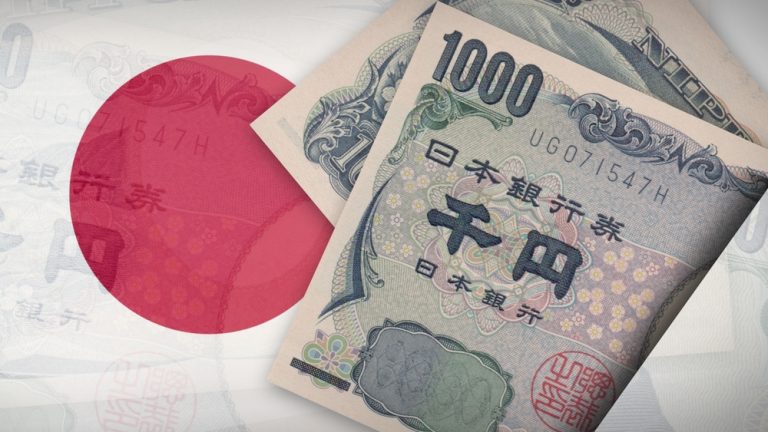

BOJ Chief Warns U.S. Tariffs Could Hit Global Growth

Ueda urges G20 dialogue as Trump prepares sweeping trade measures

Bank of Japan Governor Kazuo Ueda warned Wednesday that President Donald Trump’s planned reciprocal tariffs could deliver a serious blow to global trade and growth, adding to uncertainty in an already fragile economic environment.

“The impact of U.S. tariff policy on the global economy is highly uncertain,” Ueda told Japan’s parliament just hours before Trump is expected to unveil new duties. “But depending on the range and scale of U.S. tariffs, they could have a big impact on each country’s trade activity.”

Trump tariffs seen as global risk

Trump’s upcoming announcement is set to include a 25% tariff on auto imports starting April 3, alongside a broader package of global reciprocal tariffs. These measures will add to existing tariffs on aluminum, steel, and all Chinese goods.

Ueda emphasized the need for international cooperation and said he would like to discuss the ramifications of U.S. trade policy with G20 finance ministers during their upcoming meetings in Washington. The spring IMF and G20 meetings are expected to focus heavily on the economic fallout of America’s tariff stance.

Global factory activity slows

March surveys showed manufacturing activity slowing in Japan, Britain, and the U.S. as businesses brace for potential disruptions in supply chains and cross-border demand. Ueda noted that aside from trade flows, tariffs could also weigh on the confidence and spending behavior of households and companies worldwide.

“While higher tariffs are likely to push up U.S. inflation in the short term,” Ueda said, “the longer-term effect is unclear, as the same tariffs could dampen economic activity and curb price growth.”

Implications for Japan’s monetary policy

Analysts say the extent of U.S. tariffs and their impact on Japan’s economy could influence the Bank of Japan’s interest rate strategy. The BOJ will hold its next policy meeting from April 30 to May 1. A Reuters poll indicates that most economists expect the central bank’s next rate hike in Q3 2025, likely in July.

While it remains unconfirmed whether Ueda will attend the G20 sessions, BOJ governors and Japan’s finance ministers traditionally participate in these meetings.

Germany Pledges €600B to Rebuild Military Might

Merz plans historic investment to strengthen Bundeswehr

As the Trump administration presses for a Ukraine ceasefire deal viewed by many as favoring Russia, European leaders are rethinking defense. At the heart of this shift is Germany, where years of underinvestment in the Bundeswehr are being reversed.

Presumptive Chancellor Friedrich Merz has initiated sweeping reforms, backed by a newly modified constitutional debt brake that unlocks up to €600 billion in defense funding over the next decade—equivalent to 3.5% of Germany’s GDP. CNN reports that the country is preparing for its most aggressive military buildup since the Cold War.

Simulated NATO exercises show renewed urgency

During recent NATO drills in central Germany, German Brig. Gen. Ralf Hammerstein said Germany must “step up” as a reliable European partner. The invasion of Ukraine in 2022 marked a “turning point”—the Zeitenwende—for Berlin’s strategic posture.

Outgoing Chancellor Olaf Scholz initiated the change by establishing a one-off €100 billion fund to modernize the Bundeswehr, but poor execution and political disputes slowed progress. Merz now seeks to accelerate those reforms and hit NATO’s 2% GDP target permanently.

Massive hurdles in recruitment and infrastructure

Despite this newfound ambition, the Parliamentary Commissioner for the Armed Forces, Eva Högl, paints a grim picture. The Bundeswehr missed its recruitment targets again and now stands at 181,174 troops—well below the 203,000 goal. Facilities remain outdated and understaffed, with an estimated €67 billion needed for infrastructure upgrades.

Hammerstein, who joined as a conscript, supports reintroducing some form of mandatory service to boost numbers. The average age of soldiers has risen to 34, up from 32.4 in 2019.

Public support rises as national mindset evolves

Historically cautious due to its past, Germany’s public is now increasingly supportive of military investment. A March ARD poll showed 66% back increased defense spending, and 59% would accept more national debt to fund security and infrastructure.

“Germany is back,” Merz declared in Berlin. “Germany is making a significant contribution to the defense of freedom and peace in Europe.”

CoreWeave Prices IPO Below Range Amid Market Headwinds

Cloud AI provider valued at $19B after raising $1.5B

CoreWeave CEO Mike Intrator defended the company’s lower-than-expected IPO pricing on Friday, citing broader macroeconomic headwinds as a key factor. The AI-focused cloud provider priced its shares at $40—well below the initial $47–$55 range—and begins trading on the Nasdaq under the symbol CRWV.

“There’s a lot of headwinds in the macro,” Intrator told CNBC’s Squawk Box. “And we definitely had to scale or rightsize the transaction for where the buying interest was.”

Nvidia backs offering with $250M order

Despite the reduced price, the IPO raised $1.5 billion, giving CoreWeave a non-diluted valuation of approximately $19 billion. Around 10 to 15 long-only and strategic investors made up the majority of the backing group, CNBC reported. Nvidia, a close partner and supplier, anchored the offering with a $250 million order.

Intrator said the funds will be used to pay down CoreWeave’s nearly $8 billion in debt and support continued expansion, especially in Europe. The company offers access to Nvidia GPUs for AI training and high-performance computing workloads and has experienced skyrocketing demand.

Long-term strategy, rapid scale-up

“One of the things that’s made us incredibly effective is we take a really long-term view of where this space is going,” said Intrator. “Our customers are telling us, universally, to continue to build – we cannot keep up with the scale.”

The IPO followed strong market momentum from DeepSeek, which Intrator said pushed CoreWeave to “build bigger” and “build faster.”

Administrative misstep disclosed

Intrator also addressed a loan-related technical default disclosed in the company’s S-1 filing. The $7.6 billion loan, initially used to finance European expansion, triggered issues due to administrative errors, but the company quickly resolved them with lenders. “Those lenders proceeded to go ahead and continue to lend us hundreds of millions of dollars after all of these issues,” he said.

Rivian Spins Out ‘Also’ to Develop Small EVs

Rivian Automotive has launched a new start-up called Also, spinning out its electric micromobility business into an independent entity. Also aims to develop small, lightweight electric vehicles (EVs) to address transportation challenges around the world.

In support of this initiative, Also has secured a $105 million investment from Eclipse Ventures to fund its next phase of growth. Initially developed as a stealth project within Rivian, Also now operates as a standalone company focusing on a broad range of electrified micromobility solutions.

The company plans to debut its flagship product in 2026, targeting the U.S. and European markets, with plans to expand into Asia and South America with vehicles designed for both consumers and commercial use.

Rivian’s founder and CEO RJ Scaringe will serve as chairman of Also’s board of directors. “We believe in a future where there are a broad range of transportation vehicle types available to customers,” Scaringe said. “Small electric vehicles will play a key role in efficient, clean and convenient mobility, opening new opportunities for people to get around quickly and with minimal impact.”

While Rivian retains a minority stake in Also, the companies anticipate potential collaborations, including shared use of Rivian’s retail network. Rivian will continue to concentrate on its core vehicle business, including the launch of its R2 midsize SUV at its Normal, Illinois plant, with deliveries expected in the first half of 2026.

Rivian recently reported a Q4 2024 gross profit of $170 million, a substantial turnaround from the $606 million loss in the same quarter of 2023. The company also reduced its net loss to $743 million, down from $1.52 billion the previous year.

Dollar Tree Gains Ground as Economic Strain Deepens

Rising Shopper Traffic Across Income Brackets

Americans’ economic worries may be good for business at Dollar Tree. People of all economic backgrounds are turning to Dollar Tree (DLTR) to stretch their budgets, CEO Michael Creedon said during a conference call on Thursday, bolstering sales and market share. The retailer’s traffic increased 0.7% and the average transaction amount grew 1.3% year-over-year for the quarter ended Feb. 1, according to Dollar Tree.

“It doesn’t matter how much money you make, everybody is hurting right now,” Creedon said, according to a transcript made available from AlphaSense. “The good news is: Dollar Tree and Family Dollar are a big part of that answer to what hurts.”

Middle-Income Households Fuel Core Growth

Dollar Tree is seeing more business come from higher-income households, while lower-income shoppers need the chain to make it between paychecks, Creedon said. He noted that about half of Dollar Tree’s shoppers are middle income, and they have traditionally shopped its stores’ seasonal and holiday merchandise.

“That’s our bread and butter,” Creedon said of middle-income households, according to the transcript. “They need us to live and celebrate their lives.”

Discount Retail Thrives in Economic Uncertainty

Other retailers are catering to consumers’ desire to save, including Dollar General (DG). Target (TGT) said late last year that it cut thousands of prices as customers grew “increasingly resourceful.” Americans are frequenting fast-casual joints instead of sit-down restaurants and buying smaller packages at the supermarket, executives said. Walmart (WMT) has seen growth in its higher-income clientele.

Dollar Tree said today that it estimates bringing in more than $800 million for selling Family Dollar to private-equity firms. Dollar General shares recently rose nearly 3%.

Affirm Teams Up with JPMorgan to Expand BNPL Services

Fintech lender Affirm said Tuesday that it’s reached an agreement with JPMorgan Chase to offer its buy now, pay later loan services to merchants on the bank’s payments network.

U.S. merchants who use JPMorgan to handle payments can soon add Affirm to their checkout pages, according to a release. Consumers will have access to loans ranging from 30 days to 60 months, according to Affirm.

The deal follows a similar announcement from rival Klarna last month, in which the Swedish fintech said it would be available to JPMorgan’s merchants. Affirm and Klarna are increasingly going head-to-head as the buy now, pay later field matures in the U.S.; Affirm is publicly traded and seeking to steadily grow profits, while Klarna recently filed for a U.S. IPO.

“The demand for diverse payment options, flexibility, and seamless transactions from both merchants and their customers is at an all-time high,” Michael Lozanoff, global head of merchant services at J.P. Morgan Payments, said in the release.

“By incorporating Affirm as a payment method into our Commerce Platform, we are empowering businesses to deliver the services they need and the experiences that customers increasingly expect as part of their retail journey,” he said.

Affirm said the deal was an expansion of existing banking and processing relationships with JPMorgan, the largest U.S. bank by assets. It wasn’t immediately clear when the new option would be available to merchants.

Why Grocery Prices Stay High Despite Falling Costs

Egg prices drop again — but shoppers aren’t seeing relief

National egg prices have dropped for the third consecutive week, but if you’ve been to a Valley grocery store lately, you’d never know it. A dozen large white eggs can still cost up to $9.99 — triple the national wholesale average of $3.27, according to the USDA. So why is the price on the shelf so out of sync with the market?

“It takes time for price changes to reach consumers,” explains Adrian Larson, partner at EP Wealth Advisors. The price you see reflects inventory bought weeks ago at higher rates, not current wholesale costs. Until that stock is sold, retailers often won’t adjust pricing — especially in today’s unstable market conditions.

Bottom line: Retailers are reluctant to cut prices too quickly, aiming to preserve profit margins amid supply chain unpredictability.

Three ways to manage food costs right now

While prices lag behind, here’s what Larson suggests shoppers can do to soften the blow:

1. Change what’s on your plate

  • Look for store brands that match your quality expectations.
  • Swap expensive items for more affordable alternatives (e.g., replace eggs with beans or tofu).
  • Adjust meal plans to reflect changing prices — without sacrificing nutrition.

2. Shop with a strategy

  • Use online ordering to monitor and limit your spending in real time.
  • Identify core vs. splurge items and cut back where you can.
  • Sign up for store loyalty programs to access exclusive discounts on staples.

3. Tighten up your broader budget

  • Review your full spending habits — not just groceries — for potential cutbacks.
  • Focus on free or low-cost sources of joy while pulling back on discretionary expenses.
  • Accept that some changes are temporary and prioritize financial stability.

Canada’s Retail Sales Fall 0.6% in January Amid Car

Consumer Spending Slows More Than Expected

Canada’s retail sales dropped 0.6% in January to C$69.4 billion ($48.31 billion), exceeding analysts’ expectations of a 0.4% decline, according to data released by Statistics Canada on Friday.

In volume terms, sales shrank 1.1%, marking the steepest decline in two years. The slowdown follows an upwardly revised 2.6% increase in December, which had been boosted by holiday shopping and a temporary sales tax break that expired in mid-February.

Automotive and Grocery Sales Lead the Decline

Three out of nine retail subsectors saw declines in January:

  • The automotive parts and dealers sector experienced a 2.6% drop.
  • Supermarkets and grocery stores saw sales shrink by 2.5%.
  • Food and beverage retail sales also declined.

Despite the broader decline, the gasoline and fuel vendors sector provided a boost, with a 3.2% revenue increase during the month.

Impact of Tariffs and Economic Outlook

The Bank of Canada has warned that consumer spending is likely to weaken further due to tariffs imposed by U.S. President Donald Trump. While the direct effects of the levies may not fully materialize until March, uncertainty surrounding trade policies could begin affecting consumer confidence as early as February.

“The tax holiday will continue to add some noise to the data through March—just in time for tariff uncertainty to hit consumer sentiment,” said Shelly Kaushik, senior economist at BMO Capital Markets.

February Sales Indicate Further Decline

A preliminary flash survey of half the usual respondents suggests that February retail sales likely declined by 0.4%, according to Statistics Canada.

Retail Sector’s Role in Economic Growth

Retail sales account for nearly 40% of total consumer spending in Canada, making them a key early indicator of GDP growth. The sector played a significant role in sustaining Canada’s economic expansion in the third and fourth quarters of 2024, but the latest data suggests a cooling trend.

Finland Ranked Happiest Country Eight Year

Nordic Nations Lead Global Happiness Rankings

Finland has been named the world’s happiest country for the eighth consecutive year, according to the World Happiness Report 2025 released Thursday. Other Nordic countries, including Denmark, Iceland, and Sweden, also dominated the top rankings.

Why Finland Stands Out

Finns attribute their happiness to factors such as strong social trust, clean nature, and a balanced lifestyle. Aino Virolainen, a digital commerce director, emphasized the importance of peace, fresh air, and direct communication in Finnish culture.

Key Factors Behind Global Happiness

  • Social connections: Sharing meals and having reliable social support significantly impact happiness levels.
  • Trust and kindness: Countries where people expect lost wallets to be returned tend to rank higher.
  • Household size: Studies show that four- to five-member households predict the highest levels of happiness.

U.S. Happiness Drops to Record Low

The United States fell to 24th place, its lowest ranking ever, reflecting growing social isolation. The number of Americans dining alone has surged by 53% in the last two decades.

Other Global Trends

  • Israel, despite ongoing conflict, ranked eighth.
  • Costa Rica and Mexico entered the top ten for the first time.
  • Afghanistan remains the world’s unhappiest country, with women facing particularly harsh conditions.

Social Isolation on the Rise

One concerning trend is the increase in social isolation, particularly among young adults. The study found that 19% of young adults globally reported having no social support, a 39% increase since 2006.

Conclusion

While Nordic countries continue to lead in happiness, the report highlights growing concerns about social isolation and trust worldwide. Experts urge investments in community-building and mental well-being to sustain happiness levels.