Home Blog Page 38

Australia’s Inflation Rises Slightly Amid Tariff Turmoil

Australia’s inflation rate edged higher in April, surpassing economists’ expectations and coming at a time of heightened market uncertainty due to global tariff tensions. According to the Australian Bureau of Statistics, the Consumer Price Index (CPI) remained steady at 2.4% year-on-year, just above the anticipated 2.3%. This marks the ninth consecutive month the inflation rate has stayed within the Reserve Bank of Australia’s (RBA) target range of 2-3%.

Core Inflation Remains Elevated

Core inflation, as measured by the trimmed mean CPI, also saw a slight increase in April, rising to 2.8% from 2.7% in March. This measure excludes volatile items like food and energy, making it a critical metric for the RBA in guiding monetary policy. Despite some government rebates and subsidies keeping headline inflation subdued, the upward pressure on core prices continues to concern the central bank. As global trade disruptions and geopolitical instability take their toll, inflation has started to take a backseat to broader economic concerns.

Interest Rate Cuts in Response to Economic Risks

The RBA responded to the evolving inflationary and economic conditions by cutting its cash rate by 0.25 percentage points last week, reducing it to 3.85%. This marks the second interest rate cut of the year, reflecting the RBA’s growing concern about economic growth risks. Governor Michele Bullock signaled a shift in focus from inflation to the downside risks posed by trade tensions and global instability. The RBA is now contemplating further rate cuts, with traders assigning a 70% probability of another reduction during the next meeting in July.

Impact of Tariff Uncertainty on Global Economic Outlook

While Australia’s inflation data provides valuable insight, it comes amid significant external factors that threaten global economic activity. The U.S. administration’s trade policies, including tariffs on various goods, have created uncertainty that affects markets worldwide. In response to these ongoing challenges, the RBA is prioritizing economic stability and growth over immediate inflation control. As inflation pressures subside, policymakers are more focused on navigating the economic turbulence caused by these geopolitical and trade-related events.

Key Drivers of Inflation in April

The April data showed that food prices and housing costs were the largest contributors to the annual inflation increase. Food prices, particularly for non-alcoholic beverages, saw significant rises, with egg prices surging 18.6% due to disruptions caused by bird flu outbreaks. Meanwhile, housing costs, including rents, also climbed by 5% over the year, marking the lowest annual growth since February 2023. Despite these inflationary pressures, the RBA remains cautious and vigilant as it monitors economic conditions and adjusts its policy as needed.


US Consumer Confidence Rises After Tariff Easing with China

Americans have upgraded their outlook on the economy for the first time in five months, following the Trump administration’s agreement to ease tariffs on China, according to the Conference Board’s consumer confidence report released Tuesday. The data shows that consumers are closely tying their economic confidence to the outcome of the trade war, with concerns over personal finances, inflation, and employment prospects easing as tariff tensions between the U.S. and China appeared to cool.

Tariff Deal Boosts Consumer Confidence

Stephanie Guichard, senior economist at the Conference Board, noted that the rebound in consumer confidence was already visible before the May 12 U.S.-China trade deal but gained momentum afterward. “Consumers continued to express concerns about tariffs increasing prices and having negative impacts on the economy, but some also expressed hopes that the announced and future trade deals could support economic activity,” she said. The consumer confidence index rose more than 12 points in May, reflecting improvements across various demographic groups and political affiliations. The largest gains were seen among Republicans.

Optimism About Business, Jobs, and Income

Consumers displayed increased optimism about business conditions, the labor market, and their future income prospects. As a result, fewer consumers now expect a recession, signaling a positive shift in sentiment. Additionally, consumer inflation expectations for the year ahead dropped by half a percentage point to 6.5%, suggesting that inflation concerns may be subsiding. These shifts in consumer outlook suggest that trade tensions, particularly with China, have been a key factor in shaping Americans’ economic confidence.

Survey Timing and Trade Volatility

It’s important to note that about half of the survey responses were collected before Trump’s announcement that the U.S. would reduce tariffs on Chinese imports from 145% to 30% for the next 90 days. The survey period ended before Trump’s latest threat of 50% tariffs on European imports, which was later postponed, highlighting the volatile and unpredictable nature of U.S. trade policy. This constant back-and-forth has made it difficult for analysts to fully assess the long-term impact of tariffs on demand and consumer sentiment.

Shifting Economic Data Amid Tariff Uncertainty

The volatility in trade policy has spilled over into broader economic data. Earlier this year, businesses rushed to stockpile goods in anticipation of new tariffs, which has now led to a significant reversal in certain sectors. For example, factory orders fell by more than 6% in April after a nearly 8% surge the previous month, as companies adjusted their purchasing strategies to avoid tariffs. Additionally, non-defense capital goods orders, which include machinery and construction equipment, plunged by 19% in April, marking one of the steepest drops since the pandemic. This followed a 27% surge in March, highlighting the volatility in business activity as companies react to shifting tariff policies.

Russia Attacks Ukraine for Third Consecutive Night

Russia launched a third consecutive night of attacks on Ukraine, with aerial raids causing casualties and damage across several regions, according to Ukrainian regional officials and emergency services. The latest assault follows the biggest aerial attack of the war, which resulted in at least 12 fatalities and drew widespread condemnation, including from U.S. President Donald Trump.

Kyiv Under Fire: Six-Hour Air Raid Alert

The Ukrainian capital, Kyiv, was under a six-hour air raid alert, as Russian forces continued their assault on the city and its surrounding region. Tymur Tkachenko, head of Kyiv’s military administration, reported that both missile and drone attacks were launched against Kyiv and its neighboring districts. Despite the ongoing bombardment, Russia has not commented on the attacks, continuing its stance that the military operation is a “special military operation” in Ukraine.

Destruction in Southern Odesa and Western Ukraine

In the southern Odesa region, Russian drone strikes caused fires and severe destruction to private homes. Ukraine’s Emergency Service reported that a residential building covering 100 square meters was destroyed by the fire, though it was later extinguished. Regional governor Oleh Kiper confirmed that a 14-year-old boy was injured during the attack. Further west, in Khmelnytskyi, far from the front lines, Russian strikes damaged several private homes and businesses, though no civilian casualties were reported at this stage.

Attacks Across Ukraine: Kharkiv and Cherkasy Targets

In the northeastern part of Ukraine, Russian forces targeted Kharkiv and its outskirts, with explosions heard in various districts. Local officials confirmed that the region had been under attack, though detailed reports on casualties or damage were yet to be fully confirmed. Meanwhile, in the central Cherkasy region, 25 Russian drones were reportedly neutralized overnight, with no reported injuries or damage as of the latest updates from local authorities.

International Reactions and Continued Conflict

The ongoing escalation of violence comes amid growing international concerns about Russia’s aggressive actions in Ukraine. President Donald Trump has condemned the attacks, calling them an example of the brutality of Russia’s actions. The situation in Ukraine remains dire, with continued strikes on multiple regions highlighting the persistent threat to civilians and infrastructure. As the conflict intensifies, the international community faces increasing pressure to respond to the humanitarian crisis unfolding in Ukraine.

Keywords:

US Stocks Fall Amid Trump’s Tariff Threats

U.S. stocks closed lower on Friday, capping off a week of losses as investors reacted to President Trump’s latest tariff threats and the potential economic impact of his tax bill. The Dow Jones Industrial Average dropped 0.6%, the S&P 500 fell roughly 0.7%, and the Nasdaq Composite, known for its tech-heavy composition, backed off about 1%. For the week, all three major indexes recorded declines of more than 2%.

Trump’s Tariff Threats Weigh on Markets

Investors faced heightened uncertainty as President Trump renewed his threats regarding tariffs on tech giants. The market was particularly rattled by his comments that Apple (AAPL) must pay a 25% tariff on iPhones sold in the U.S. but not made there. As Apple has shifted some manufacturing to India, this move added to concerns about trade tensions with China, where Apple’s key suppliers are based. The tech giant’s shares fell about 3% following Trump’s remarks.

Trump also indicated that other mobile phone manufacturers, including Samsung, would face similar tariffs unless they build plants in the U.S. “It would be more, it would be also Samsung and anybody that makes that product, otherwise it wouldn’t be fair,” Trump told reporters on Friday afternoon. “Again, when they build their plant here, there’s no tariffs. So they’re going to be building plants here.” This statement further soured sentiment in the stock market, adding to investor anxieties over future trade developments.

EU Tariff Threats and Supply Chain Concerns

In another move that unsettled investors, Trump threatened to raise tariffs on European Union imports to “a straight 50%” beginning June 1, as stalled trade talks with the EU persisted. His remarks disrupted the calm that had settled over Wall Street heading into the Memorial Day trading break. These tariff threats introduced further complications for companies already struggling with supply chain disruptions due to ongoing trade wars and escalating costs from the existing tariff structure.

Deficit Worries and Tax Bill Impact on Treasury Yields

Stocks also faced pressure from rising concerns over the U.S. deficit, which has been exacerbated by Trump’s massive tax bill. The tax plan, which recently cleared a significant hurdle in the House, has prompted fears that the deficit could balloon by trillions of dollars, stoking a surge in longer-dated Treasury yields. The 30-year yield (^TYX) held above the key level of 5% on Friday, despite easing slightly after recently reaching highs unseen since the financial crisis. The market’s concerns were further fueled by a Moody’s downgrade of U.S. debt, which also contributed to rising yields.

Focus on Nvidia Earnings and Volatility

As the earnings season continues, Wall Street’s attention is now turning to Nvidia (NVDA), with the chip giant set to report its earnings after the bell on Wednesday. Nvidia has found itself in the crosshairs of Trump’s trade policy and ongoing debates within Big Tech over costly investments in artificial intelligence. However, despite the challenges, options traders are anticipating a lower level of volatility in Nvidia’s stock following the release of its results, compared to the recent quarters filled with intense market fluctuations.

With a mix of tariff uncertainties and concerns over the deficit, investors face a tricky road ahead. As they await further developments from the tax bill and earnings reports, market sentiment remains fragile, and the outlook for U.S. stocks continues to be shaped by these economic and geopolitical factors.

Foreign Investors Nervous Over China-Taiwan Tensions

Foreign investors, once unable to imagine a Chinese invasion of Taiwan, are now taking steps to prepare for the increasingly plausible scenario, according to recent developments. The threat of a military conflict has escalated, especially following U.S. President Donald Trump’s trade tariffs that have further strained U.S.-China relations.

Investor Uncertainty and Taiwan’s Vulnerability

Taiwan, a democratically governed island, has been a point of contention between the U.S. and China for years. However, since Trump’s presidency, relations have worsened, causing heightened investor fear. If China were to attempt to annex Taiwan, it could lead to war and significantly alter the island’s economy, potentially removing its market identity and its currency. Investors are faced with a stark choice: stay invested and hope for the best, or stay away entirely.

“You can’t settle any trades, the currency might disappear altogether,” said Mukesh Dave, chief investment officer at Aravali Asset Management in Singapore. “You either carry on like it’s business as usual, or stay away.” The odds of a Chinese invasion have increased, and betting platform Polymarket now estimates the likelihood at 12%, compared to almost none earlier this year.

Capital Flight and Geopolitical Concerns

Concerns over tariffs and the economy have led foreign investors to pull nearly $11 billion out of Taiwanese stocks this year. Despite this, there has been a tentative return in May. The benchmark index for Taiwan is down 6% this year, reflecting the mounting fears surrounding the island’s security.

The U.S. has long followed a policy of “strategic ambiguity,” not clearly indicating whether it would respond militarily to a Chinese attack on Taiwan. However, President Joe Biden has stated that U.S. forces would defend Taiwan. Despite this, geopolitical tensions under Trump, including his rhetoric on global order and his stance on Russia’s invasion of Ukraine, have cast doubts on U.S. protection for Taiwan.

TSMC: The Crown Jewel and Its Strategic Importance

Central to the Taiwan investment story is Taiwan Semiconductor Manufacturing Co. (TSMC), the world’s largest contract chipmaker. TSMC, which powers major companies like Nvidia and Apple, has been a key driver of the stock market’s growth. Many investors believe that TSMC’s importance to the global supply chain will lead the U.S. to defend Taiwan in the event of an invasion.

However, TSMC has also been affected by Trump’s tariffs. Despite this, it remains a critical asset, and many believe the U.S. will continue to strongly protect Taiwan, particularly due to TSMC’s significance.

Risk Management and Diversification

While there may be no way to hedge directly against a potential war, investors can hedge against market declines driven by fear. Some fund managers believe diversifying investments is the best strategy. Li Fang-kuo of Uni-President’s securities investment advisory unit in Taiwan remains skeptical about overestimating the geopolitical risk of war, arguing that the key issue is more likely to be the impact of tariffs.

Rich Nuzum of Mercer, a global pension fund adviser, notes that stress-testing for such crises is becoming more common. “I think stress-testing for crisis is being done more and more,” he said, reflecting the growing awareness among investors of the need to prepare for geopolitical uncertainties.

FDA Limits COVID Vaccine Access, Prioritizes High-Risk Groups

The Trump administration’s recent decision to limit approval for seasonal COVID-19 shots to seniors and those at high risk has raised concerns about accessibility for the general public. The FDA’s new guidelines, published Tuesday in the New England Journal of Medicine, focus on high-risk individuals, prompting questions about whether others will be able to get vaccinated this fall.

FDA Shifts Strategy for COVID Shots

The FDA outlined a new approach, restricting approval for updated COVID vaccines to adults 65 and older and individuals with high-risk health conditions. Dr. Vinay Prasad, an FDA official, described the change as a “reasonable compromise” to continue protecting high-risk groups while gathering more data on the vaccine’s effectiveness for healthier individuals. This marks a departure from the previous policy of recommending annual COVID shots for everyone six months and older.

Confusion Over Vaccine Accessibility

There are concerns about who will qualify for the vaccine under the new framework. Experts like Dr. Paul Offit worry that the new system could make vaccines less accessible and more difficult to insure. Meanwhile, the American Academy of Pediatrics expressed concerns that the change would limit options for parents wanting to protect their children from COVID-19.

Rising Concerns About COVID-19’s Impact

Recent data from the Centers for Disease Control and Prevention shows that over 47,000 Americans died from COVID-related causes last year. Despite the clear risks, the FDA’s new stance may limit access to the vaccine, especially for younger and healthier populations, as the virus continues to be a significant health concern.

Impact of FDA’s New Approach

The FDA’s revised guidelines signal a shift away from the previous “one-size-fits-all” approach to vaccine distribution. Dr. Prasad and FDA Commissioner Marty Makary criticized the current policy, pointing out that some European countries base their vaccination recommendations on factors such as age and risk, rather than a blanket approach. The new guidelines could delay access to updated vaccines for many healthy adults.

Questions About Future Vaccine Approval

The FDA has requested manufacturers conduct new trials for vaccine approval in healthy adults, particularly those aged 50 to 64. This change could lead to more stringent testing requirements for future vaccine approvals, especially in response to major virus mutations. Public health experts are debating the ongoing need for annual COVID vaccines and whether boosters should be recommended only for those at increased risk.

Moody’s Downgrades U.S. Credit Rating as Debt Crisis Grows

For decades, the U.S. national debt has been a growing concern. However, after years of warnings and inaction, the issue is reaching a critical point. With the U.S. national debt now surpassing $36 trillion, recent developments signal that global investors are starting to lose patience. A Moody’s downgrade has sent ripples through global markets, highlighting the growing fiscal challenges ahead.

Moody’s Downgrades U.S. Credit Rating

On May 16, Moody’s downgraded the U.S. credit rating from AAA to AA1, marking the first time in over a century that the U.S. has lost its top-tier rating. The downgrade was attributed to increasing fiscal deficits, a growing national debt, and political dysfunction in Washington. Moody’s noted that successive U.S. administrations and Congress have failed to implement effective measures to reduce the rising fiscal deficit and control interest costs.

The Reaction of Global Markets

The downgrade has already caused a reaction in the bond markets. Unlike the S&P downgrade in 2011, when U.S. Treasury yields fell due to increased demand for safe assets, the Moody’s downgrade has caused U.S. Treasury yields to rise, signaling diminished investor confidence. Investors are increasingly selling U.S. debt, which pushes borrowing costs higher and exacerbates the fiscal challenges the U.S. faces.

Uncertainty Ahead: The Path Forward

The U.S. government continues to struggle with its growing debt burden. The Congressional Budget Office projects that debt held by the public will reach 119% of GDP by 2035. Despite calls for fiscal discipline, politicians have yet to agree on meaningful actions to stabilize the debt. The lack of a credible plan for reform is exacerbating concerns about the U.S.’s fiscal trajectory.

As the debate continues, some economists warn that the U.S. could face more significant financial challenges if interest rates continue to rise. The 10-year Treasury note, a key indicator of investor sentiment, is now hovering around 4.5%. If it crosses 5%, it could signal a more acute crisis.

Trump’s Tax Plan and Its Impact on Debt

President Donald Trump’s recent tax cuts, which are set to add trillions to the national debt, have further complicated the situation. The GOP’s tax bill could potentially increase the debt by $3 trillion to $9 trillion over the next decade. Despite his claims that the tariffs will generate enough revenue to offset these cuts, economists widely disagree, warning that the tariffs will ultimately harm the U.S. economy.

The Challenge for Future Administrations

As the fiscal situation worsens, it is becoming clear that future administrations will have to address the growing debt crisis. The failure to deal with mandatory spending programs like Social Security and Medicare, combined with the continuing effects of tariffs and trade policies, will only make the problem more difficult to solve. Trump’s lack of a clear plan to reduce the deficit leaves the U.S. in a precarious financial position.

While the current administration remains focused on tax cuts and deregulation, without addressing the root causes of the U.S. fiscal challenges, the country may face a financial crisis that could disrupt markets and harm long-term economic growth.

Federal Judge Rejects Vanguard’s $40 Million Settlement

A federal judge on Monday rejected Vanguard Group’s $40 million settlement with investors who claimed the mutual fund giant imposed inflated tax bills in its popular target-date funds. The decision was made by U.S. District Judge John Murphy in Philadelphia.

Settlement Rejected by Judge

Judge Murphy stated that the proposed settlement, announced in November, “provides no value” to investors because Vanguard could have offset the $40 million from its earlier, larger settlement with the U.S. Securities and Exchange Commission (SEC).

The SEC settlement, which provided $135 million in remediation to investors, had already subtracted $40 million and $2.1 million for individual claims. Vanguard’s total payout to the SEC was $106.4 million, which included a $13.5 million civil fine.

Concerns Over Legal Fees

In a 25-page decision, Judge Murphy agreed with an objecting class member that approving the $40 million settlement would leave investors with less money after over $13 million was taken out for legal fees. This made the settlement “not fair, reasonable, and adequate.”

Vanguard’s Argument

Vanguard, however, argued that the objecting class member misunderstood the SEC accord and rejected the settlement based on his objection, which, according to Vanguard, would make it harder for companies to settle similar civil and regulatory actions simultaneously.

Background of the Case

Both settlements stemmed from Vanguard’s December 2020 decision to reduce the minimum investment in lower-cost target-date fund classes, which were initially meant for institutional clients, from $100 million to $5 million. Many investors who qualified for these funds moved from higher-cost retail fund classes, forcing the retail funds to sell assets to meet redemptions and passing taxable capital gains to the remaining investors.

About Vanguard and Target-Date Funds

The target-date funds are designed to become less risky as investors age and to be tax-efficient. Vanguard, based in Valley Forge, Pennsylvania, manages $10.4 trillion in assets as of January 31.

U.S.-China Tariff Pause Causes Shipping Surge

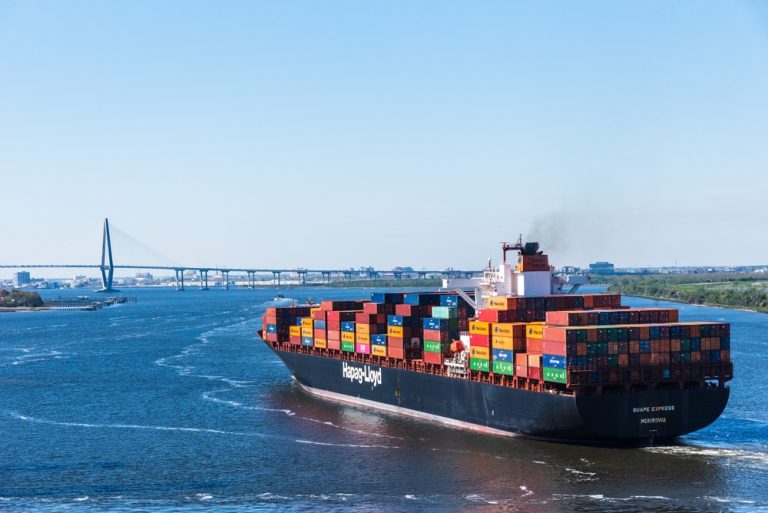
When the Trump administration slapped 145% tariffs on China, the shipping and logistics industries slowed to a trickle. Now they’re dealing with the opposite problem: a surge.

Industry’s Response to Tariff Pause

The administration’s decision to “pause” the steep tariffs for 90 days has left companies rushing to get orders in before the window closes. Insiders say the threat now is clogged ports, delays, and sky-high shipping and trucking rates.

“The only risk that you could see is as you get into June and July, there being a flood of goods, a ton of containers coming in, and there not being enough capacity to execute it,” said Paul Brashier, vice president of global supply chain at ITS Logistics. “And then what happens?”

Ports, Trucks, and Capacity Issues

Since the Covid-19 pandemic, ports have gotten better at managing traffic, but the supply chain industry is still anticipating bottlenecks and capacity crunches, especially in trucking.

Whiplash Effect on the Industry

The whole up-and-down cycle of tariffs and pauses is giving the industry a case of whiplash. Trucking was just emerging from a three-year freight recession brought on by the pandemic when President Donald Trump announced the tariffs.

Possible Layoffs and Industry Impact

If the two sides (the U.S. and China) are unable to reach a deal in the next 90 days, or if the resulting tariffs remain too high for companies to stomach, the industry could face layoffs.

“I mean, 80% of truck drivers voted for Donald Trump in our surveys,” said Craig Fuller, CEO of FreightWaves, an industry news and data provider. “And they’re the ones that are probably most vulnerable in this trade war.”

Trump Strengthens U.S.-UAE Ties Amid AI Push and Trade Deals

President Donald Trump made a visit to the United Arab Emirates (UAE) on Thursday, where he pledged to deepen the U.S.’s relationship with the Gulf nation, particularly in the fields of artificial intelligence (AI) and defense. The trip was part of a broader tour through the region, following his discussions with Qatar regarding a $10 billion military investment in U.S. facilities.

Strengthening Ties with the UAE

During his visit, Trump praised the UAE’s commitment to investing in the United States, referring to a pledge from the UAE to invest $1.4 trillion over the next 10 years. “I have absolutely no doubt that the relationship will only get bigger and better,” Trump remarked during his meeting with UAE President Sheikh Mohamed bin Zayed Al Nahyan. “Thank you very much,” Trump added in gratitude for the generous investment, stating that the U.S. would work hard to deserve it.

AI and Technology Collaborations

One of the key topics of the visit was the UAE’s ambition to become a global leader in artificial intelligence. The U.S. and the UAE have entered a preliminary agreement to import 500,000 of Nvidia’s most advanced AI chips annually. These chips are essential for developing AI models and will be used in the UAE’s expanding data center infrastructure. However, this deal has raised concerns within some U.S. government sectors, as there are national security implications related to the transfer of advanced technology.

Trump and Sheikh Mohamed were seen discussing the deal with Nvidia CEO Jensen Huang, further signaling the importance of this AI collaboration. The visit underscored the deepening technological ties between the two countries.

Strategic Diplomacy and Deals

Trump’s Gulf tour has resulted in several high-profile deals, including a massive $600 billion investment commitment from Saudi Arabia and a significant $142 billion in U.S. arms sales to the kingdom. Additionally, Trump discussed potential nuclear negotiations with Iran and emphasized the importance of strengthening ties with Syria, including urging Syria to establish relations with Israel.

In the UAE, Trump highlighted the significant progress made in securing agreements that would place the region at the forefront of global AI competition, alongside the U.S. and China. With the ongoing talks, the Middle East is poised to become a third major power center in AI.

Looking Ahead

Trump’s visit and his push for greater collaboration with Gulf nations on AI are likely to have a lasting impact on both technological advancements and geopolitical relations. As the U.S. works to stay ahead in the global AI race, these partnerships will play a pivotal role in shaping future policies and economic strategies.