Home Blog Page 29

China Bans Nvidia’s New AI Chips Amid Rising Tensions

Beijing Blocks Latest Chip Purchases

Chinese tech giants including Alibaba and ByteDance are barred from buying or testing Nvidia’s RTX Pro 6000D chips, according to the Financial Times. The Cyberspace Administration of China issued the ban despite companies having placed large orders since the chips launched in July. Sources familiar with the matter told FT that thousands of units were already purchased before the prohibition.

Nvidia’s Response and U.S. Reaction

Nvidia CEO Jensen Huang voiced disappointment during a press event in London, ahead of attending a state dinner with President Donald Trump. “We probably contributed more to the China market than most countries have. And I’m disappointed with what I see,” Huang told reporters. He added that broader geopolitical issues are influencing trade decisions. U.S. House Speaker Mike Johnson criticized China, calling it a “peer-to-peer adversary” and accusing Beijing of ignoring fair trade practices and trademark laws.

Geopolitical and Trade Context

The ban comes after years of escalating chip trade disputes between the U.S. and China. Washington has restricted exports of advanced AI chips, while Beijing has curbed sales of critical materials. China has turned to less powerful Nvidia chips designed specifically for its market. In August, Nvidia worked with the Trump administration to secure a deal allowing sales of H20 chips in China in exchange for the U.S. government receiving 15% of the profits. The new ban highlights Beijing’s increasing focus on building domestic chip manufacturing capabilities to reduce dependence on American suppliers.

Outlook for Tech and Trade Relations

The restriction further complicates Nvidia’s position in one of its largest markets and underscores the broader U.S.-China technology rivalry. Analysts warn the move could accelerate China’s push for self-reliance in semiconductors while limiting U.S. firms’ revenue from the region. Investors and industry observers are watching closely to see whether the ban leads to broader restrictions on other AI hardware and sparks additional U.S. countermeasures.
Apple Releases iOS 26 With Liquid Glass Design

Major Redesign and Version Jump

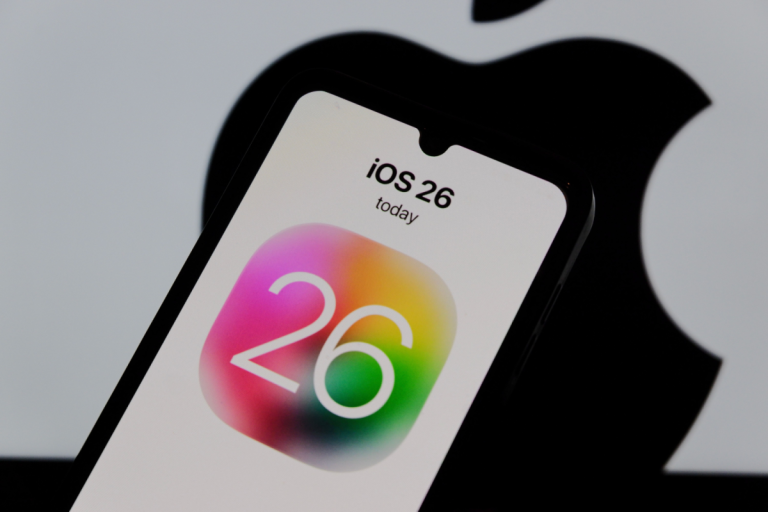
Apple has launched iOS 26 for iPhone 11, iPhone SE 2, and newer devices. The update introduces a “Liquid Glass” interface inspired by Vision Pro, offering a translucent glass-like design across apps. The version jump from iOS 18 to iOS 26 aligns Apple’s operating systems under one numbering scheme and reflects the year of release. While visually striking, early users may need time to adapt to the new interface.

Key Phone and Messaging Features

The Phone app now combines favorites, recents, and voicemails in one screen, with an option to switch back to the classic look. A new call screening tool asks unknown callers for their name and purpose before alerting users, reducing unwanted interruptions. Messages adds group polls, conversation backgrounds, improved photo previews, typing indicators, and stronger spam filtering, though some navigation steps now take longer.

Gaming, Media, and Productivity Updates

The overhauled Games app consolidates current titles, arcade games, achievements, and friend activity in one hub. Apple’s Preview app, long available on Macs, comes to iOS for PDF editing, annotations, and signing. Apple Music gains automixing for seamless song transitions, lyrics translation, and playlist pinning. Apple Maps now supports preferred routes with live traffic notifications and a new places library. The Camera app adopts the Liquid Glass design with simplified controls and swipe gestures for advanced options.

AI and Translation Tools

iOS 26 expands AI-powered translation to system-wide use in Messages, FaceTime, and Phone, supporting English, French, German, Portuguese, and Spanish. Live translation also extends to AirPods Pro 3, Pro 2, and AirPods 4. Visual Intelligence now understands screen content, suggesting calendar events or answering questions, though its activation overlaps with screenshot shortcuts. Genmoji allows users to merge emojis via text prompts, while Image Playground introduces customizations for hair, facial hair, and styles.

Other Enhancements

Users can now set alarm snooze times between 1 and 15 minutes, create digital IDs in Wallet, and use an updated boarding pass display. Voice recording gains input source selection, voice isolation, and local audio capture for podcasts. Reminders automatically generate grocery lists from recipes and surface tasks based on open emails or notes. The App Store now includes accessibility nutrition labels, while parental controls expand to manage communication and age-appropriate app experiences.

Mediterranean Diet Linked to Lower Gum Disease Risk

Diet and Oral Health Connection

A new study has found that following the Mediterranean diet lowers the risk of gum disease, which in turn reduces inflammation tied to chronic illnesses and dementia. Experts highlight that gum health is closely connected to cardiovascular disease and systemic inflammation, both of which can increase the likelihood of conditions such as vascular dementia, diabetes, and fatty liver disease.

Role of Inflammation

Inflammation caused by periodontal disease can weaken blood vessels and damage major organs, including the brain. It can also disrupt the immune system and promote insulin resistance. Researchers emphasize that a predominantly plant-based diet like the Mediterranean model helps reduce inflammation and supports overall health. However, this must reflect the authentic plant-first approach, not a version heavy in red meat and cheese.

What the Mediterranean Diet Involves

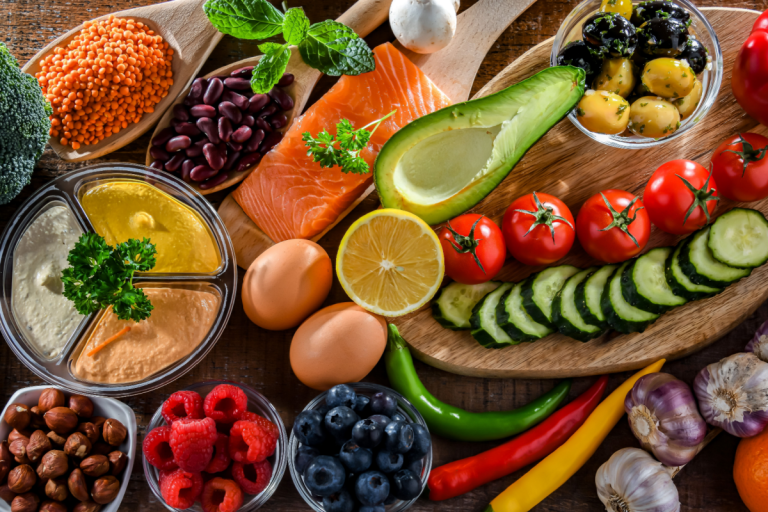
The Mediterranean diet centers on fruits, vegetables, whole grains, legumes, seeds, nuts, and extra-virgin olive oil. Red meat is eaten sparingly, while fish rich in omega-3 fatty acids is encouraged. Poultry, dairy, and eggs are limited, and refined sugars are consumed only occasionally. Social aspects such as eating with family and friends, as well as exercise, are also integral parts of this lifestyle. The approach has been linked to lower risks of diabetes, dementia, depression, breast cancer, and cardiovascular disease.

Study Findings

Published in the Journal of Periodontology, the study assessed 200 UK participants through dental exams, blood tests, and dietary surveys. Results showed that low adherence to the Mediterranean diet and high red meat consumption were linked to severe gum disease and elevated inflammatory markers such as interleukin-6 and C-reactive protein. Conversely, higher consumption of vegetables, legumes, dairy, and olive oil correlated with reduced inflammation.

Practical Takeaways

Chewing vegetables, apples, and citrus fruits—key staples of the diet—promotes healthy gums by stimulating saliva and supporting beneficial bacteria. Experts recommend mindful eating and oral care as part of a holistic approach to reducing chronic disease risks. As one researcher noted, adopting this eating style benefits not just the teeth but the entire body.

Windows 11 Adds Taskbar Fixes and Copilot Prompts

Taskbar Reliability Gets an Upgrade

Microsoft is preparing new updates for Windows 11 that aim to improve some of the operating system’s most criticized features: the taskbar and Start menu. In two new preview builds announced this week, Microsoft says it has addressed issues that users have long found frustrating.

Among the changes, the taskbar is expected to perform more smoothly in auto-hide mode. Users who enable “automatically hide the taskbar” should now experience more reliable animations when the bar disappears or reappears. Microsoft also fixed a bug that prevented interaction with apps or desktop elements in the area directly above the taskbar, a glitch that had been widely reported.

The company noted that if an app requires attention — such as when it highlights orange on the taskbar — the bar will remain visible, ensuring alerts are not missed. These refinements are part of Microsoft’s effort to make Windows 11 more stable and user-friendly as it nears its fourth anniversary.

Start Menu Adds Copilot Recommendations

Alongside the taskbar updates, the Start menu is also receiving a new addition. The “Recommended” section will soon display sample prompts for Microsoft’s AI assistant, Copilot. For example, the menu might suggest trying tasks such as generating an image with Copilot, giving users a quick introduction to the tool’s capabilities.

While the move is designed to increase awareness of Microsoft’s AI features, it may not sit well with all users. Some have criticized the Recommended section as a space for unnecessary clutter or advertising. However, the latest builds now allow users to disable the Recommended section entirely, offering a cleaner Start menu if preferred.

Customizing the User Experience

For those wary of Microsoft inserting promotional content, it is worth noting that disabling the Recommended section also removes Copilot suggestions. Other upsells, such as occasional full-screen Microsoft 365 prompts, can likewise be turned off. Microsoft says its goal is to balance personalization with guidance, but the changes highlight the ongoing tension between usability and product promotion within Windows 11.

With these improvements, Microsoft hopes to reduce complaints that have led many users to remain on Windows 10. Whether smoother taskbar behavior and optional Copilot prompts will be enough to sway longtime critics remains to be seen, but the updates signal that the company is listening to feedback — even if slowly.

China Declares Nature Reserve at Disputed Shoal

China has announced the creation of a national nature reserve at Scarborough Shoal, one of the most contested sites in the South China Sea. The move covers more than 3,500 hectares and focuses on coral reef protection, but it has triggered sharp protests from the Philippines, which calls the action illegal and an infringement on its sovereignty.

Escalating Tensions with the Philippines

The Philippines’ foreign ministry condemned the decision, describing Scarborough Shoal—known locally as Bajo de Masinloc—as an “integral part” of its territory. Officials said a formal diplomatic protest will be lodged, emphasizing that the shoal lies just 200 km off its coast and within its exclusive economic zone. Philippine National Security Adviser Eduardo Año accused China of using environmental protection as a pretext for asserting control over the area.

China’s Justification and Strategic Aims

China’s State Council framed the reserve as a step to safeguard biodiversity and maintain ecosystem stability. The designation creates a strict core zone and two experimental zones that permit limited scientific research and tourism. Chinese experts hailed the reserve as a signal of sovereignty and a rebuttal to accusations of environmental harm caused by years of island building. Beijing insists its actions are lawful, urging Manila to stop what it calls provocations.

A History of Dispute

Scarborough Shoal has been a flashpoint since China seized it from the Philippines in 2012. Frequent standoffs have escalated into dangerous clashes, including a collision between a Chinese navy destroyer and a coast guard ship in August 2025. Philippine fishermen have often been blocked from accessing traditional fishing grounds, fueling anger and reinforcing calls for stronger international support.

Environmental Concerns

Despite China’s conservation narrative, research highlights extensive damage from dredging, land reclamation, and giant clam harvesting across the South China Sea. A report by the Center for Strategic and International Studies estimated that more than 20,000 acres of reefs have been destroyed by Chinese activities. Philippine officials say the declaration of a reserve at Scarborough Shoal ignores the long-term harm already inflicted on the ecosystem.

Regional and Global Implications

The dispute underscores the broader geopolitical stakes of the South China Sea, a waterway vital to global trade and rich in marine resources. With the Philippines backed by its defense treaty with the United States, any serious escalation risks dragging Washington into direct confrontation with Beijing. For now, Manila views China’s move as less about conservation and more about entrenching control in contested waters.

Pinstripes Files for Bankruptcy, Closes 10 Stores

Pinstripes, the Illinois-based entertainment venue combining dining, bowling, and bocce, has filed for Chapter 11 bankruptcy after accumulating approximately $143 million in debt. The company announced the closure of 10 stores but secured $3.8 million in financing to keep eight locations running while seeking a buyer.

Locations Remaining Open

Despite the financial restructuring, Pinstripes will continue operations at eight venues. These include Bethesda, Maryland; Cleveland, Ohio; Edina, Minnesota; Washington, D.C.; Northbrook, Illinois; Oak Brook, Illinois; San Mateo, California; and South Barrington, Illinois. Management emphasized its commitment to providing hospitality and unique entertainment experiences at these sites.

Closed Locations

Ten Pinstripes locations shut their doors on September 8. These include sites in Overland Park, Kansas; Chicago, Illinois; Fort Worth and Houston, Texas; Norwalk, Connecticut; Paramus, New Jersey; Orlando and Miami, Florida; Walnut Creek, California; and Woodland Hills, California. The closures mark a significant contraction for the once fast-expanding brand.

Gift Cards and Customer Options

Gift cards will remain valid at the eight operating venues, but new cards will no longer be issued. Customers unable to access an open location can file claims online to recover unused balances, according to court documents. Details and claim options are available on the restructuring firm’s website.

Industry Context

Pinstripes joins a growing list of retailers and hospitality groups forced into bankruptcy this year, including Claire’s, At Home, Big Lots, Rite Aid, Bed Bath & Beyond, and JCPenney. Analysts point to shifting consumer spending, rising costs, and competitive pressures as common factors behind these closures.

The future of Pinstripes now depends on securing a buyer and navigating its restructuring process. For loyal customers, the brand’s continued presence in select cities provides some continuity, but the closures underscore the broader challenges facing the entertainment and retail industries in 2025.

Apple Launches AirPods Pro 3 With New Features

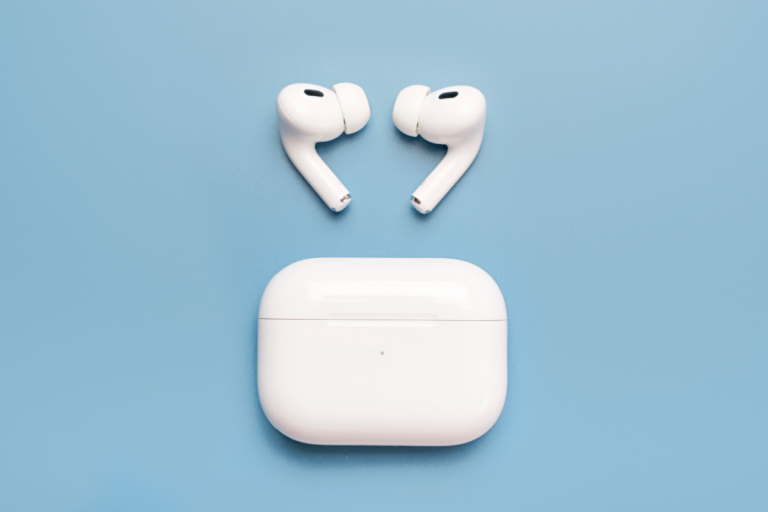
Apple has introduced AirPods Pro 3, the latest generation of its popular wireless earbuds. The new model brings improved sound quality, the world’s most advanced in-ear Active Noise Cancellation, enhanced fit and stability, fitness-focused heart rate tracking, Live Translation capabilities, and extended battery life. Available for pre-order now, the product officially launches on September 19.

Enhanced Audio and Noise Cancellation

AirPods Pro 3 feature a multiport acoustic design that improves bass response, vocal clarity, and soundstage. The adaptive equalizer ensures a more immersive experience across music, calls, and streaming. Active Noise Cancellation is now up to twice as effective as the previous generation and four times stronger than the original AirPods Pro. With ANC on, users can enjoy up to eight hours of playback on a single charge.

Improved Fit and Durability

Apple redesigned AirPods Pro 3 using over 10,000 ear scans to ensure a more secure fit. The new foam-infused ear tips are available in five sizes, including an extra-extra small option, making them suitable for a wider range of users. Certified with IP57 water and sweat resistance, the earbuds are built to withstand tough workouts and challenging weather conditions.

Fitness Tracking and Heart Rate Monitoring

Equipped with a new photoplethysmography sensor, AirPods Pro 3 can measure heart rate during exercise. Integrated with the iPhone’s Fitness app, users can track over 50 workout types, calories burned, and progress on Apple’s Move ring. Fitness+ subscribers can also view real-time performance metrics such as heart rate and the Burn Bar during their sessions.

Live Translation and Smarter Conversations

AirPods Pro 3 introduce Live Translation, a feature that enables real-time communication across multiple languages. Supported initially in English, French, German, Portuguese, and Spanish—with more languages coming later this year—the feature transcribes and translates speech directly into the user’s preferred language. This hands-free tool is designed for travel, collaboration, and everyday conversations.

Hearing Health and Battery Improvements

Apple continues to expand its hearing health initiatives with features like automatic Conversation Boost for noisy environments and enhanced Hearing Tests within the app. Transparency mode battery life is now 67% longer, providing up to 10 hours per charge. These improvements make AirPods Pro 3 a practical option for both casual listeners and those with hearing needs.

Sustainability and Environmental Impact

AirPods Pro 3 are manufactured under Apple’s 2030 carbon neutrality plan, using 40% recycled materials, including 100% recycled cobalt in the battery and 65% recycled plastic in the case. The packaging is fully fiber-based and recyclable, and the supply chain uses renewable energy sources such as solar and wind.

With AirPods Pro 3, Apple delivers significant upgrades in sound, fitness features, accessibility, and sustainability. The earbuds reinforce Apple’s leadership in personal audio technology while advancing its environmental goals and deepening integration within the broader Apple ecosystem.

UK Launches Blood Test Trial for Alzheimer’s

More than 1,000 people across the UK with suspected dementia will be offered a new blood test for Alzheimer’s disease in a landmark trial. Scientists believe the test could revolutionize early diagnosis by boosting accuracy from 70% to over 90%, transforming patient care and treatment access.

A New Approach to Diagnosis

The blood test, costing around £100, measures a biomarker called p-tau217, which reflects the build-up of amyloid and tau proteins associated with Alzheimer’s. These proteins can accumulate in the brain up to 20 years before symptoms appear. Traditionally, diagnosis relied on cognitive tests, which often miss early signs, or costly PET scans and lumbar punctures, procedures that only 2% of patients undergo.

By incorporating this test into routine memory clinic evaluations, researchers hope to detect the disease earlier and improve outcomes for patients and their families.

The ADAPT Trial

The Alzheimer’s Disease Diagnosis and Plasma p-tau217 (ADAPT) trial, led by University College London and supported by Alzheimer’s Research UK and the Alzheimer’s Society, has begun recruiting participants. The study spans 20 NHS memory clinics across the country. Half of the participants will receive test results within three months, while the others will wait 12 months, allowing researchers to evaluate the impact of early disclosure.

The trial will assess not only diagnostic accuracy but also how blood test results influence patient care decisions, speed of diagnosis, and overall quality of life. Findings are expected within three years, potentially paving the way for the test to become a standard diagnostic tool.

Potential Impact on Families

For many families, earlier and more reliable diagnosis could be life-changing. Steven Pidwill, whose wife Rachel has lived with Alzheimer’s for nearly a decade, described the prospect of an accurate blood test combined with new treatments as a “gamechanger.” He believes such advances could shift public perception, reframing Alzheimer’s as a manageable condition rather than an untouchable stigma.

Patients and families were actively involved in shaping the trial, ensuring the study reflects the real-world needs and experiences of those affected by dementia.

If successful, the blood test could redefine Alzheimer’s diagnosis within the NHS, arriving just as new treatments for early-stage disease near approval. The ADAPT trial represents a critical step toward more timely support, better treatment pathways, and renewed hope for patients and families across the UK.

Labor Department Revises Job Growth Sharply Lower

Largest Downward Revision Since 2002

The U.S. labor market created far fewer jobs than initially reported, according to a Bureau of Labor Statistics (BLS) revision released Tuesday. Annual adjustments to nonfarm payrolls showed a reduction of 911,000 jobs for the year ending March 2025, the steepest revision on record since 2002. Wall Street had anticipated a large correction, but the final figure came in near the top of estimates, which ranged from 600,000 to one million. On average, job growth was 76,000 lower per month than previously reported, suggesting a weaker employment picture throughout 2024 and early 2025.

Sectors Hit Hardest

The largest markdowns occurred in leisure and hospitality, which lost 176,000 jobs, followed by professional and business services with a decline of 158,000 and retail trade with 126,200 fewer positions. Most industries saw downward revisions, though transportation, warehousing, and utilities posted small gains. Nearly all adjustments were in the private sector, with government payrolls reduced by 31,000. Analysts noted that weaker job creation implies slower income growth, placing additional strain on consumer demand and overall economic momentum.

Political and Economic Ramifications

The revisions cover data from as far back as early 2024, before President Donald Trump took office. Still, they add weight to his administration’s criticism of federal data collection. Following July’s weak jobs report, which already contained significant revisions, Trump dismissed BLS Commissioner Erika McEntarfer and nominated Heritage Foundation economist E.J. Antoni as her replacement. White House press secretary Karoline Leavitt framed Tuesday’s report as evidence of the need for reform, declaring that “Biden’s economy was a disaster and the BLS is broken.”

Market and Fed Reactions

Financial markets showed limited immediate reaction. Stocks were little changed, but Treasury yields erased earlier losses and ticked higher. Economists, however, see broader implications. With payroll growth averaging just 29,000 per month over the summer, well below the level needed to hold the unemployment rate steady, pressure is mounting on the Federal Reserve to cut interest rates. The White House underscored this position, stating that Fed Chair Jerome Powell “has officially run out of excuses and must cut the rates now.”

Revisions Highlight Data Challenges

The benchmark revision process differs from monthly adjustments, as it draws on comprehensive data from the Quarterly Census of Employment and Wages and tax filings. While the current revision is preliminary, a final update will be issued in February 2026. Last year’s revision initially cut 818,000 jobs before being finalized at 598,000. The current 0.6% downward adjustment of the labor force may seem modest statistically, but the scale of the change raises concerns about both the accuracy of employment data and the trajectory of the U.S. labor market heading into 2026.

Trump Set to Shift U.S. Dairy Guidelines

New Direction in Federal Nutrition Policy

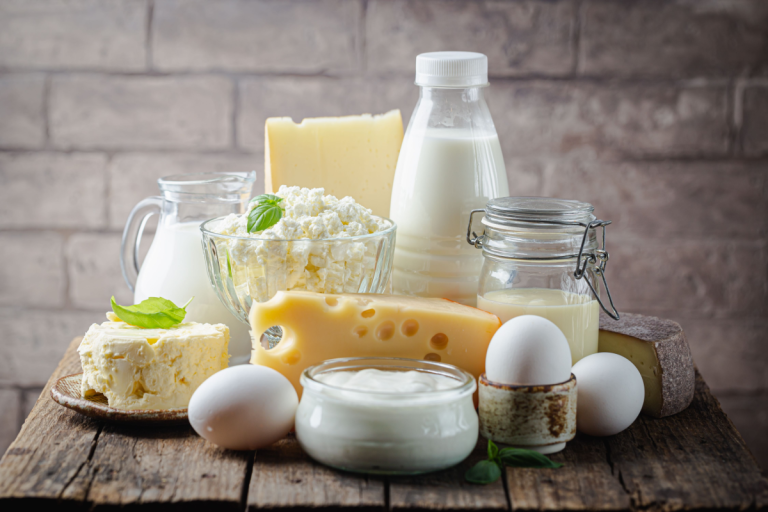
The Trump administration is expected to make a major break from long-standing dietary advice by elevating whole milk, cheese, and yogurt in the upcoming federal nutrition guidelines. For decades, Americans have been urged to favor skim or low-fat dairy products to limit saturated fat intake. Health Secretary Robert F. Kennedy has publicly promised to end what he calls the “attack on whole milk” and restore prominence to full-fat dairy foods. The move signals a political and scientific clash with traditional public health guidance, which has consistently favored reduced-fat options.

Scientific Debate on Dairy Fat

Nutrition experts have long debated whether full-fat dairy products pose the same risks as other sources of saturated fat. Research in recent years suggests that dairy fats may not behave as negatively as once thought. Richard Bruno, a professor at Ohio State University, points to bioactive components in milk fat membranes that may counteract potential harms. Benoît Lamarche of Université Laval argues that the evidence supporting low-fat dairy is weak and largely circumstantial, noting that robust, head-to-head studies show little difference between the health impacts of full-fat and low-fat dairy.

Emerging Evidence and Nuanced Findings

Some recent trials indicate that higher-fat dairy can deliver equal or even superior outcomes in certain areas of health. For instance, one study found that participants who consumed whole milk experienced improvements in “good” HDL cholesterol compared to those who drank skim milk. Other findings highlight potential protective effects of cheese against stroke and yogurt’s role in reducing the risk of Type 2 diabetes. However, butter, which is almost pure fat, continues to be linked with negative cholesterol outcomes, suggesting that the food matrix matters as much as fat content itself.

Concerns Over Premature Policy Shifts

Despite promising results, many scientists caution against rushing to elevate full-fat dairy in official guidelines. The Dietary Guidelines Advisory Committee concluded earlier this year that evidence remains inconclusive on the benefits or risks of different dairy fat levels. Experts such as Frank Hu of Harvard University argue that calories and saturated fat content remain concerns, and that the broader problem lies in how Americans consume dairy—mostly in processed foods like pizza and burgers, where other unhealthy ingredients play a larger role.

Implications for Public Health

If adopted, the new guidelines could reshape consumer behavior, school meal programs, and public messaging on nutrition. While the administration may frame the shift as correcting outdated science, critics warn it risks politicizing dietary recommendations and undermining cautious, evidence-based approaches. For now, most experts recommend moderation: incorporating dairy in balance, whether full fat or low fat, while reducing reliance on highly processed foods. As the debate continues, the new guidelines will likely mark one of the most controversial shifts in U.S. nutrition policy in decades.