Home Blog Page 2

Zuckerberg, Mosseri Depositions Highlight Child Safety Risks

Taped depositions from Meta CEO Mark Zuckerberg and Instagram leader Adam Mosseri were played in a New Mexico courtroom this week, as jurors heard arguments over whether harms to children are an unavoidable byproduct of platforms used by billions of people or a preventable outcome of product design choices.

The case pits New Mexico Attorney General Raul Torrez against Meta, with the state alleging the company prioritized profit and engagement over child safety. Meta disputes the claims and points to years of investment in safety measures, as well as newer protections introduced for teens.

Trial Focuses on Scale, Safety, and Accountability

During the recorded testimony, Zuckerberg said that with platforms serving billions, a small fraction of users will engage in criminal behavior and that Meta works to stop it, while also acknowledging systems are not perfect. Meta’s apps, including Facebook, Instagram, and WhatsApp, each have about 3 billion monthly active users, underscoring the scale at the center of the dispute.

Prosecutors argued that internal company findings and historic product decisions showed the company understood risks to young users and did not consistently prevent harmful interactions. The jury also heard testimony that family members of Meta employees had received inappropriate messages on Instagram, as prosecutors sought to illustrate the breadth of the problem.

Recommendations Flagged as a Driver of Risk

A major theme at trial was how account recommendation tools can connect adults and minors. Prosecutors presented evidence that the People you may know feature was identified internally as a key pathway by which bad actors could discover potential victims in a large share of cases examined in earlier years.

Meta said it uses signals to detect potentially suspicious adult accounts and limit their ability to find or interact with teens. Mosseri stated that Meta has technology to identify accounts showing warning signs, such as patterns of being blocked by younger users, and then restricts those accounts from reaching teen profiles through recommendation features.

According to Meta, in 2025 it used those signals to identify more than 265 million Facebook accounts and more than 135 million Instagram accounts that had shown potentially suspicious behavior, and proactively limited their interactions with teens.

Encryption Debated as Privacy Versus Protection

Jurors also heard about Meta’s decision to expand end to end encryption for Facebook Messenger, which prevents anyone other than the sender and recipient from reading messages. Prosecutors said child safety groups raised concerns that encryption could reduce the ability to detect abuse and that reports to authorities declined after encryption changes. Zuckerberg said users value privacy and that encryption is something people want.

Meta said it can still act when users report harmful content in encrypted chats, though the company does not store readable message content on its servers by default under encryption.

Teen Accounts and Remaining Gaps

The trial also revisited changes Meta rolled out in September 2024, when it introduced Teen Accounts that automatically place users under 18 into stricter settings on Instagram, Facebook, and Messenger. These settings include private profiles by default and tighter limits on who can message teens.

Prosecutors highlighted internal discussions suggesting that protections were not always applied consistently in earlier periods, including audits indicating that recommendations could still surface teen accounts to some adults. The record presented at trial also referenced research pointing to gaps in protections, such as exposure to harmful content through recommendations and hashtags, and instances where safety features did not work as intended.

Mosseri said the company aims to address serious issues and noted that connecting billions of people means both positive and negative outcomes can occur, a framing that the state is challenging in court by arguing more harm could have been prevented through stronger design, enforcement, and guardrails.

The trial began in early February and is expected to run for about seven weeks.

IDF Reports Wounded Troops as Strikes Hit Beirut Suburbs

The Israeli military said an IDF officer was seriously wounded and another soldier was moderately injured during fighting against Hezbollah in southern Lebanon on Thursday, as Israel launched a widening campaign of airstrikes in Beirut’s southern suburbs.

Both troops serve in the Givati Brigade, according to the military. They were evacuated for medical treatment and their families were notified. The injuries were described as the most serious among Israeli ground forces since troops began moving deeper into southern Lebanon in recent days.

Ground Advance Continues in Southern Lebanon

Hezbollah said earlier it had targeted Israeli troops with an anti-tank guided missile in southern Lebanon. The Israeli army, which has reported additional anti-tank fire incidents this week, said it has taken “forward defensive positions” to add a defensive layer and reduce threats to communities in northern Israel.

In a televised address, IDF Chief of Staff Lt. Gen. Eyal Zamir said he instructed forces to advance and deepen Israel’s line of control along the border while establishing positions at key points. A spokesperson for UNIFIL, the UN peacekeeping mission, said the force had seen and heard clashes as Israeli troops moved across the border, marking the first confirmation of combat by the mission.

Beirut Evacuation Order Followed by Strike Wave

The military’s moves on the ground came as Israel expanded its offensive in Beirut’s southern suburbs, a Hezbollah stronghold commonly referred to as the Dahiyeh. Israel issued an evacuation notice for residents, telling them to leave immediately and specifying routes to flee. Traffic was reported to be gridlocked as large numbers attempted to get out of the densely populated area.

Hours later, strikes began hitting the suburbs. The IDF said it launched a “wave” of airstrikes targeting what it described as Hezbollah “terror infrastructure” in Dahiyeh. Reports also indicated that the campaign triggered an exodus from the area, including the departure of Iranian personnel linked to advisory roles.

Rocket Fire Continues as Regional Risk Spreads

Hezbollah continued firing rockets and drones toward northern Israel on Thursday and into early Friday, triggering sirens in areas including the Acre region, the Galilee, and the Golan Heights. The group also issued a statement in Hebrew urging residents of Israeli communities within five kilometers of the border to evacuate, echoing Israeli evacuation warnings given to Lebanese civilians.

Israel has said it is not evacuating northern towns. Two Hezbollah rockets have struck northern Israeli towns this week, injuring one person, according to the report.

Lebanese authorities said 123 people had been killed in Israeli strikes and that more than 83,000 people had evacuated prior to Thursday’s wide evacuation order. Lebanon’s president Joseph Aoun contacted French President Emmanuel Macron seeking to halt anticipated escalation, while Macron called for an end to hostilities and said France would send aid to Lebanon.

Reports of IRGC Advisers Leaving Lebanon

Axios reported that dozens of officers from Iran’s Islamic Revolutionary Guard Corps, including personnel linked to the Quds Force, left Lebanon over the past two days amid fears of being targeted. The report said a smaller group was expected to remain to maintain contacts and a liaison presence.

The Israeli offensive began after renewed rocket fire from Hezbollah earlier this week, in a regional environment already intensified by the broader conflict involving Iran, Israel, and the United States.

Second Pregnancy Alters the Brain in New Ways, Study Finds

A second pregnancy appears to reshape the brain in ways that are not simply a rerun of the first, according to new research from scientists in the Netherlands. Using brain scans taken before and after pregnancy, the team found that becoming pregnant again is linked to distinct changes in brain structure and connectivity, potentially reflecting a form of biological fine-tuning for raising more than one child.

The findings build on earlier work suggesting that a first pregnancy can alter the brain’s default mode network, a set of regions involved in processes such as self-reflection and social cognition. In the new research, the scientists report that a second pregnancy also affects this network, but the overall pattern and intensity of change differ.

How Researchers Studied Second Pregnancy Brain Changes

The team analyzed brain scans from 30 women taken before and after a second pregnancy. They compared these results with scans from 40 women before and after their first pregnancy, as well as 40 women who had never given birth.

By comparing these groups, the researchers aimed to separate brain changes associated with pregnancy itself from changes that might reflect other life factors, such as time, aging, or differences between individuals.

Default Mode Network Effects Were Smaller Than First Pregnancy

In line with prior research, the scans showed that pregnancy is associated with changes in the default mode network. But in women experiencing a second pregnancy, these shifts appeared less pronounced than those seen after a first pregnancy.

The researchers suggest this may indicate that some of the brain adaptations linked to becoming a parent occur most strongly the first time, while later pregnancies may build on that baseline rather than fully resetting it.

Second Pregnancies Showed Stronger Shifts in Attention and Sensory Networks

While the default mode network still shifted during a second pregnancy, the biggest differences appeared in brain regions tied to processing visual and auditory information and directing attention. These functions could be especially relevant for caregiving when there is more than one child to monitor and respond to.

The authors describe second pregnancy changes as involving gray matter structure, neural network organization, and white matter pathways, indicating that multiple brain systems may adapt to the demands of motherhood in distinct ways across pregnancies.

Gray Matter Volume Dropped, But Researchers Link It to Neuroplasticity

The study observed reductions in gray matter volume in both first and second pregnancies. The researchers interpret this not as a sign of neurodegeneration, but as evidence of neuroplasticity, similar in principle to brain reorganization seen during adolescence.

In this view, decreases in gray matter volume may reflect a remodeling process that supports efficiency and specialization, rather than damage or loss in a harmful sense.

Why These Findings Could Matter for Maternal Mental Health

Beyond mapping structural and connectivity changes, the researchers also used questionnaires and additional assessments to explore links between brain adaptations and real-life outcomes. They report connections between the brain changes observed and factors such as mother and child bonding and peripartum depression, a term that includes depression during pregnancy or shortly after birth.

That relationship does not mean pregnancy-related brain changes cause depression or bonding differences, but it suggests brain adaptation may be relevant to how some mental health challenges emerge and how support might be tailored.

Limitations and What Comes Next

The study has important limits. Brain scans were not taken during pregnancy, and the sample size was relatively small. The researchers note that more work is needed to understand how factors such as age, timing, and individual variation influence the brain changes seen in pregnancy, and how long these changes persist.

Even so, the work adds to a growing body of evidence that pregnancy leaves measurable, lasting signatures in the brain, and that each pregnancy may shape those adaptations in a different way.

Samsung Galaxy S26 Ultra Review: A Stealth Upgrade

The Samsung Galaxy S26 Ultra looks almost identical to the last few Ultra phones, and that is the point. Samsung did not chase a dramatic redesign. Instead, it packed in subtle changes that make the phone feel like a stronger value than the S25 Ultra, even while the starting price stays at $1,300. The result is a flagship that improves in the places that matter, but rarely shouts about it.

Design: Familiar Shape, Back to Aluminum

Samsung moved away from titanium and returned to an aluminum frame for 2026, partly to better match the frame color with the Corning Gorilla Armor 2 panels on the front and back. The phone is also slightly slimmer and lighter at about 7.9mm and 214 grams, though the difference versus last year is hard to notice in day-to-day use.

The built-in S Pen remains unchanged, and the phone still includes its storage slot. One small quirk is that the corners are now more rounded, so the stylus looks “right” only when inserted in the correct orientation.

Display: The New Privacy Display Is the Standout

On paper, the 6.9-inch panel looks the same as before, with up to 2,600 nits peak brightness, a 120Hz variable refresh rate, and a max resolution of 3,120 x 1,440. The real upgrade is Samsung’s new Privacy Display.

When enabled, the screen becomes significantly harder to read from sharp angles, fading content toward black for anyone looking from the side or from above and below. A stronger setting, Maximum Privacy Protection, pushes the effect further, but it comes with visible trade-offs to contrast and brightness.

The most practical option is selective activation. You can set Privacy Display to switch on automatically for notifications, chosen apps like banking or authenticators, or when you enter a device PIN. For commuters and anyone who uses their phone in crowded spaces, this is one of the most genuinely useful premium-phone additions in years.

Performance and Software: Faster Chip, More AI

The S26 Ultra runs on Qualcomm’s Snapdragon 8 Elite Gen 5 for Galaxy with 12GB or 16GB of RAM and up to 1TB of storage. Samsung highlights a stronger neural engine, with the NPU described as roughly 39% more powerful than the prior generation. CPU and GPU gains are more modest but still noticeable for heavy users and gaming.

Samsung continues leaning into AI features. Tools like Photo Assist bundle editing functions such as object removal and reflection cleanup, plus generative elements through text prompts. Creative Studio focuses on making assets like stickers and wallpapers. There are also quality-of-life improvements like a better document scanner and stronger spam call screening.

Some of these features feel like expected flagship basics now, especially with similar tools available on competing devices. Still, Samsung’s integration is polished and easy to access, and the performance headroom helps everything feel responsive.

Cameras: Same Sensors, Wider Apertures

Samsung kept the same camera sensor lineup but improved two key lenses with wider apertures. The 200MP main camera moves to f/1.4 and the 50MP 5x telephoto to f/2.9, both letting in more light than before. The rest of the system includes a 10MP 3x telephoto, 50MP ultrawide, and a 12MP selfie camera.

The biggest benefit shows up at night. Low-light shots look cleaner, with better exposure and less noise in difficult scenes. In bright daylight, improvements are more incremental, since Samsung’s recent Ultras already performed well. The updates here are about refinement, not reinvention.

Battery and Charging: Strong Runtime, Faster Speeds

The battery remains 5,000mAh, and gains come mostly from efficiency improvements. Real-world longevity is excellent for a mainstream flagship, even if it is not a dramatic leap over last year.

Charging is more impressive. The Ultra supports up to 60W wired charging and up to 25W wireless charging on compatible pads. That is meaningfully quicker than the base S26 and S26+ models.

The persistent frustration is Samsung’s decision to skip a built-in Qi2 magnetic ring again. You can add magnets via a case, but it is not the experience people expect from a top-tier flagship in 2026.

Verdict: The Best Ultra in Years, Quietly

The Galaxy S26 Ultra is not a flashy upgrade, but it is a smart one. Performance is top-tier, cameras improve where users notice it most, charging is quicker, and the new Privacy Display is a real differentiator for anyone who values screen privacy in public.

If you upgrade every year, this will feel like a gentle step forward. If you are coming from an older Ultra, it will feel like a complete, modern flagship with meaningful quality-of-life advantages. The price remains steep, and the lack of built-in Qi2 magnets is a miss. Still, as an all-around device that does almost everything extremely well, the S26 Ultra remains one of the strongest premium Android picks you can buy.

Study Suggests ADHD May Have Three Distinct Subtypes

Brain Scans Point to Different “Biotypes” of ADHD

A new study suggests researchers may be missing important complexity in ADHD (attention-deficit/hyperactivity disorder). Using brain scan data, scientists concluded that ADHD may include three distinct subtypes, each with its own clinical and neural profile. The researchers say identifying these groups more accurately could help people access more targeted treatment and support.

ADHD is a form of neurodivergence that has become more widely recognized in recent years, with diagnosis rates rising in both children and adults. As awareness improves, researchers and clinicians have increasingly questioned whether current diagnostic criteria fully capture how differently ADHD can present across individuals.

Why Diagnosis Can Miss Real-World Variations

One commonly discussed issue is the diagnosis gap between males and females. ADHD was long framed as something that mainly affected young boys, an idea that has since been challenged. What persists is a pattern where early symptoms in girls are often overlooked. Boys may be labeled “disruptive” at school, triggering referrals and evaluation, while girls may be seen as merely “inattentive” and receive little or no support.

The new research suggests there may be additional layers of variation beyond the familiar diagnostic categories, raising the possibility that opportunities for personalized care are being missed.

Three Subtypes Identified in Large Child Cohorts

The study was led by a team at West China Hospital of Sichuan University. Researchers analyzed brain imaging and related biological measures in a “discovery cohort” of 446 children with ADHD and 708 controls. They then tested the findings in a second cohort of 554 children with ADHD and 123 controls.

Based on differences in brain structure, network patterns, and indicators linked to neurochemical signaling, the authors reported three distinct ADHD biotypes:

  • Severe combined with emotional dysregulation
  • Predominantly hyperactive/impulsive
  • Predominantly inattentive

In practical terms, hyperactivity and impulsivity can include behaviors such as excessive talking, interrupting, restlessness, and fidgeting. Inattention can show up as forgetfulness, difficulty maintaining focus, misplacing important items, and struggling to sustain attention over longer periods. A combined presentation includes features of both.

What It Could Mean for Treatment

Many people with ADHD already recognize that symptoms can cluster in very different ways. The study’s argument is that mapping those differences to underlying neurobiology could support more precise, individualized approaches to care.

Today, ADHD treatment often involves stimulant medications such as methylphenidate, commonly known by brand names such as Ritalin. These medications can help many people, but they do not work for everyone, and researchers continue to learn more about how they affect the brain over time.

The authors noted a key limitation: many participants were currently taking or had previously taken ADHD medication. While the team said major effects on the brain scan findings were unlikely, they could not fully rule out some influence. Even with that caveat, the researchers said the results support the idea that ADHD may be better understood as a condition with multiple biological profiles, potentially paving the way for more personalized management.

Gloucester Finance Team “Firefighting” for Three Years

LGA Review Flags Capacity Gaps After Budget Shock

A review has found Gloucester City Council’s finance department has been “firefighting” for the past three years. The assessment was carried out by the Local Government Association (LGA) after the council’s financial problems emerged last autumn.

The council said it faced a £7m deficit last year and had no cash reserves. It was later granted a £15.5m government bailout to help stabilise its finances and improve its position.

The review praised the “dedication and professionalism” of staff. But it said the team has been held back by insufficient capacity, high vacancy rates, and a lack of structural clarity. It also said confidence in the finance function is “particularly low.”

Cyber Attack and Turnover Linked to Weaker Resilience

Council leaders have pointed to several drivers behind the current position. They cited the 2021 cyber attack, poor investment performance, and higher interest rates on borrowing.

The LGA review said the disruption from the cyber incident and staff turnover reduced the department’s resilience. It described the service as a group of “unsettled” individuals rather than a cohesive team. It said the unit has been “stretched thin” for three years.

The report identified five areas needing urgent work. Those included a new internal structure, stronger processes, improved performance management, and a broader culture shift.

Leadership Promises “Decisive Action” and More Support

Council leader Jeremy Hilton said the review offered a frank assessment of what must improve. He said the council will invest in the “capacity and capability” of the finance team.

Alison Turner, head of finance and resources, said staff showed real commitment under difficult conditions. She said the authority is focused on providing structure, support, and the tools needed for success.

Jon McGinty, head of paid service, said the council is putting new structures, systems and leadership in place. He said the goal is a more resilient and proactive finance service that supports the whole organisation.

Opposition Condemns Delay and Warns Wider Problems

Opposition groups said the findings raise serious concerns. They also criticised the time taken to publish the review.

Labour group leader Terry Pullen described the leadership as “secretive” and “disgraceful” for waiting three months to release the document. He said staffing and skills shortages are not limited to finance. He added that the council is struggling to deliver services residents pay for.

Alastair Chambers, leader of the Community Independent Group, said the report “paints a deeply worrying picture.” He said staff had been failed by the system around them. He called for full implementation of the recommendations and tighter scrutiny of how the situation developed.

Last week, the council agreed to increase its share of council tax by 2.99% from April. The council said this equals about £7 per year for a Band D property.

Target Signals Turnaround Progress After Weak Holiday Quarter

Introduction

Target reported another holiday quarter of declining revenue and store traffic, but the retailer’s shares rose after it topped earnings expectations and said sales momentum improved late in the quarter. The results were the company’s first since Michael Fiddelke became CEO on Feb. 1, and they arrived alongside an investor meeting in Minneapolis where management outlined steps to end a multi-year sales slump. Target is projecting a return to growth in 2026, supported by store investments, supply chain upgrades, and expanding nonmerchandise revenue streams.

Holiday Quarter Results: Revenue Down, Earnings Beat

For the fiscal fourth quarter, Target reported adjusted earnings per share of $2.44, above the $2.16 expected by analysts. Revenue came in at $30.45 billion, slightly below expectations of $30.48 billion, and down about 1.5% from the year-ago period. Net income for the quarter slipped to $1.05 billion from $1.10 billion a year earlier, while adjusted results reflected offsets such as legal settlement gains and transformation costs.

Traffic and Comparable Sales Remain a Headwind

Target said customer traffic fell for the fourth consecutive quarter across stores and digital channels. Comparable sales declined 2.5% year over year, driven by a 3.9% drop in comparable store sales, partially offset by a 1.9% increase in digital comparable sales. Total transactions fell 2.9%, while average transaction size rose 0.4%, suggesting fewer visits but slightly higher spend per trip.

Fiddelke Points to February as an Early Positive Signal

Management said sales and traffic trends improved in the final two months of the holiday quarter and that sales turned positive year over year in February, the first month of the current quarter. Fiddelke cautioned that one month does not establish a durable trend, but said the February improvement supports confidence that Target can return to growth.

2026 Outlook: Modest Sales Growth and Higher Investment

For the current fiscal year, Target expects net sales to rise about 2% versus the prior year and said it anticipates growth in every quarter. The company expects a small increase in comparable sales, with more than 1 percentage point of growth coming from new stores and nonmerchandise revenue such as advertising and membership. Target guided to full-year adjusted EPS of $7.50 to $8.50, compared with $7.57 in adjusted EPS for the most recent full year.

Target’s CFO said capital expenditures will total about $5 billion this fiscal year, more than $1 billion higher than last year. Spending will focus on supply chain, technology, and stores, including plans to open more than 30 new stores and remodel more than 130.

Strategy Focus: Style, Store Experience, and Digital Growth

Target is aiming to rebuild its reputation for design-driven merchandising and improve the in-store experience after customer complaints about out-of-stocks, long lines, and store conditions. The company has increased investment in store labor and has also reduced staffing in some corporate and operational areas, including prior job cuts. Management said it is focused on delivering stronger product and a better shopping experience, while acknowledging that discretionary demand remains pressured by higher costs for essentials.

Nonmerchandise Revenue Becomes a Bigger Growth Engine

Target’s nonmerchandise sales rose more than 25% in the quarter, supported by membership revenue that more than doubled year over year, double-digit growth in its advertising business Roundel, and more than 30% growth in its third-party marketplace. Same-day delivery through Target Circle 360 grew more than 30% year over year. The subscription service is priced at $99 per year or $10.99 per month.

Conclusion

Target’s holiday quarter results show continued pressure on traffic and revenue, but stronger earnings and signs of improving sales trends have lifted investor sentiment. The company is betting that heavier investment in stores, supply chain, and technology, combined with a larger contribution from ads and membership, can restore growth in 2026. The key test will be whether Target can convert improving momentum into sustained traffic gains and stronger comparable sales while consumers remain cautious on discretionary spending.

Drones Hit US Embassy in Riyadh as Iran Attacks Spread

Introduction

Two drones struck the U.S. Embassy in Riyadh, causing a limited fire and minor damage, as Iranian counterattacks widened across the Middle East following U.S. and Israeli strikes on Iran. While no injuries were immediately reported, the incident sharpened concerns that the conflict is expanding beyond Israel and Iran into countries hosting U.S. facilities and allied military assets. U.S. and Israeli forces continued operations Tuesday as regional governments reported new missile and drone activity.

Riyadh Embassy Attack Triggers Shelter Guidance

Saudi officials said two drones hit the embassy compound, resulting in minor material damage. In response, the U.S. mission in Saudi Arabia issued a shelter-in-place alert covering Riyadh, Jeddah, and Dhahran and advised Americans to avoid the embassy until further notice. The mission also limited non-essential travel to military installations in the region.

Iranian Counterattacks Reported Across US-Linked States

Regional authorities reported a range of incoming threats early Tuesday, including missile warnings and air defense activity. Israel reported missiles launched from Iran, with sirens sounding in multiple areas. The United Arab Emirates said its air defenses responded to a barrage of ballistic missiles. Australia reported a drone strike on an Australian military facility south of Dubai, with all personnel accounted for. Qatar said it intercepted hostile aircraft, and Bahrain urged calm as sirens sounded.

US and Israel Continue Strikes in Multiple Theaters

U.S. forces reported ongoing operations against Iranian military infrastructure, including command and control facilities. Israel reported simultaneous targeted strikes in Tehran and Beirut, linking its operations to missile launches from Hezbollah in Lebanon. The cross-border nature of these actions is raising the risk of further escalation involving additional armed groups and regional targets.

Regional Risk Outlook for Travel and Operations

Authorities issued heightened safety messaging as attacks touched multiple countries. The operating environment now includes potential airspace disruption, heightened risk near military installations, and the possibility of follow-on strikes in major cities. The immediate focus for markets and governments is whether the conflict remains a short burst of retaliation or develops into sustained, multi-front warfare.

Conclusion

The drone attack on the U.S. Embassy in Riyadh underscores how quickly the Iran conflict is spilling into the broader region. With missiles and drones reported near several U.S. partners and continued strikes by U.S. and Israeli forces, the risk profile is shifting from bilateral confrontation to wider regional instability. The next developments will depend on whether additional attacks target diplomatic sites and military facilities and whether regional actors expand their involvement.

Study Flags Possible Bone and Gout Risks With GLP-1s

Introduction

A new observational study suggests people taking GLP-1 weight loss and diabetes drugs may face slightly higher rates of osteoporosis and gout over time. The research, led by Dr. John Horneff at the University of Pennsylvania, analyzed medical records from a large group of adults with obesity and Type 2 diabetes. While the findings do not prove the drugs cause these conditions, they add to growing interest in how rapid weight loss and reduced appetite may affect bone health and uric acid levels.

What the Researchers Studied

The study reviewed five years of medical records from more than 146,000 adults diagnosed with both obesity and Type 2 diabetes. Researchers compared outcomes in patients using GLP-1 medications with outcomes in similar patients who were not using GLP-1s. The records did not consistently specify which GLP-1 each person took, though documented drugs included semaglutide and liraglutide.

Osteoporosis and Osteomalacia Signals

Osteoporosis weakens bones and raises fracture risk, sometimes after minor falls. In the study, about 4% of GLP-1 users developed osteoporosis compared with a little over 3% of nonusers, which the researchers described as roughly a 30% relative increase. A related condition, osteomalacia, which involves bone softening, was uncommon but appeared about twice as often among GLP-1 users.

Experts not involved in the research noted that weight loss itself can reduce bone density. A key open question is whether the bone changes seen with GLP-1 use reflect expected skeletal adaptation during weight loss or a faster, potentially more concerning loss than would normally be expected.

Gout Risk Appears Modestly Higher

Gout is a painful arthritis caused by elevated uric acid. The study found gout rates of 7.4% among GLP-1 users versus 6.6% among nonusers, about a 12% relative increase. The authors suggested one plausible contributor is rapid weight loss, which can temporarily raise uric acid and trigger gout flares in some people.

Why This Might Be Happening

The study team raised two main possibilities for bone effects. First, because GLP-1 drugs suppress appetite, some patients may consume fewer bone-supporting nutrients such as calcium, vitamin D, and adequate protein. Second, a large and rapid reduction in body weight may change how the body maintains bone, because the skeleton adapts to a lower mechanical load.

Because the study is observational, it cannot establish cause and effect. The dataset also lacked detailed information on diet, exercise, supplement use, and other factors that strongly influence bone density and gout risk.

What Clinicians Say Patients Can Do

Some clinicians emphasize that even if risks rise slightly, patients are not powerless. Structured resistance training and regular activity may help protect bone density during weight loss, and nutrition planning can support adequate protein and micronutrient intake. Clinicians also stress that improved joint pain from weight loss does not necessarily mean improved bone density, so monitoring may still be appropriate for higher-risk patients.

Conclusion

This large record-based study suggests GLP-1 users with obesity and Type 2 diabetes may have somewhat higher rates of osteoporosis and gout over five years, but the findings do not prove the medications are the direct cause. The results reinforce a practical takeaway: when GLP-1 therapy leads to substantial weight loss, patients may benefit from nutrition support, strength-focused exercise, and bone health awareness, especially if they have additional osteoporosis risk factors.

Apple Launches iPhone 17e Starting at $599

Introduction

Apple has expanded its iPhone lineup with the iPhone 17e, a lower-priced model aimed at buyers who want newer performance without the flagship price. Starting at $599 and launching on March 11, the 17e arrives as Apple leans on iPhone momentum to offset concerns about its position in artificial intelligence. The device keeps core performance elements from the iPhone 17 while trimming features to reach a broader price band and potentially accelerate adoption of Apple Intelligence.

What Apple Cut and What Stayed the Same

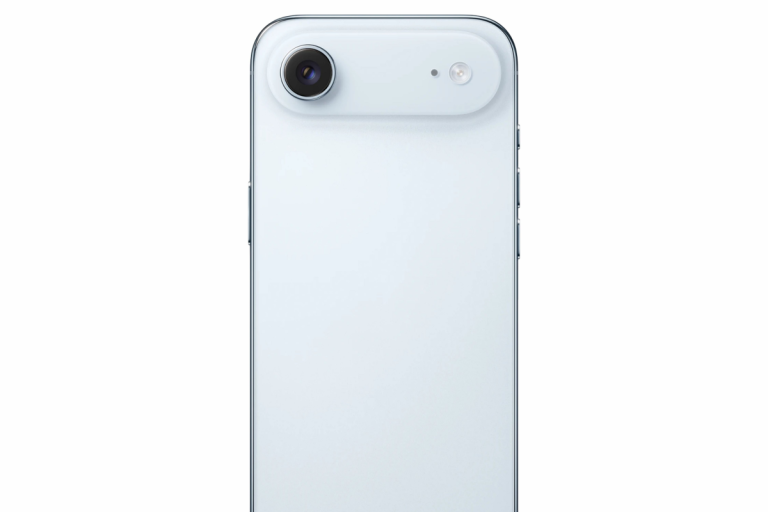
The iPhone 17e is positioned as a simplified alternative to the iPhone 17 at a $200 lower starting price. It includes the same processor as the iPhone 17, but comes with a slightly smaller screen. Apple reduced hardware complexity by using one camera instead of two, and the model does not include Dynamic Island, the interface element that displays live app activity and alerts.

A Clear Shift in Apple’s Budget Strategy

Apple historically updated its lower-cost phones on an irregular schedule, most notably through the older SE line. The iPhone 17e follows last year’s introduction of the iPhone 16e, signaling a more consistent cadence for the budget tier. The move suggests Apple sees sustained demand for more affordable models, especially after a muted response to the iPhone Air, and believes the lower-price segment can help keep upgrades flowing during a slower industry cycle.

Why This Matters for AI and iPhone Demand

Apple’s iPhone business has recently been a key driver in easing investor worries about the company’s AI competitiveness. In the fourth quarter of 2025, iPhone strength helped Apple exceed revenue expectations, supported by record upgrade activity and double-digit growth among Android users switching to iPhone. The iPhone 17e could extend that momentum by attracting owners of older iPhones, especially those using models that do not support Apple’s AI features. By offering a cheaper entry point with current-generation processing, Apple can broaden the addressable base for Apple Intelligence without relying only on premium buyers.

Industry Headwinds and the Road Ahead

The broader smartphone market is facing pressure from an AI-driven memory shortage that is complicating supply and pricing across the industry. Even as Apple expands its lineup, the market backdrop is weaker, with forecasts pointing to a decline in global smartphone shipments in the first quarter.

Apple is also lining up additional product and software updates this year. A redesigned Siri experience powered by Google’s Gemini is expected later in the year after delays. Reports also suggest Apple may introduce its first foldable iPhone in 2026, adding another potential growth lever if the form factor gains mainstream traction.

Availability, Colors, and Hardware Updates

The iPhone 17e launches on March 11 and will be offered in black, white, and pink. It includes more storage than its predecessor and features a new version of Apple’s cellular modem that the company says is twice as fast as the modem used in the iPhone 16e. Apple also announced a new version of the iPad Air alongside the iPhone 17e.

Conclusion

The iPhone 17e gives Apple a sharper value option at $599 while preserving the core processor performance of the iPhone 17. By trimming cameras and interface features, Apple is targeting price-sensitive buyers and owners of older devices, with the added benefit of expanding the potential audience for Apple Intelligence. The success of this approach will depend on whether the 17e meaningfully boosts upgrades and switchers in a smartphone market facing supply and demand challenges.