Home Blog Page 18

Rivian’s AI push excites analysts, but risks remain

Autonomy and AI Day highlights new strategy

Rivian Automotive drew fresh attention from Wall Street after unveiling ambitious plans around artificial intelligence, automation and an internally developed silicon chip during its first Autonomy and AI Day. The electric vehicle maker outlined a strategy centered on deeper vertical integration, including proprietary hardware, software and AI systems designed to support advanced driver assistance and future autonomous driving.

Despite generally positive reactions to the technology roadmap, Rivian shares fell 6.1% on Thursday to close at $16.43, before rebounding sharply on Friday with gains of more than 15% during intraday trading. Analysts said much of the news had already been priced in after a strong run-up ahead of the event.

Analysts see long-term potential in AI and software

Several firms acknowledged the strategic importance of Rivian’s announcements, even if near-term stock performance was volatile. Needham raised its price target by 64% to $23 per share, citing Rivian’s proprietary RAP1 chip, its evolving vehicle software architecture and the potential for future licensing and software revenue.

Deutsche Bank described the overall direction as encouraging, noting that Rivian appears to be shifting from an automaker adopting autonomy to one building end-to-end AI-driven systems. However, the lack of a major AI partnership announcement and intensifying competition in the sector tempered enthusiasm.

Demand, adoption and capital remain key hurdles

While Rivian’s technology ambitions impressed observers, analysts stressed that challenges around demand and profitability persist. Electric vehicle sales have slowed following the expiration of U.S. tax credits, and adoption rates for advanced driver assistance systems remain modest across the industry, including at established players like Tesla.

Rivian also continues to burn significant cash, despite cost reductions and rising software revenue linked to its joint venture with Volkswagen. The company ended the third quarter with $7.7 billion in liquidity, which management says positions it well for the launch of its upcoming R2 midsize SUV.

The importance of the R2 launch

The R2, expected to start around $45,000, is central to Rivian’s future. Analysts view it as a test of the company’s ability to scale production, reduce costs and move closer to profitability in a highly competitive segment. Some have cautioned that profitability pressures could intensify, given that Rivian’s higher-priced R1 models have already struggled to generate margins.

For now, Wall Street appears to value Rivian’s software and AI ambitions more highly than its core vehicle business. The company’s long-term outlook may depend on whether it can convert technological promise into sustained demand, broader adoption of autonomy features and a clearer path to profitability.


Samsung launches One UI 8.5 beta with major upgrades

New tools streamline content creation

Samsung has introduced the One UI 8.5 beta program, bringing a range of enhancements designed to boost productivity, privacy and performance across Galaxy devices. The latest version focuses heavily on making content creation easier and more continuous. Users can now work with the updated Photo Assist feature without needing to save every individual version of an edit. All iterations appear in an edit history view, allowing users to select which results they want to keep once they finish.

Sharing content is also faster. Improvements to Quick Share allow the system to identify people in photos and suggest sending images directly to the relevant contacts. This reduces extra steps and makes sharing more intuitive across the Galaxy ecosystem.

Cross device connectivity gets smarter

One UI 8.5 introduces a series of features aimed at creating smoother interactions between Galaxy phones, tablets, PCs and TVs. One of the most notable additions is Audio Broadcast, which uses Auracast and LE Audio supported devices to share sound effortlessly with nearby listeners. Beyond streaming media, users can broadcast their own voice directly through the phone microphone, a useful feature for tours, meetings or group announcements.

Storage Share expands file access within the ecosystem by allowing files from other Galaxy devices to appear inside the My Files app. Users can also browse phone files from other Samsung devices, including televisions, creating a more fluid multi device workflow.

Stronger protection and clearer controls

Security receives a noticeable upgrade with One UI 8.5. Theft Protection helps safeguard phones and personal data if a device is lost or stolen. Failed Authentication Lock adds another safeguard by automatically locking the screen after repeated unsuccessful attempts to unlock it through fingerprint, PIN or password entry. Identity check has also been expanded to cover more system settings, giving users additional oversight and control.

Availability details

The One UI 8.5 beta program first rolls out to Galaxy S25 series users starting December 8 in select regions including the United States, United Kingdom, India, Korea, Germany and Poland. Eligible Galaxy users can apply to test the beta through the Samsung Members app.

Flu vaccination rates fall as new K variant spreads

Colorado sees decline in annual flu shots

Fewer people are receiving their yearly flu vaccinations at the same time that infections are rising and the new K variant of influenza is spreading. Data from the Colorado Department of Public Health and Environment show that only about twenty five percent of residents have been vaccinated so far this fall. That figure was twenty seven percent at this point last year and well below the thirty two percent reached over the full 2024 to 2025 season.

Health officials say misinformation about vaccines has reduced uptake across multiple immunizations. The drop comes during a concerning period, since the Type A H3N2 subclade K has surged internationally and caused significant early outbreaks in Japan, the United Kingdom and Canada. This same variant is now moving through Colorado and other parts of the United States.

Experts warn of a more severe season

According to Dr Michelle Barron, senior medical director for infection control and prevention at UCHealth, influenza continues to cause between twenty thousand and thirty thousand deaths per year in the country. She noted that the K variant has shown an ability to partly evade existing immunity and reduce the effectiveness of current vaccines.

Although this year’s shot does not perfectly match the K variant, Barron stressed that vaccination still provides critical protection and lowers the risk of severe disease. She advised people who have not yet received their flu shot to schedule it immediately as cases climb and travel increases during the holidays.

Why the K variant is different

Seasonal influenza strains mutate regularly. The H3N2 strain has changed more than usual this year, creating the subclade known as K. The mutations emerged after vaccine formulations were finalized, which complicates the ability of the shot to target the updated version of the virus.

Barron compared the mismatch to sending a package with an incorrect postal code. The vaccine still helps the immune system recognize influenza, but the updated strain can move more effectively through the community. Even with a mismatch, vaccinated individuals are less likely to require hospitalization or face life threatening complications.

Laboratory testing in Colorado shows that the K variant now represents the majority of samples submitted from hospitals, confirming its rapid spread across the state.

Falling vaccination rates raise concern

Declining uptake of flu, COVID nineteen and other routine vaccines worries physicians who expect more severe outcomes with lower community protection. Barron said that last year’s influenza season was especially deadly, with an estimated twenty seven thousand to one hundred thirty thousand deaths nationwide. The number of children who died from confirmed flu reached at least two hundred seventy nine, almost all of whom had been healthy before infection.

She urged families to speak with trusted medical providers rather than relying on misinformation circulating online. Lower vaccination rates, she said, will translate directly into more severe illness this season, especially for children, older adults and people with existing medical conditions.

A call to action for families

Barron emphasized that influenza remains dangerous for healthy children whose immune systems are still developing. She described it as devastating to see preventable deaths among young patients. Her message to families is direct and urgent. Make plans now to get vaccinated and protect vulnerable loved ones during what could be a difficult respiratory virus season.

CDC Issues Travel Advisories as Chikungunya Outbreaks Spread

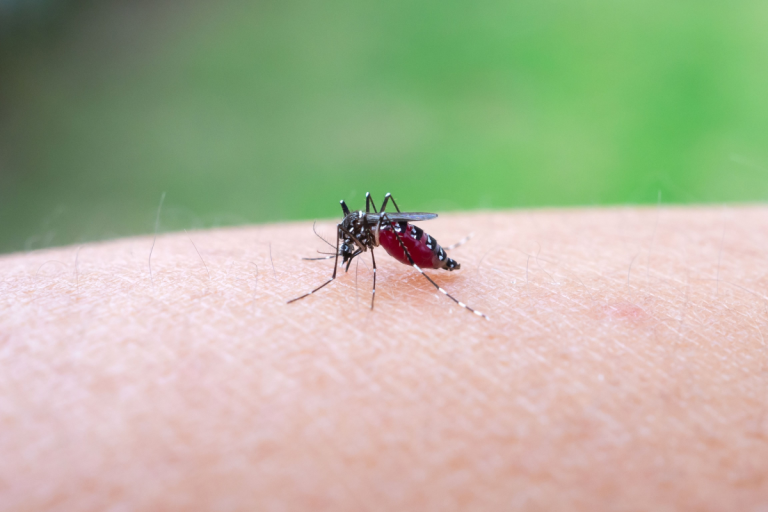
U.S. health officials are urging travelers to take additional precautions after a series of chikungunya outbreaks were confirmed across several tropical regions. The Centers for Disease Control and Prevention announced new Level 2 travel advisories on Friday for Cuba, Bangladesh, Sri Lanka and China’s Guangdong Province, citing rising case numbers and the absence of medical treatments for the mosquito-borne disease.

Chikungunya is transmitted through the bite of infected mosquitoes, and while no antiviral treatment exists, experts emphasize that the illness is preventable through vaccination. The CDC now recommends that travelers headed to affected areas consider immunization, especially those who may face prolonged exposure outdoors.

The virus typically causes fever and intense joint pain, but patients may also experience headaches, muscle aches, swelling or rash. Symptoms often appear within one week of infection, with most people recovering in several days. However, the World Health Organization warns that some cases can lead to lingering joint pain that lasts months or even years. More severe infections may require hospitalization due to the risk of organ damage.

Multiple regions report significant spikes

The outbreaks have varied widely in scale. Bangladesh has recorded the highest concentration of suspected cases, with the WHO reporting 700 infections in the capital city of Dhaka between January and September 2025. In China’s Guangdong Province, officials have confirmed 16,000 locally transmitted cases, marking the largest chikungunya outbreak ever documented within the country.

Cuba has reported 34 confirmed cases during the same period, prompting public health authorities to deploy targeted mosquito-control measures. In Sri Lanka, 150 laboratory-confirmed cases were recorded between January and mid-March, with infections reportedly peaking in June. Regional health agencies have warned that environmental factors, including rainfall patterns and rising temperatures, may be contributing to mosquito population growth.

According to WHO data, global chikungunya activity has been unusually high this year. Between January and September 2025, more than 445,000 suspected and confirmed cases were documented worldwide, along with 155 deaths attributed to the disease.

CDC lists additional countries with elevated risk

While the latest advisories focus on four locations experiencing active outbreaks, the CDC cautions that travelers to Brazil, Colombia, India, Mexico, Nigeria, Pakistan, the Philippines and Thailand may also face an elevated risk. In these countries, chikungunya transmission remains possible even without formal outbreak declarations.

Public health officials stress that travelers should remain vigilant during peak mosquito hours and use multiple layers of protection. Preventive measures include wearing long sleeves, applying EPA-approved insect repellent and staying in accommodations with window screens or air conditioning. For vaccinated travelers, these precautions remain important because no measure offers complete protection.

The U.S. has not documented any locally transmitted chikungunya infections since 2019. Cases reported within the country have been linked exclusively to travel, underscoring the importance of pre-trip preparation and post-travel monitoring. The CDC advises individuals returning from outbreak areas to seek medical evaluation if they develop symptoms consistent with the virus.

Growing concern over expanding mosquito-borne threats

Health authorities note that the rise in chikungunya cases mirrors broader global patterns in mosquito-borne diseases, including dengue and Zika. Warmer temperatures and urbanization have expanded mosquito habitats, increasing the likelihood of transmission in densely populated areas. Experts expect continued fluctuation in outbreak intensity as climate conditions evolve.

Researchers are also monitoring how travel patterns may influence regional spread. Increased international mobility, combined with limited treatment options, complicates containment efforts. While chikungunya is rarely fatal, its potential for long-term disability places significant strain on local health systems during widespread outbreaks.

The CDC advises travelers to stay informed through official health bulletins and consult medical professionals ahead of international trips. With seasonal tourism to tropical regions expected to rise, health agencies emphasize that preparation is key to reducing risk.

Fed Delivers Third Rate Cut of 2025 as Inflation and Jobs Data Diverge

The Federal Reserve lowered its benchmark interest rate for the third time this year on Wednesday, opting for another quarter-point cut as policymakers attempt to balance persistent inflation pressures with mounting signs of labor market weakness. The decision places the target range at its lowest level since late 2022 and marks one of the most divided votes the committee has seen in years.

Fed Chair Jerome Powell underscored that the path forward remains uncertain, cautioning that the central bank faces difficult trade-offs as it seeks to restore price stability without stalling economic momentum. “There is no risk free path for policy as we navigate this tension between our employment and inflation goals,” he said at a press briefing. “Our obligation is to make sure that a one time increase in the price level does not become an ongoing inflation problem.”

The rate cut had largely been priced into markets, though some last-minute doubts emerged after several policymakers voiced concerns that easing too quickly could reignite inflation. Still, the move offers modest relief for households carrying mortgages, credit card balances, or personal loans, and lowers borrowing costs for businesses hoping to shore up investment.

Rare dissent signals divisions inside the Fed

Wednesday’s decision included three dissents — a notable break from the typically unified Federal Open Market Committee. Fed governor Stephen Miran advocated a larger half-point cut, while regional presidents Jeff Schmid and Austan Goolsbee voted to hold rates steady. It was the highest level of disagreement since September 2019.

The split reflects uncertainty over how quickly inflation is cooling and how much the labor market has weakened toward year-end. The committee’s statement noted that job gains have slowed and the unemployment rate has moved higher through September. At the same time, inflation has “moved up since earlier in the year and remains somewhat elevated.”

The Fed’s updated economic projections show officials expect growth to accelerate to 2.3 percent next year, slightly above earlier forecasts. They anticipate one additional rate cut in 2026 and another in 2027. However, the wording of Wednesday’s announcement suggests policymakers are likely to pause at their next meeting in late January unless economic conditions shift meaningfully.

Inflation tracking remains clouded by data gaps

The fall federal government shutdown has left economists working with unusually sparse data. The Bureau of Labor Statistics released September payroll figures, but October’s jobs report was canceled and November’s figures will not be available until December 16. Inflation tracking is also delayed, with October’s consumer price index canceled and November’s CPI now due December 18.

Powell acknowledged the uncertainty: “Very little data on inflation have been released since our meeting in October.” Goods inflation has strengthened, he said, reflecting the impact of tariffs, while services inflation continues to decelerate. The Fed is weighing those conflicting signals while attempting to avoid a premature turn that could undermine progress on disinflation.

Alternative data suggests the labor market may be softening more sharply than official statistics indicate. Payroll processor ADP reported that small businesses shed 120,000 jobs in November, the biggest decline in more than two years. Combined with earlier estimates showing cooling hiring trends, analysts say the Fed is now navigating without its typical visibility.

Markets rally as the Fed resumes bond purchases

Financial markets reacted positively to the Fed’s announcement. Stocks pushed higher, with the S&P 500 rising about a quarter of a percent in afternoon trading. Investors also responded to the Fed’s separate decision to resume monthly purchases of U.S. Treasury bonds, a move designed to stabilize financial system liquidity and lower long-term borrowing costs.

While President Donald Trump has repeatedly urged the Fed to cut rates more aggressively, he has recently downplayed ongoing concerns about affordability despite campaigning heavily on the issue. The Fed, however, signaled it remains alert to inflation risks even as it acknowledges pressures on workers and businesses.

As the central bank enters 2026, the tension between supporting growth and preventing a resurgence in consumer prices will dominate the policy landscape. With key economic indicators delayed and political pressure rising, Fed officials face a period in which every decision carries significant stakes — and little margin for error.

EU Probes Google Over AI Summaries and Content Use

Brussels targets AI Overviews and training practices

The European Commission has launched a formal investigation into whether Google unlawfully used publishers’ and creators’ content to power its artificial intelligence features, including the AI summaries that now appear above traditional search results. Regulators will examine whether Google harvested data from websites without offering appropriate compensation and whether YouTube creators were given a meaningful option to opt out of having their videos used to train AI systems.

The probe also covers Google’s AI Mode, which provides conversational answers similar to ChatGPT, combining search with generative responses. Concerns have grown that these features reduce traffic to publishers by answering queries directly rather than driving users to external websites.

Publishers say traffic dropped, creators fear forced participation

Media outlets have raised alarms since Google introduced its AI Overview summaries earlier this year. The Daily Mail claimed its Google search referral traffic fell by around 50% after the feature launched, underscoring the financial risk of losing visibility in search.

Independent creators face similar concerns. Advocacy groups argue Google has made online publishing effectively conditional on allowing the company to train its AI models using creators’ work. Ed Newton-Rex of Fairly Trained said it is “career suicide” not to publish on platforms like YouTube, but by doing so creators’ content can “build AI that competes with you.”

Campaign group Foxglove, which previously urged the Commission to intervene, welcomed the investigation but warned that “clear and present dangers to journalism and democracy remain.” They called for an immediate opt-out mechanism for news publishers, saying waiting for the investigation to conclude risks irreparable damage.

Google defends its approach as regulators weigh potential penalties

A Google spokesperson said the investigation “risks stifling innovation in a market that is more competitive than ever,” arguing that Europeans should benefit from emerging AI technologies. The company maintains that its practices align with existing digital rules and that it provides pathways for industries to participate as AI evolves.

However, Commission officials say they are examining whether Google’s conduct violates EU law, particularly regarding the use of third-party content for commercial AI tools without transparency or fair compensation. The probe will assess both search-related features and YouTube’s role in improving Google’s broader AI systems.

The investigation is part of the EU’s expanding enforcement landscape under laws such as the Digital Services Act and Digital Markets Act, which have already led to billions in fines against major tech firms. These actions have angered U.S. lawmakers, who argue Europe is unfairly targeting American platforms.

A broader industry reckoning over AI training data

The debate centers on whether AI systems can ingest publicly available online content without explicit permission or payment. Generative AI models require vast datasets to learn how to produce text, images and video — but many artists, journalists and creators say their work is being used without consent.

EU Commissioner Teresa Ribera said that while AI brings significant innovation, it must not undermine “diverse media, open access to information, and a vibrant creative landscape.” Regulators say the investigation aims to determine if Google’s AI development crossed legal or ethical boundaries.

The outcome could reshape how AI companies source training data, how creators are compensated, and how search platforms present information in the algorithmic age. Until then, tension between regulators, publishers and Silicon Valley continues to escalate.

Australia Begins Global Test of Under-16 Social Media Ban

More than 1 million youth accounts set for removal

Australia is about to enforce one of the world’s most sweeping online safety laws, ordering social media platforms to deactivate more than 1 million accounts belonging to users under 16 starting Wednesday. The ban requires platforms to take “reasonable steps” to stop minors from creating new accounts and to remove existing ones, marking a bold attempt to curb the influence of addictive algorithms on young people.

Communications Minister Anika Wells framed the move as a direct strike at platforms designed to optimize engagement at the expense of children’s mental health. She referenced algorithms described by their own developers as “behavioral cocaine,” arguing that Australia cannot afford another generation shaped by unregulated digital environments.

Platforms face steep penalties as enforcement begins

Instagram, TikTok, YouTube, Snapchat, Facebook, X and Reddit are among the platforms listed under the new rules. Companies could face fines of up to 49.5 million Australian dollars for serious or repeated violations. Children and parents will not face penalties.

Some platforms began preemptive action even before the deadline, with Meta announcing early closures of Instagram, Threads and Facebook accounts linked to under-16 users. Officials describe the law as a “first domino” that could influence global policy, especially as other nations debate similar age restrictions.

Public support in Australia has been strong — a YouGov survey showed 77% approval — with many parents arguing it will help children focus on in-person relationships and healthier routines.

Youth reactions reveal a divide: protection or overreach?

Despite parental backing, many young Australians argue the ban undermines their autonomy and access to vital information. Two 15-year-olds have taken the issue to the nation’s High Court, claiming it restricts political communication and limits access to educational content on topics such as consent, health and online safety.

Teenagers interviewed across the country expressed concern that the ban ignores their perspectives. Others pointed out that youth will likely find ways around the restrictions, such as using VPNs or unregulated platforms. Some say digital literacy programs would be a more effective approach than blocking access entirely.

A national safety concern driven by troubling data

Government research underscores the urgency behind the legislation: 96% of kids ages 10 to 15 use social media, and seven in ten report exposure to harmful content such as violent videos, body-image pressures or pro-eating disorder material. One in seven also reported grooming-type behavior from adults or older teens, adding to calls for stronger protections.

Many families have personal stories fueling their support. Some parents described rapid behavioral changes after their children received smartphones, while others said the constant pull of algorithm-driven feeds disrupted sleep, schoolwork and real-world relationships.

Will the world follow Australia’s lead?

Online safety advocates believe this ban will be studied globally, particularly in countries where lawmakers are grappling with how to regulate social platforms without infringing on free expression. Critics warn, however, that the policy could unintentionally push minors toward less safe corners of the internet or cut them off from critical support communities.

For now, Australian officials remain firm. Wells said the government “will not be intimidated by legal challenges,” signaling that enforcement will continue even as the debate intensifies. Whether the ban becomes a global model — or a cautionary tale — will depend on how effectively platforms and families navigate the new digital landscape.

Android 16 Introduces Smarter Tools and More Frequent Updates

A new era of faster, continuous feature releases

Android 16 marks a shift in how the operating system evolves. Instead of waiting for one large annual update, users will now receive new features as soon as they are ready. This approach brings a more responsive, flexible experience that keeps devices feeling fresh and up to date throughout the year.

Intelligent notifications reduce overload

Two new AI-driven features aim to make notifications more manageable. AI-powered notification summaries turn long messages and active group chats into concise, easy-to-scan highlights. Meanwhile, the notification organizer automatically groups and silences lower-priority alerts such as promotions, news updates and social notifications. The organizer is rolling out gradually and will be available in the coming weeks.

More ways to personalize your device

Android 16 gives users expanded tools to fine-tune the look and feel of their home screen and interface. You can adjust custom icon shapes to match your style, while themed icons apply consistent visual elements across supported apps for a more cohesive appearance. The update also introduces an expanded dark theme that automatically darkens most light-themed apps, helping improve battery life and reducing eye strain.

On-device parental controls simplify digital guidance

Families now have easier access to device management through a new Parental Controls option built directly into Android Settings. Protected by a simple PIN, these controls allow caregivers to set daily screen time limits, manage downtime schedules, control usage of specific apps and add extra minutes as needed. The menu also includes a direct path to set up Google Family Link for additional tools such as app purchase approvals, School Time mode and location alerts.

With these updates, Android 16 brings a smarter, more personal and more family-friendly experience, powered by improved customization, intelligent organization and a steady pace of new features throughout the year.

New Recombinant Mpox Strain Detected by Global Health Officials

Hybrid of two known clades raises monitoring concerns

Scientists have identified a new mpox strain that contains genetic elements from both clade Ib and clade IIb, creating a recombinant version of the virus that currently has no official name. The discovery comes as public health agencies across Europe report early signs of local transmission of clade Ib, prompting renewed vaccination reminders for gay, bisexual, and other men who have sex with men — groups considered at higher risk of exposure.

Clade IIb was responsible for the global mpox outbreak in 2022, which spread across dozens of countries. The UK continues to offer vaccination to those most at risk, including people with multiple sexual partners, those who attend group sex events, and individuals who visit sex on premises venues. Health officials say available vaccines offer an estimated 75 to 80 percent protection against mpox, though effectiveness against the new recombinant strain has not yet been studied.

Experts urge vaccination as genetic changes emerge

Dr Katy Sinka of the UK Health Security Agency said genomic surveillance enabled rapid detection of the recombinant strain, emphasizing that ongoing viral evolution is expected. She urged eligible groups to remain protected through vaccination, calling it a proven tool for preventing severe disease.

While the UK has robust identification and containment systems, global experts caution that this capacity is uneven worldwide. Professor Trudie Lang of the University of Oxford noted that vulnerable regions, particularly those with limited vaccine access, face greater challenges in tracking and controlling spread. Understanding how the new strain transmits and how severe its symptoms are will be essential if cases increase beyond current levels.

Global spread heightens concerns

Nearly 48,000 mpox cases have been confirmed worldwide in 2025, including 2,500 in the last month alone, with central Africa experiencing the highest burden. Dr Boghuma Titanji of Emory University warned that continued global circulation creates ideal conditions for the virus to recombine and adapt. Each new variant raises the risk of mpox becoming more firmly entrenched as a persistent human pathogen.

Mpox typically causes a rash or lesions lasting two to four weeks, often accompanied by fever, headaches, muscle aches and fatigue. Transmission occurs through close physical contact, contaminated materials, and respiratory droplets. UK health officials advise anyone who suspects they may have mpox to contact NHS 111 for guidance.

EU Fines X 120 Million Euros Over Transparency Breaches

Brussels issues first major DSA non compliance ruling

The European Commission has fined social media platform X 120 million euros (about $140 million) for violating transparency rules under the Digital Services Act, marking one of the bloc’s most forceful actions yet against a U.S. tech company. After a two year investigation, regulators concluded the platform misled users through the design of its blue checkmark system, failed to maintain a transparent advertising repository, and blocked researchers from accessing public data.

The DSA, enacted in 2022, aims to regulate large online platforms by imposing strict requirements around safety, transparency, and accountability. European officials said X’s conduct fell far short of those standards. Henna Virkkunen, executive vice president for tech sovereignty, security and democracy, said in a statement that “deceiving users with blue checkmarks, obscuring information on ads and shutting out researchers have no place online in the EU.”

Deadlines set for compliance with EU demands

Under the ruling, X must outline a plan within 60 days to correct what regulators described as “deceptive” blue checkmark practices. The platform also has 90 days to submit a remediation strategy for its advertising transparency failures and its refusal to provide researcher access to public data. If it does not comply, the Commission warned it may impose ongoing penalty payments.

The decision holds significant implications for how X labels accounts and manages the visibility of promotional content. Since its acquisition and redesign, the platform has shifted its verification system into a paid feature, prompting concerns from policymakers and researchers over misinformation, impersonation risks, and the blending of authentic and subscriber content.

X has not yet issued a public comment on the fine or the required corrective measures.

Broader regulatory pressure on U.S. tech companies

The ruling comes as part of a wider European crackdown on dominant tech platforms. Just one day earlier, Brussels opened an antitrust investigation into Meta over a policy that could limit AI providers’ ability to use WhatsApp for customer communications. Google and Apple have also faced major fines this year under EU competition rules.

The U.S. government has increasingly pressed European authorities to ease requirements in the Digital Services Act, Digital Markets Act and upcoming AI regulations, arguing they disproportionately affect American firms. European regulators, however, say the rules are essential to ensure transparency, protect users, and prevent unfair market practices.

With this decision, the European Commission has issued its first non compliance ruling under the DSA, setting a precedent for future enforcement and reinforcing the bloc’s willingness to confront large tech platforms over user rights and accountability.