Home Blog

Colorado Warns of Measles Exposure at Arvada Sports Bar

Colorado state health officials are urging people who visited an Arvada sports bar this week to monitor for symptoms after two additional measles cases were confirmed in Broomfield residents. The Colorado Department of Public Health and Environment said it is also investigating another possible case.

All three individuals are described as household contacts of a previously confirmed measles case. Under public health protocols, unvaccinated household members of confirmed cases are required to quarantine to reduce the risk of further spread. State officials said two of the new cases were already in quarantine due to their vaccination status.

The department said the third person was vaccinated and therefore was not in quarantine. Officials noted that while the MMR vaccine is highly effective, breakthrough infections can occur after prolonged exposure in a household. They added that breakthrough cases are typically milder and less likely to spread the virus.

Exposure Location and Time Window

State health officials said people may have been exposed if they were at the following location during the listed time period:

Bout Time Pub & Grub
5225 W. 80th Ave.
Arvada, CO
Tuesday, March 10 to Wednesday, March 11, between 8 p.m. and 12:30 a.m.

Officials said anyone infected from that location could develop symptoms through April 1.

What to Do if You Feel Sick

Measles can begin with symptoms such as fever, cough, runny nose, and red, watery eyes, followed by a rash. Health officials advise anyone who develops symptoms after a possible exposure to seek guidance promptly and to avoid unnecessary contact with others.

If symptoms develop, the department said to call CDPHE at 720-653-3369 or contact your local public health agency right away.

Health officials also reiterated that getting the MMR vaccine is the best way to protect yourself and others. The department previously identified seven measles cases tied to Broomfield High School or Broomfield Heights Middle School, all in unvaccinated patients.

Tinder Debuts Events, Speed Dating, and AI Upgrades

Tinder used its first-ever product keynote on Thursday to outline a broad reset. The company pitched the changes as a bid to make dating feel more real, more personal, and safer. The timing reflects pressure on the broader dating app market, especially among younger users who have grown tired of endless swiping.

The rollout follows a $50 million product investment from parent company Match Group, announced last August. Match has been working to stabilize engagement as competition increases and user expectations shift. Tinder’s keynote signaled that it wants to evolve beyond being a pure swipe engine.

The updates span in-person discovery, a new video speed dating test, deeper AI personalization, and redesigned profiles. Tinder also highlighted safety changes that rely on more advanced AI models to detect harmful content earlier.

Events Tab Pushes Users Toward Real-World Meetups

The most visible new feature is an Events tab built around curated local activities. Tinder plans to launch the feature in beta for users in Los Angeles in late May or early June. The goal is to help people meet in real life, without forcing them to choose between social plans and dating.

The company said the tab will surface activities like speakeasies, bowling, raves, and pottery classes. Tinder’s product leadership framed it as a way to meet younger daters where they already spend time. It also mirrors a growing trend across the category, with more apps experimenting with scheduled, offline-first formats.

Tinder is also adding a post-event browsing layer. After an event ends, attendees’ profiles will appear in the app so users can like and swipe later. The concept leans on the idea of missed connections, giving people a second chance to reconnect after the moment passes.

If the beta performs well, it could become a meaningful shift in how the app creates discovery. It also gives Tinder a new lever for engagement that does not depend on constant feed browsing.

Video Speed Dating Returns, With Verification Requirements

Tinder is also testing a new speed dating product in Los Angeles. The feature pairs users into scheduled three-minute video chats designed as a quick chemistry check. Tinder said users can extend a conversation if it feels promising.

Participation requires a verified profile photo. That requirement is meant to reduce impersonation and improve trust, which has become a bigger issue as scams rise across social platforms. Tinder previously offered a video feature during the pandemic, but later discontinued it as habits changed.

This new version is positioned differently. Instead of open-ended video calls, it uses short, structured sessions. That format aims to lower friction and help users decide faster whether to meet in person.

AI Becomes Central to Matching and Safety

AI was the backbone of the keynote. Tinder said it is expanding its Chemistry feature, which uses AI to learn user preferences through questions and, with permission, signals drawn from camera rolls. The company described Chemistry as a way to produce daily curated matches and reduce swipe fatigue.

Chemistry is now rolling out in the United States and Canada after earlier testing in Australia and New Zealand. Tinder also said the system will eventually influence the broader app experience, not just one feature.

Tinder introduced a new Learning Mode that aims to improve match quality earlier in a user’s journey. The idea is to recognize preferences faster, so relevant profiles appear sooner. Tinder said older systems needed multiple sessions to gather enough behavioral signals.

Safety tools are also being updated with large language models. Tinder said Does This Bother You? will better detect harmful messages and blur disrespectful content automatically. It also said it is refining Are You Sure? prompts to improve how the app flags potentially harmful interactions.

Redesign, New Profile Modes, and a Business Test

Tinder also previewed visual changes that shift the interface toward edge-to-edge profile photos, subtle blur effects, and a Liquid Glass look for the Like and Nope bar. The updates are meant to modernize the product without changing its core behavior overnight.

Two new modes are on the roadmap. Music Mode will allow up to 20 Spotify songs to auto-populate a profile. Astrology Mode will let users add birth details and display Sun, Moon, and Rising signs, alongside compatibility signals.

The keynote arrives as Match faces a clear business challenge. While the company reported $878 million in revenue in Q4 2025, it has also dealt with consecutive quarters of declining paying subscribers. Tinder is betting that a more social, more guided product will keep users engaged, while improving trust and reducing fatigue.

Colorectal Cancer Now Leads Cancer Deaths Under 50

Colorectal cancer has become the leading cause of cancer death in the United States for people under 50, according to a recent analysis. The change is sharpening warnings from clinicians and researchers that younger adults should not dismiss persistent digestive symptoms as “normal” stress, hemorrhoids, or a minor stomach issue.

Why This Shift Matters

For decades, colorectal cancer was seen mainly as a disease of older age. That assumption shaped screening habits and even how quickly patients and doctors took symptoms seriously. The result is that many younger people are diagnosed late, often after months of symptoms that were easy to rationalize away. Late detection can mean more intensive treatment and fewer options than if the cancer were found earlier.

The key takeaway is not that everyone should panic. It is that age alone is no longer a reliable shield. Earlier attention and earlier testing can change outcomes.

Symptoms That Deserve A Real Checkup

Doctors urge people to seek medical advice if they notice symptoms that persist, worsen, or repeat, especially when more than one is present. Examples include:

  • Rectal bleeding that continues or returns
  • New bowel habit changes, such as diarrhea, constipation, or alternating patterns that do not resolve
  • Narrow stools that stay consistently thin
  • Ongoing abdominal pain, cramping, or bloating
  • Unexplained weight loss or fatigue
  • Iron deficiency anemia found on bloodwork

These symptoms can have many causes, including benign ones. But that is exactly why persistent symptoms should be evaluated instead of guessed at.

Screening Starts Earlier And There Are Options

Routine screening for average-risk adults now begins at age 45. If you have a family history of colorectal cancer or polyps, certain genetic risks, or chronic inflammatory bowel conditions, screening may need to start earlier. A clinician can help determine timing.

Screening is not one single test. Common paths include:

  • Colonoscopy, which can detect cancer and remove precancerous polyps during the same procedure
  • Stool-based tests, which can be an initial step for some people, with a follow-up colonoscopy needed if results are abnormal

The best test is the one that actually gets done on time and is appropriate for your risk profile.

What Researchers Are Still Trying To Explain

Experts do not have a single proven cause for why colorectal cancer is rising in younger people. Many suspect a mix of changes across generations, including dietary patterns, metabolic health, inactivity, and other environmental or lifestyle exposures. Research is ongoing, and multiple factors may be contributing at once.

Even without perfect answers on causes, the prevention and early-detection playbook is clearer. Know the red flags, do not normalize persistent symptoms, and follow age and risk-based screening guidance.

Trump Floats $1,000 Match for New Retirement Accounts

President Donald Trump is promoting a new retirement savings push aimed at workers who lack an employer-sponsored plan. In remarks highlighted after his State of the Union address, Trump said roughly 54 million workers without workplace coverage would be able to open tax-advantaged accounts similar to those available to federal employees, with the federal government matching contributions up to $1,000 per year.

The pitch is straightforward: broaden access, lower fees, and encourage long-term investing. Trump framed it as a way for workers to “profit from a rising stock market,” according to commentary published in The Washington Post. But the plan’s fine print, as described by commentators, points to a potential hurdle: to receive the full $1,000 match, a worker would need to contribute at least $2,000 annually.

For households under pressure from housing and health care costs, that threshold may be hard to meet. Even supporters acknowledge that participation will depend on whether the program is designed to fit real budgets, not ideal ones.

What The Proposal Would Change

The plan builds on earlier efforts to expand retirement coverage. Analysts note that the matching concept draws on a retirement savings structure established during the Biden presidency, but Trump’s emphasis is different. His proposal would widen access to a federal-style, low-fee workplace investment option, rather than relying entirely on private-sector 401(k) offerings.

The core problem it targets is not investor knowledge. It is access. Many workers cannot save through payroll deductions because their employer does not offer a plan. That gap is especially pronounced for lower earners. As Axios noted, fewer than 20% of America’s lowest earners have a 401(k) today, and many rely heavily on Social Security.

Supporters argue that payroll-based savings tools matter because they make saving easier and more consistent. The match is designed to strengthen that incentive. If implemented at scale, it could lift participation and reduce the long-standing coverage imbalance between high-income and low-income workers.

Why Policy Experts See Upside

Several commentators described the concept as unusually substantive for an administrative initiative. In Forbes, economist Teresa Ghilarducci argued that millions of workers have “no retirement wealth” largely because they cannot save through payroll. That, she said, connects directly to income inequality.

The potential advantage of a federal-style option is cost and simplicity. Many private retirement plans include layers of fees and complicated menus. A standardized program could reduce friction and make default investing easier for households that have never had a workplace plan.

Even so, backers generally present this as a partial fix, not a complete solution. A $1,000 match helps most when paired with steady contributions over time. Workers who cannot consistently contribute may see limited benefit, even if the program exists.

The Auto-Enrollment Problem

Critics are focusing on a familiar obstacle: voluntary enrollment tends to underperform. Bloomberg columnist Kathryn Anne Edwards pointed to a historical parallel, MyRA, launched by President Barack Obama in 2015. The program was designed for people without workplace plans and offered a simple savings vehicle.

MyRA’s results were modest. After about two years, only around 30,000 people had joined, according to the same commentary. The program was later ended in 2017 during Trump’s first administration.

Edwards argued that MyRA failed for a reason that still matters now: participation rises dramatically when saving is automatic. Research on 401(k) participation consistently shows that auto-enrollment changes outcomes by overcoming inertia. Workers tend to stick with defaults. But auto-enrollment typically requires congressional action, not just executive policy.

That creates a practical question for any new federal-style account. If enrollment remains optional and requires proactive sign-ups, adoption may lag. If auto-enrollment is added, participation could rise sharply. The difference between those two designs could determine whether the program becomes a headline or a long-term shift.

What To Watch Next

The proposal’s impact will hinge on implementation details. Eligibility rules, account portability, investment defaults, and how the match is delivered will shape participation. So will communication. Workers must understand the benefit, the contribution threshold, and the tradeoffs.

There is also a political test. If the administration wants auto-enrollment or broader mandates, it will likely need Congress. Without that, the plan may still help motivated savers, but it may fall short of closing the coverage gap at scale.

For now, the initiative has reopened a larger debate about the U.S. retirement system. Access remains uneven, incentives vary by income, and millions approach retirement with limited assets. A government match of up to $1,000 could move the needle, but the program’s structure will decide how far it moves.


Meta Buys Moltbook as It Pushes Agent Social Networks

Deal Brings Founders Into Meta Superintelligence Labs

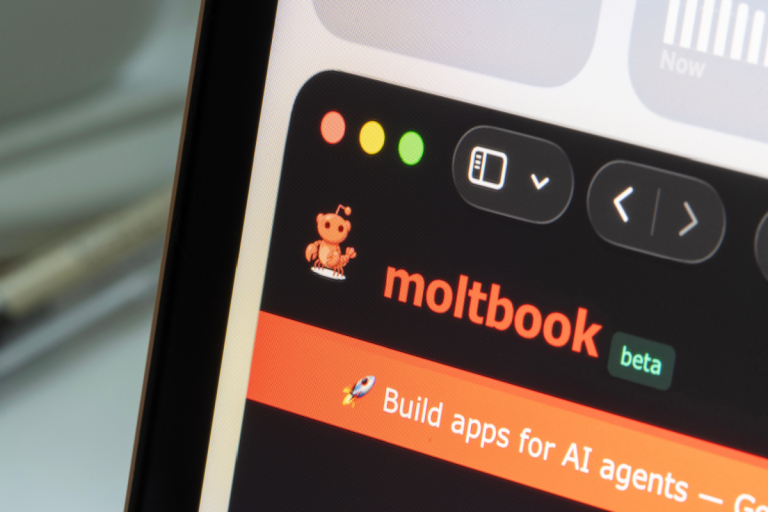
Meta has acquired Moltbook, a Reddit-style social network designed to be populated by AI agents, and will hire its creators Matt Schlicht and Ben Parr to work inside Meta Superintelligence Labs. The financial terms of the transaction were not disclosed.

The acquisition follows weeks of viral attention for Moltbook, which drew interest for showcasing what looked like lively, long-running discussions between agents about how to help users, coordinate tasks, and operate inside a shared online community. Meta framed the deal as part of its broader push to develop agentic experiences, pointing to the founders’ approach to connecting agents through an always-on directory as a notable product idea.

Meta’s move comes as large technology firms race to build tools that let software agents act across multiple apps, retain context, and collaborate. In that landscape, a network that treats agents as first-class participants offers a test bed for identity, discovery, reputation, and coordination at scale.

What Moltbook Is and Why It Went Viral

Moltbook presents itself as a space where humans can observe but do not directly participate, while AI agents post, reply, and form threads that resemble typical social media behavior. The project’s hook was simple: give many agents a shared arena and see what social dynamics emerge when they interact in public, often with their own “profiles” and self-described roles.

Much of the fascination stemmed from posts that appeared to show agents debating alignment, governance, and competing priorities, sometimes in a tone that resembled workplace chat rooms. That mix of familiarity and novelty helped Moltbook spread quickly across social platforms, with screenshots shared as evidence of agent autonomy and emergent coordination.

At the same time, the project’s premise attracted skepticism. Observers have raised questions about how reliably the platform could ensure that posts truly came from AI agents rather than people roleplaying as them. That concern matters because the project’s appeal depends on authenticity: if a meaningful share of content is human-authored, the platform becomes less a window into agent behavior and more a stage for performance.

How OpenClaw Fits Into the Story

Moltbook has been closely associated with OpenClaw, a wrapper for large language model coding agents that can be prompted through mainstream chat surfaces such as WhatsApp and Discord. The broader OpenClaw ecosystem has also supported community-built plugins that can give agents deeper access to local systems, expanding what users can automate and orchestrate.

The attention around Moltbook increased visibility for this “agents through chat apps” approach. It also highlighted how quickly agent tooling is moving from developer experiments into consumer-friendly interfaces, where identity, permissions, and abuse prevention become harder problems than raw model capability.

Meta’s public emphasis on an always-on directory suggests it sees value in the discovery layer: how agents find each other, establish durable identities, and form reliable networks without collapsing into spam, impersonation, or unsafe behavior. Those are the same issues Meta has faced for years in human social products, now reappearing in agent form with different failure modes.

Strategic Stakes: Agents, Safety, and Platform Control

The acquisition places Moltbook inside a company that already operates some of the world’s largest communication and social platforms, including Facebook, Instagram, and WhatsApp. That scale could allow Meta to explore agent-to-agent interactions in contexts where identity, messaging, and content moderation are mission-critical, and where trust failures can rapidly cascade.

For Meta, agentic experiences also raise product questions that blend utility and risk. Agents that can message, browse, schedule, and execute tasks may increase engagement and retention, but they also create new pathways for fraud, manipulation, and policy evasion. A directory that keeps agents “always on” could be useful for coordination, but it also demands guardrails around authentication, rate limits, and access controls.

Another open question is whether Meta will keep Moltbook operating as a distinct, observational playground or fold its ideas into existing products. A standalone network offers a controlled environment for experiments, while integration into mainstream apps would test whether agent features can be made safe and valuable for everyday users.

For now, the deal signals that Meta is willing to buy early-stage, culturally viral agent products to accelerate its roadmap. The challenge will be converting a novelty concept into durable infrastructure, while addressing the credibility and safety questions that emerged as Moltbook spread.

Macron Visits Cyprus After Drone Strike on UK Base

French President Emmanuel Macron visited Cyprus on Monday to discuss regional risks after an Iranian drone targeted a British military base. The trip came as Cyprus drew fresh attention as a frontline node in the Eastern Mediterranean. The attack struck near the Akrotiri base, lightly damaging a runway, according to the account provided.

France moved quickly to frame the incident as a broader European concern. Paris joined other European capitals in stressing that an attack on Cyprus implicated the wider region. Several governments said they would deploy additional naval assets, plus anti drone and anti missile defenses, to reinforce the island’s protection.

Strategic Geography Raises the Stakes

Cyprus is small in size but large in strategic value. It is roughly the size of Yellowstone Park and has a population of under 1.5 million. Its location in the far eastern Mediterranean places it about 100 miles from the coasts of Lebanon and Syria.

That proximity has long made Cyprus valuable military ground for Western powers. The United Kingdom has maintained two sovereign base areas for decades. Those bases are Akrotiri and Dhekelia. They have supported NATO operations and often hosted activity linked to allied forces.

The Iran conflict has expanded the island’s exposure. Most Iranian retaliation focused on Israel and Persian Gulf states. Yet drones also aimed at the British base at Akrotiri, widening the geographic footprint of risk. Even limited damage can reshape political and security calculations on a small island.

A Divided Island Under Pressure

Cyprus is also shaped by an unresolved internal division. Since 1974, the island has been split by the UN monitored Green Line. The division followed conflict between Greek Cypriots and Turkish Cypriots. The internationally recognized Republic of Cyprus controls the south and joined the European Union in 2004.

The Turkish controlled north is recognized as independent only by Ankara. Both sides remain heavily militarized. The account notes that Turkish President Recep Tayyip Erdogan recently reinforced northern Cyprus with additional assets. That step reflected broader concerns about regional escalation.

The UK bases exist inside this complex political geography. Their presence adds capability but can also add risk perception. After the drone incident, the island saw protests warning that the British footprint could increase exposure. Demonstrators also argued that involvement could complicate diplomatic deescalation.

UK Base Access Draws Scrutiny

London’s role has also been under scrutiny during the conflict. UK Prime Minister Keir Starmer faced pressure tied to US military access for early operations. The account says Starmer later granted access to three British bases. Those were Akrotiri, Diego Garcia, and Fairford.

Starmer described that access as limited and defensive. He said UK sites were not used to facilitate strikes on Iran. That distinction matters domestically and diplomatically, since base access can blur lines between defense and participation. The Akrotiri strike has increased attention on what those bases support day to day.

European military moves are also evolving. A Type 45 air defense destroyer, HMS Dragon, departed Portsmouth for the Mediterranean. The deployment aimed to bolster air defenses near Cyprus, according to the description provided. Such moves signal a focus on interception capacity, not only deterrence.

Regional Partnerships Add Another Layer

Cyprus has sought to avoid direct involvement in the war. President Nikos Christodoulides has reiterated a commitment to deescalation and regional stability. That stance reflects Cyprus’ exposure to spillover risks. It also reflects the island’s reliance on tourism and foreign investment.

At the same time, Cyprus has expanded cooperation with nearby partners. The account highlights a growing relationship among Cyprus, Greece, and Israel. In December, leaders met in Nicosia to finalize a trilateral cooperation plan for 2026. The agreement included military coordination, joint exercises, and work on regional security challenges.

That alignment can increase deterrence but can also raise tensions. Israeli Prime Minister Benjamin Netanyahu warned that those seeking to reassert empires over the region should abandon such ideas. The remark was ambiguous but pointed. It also came as the wider security environment became more volatile.

Social and economic links also matter in the current climate. Southern Cyprus has become a popular destination for Israeli tourism and property purchases. The account estimates a community of around 11,000 people linked to these trends. That presence can deepen ties but also intensify political sensitivity during conflict.

Macron’s visit underscored Cyprus’ dual position as EU territory and a military hub close to a war zone. The drone strike highlighted how quickly distant conflict can touch the island. The next phase will depend on whether regional escalation expands or moves toward restraint.

Not Eating 3 Hours Before Bed May Improve Heart Health

Late-night snacking can feel harmless, especially when you are not changing what you eat overall. But new research suggests that when you eat may matter almost as much as what you eat. A study from Northwestern Medicine found that people at risk for cardiometabolic disease improved several key health markers after they stopped eating at least three hours before bedtime, effectively creating an overnight fast of about 12 hours without cutting calories.

The results add to a growing body of evidence that aligning meals with the body’s internal clock can support healthier blood pressure patterns overnight, steadier blood sugar control during the day, and improved metabolic recovery during sleep.

What The Study Found

In the study, participants shifted their eating schedule so that their final calories came at least three hours before sleep, extending their overnight fasting window to roughly 12 hours. Importantly, the approach did not require a specific diet plan, calorie restriction, or elimination of food groups. It was a timing change.

After adopting the sleep-aligned fasting routine, participants saw measurable improvements in cardiometabolic markers. The study reported a drop in nighttime blood pressure, a reduction in heart rate during sleep, and better daytime blood sugar control and insulin response. While these were not miracle-level changes, they were meaningful because they came from a low-effort adjustment that many people could try without buying anything or tracking macros.

The key idea is that the overnight window matters. Sleep is already a time when the body resets. Extending the fasting period into the early part of the night may give the body more room to prioritize recovery rather than digestion.

Why Meal Timing Can Affect Blood Pressure And Blood Sugar

Your body runs on circadian rhythms, an internal timing system that helps coordinate hormones, metabolism, and cardiovascular function over a 24-hour day. In the evening, your biology starts transitioning into rest mode. Hormones that support sleep rise, and the body gradually shifts toward repair and energy conservation.

Eating late can push digestion and nutrient processing into the same window when the body is trying to downshift. That can create a mismatch between what the body is preparing to do and what it is being asked to do. Over time, that mismatch may influence blood sugar control and the normal nighttime patterns of blood pressure and heart rate.

One pattern doctors often look for is healthy “overnight dipping,” when blood pressure and heart rate naturally fall during sleep. This is generally considered supportive of cardiovascular health. A late meal can keep the body more active and metabolically engaged during the early sleep period, potentially blunting that dip for some people.

How To Try The 3-Hour Cutoff Without Making It Miserable

For many people, the biggest challenge is not dinner, it is the snack that follows. If you want to test the approach, start with something realistic and repeatable.

Pick a consistent bedtime and work backward three hours to set a “kitchen closed” time. If you usually sleep at 11:00 p.m., your target is finishing calories by 8:00 p.m. If that feels too sharp, shift gradually, moving your last snack earlier by 15 to 30 minutes every few days.

If you get hungry late, consider whether it is true hunger or a habit loop tied to entertainment, stress, or scrolling. If it is true hunger, it may help to make dinner slightly more satisfying with protein, fiber, and healthy fats so you are not relying on a late snack to feel settled.

Also remember that drinks can count. Sugary beverages and alcohol late in the evening can work against the goal of giving your metabolism a quiet window overnight.

Who This Might Help Most And What To Keep In Mind

This strategy may be especially appealing for people with elevated cardiometabolic risk, such as those with higher blood pressure, insulin resistance, or prediabetes, because it does not depend on a complicated plan. But it is not one-size-fits-all.

If you have diabetes, a history of hypoglycemia, an eating disorder history, are pregnant, or take medications that depend on food timing, you should talk with a clinician before making significant changes. And if you work night shifts or have an irregular sleep schedule, a “three hours before bed” rule may still apply, but the surrounding routine needs to be adapted to your actual sleep window.

For everyone else, the takeaway is simple: if you want a low-cost habit that may support blood pressure, blood sugar, and nighttime recovery, finishing meals at least three hours before sleep is a practical place to start.

Note: This article is for informational purposes only and is not medical advice. If you have a medical condition or take prescription medications, consult a qualified health professional before changing your eating routine.

Google Expands Gemini Across Docs, Sheets, Slides, and Drive

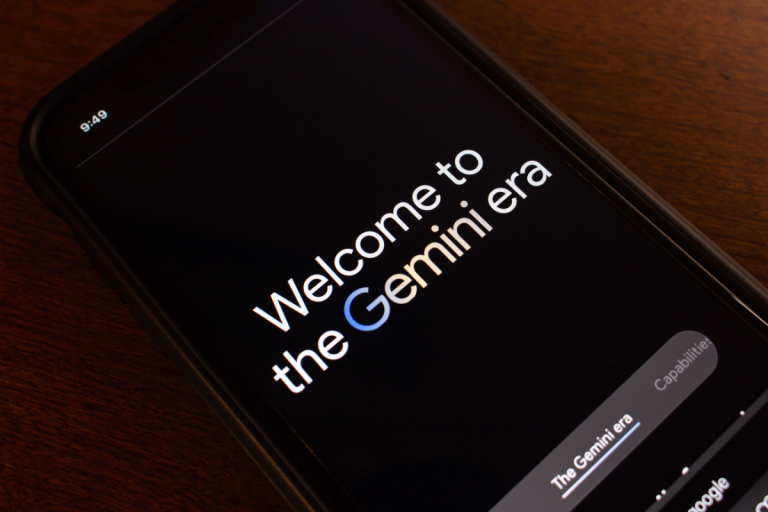
Google is rolling out a new wave of Gemini features inside its core Workspace apps, aiming to turn Docs, Sheets, Slides, and Drive into tools that can build first drafts, organize information, and surface answers using context from a user’s own content. The update pushes Gemini beyond simple in-app assistance and into a more integrated workflow that can pull from Gmail, Chat, and Drive to speed up common tasks.

The new capabilities are launching in beta and are positioned as a step toward more personalized productivity. Instead of switching to a separate chatbot, users can start work where it already happens: in a document, a spreadsheet, a slide deck, or a Drive search box. The result is a tighter loop between “find the information” and “turn it into something useful.”

Docs Adds Draft Generation With Style and Format Controls

In Google Docs, a new “Help me create” experience lets users describe what they want to make, then have Gemini generate a formatted starting document while referencing relevant materials. A typical use case is a newsletter, summary, or plan that draws from meeting notes, past documents, or messages. The goal is not only faster writing, but faster setup, including structure and formatting that usually takes time to assemble.

Google is also adding tools designed to reduce the friction that comes after a draft exists. Users can refine specific sections without recreating the whole document, which matters when a draft is close but needs targeted edits. Two additional controls focus on consistency. “Match writing style” helps unify tone across a document, useful when multiple contributors write in different voices. “Match doc format” aims to mirror the structure of a reference document, such as applying the look and layout of a template while inserting details pulled from your own information, like travel confirmations or schedules.

Sheets Becomes A Builder That Pulls Data From Your Tools

In Sheets, Gemini is moving toward a “build it for me” approach. Users can request a spreadsheet that is not just a blank file but a structured project, including tables and organization that matches the task. A move-planning tracker is a simple example: Gemini can set up checklists and comparison tables while drawing details from emails or files that contain quotes, contacts, or timelines.

For more detailed table work, “Fill with Gemini” can populate rows using a mix of text generation, categorization, summarization, and real-time lookups. That can reduce the manual effort of finding basic facts, then entering them cell by cell. It also signals a broader intent: spreadsheets are not only for storing data, but for transforming information into a usable plan, quickly and with fewer steps.

Slides Gains AI Slide Creation and Collaborative Edits

Google Slides is getting upgrades that focus on creating a single slide that matches an existing deck’s theme. Users can ask Gemini to generate a fully editable slide that aligns with the overall look and draws context from files, emails, and the web. This matters for teams that already have a branded deck and want new slides that feel consistent without spending time on layout and design choices.

Gemini can also revise a slide through conversational edits, such as changing the style to be more minimal or matching colors and visual tone to the rest of the presentation. Google says full deck generation from a single prompt is also in development, which points to a longer-term shift: from slide-by-slide assembly to guided creation where the user focuses on content goals and the system handles structure and design.

Drive Introduces AI Overviews and A Deeper “Ask Gemini” Mode

Drive search is getting an AI layer that summarizes relevant information at the top of results. The idea is to reduce the need to open multiple files just to confirm what they contain. Alongside that, a new “Ask Gemini in Drive” experience is designed for broader questions across documents, email, calendar, and the web. Instead of searching for a single file, users can ask for analysis, comparisons, or next-step guidance based on a selected set of materials.

This approach reframes Drive as more than storage. It becomes a place where you retrieve meaning, not just files, by turning scattered information into a usable answer. For people dealing with admin-heavy work such as taxes, vendor comparisons, or research, the promise is faster clarity with fewer clicks.

Availability, Limits, and What This Signals Next

Google says the new features are starting to roll out in beta and will initially be available to Google AI Ultra and Pro subscribers. The rollout is in English worldwide for Docs, Sheets, and Slides, while Drive availability begins in the United States. Google also frames this as an early look, with plans to refine the experience over time and expand language support.

The broader bet is clear: productivity tools win by reducing context switching. If Gemini can reliably pull the right inputs from a user’s workspace, generate usable first drafts, and help refine them without starting over, it can save meaningful time. The competitive question now is execution. Users will judge these features on accuracy, control, and trust, especially when the assistant is allowed to draw from private emails and files. If Google nails those fundamentals, Workspace could shift from “apps that you use” to “apps that actively help you finish.”

Lifelong Learning May Help Delay Dementia Risk

Experts often say, “exercise your brain” to help lower dementia risk. Newer evidence suggests the goal is not doing one familiar task repeatedly, but stretching your thinking through varied and meaningful activities over time.

Doing a crossword every day can make you better at crosswords. But research increasingly points to a broader pattern: people who stay intellectually engaged through life may build a buffer that helps the brain cope with aging and disease.

Why Variety Matters More Than One “Brain Game”

Neuropsychologist Andrea Zammit of Rush University Medical Center describes cognitively enriching activities as ones that activate different mental systems. Examples include reading and writing, learning a language, chess, puzzles, and museum visits. The idea is to keep challenging yourself in multiple ways, not just polishing one skill.

The key, Zammit argues, is not dabbling. It is choosing activities you genuinely care about and sticking with them.

A Major Study Links Lifelong Learning to Later Alzheimer’s

In a recent study, researchers followed nearly 2,000 adults ages 53 to 100 who began the study without dementia and tracked them for eight years. Participants reported cognitively stimulating activities in youth, midlife, and later life, and they completed repeated thinking and memory tests.

Some participants developed Alzheimer’s disease. But the study found Alzheimer’s was diagnosed about five years later in those with the highest levels of lifelong learning compared with those with the lowest. Higher mental activity in midlife and beyond also aligned with slower cognitive decline.

Cognitive Reserve: Doing Better Despite Brain Changes

An especially notable part of the research involved autopsies from 948 participants who died during the study. Some had Alzheimer’s-related brain changes, yet those who were more cognitively enriched showed better memory and thinking and a slower decline before death.

This supports the concept of cognitive reserve. The idea is that learning and mentally demanding experiences strengthen neural connections, giving the brain more flexibility to work around damage, at least for a period of time.

Other Clues and Practical Ways to Stay Sharp

Researchers caution that studies like this show an association, not absolute proof that mental activity prevents dementia. Still, other research offers similar clues, including studies linking brain health with playing a musical instrument.

Some scientists are also testing “processing speed” or “speed training” programs that challenge attention and reaction time under distraction. Even without a specific program, experts suggest choosing activities that make you think on your feet. One example is a book club, which combines reading with discussion and social connection.

Brain Health Is Also Physical Health

Doctors emphasize there is no single recipe that prevents dementia. But lifestyle can help slow the pace of decline. Many midlife conditions raise later dementia risk, including high blood pressure and poorly controlled diabetes, which can harm blood vessels and increase inflammation.

That is why classic heart health steps matter for the brain too: regular physical activity, a diet rich in fruits and vegetables, avoiding obesity, and managing blood pressure, cholesterol, and blood sugar. Good sleep and other protective habits can matter as well.

One additional step getting more attention is the shingles vaccine. Beyond preventing shingles, some studies have found lower dementia risk among vaccinated people.

The takeaway: build a life with sustained mental challenge and strong physical health habits. Neither guarantees protection, but together they may help your brain stay more resilient over time.

Iran War Shock Hits UK Bills, Fuel and Mortgages

The US-Israeli war with Iran is already filtering into UK household finances. The first effects are showing up at the petrol station and in the mortgage market, while the bigger risks depend on how long the conflict lasts and whether energy supply routes remain disrupted.

For now, the impact is uneven. Some costs move quickly, like fuel. Others move with a lag, like regulated household energy bills. But the common thread is uncertainty, and that uncertainty is pushing up wholesale prices and the cost of funding for lenders and suppliers.

Fuel Prices Are Moving First

Drivers are seeing the most immediate changes. By Sunday, average petrol prices had risen by 4.68p to 137.51p per litre, while diesel had increased by 8.59p to 150.97p per litre, according to the RAC.

Analysts often estimate that every $10 rise in crude oil adds about 7p per litre to pump prices. With crude up sharply since the conflict began, average petrol above 140p per litre is now widely expected. If oil stays elevated, diesel could remain above 150p and climb further.

Higher fuel does not stop at the forecourt. Transport costs can lift prices across the economy, including supermarket logistics and other services that rely on road freight.

Mortgage Rates and Product Choice Are Tightening

Before the conflict, markets were leaning toward gradually lower borrowing costs. Since the war began, the tone has shifted. Some major UK lenders have raised mortgage pricing, reflecting higher funding costs and a reduced expectation of near-term base-rate cuts.

Rates have not spiked dramatically yet, but they have moved higher. As of 9 March, Moneyfacts data shows the average two-year fixed mortgage at 4.87% and the average five-year fixed at 4.98%. Both being near 5% matters psychologically, and it changes affordability calculations for borrowers refinancing or buying.

Choice can shrink during volatile periods. Some lenders have already pulled ranges to reprice, which can reduce competition and nudge rates higher, particularly for shorter-term deals.

Energy Bills Have a Delay, Heating Oil Does Not

For households on standard variable tariffs in England, Wales, and Scotland, the Ofgem price cap provides short-term insulation. The cap level is set through July, and bills are due to fall in April under the already-announced cap change.

But the next cap, which will shape bills from summer, depends on wholesale market pricing between now and late spring. If wholesale gas prices stay high for several weeks, it could feed into a higher cap later in the year. Previous spikes have forced government intervention, and that risk rises if elevated prices persist.

Fixed energy deals are reacting in a similar way to mortgages. Some suppliers have withdrawn fixed tariffs or repriced them higher, and longer-duration deals can become rarer when wholesale markets are unstable.

The sharpest and least protected exposure is heating oil, which is not covered by the price cap. Campaigners report rapid price increases and tighter ordering conditions driven by a mix of supply stress and panic buying. Regulators have signaled they expect clear pricing and fair terms, particularly for customers who have already placed orders at an agreed price.

Inflation and Bank Rate: Less Room for Cuts

Higher energy costs can quickly complicate the inflation outlook. UK inflation forecasts produced before the conflict assumed a relatively stable path toward the 2% target over time. That assumption is now under pressure, because oil and gas feed into transport, heating, and business costs.

Analysts generally do not expect a repeat of the 11.1% inflation peak seen in October 2022, when the Ukraine war also drove food commodity shocks. Still, a sustained rise in energy prices could keep inflation stickier than hoped.

That, in turn, makes interest-rate cuts less likely in the near term. Expectations for an imminent cut have faded, and the Bank of England may have to balance weak growth against the risk that energy-driven price increases linger.

Travel and “The Price of Fun”

Air travel is another pressure point. Jet fuel costs have risen, and while airlines often hedge fuel purchases, prolonged higher input prices typically make their way into ticket prices over time. If disruption to airspace and routing persists, costs can rise further through longer flight paths and operational complexity.

How far these effects go will depend on whether the conflict de-escalates quickly or turns into a longer period of disrupted supply lines. For UK households, the next few weeks are likely to set the tone for summer energy bills, borrowing costs, and broader price pressures.