
Home Blog Page 9

Highly Contagious Flu Strain Spreads Across California

Doctors in California are reporting the spread of a highly contagious flu strain that appears to last longer and cause more severe symptoms than typical seasonal influenza. Often referred to as a “super flu,” the strain is raising concern among health professionals as vaccination rates remain lower than usual this season.

Symptoms and Severity

Physicians describe patients experiencing prolonged illness marked by high fevers, chills, body aches, cough, and significant fatigue. The duration of symptoms appears longer than with standard flu cases, leaving many people uncomfortable for extended periods. Health care providers say the intensity of symptoms has made the strain particularly disruptive for daily life.

Vaccination Status and Hospitalizations

Doctors report that the most severe cases, including those requiring hospitalization, are primarily among individuals who have not received a flu vaccine. While the current vaccine may not directly cover this new strain, medical experts stress that vaccination can still reduce the severity of illness and protect against other circulating flu variants.

Health professionals continue to recommend vaccination even late in the season, noting that it can lower the risk of complications and reduce strain on hospitals.

Rising Flu Activity in California

Statewide flu test positivity rates are currently considered moderate, but levels are significantly higher in certain regions, including the Bay Area. Urgent care centers and clinics report a noticeable increase in patients presenting with upper respiratory symptoms, many of whom are testing positive for influenza A.

Clinicians note that vaccinated patients generally experience milder symptoms and recover more quickly, reinforcing the role of immunization in limiting the impact of the virus.

Public Health Concerns

Lower vaccination uptake this season has heightened concern among health experts, who warn that widespread transmission could continue if preventive measures are not strengthened. In addition to vaccination, doctors encourage basic precautions such as staying home when sick, practicing good hygiene, and seeking medical care if symptoms worsen.

Conclusion

The emergence of a highly transmissible flu strain in California highlights the ongoing risks posed by seasonal influenza, particularly when vaccination rates decline. While the current strain may not be fully covered by existing vaccines, health officials emphasize that immunization remains a key tool in reducing illness severity and preventing hospitalizations.

Verizon Outage Highlights Risks of Internet Dependence

A major Verizon outage in mid January disrupted mobile and internet access for more than 1.5 million customers across the United States. The hourslong failure underscored how deeply daily life, emergency services, and critical infrastructure depend on constant connectivity, and how vulnerable those systems become when networks go down.

Scope and Impact of the Verizon Disruption

The outage lasted nearly ten hours and prevented affected customers from making calls, sending texts, or accessing mobile data. Verizon has not disclosed the cause of the disruption, though it stated there was no indication of a cyberattack. The company apologized publicly and said it would issue service credits to impacted users.

During the outage, local officials warned that Verizon customers might face difficulties contacting emergency services. While phones could still reach 911 through emergency modes, operators in some areas would not have been able to call back if connections dropped, creating serious public safety concerns.

Why Network Outages Are Dangerous

Technology failures extend far beyond inconvenience. Hospitals, emergency responders, retailers, and financial institutions rely on uninterrupted network access to function safely. In health care settings, outages can delay treatment, restrict access to electronic health records, and disrupt scheduling and diagnostic systems, leading to worse patient outcomes.

Past incidents have shown how widespread the consequences can be. Large scale outages have grounded flights, shut down grocery stores, disrupted banking services, and impaired emergency call centers. Even brief disruptions can cascade into broader social and economic damage.

Causes of Modern Tech Failures

Experts say outages can result from many factors, including software errors, failed updates, natural disasters, or targeted cyberattacks. In some cases, minor technical glitches can escalate rapidly across interconnected systems. Specialists warn that such events should be treated as a routine risk rather than a rare anomaly.

As digital infrastructure becomes more complex, recovery from failures is rarely immediate. Even highly resilient networks can experience unexpected breakdowns, making preparedness essential.

Preparing for Future Outages

Experts emphasize that individuals and organizations should plan for connectivity disruptions. Recommended steps include keeping some cash available, maintaining paper copies of critical documents, and having access to alternative communication tools such as radios or landlines. Knowing personal medical information can also be crucial during health care disruptions.

Businesses are encouraged to avoid reliance on a single service provider for critical operations. Backup systems and redundancy may increase costs, but they can prevent far greater losses if outages persist or erode customer trust.

Conclusion

The Verizon outage served as a reminder that modern society’s dependence on digital connectivity comes with significant risks. As outages become more frequent and potentially more severe, preparedness at both the individual and institutional level will be essential to reduce harm and maintain safety during inevitable disruptions.

European Troops Deploy to Greenland Amid US Tensions

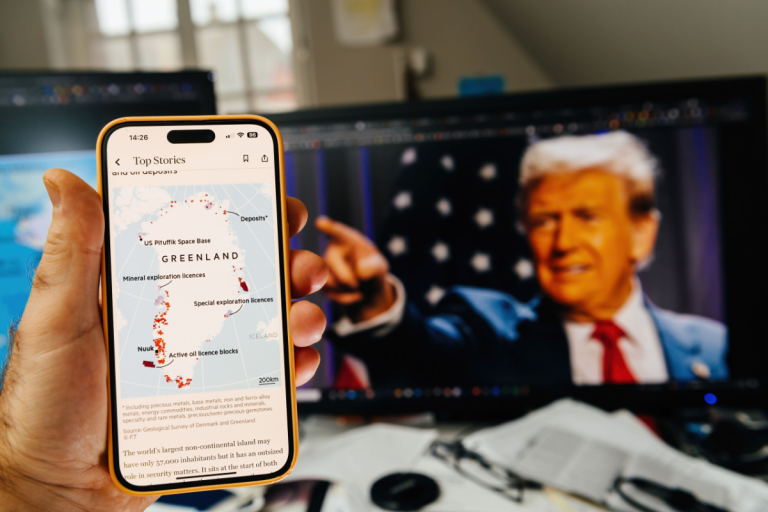
Several European nations have begun deploying small military contingents to Greenland as part of a symbolic NATO led operation, amid renewed pressure from the United States over the Arctic territory. The move underscores growing geopolitical tensions in the High North and highlights Europe’s intent to assert its role in regional security.

Limited European Military Deployment

A small French military contingent has arrived in Nuuk, Greenland’s capital, joining personnel from Germany, Sweden, Norway, Finland, the Netherlands, and the United Kingdom. The deployment is part of Danish led joint exercises known as Operation Arctic Endurance and currently involves only a few dozen troops.

French officials confirmed the initial group consists of around 15 personnel, with plans to reinforce the presence using land, air, and sea assets. Germany has sent an A400M transport aircraft carrying 13 soldiers, while other countries are contributing liaison officers and small detachments for short term missions.

Political Signal to Washington

European diplomats have framed the deployment as a clear political message rather than a military escalation. The operation comes as President Donald Trump continues to push for US control over Greenland, citing national security concerns. European officials have stressed that the presence demonstrates NATO’s existing role and collective responsibility in the Arctic.

Despite the deployment, the White House indicated it does not expect the move to influence US policy on Greenland. Administration officials reiterated that the United States remains focused on securing its strategic interests in the region.

Diplomatic Friction and NATO Unity

The deployment coincided with high level diplomatic talks in Washington between US and Danish officials, which both sides described as constructive but marked by fundamental disagreement. Danish leaders have publicly criticized any attempt to acquire Greenland, emphasizing that its defense is a shared NATO concern.

Other European leaders echoed these warnings, cautioning that any conflict or attempted annexation involving NATO members would have severe consequences for alliance unity and global security.

Russia Raises Concerns

Russia has expressed concern over the increased NATO presence in the Arctic, accusing the alliance of using security threats as a pretext to expand militarily in the region. European officials rejected these claims, describing the operation as defensive and proportionate.

Strategic Importance of Greenland

Greenland holds growing strategic value due to its location between North America and Europe and its proximity to emerging Arctic shipping routes. The United States already maintains a military base on the island, while European allies argue that Greenland’s security is inseparable from broader transatlantic and European defense interests.

Conclusion

The European deployment to Greenland, though limited in size, carries significant symbolic weight. It reflects mounting concern over Arctic security, signals unity among European allies, and underscores NATO’s shared stake in the region as geopolitical competition intensifies.

Financial Stocks Fall After Trump Calls for Credit Card Rate Cap

Shares of major banks and financial services companies dropped sharply on Monday after U.S. President Donald Trump proposed a one-year cap on credit card interest rates.

In a post published Friday, Trump said he is calling for a 10% limit on credit card interest rates starting Jan. 20, 2026. The announcement rattled markets, particularly companies heavily exposed to consumer credit.

Bank shares lead the decline

Banks with large credit card businesses saw the steepest losses. Capital One and Synchrony Financial fell sharply in early trading, reflecting concerns that the proposed cap would significantly compress profits. More diversified lenders experienced smaller declines, with Citigroup, JPMorgan Chase, and Bank of America all trading lower.

Payment processors also slipped despite not holding consumer credit risk, while other financial firms, including American Express, Wells Fargo, and Morgan Stanley, posted modest losses.

Details remain unclear

Trump did not outline how the proposed interest rate cap would be enforced or structured, though he said it would be in place for one year. He reiterated a campaign promise to prevent consumers from being overcharged by credit card companies.

Any such cap would require congressional approval. Similar bipartisan proposals have been introduced in the past, suggesting some legislative interest, though none have advanced into law.

Industry warns of unintended consequences

Banking industry representatives and analysts warned that a strict interest rate ceiling could lead to reduced access to credit, particularly for consumers with weaker credit profiles. With margins compressed, lenders may limit card issuance, reduce rewards programs, or tighten approval standards.

Critics argue that these changes could curb consumer spending, which represents a significant share of overall economic activity. Others caution that borrowers may turn to alternative forms of unsecured debt if traditional credit becomes less available.

Ripple effects across consumer finance

Buy-now-pay-later companies initially gained on expectations that demand could increase if credit card access tightens, but those stocks later reversed course as broader market concerns took hold.

Markets remain focused on whether the proposal will gain traction in Congress and how any eventual legislation could reshape the consumer credit landscape.

Exercise Shows Strong Benefits for Depression Relief

If you feel emotionally lighter after a workout, science increasingly backs that experience. New research shows that physical activity can play a powerful role in easing symptoms of depression, in some cases matching the benefits of medication or therapy.

A large review of clinical evidence analyzed dozens of randomized controlled trials involving thousands of people diagnosed with depression. Many participants were also using antidepressants, allowing researchers to compare outcomes across different treatment approaches. The results were clear: regular exercise consistently improved depressive symptoms.

Why movement improves mood

Exercise influences the same brain chemistry targeted by many antidepressants. Physical activity helps regulate key neurotransmitters such as serotonin, dopamine, and endorphins, which are closely linked to mood and emotional balance. This overlap helps explain why movement can reduce sadness, anxiety, and emotional fatigue.

Beyond chemical changes, exercise also supports brain adaptability. Depression is associated with reduced neuroplasticity, meaning the brain becomes less flexible in forming new connections. Physical activity increases brain-derived neurotrophic factor, often described as fertilizer for the brain, helping restore its ability to adapt and recover.

Exercise as a core treatment option

Because of its effectiveness, safety, and accessibility, exercise is now recognized in many clinical guidelines as a first-line treatment for depression. Despite this, it remains underused in everyday care. Prescribing medication is often faster and easier than helping someone build an exercise routine, especially when motivation is low.

Experts stress that exercise works best as part of a broader treatment plan. Medication may stabilize mood enough for someone to begin therapy, and movement can then reinforce progress by improving energy, confidence, and resilience.

How much exercise is needed

The research suggests that light to moderate activity can be just as beneficial as intense workouts, particularly at the beginning. Activities that raise the heart rate slightly and cause mild breathlessness are enough to produce meaningful improvements.

Starting small matters. Even transitioning from inactivity to a daily walk can deliver significant benefits. Over time, building toward a mix of aerobic exercise and resistance training appears to offer stronger results than aerobic exercise alone.

Improvements were observed after as few as 13 workout sessions, with benefits continuing through roughly 36 sessions. Long-term effects are still being studied, but early findings are encouraging.

Choosing what works for you

The most effective exercise is often the one you enjoy and can sustain. Options range from walking, jogging, and cycling to yoga, tai chi, or strength training. Group activities may add social benefits, while solo routines can provide structure and calm.

Returning to activities enjoyed earlier in life can also make exercise feel less like a task and more like a reward.

Exercise stands out as a low-cost, widely accessible tool with minimal side effects. Its ability to support mental, emotional, social, and physical health makes it a uniquely powerful ally in managing depression.

Amazon Adds Wegovy Weight Loss Pill to Its Digital Pharmacy

Oral obesity treatment expands access through Amazon

Amazon announced Friday that it now offers Novo Nordisk’s oral Wegovy weight loss pill through Amazon Pharmacy, marking another step in the company’s expansion into prescription health care. The move follows Novo Nordisk’s U.S. rollout of the daily pill earlier this week.

The oral version of Wegovy enters the market at a starting cash price of $149 per month. Patients with insurance coverage may pay as little as $25 monthly, making it one of the lowest-priced options in a weight loss drug market long dominated by costly injectable treatments.

Competitive pricing targets broader patient base

Novo Nordisk’s decision to distribute the pill through Amazon highlights a strategy to reach patients outside traditional pharmacy channels. Amazon confirmed that eligible insured customers can access the medication for $25 for a one-month supply, while cash-paying users will start at $149.

In the coming weeks, Amazon will also make the Wegovy pill available through its prescription vending kiosks located inside select One Medical clinics, further integrating pharmacy services into its primary care footprint.

Amazon Pharmacy strengthens healthcare push

Amazon Pharmacy launched in 2020 following the company’s acquisition of online pharmacy PillPack in 2018. Its expansion continued with the $3.9 billion purchase of One Medical in 2022, reinforcing Amazon’s ambitions in the U.S. healthcare sector.

The company has emphasized fast delivery and transparent pricing as key advantages. Amazon says it offers same-day prescription delivery to nearly half of U.S. consumers, though it has not disclosed user numbers. Analysts estimate the pharmacy business could generate around $2 billion in annual revenue.

Broader ecosystem for weight loss medications

Amazon Pharmacy has already partnered with several players in the weight loss space. Weight Watchers works with Amazon to deliver obesity medications to its members, while Eli Lilly collaborates with the platform to distribute select prescriptions, including its obesity drug Zepbound.

Beyond Amazon, the Wegovy pill is now available at more than 70,000 U.S. pharmacies including CVS and Costco, as well as through telehealth providers such as Ro, LifeMD, GoodRx and Novo Nordisk’s NovoCare Pharmacy.

Oral treatments may shift obesity care

Health experts believe pill-based options could significantly broaden access to obesity treatment, especially for patients hesitant to use injections. A competing oral obesity drug from Eli Lilly is expected to receive FDA approval later this year, potentially intensifying competition in the rapidly growing market.

EU Approves Landmark Mercosur Trade Deal After 25 Years

Historic agreement moves forward amid protests

European Union member states have approved the largest free trade agreement in the bloc’s history, finalizing a long-delayed pact with the Mercosur group of Latin American countries: Argentina, Brazil, Paraguay and Uruguay. The decision ends more than two decades of negotiations but has triggered widespread backlash from farmers and environmental groups across Europe.

The deal was adopted under qualified majority voting rules despite opposition from several countries, including France, Poland, Austria, Ireland and Hungary. Belgium abstained. Italy ultimately backed the agreement, clearing the final political hurdle after months of uncertainty in Brussels.

Political tensions rise in key member states

The announcement sparked immediate protests, with farmers blocking major roads in cities such as Paris, Brussels and Warsaw. Agricultural groups argue the deal exposes European farmers to unfair competition from lower-cost imports that may not meet EU production standards.

In France, opposition parties from both ends of the political spectrum seized on the agreement to challenge President Emmanuel Macron’s government, tabling a motion of no confidence shortly after the deal was approved.

Economic and strategic motivations

Supporters argue the agreement could unlock significant economic benefits, with projections of up to €50 billion in export opportunities for EU companies by 2040 and roughly €9 billion in growth for Mercosur economies. European officials also see the deal as a strategic step to strengthen ties with Latin America at a time of growing global trade fragmentation.

The pact is expected to reduce Europe’s reliance on China for critical minerals and raw materials used in the automotive, aerospace and technology sectors. Mercosur countries hold substantial reserves of lithium, rare earths, graphite and other strategic resources vital to the energy transition.

Environmental and agricultural concerns persist

Farmers in beef, poultry and grain sectors warn the agreement could undermine domestic agriculture and threaten food security. Environmental groups have also raised alarms, arguing the deal could accelerate deforestation and intensify pressure on sensitive ecosystems through expanded beef, soy and timber production.

EU officials have pledged stricter import controls and enforcement of environmental and food safety standards, though critics remain skeptical about how effectively these safeguards will be implemented in practice.

Next steps toward ratification

The agreement now heads to the European Parliament for approval. Trade policy falls under the EU’s exclusive competence, allowing the European Commission to formally sign the deal once parliamentary consent is secured. The move would mark a major shift in the EU’s trade strategy and its engagement with the global south.

Bose Opens SoundTouch API as Devices Near End of Life

Software support winds down, but core features remain

Bose has released official API documentation for its SoundTouch speakers, offering users and developers new options as the company prepares to end full support for the product line. The move comes ahead of the planned end-of-life transition, after which the speakers will lose cloud connectivity and most app-based functionality.

Bose previously announced that SoundTouch Wi-Fi speakers and soundbars will stop receiving security and software updates and will no longer connect to Bose’s cloud services. Once the transition is complete, the devices will rely on wired connections or Bluetooth, limiting features that previously depended on Wi-Fi.

Customer backlash prompts partial reversals

The original announcement drew criticism from long-time customers, many of whom still use multiple SoundTouch speakers purchased at premium prices. Concerns focused on the loss of multi-room audio, preset controls, and direct integration with music streaming platforms.

In response, Bose confirmed that AirPlay and Spotify Connect will continue to function after end-of-life, preserving key wireless playback options. Devices that support AirPlay 2 will also retain the ability to play synchronized audio across multiple speakers.

The SoundTouch app lives on in a limited form

While cloud-based features are being retired, the SoundTouch companion app will remain available in a reduced capacity. Bose said a future update will allow the app to manage functions that operate locally on the device, without requiring cloud access.

Preset functionality will change, but Bose has provided guidance for using favorites within third-party music apps as a workaround.

API release enables independent development

The most notable development is Bose’s decision to release SoundTouch API documentation to the public. This allows independent developers to create custom tools, integrations, and controls for SoundTouch devices, extending their usefulness beyond official support.

Opening the API is an uncommon step among smart device makers and may help prevent otherwise functional hardware from becoming obsolete. It also gives technically inclined users the opportunity to maintain or even expand device functionality on their own.

A softer landing for discontinued hardware

Although some features will still be lost, Bose’s approach offers a more flexible transition than a complete shutdown. By preserving key playback options and enabling third-party development, the company is providing users with alternatives that keep SoundTouch speakers usable beyond their official lifespan.

As connected devices continue to depend heavily on cloud services, the SoundTouch transition highlights growing expectations that manufacturers offer meaningful off-ramps when products are discontinued.

Weight Returns Quickly After Stopping Weight Loss Injections

Study highlights limits of short-term medication use

People who stop using weight loss injections regain the weight they lost in under two years, and at a much faster pace than those following other weight loss approaches, according to a major new analysis. The findings add to growing evidence that obesity treatments relying solely on medication may struggle to deliver lasting results without long-term support.

The study reviewed 37 previous trials involving more than 9,300 participants who used weight loss drugs known as GLP-1 agonists. These medications, initially developed to treat diabetes, work by mimicking a hormone that helps regulate appetite and increase feelings of fullness.

Rapid regain after treatment ends

On average, participants were treated for about nine months and then followed for roughly eight months after stopping medication. The analysis found that weight was regained at an average rate of 0.4 kilograms per month once treatment ended. Most participants returned to their original weight within approximately 1.7 years.

During treatment, people lost an average of 8.3 kilograms. However, nearly 5 kilograms of that weight returned within the first year after stopping the drugs. The pace of regain was almost four times faster than what has been observed in behavioural weight loss programmes focused on diet and physical activity.

Obesity viewed as a chronic condition

Researchers emphasized that the rapid regain should not be seen as a failure of the medications themselves. Instead, it reflects the chronic and relapsing nature of obesity, which often requires ongoing management rather than short-term intervention.

The study also found that improvements in cardio-metabolic markers such as blood pressure and cholesterol faded after treatment stopped, returning to baseline levels within about 1.4 years.

Implications for long-term care

Experts say the findings underline the importance of pairing weight loss drugs with sustained lifestyle, behavioural, and environmental support. While these medications can deliver meaningful short-term results, they are unlikely to be effective as standalone solutions.

Health advocates note that long-term success depends not only on individual behaviour but also on broader factors such as food marketing, affordability of healthy options, and access to structured weight management services.

Looking ahead

Weight loss injections are increasingly used within healthcare systems, but the study suggests their benefits may be temporary without comprehensive follow-up care. As use expands, policymakers and clinicians face growing pressure to design treatment models that support lasting weight management rather than short-term loss alone.

American Airlines Keeps Elite Status Spend Levels

Loyalty thresholds stay unchanged as competition intensifies

American Airlines announced it will keep the spending requirements to earn elite frequent flyer status unchanged for the 2027 qualification year. This marks the third consecutive year the carrier has held those thresholds steady, as it focuses on attracting higher-spending travelers and narrowing the profitability gap with its largest rivals.

The decision aligns American with other major U.S. airlines, which have also chosen not to raise elite status requirements for upcoming earning years. The move provides predictability for frequent flyers at a time when loyalty programs have increasingly shifted toward rewarding spending rather than miles flown.

Spending-based loyalty remains the core model

Airline loyalty programs now primarily reward how much customers spend on flights, partner airlines and co-branded credit cards. Elite members receive benefits such as priority boarding, free checked bags, complimentary upgrades, and access to airport lounges in return for higher annual spending.

At American Airlines, the first elite tier, Gold status, is earned at 40,000 loyalty points. Points can be accumulated through flying, credit card use and other partner activity.

New perks added between elite tiers

To boost engagement, American is expanding benefits for customers who reach intermediate milestones before achieving elite status. These include food and beverage coupons at lower point levels, as well as digital subscriptions such as news, sports and cooking platforms.

The airline has also been investing heavily in passenger experience upgrades, including new aircraft cabins, expanded airport lounges and the rollout of free in-flight Wi-Fi, which began this week.

Credit card strategy still evolving

American did not detail any immediate changes to its co-branded credit card offerings following its decision to end its partnership with one of its card issuers. The airline said updates to its credit card strategy are expected later this year.