Home Blog Page 7

US dollar slides after Trump backs weaker currency

Dollar posts sharpest daily drop in months

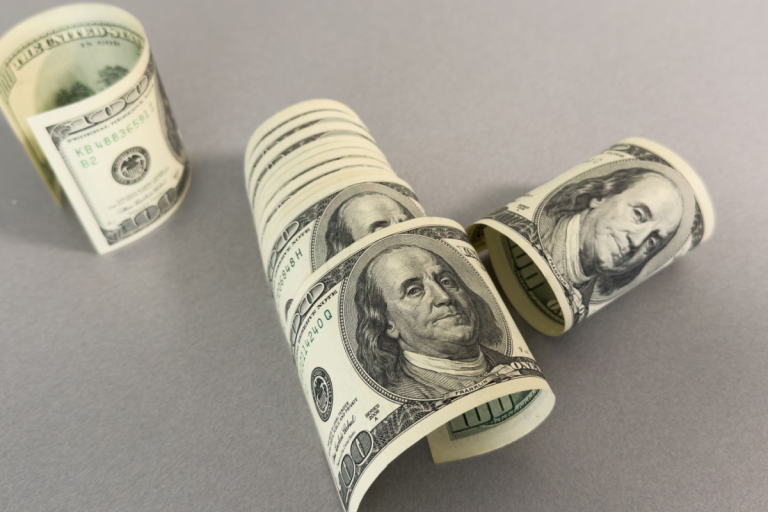
The US dollar fell sharply on Tuesday, posting its biggest single-day decline since April of last year, after President Donald Trump dismissed concerns about the currency’s recent weakness. The greenback dropped 1.3%, extending a broader slide that has seen it lose roughly 10% over the past 12 months.

The move pushed the dollar to its lowest level since February 2022, underscoring growing investor unease over US economic policy, trade tensions, and the administration’s apparent comfort with a weaker currency.

Trump signals approval of dollar weakness

Speaking to reporters during a visit to Iowa, where he was promoting his administration’s economic record, Trump was asked whether he believed the dollar had fallen too far. He rejected that notion outright.

“I think it’s great,” Trump said, arguing that a weaker dollar supports US business activity and competitiveness. He contrasted the current situation with past disputes involving China and Japan, where he frequently accused both countries of deliberately devaluing their currencies to gain an export advantage.

Trump recalled previously pushing back against what he described as repeated devaluations of the yen and yuan, saying such moves made it difficult for US companies to compete on global markets. His remarks signaled a clear shift from earlier rhetoric that emphasized defending the strength of the US currency.

Markets react to policy signals

The decline in the dollar was reflected in the Dollar Index, which tracks the US currency against six major trading partners. The index recorded its steepest one-day fall since April 10 of last year, when it nearly dropped 2% amid escalating trade disputes and threats of sweeping tariffs on China.

That earlier episode was accompanied by sharp losses in US equities, highlighting the sensitivity of financial markets to currency and trade policy developments. While stock markets were more stable this time, currency traders reacted quickly to Trump’s comments, interpreting them as a signal that the administration is unlikely to intervene to support the dollar.

Broader implications for trade and inflation

A weaker dollar can boost US exports by making them cheaper overseas, but it can also raise the cost of imports and add to inflationary pressures at home. Analysts note that Trump’s endorsement of dollar weakness may complicate the Federal Reserve’s efforts to manage inflation, particularly if currency depreciation feeds into higher prices for goods and energy.

With trade tensions still simmering and the administration continuing to reshape US economic policy, investors are likely to remain focused on signals from the White House about its tolerance for further dollar declines.


Nipah virus outbreak prompts airport screenings in Asia

Cases confirmed in India’s West Bengal

An outbreak of the deadly Nipah virus in India’s West Bengal state has raised regional health concerns, prompting several Asian countries to tighten screening measures at airports and border crossings. Indian authorities have confirmed two cases since December, both reportedly involving healthcare workers.

According to India’s health ministry, 196 people who came into contact with the infected individuals have been identified, monitored, and tested, with all results returning negative so far. Officials said the situation remains under close surveillance and that public health protocols are in place.

Regional response and travel precautions

Thailand has begun screening passengers arriving from West Bengal at three international airports in Bangkok and Phuket. Travelers on these flights are required to complete health declaration forms, while additional monitoring has been introduced at tourist sites and natural attractions.

Nepal has also implemented screening procedures at Kathmandu’s airport and at several land border crossings with India. Authorities say these steps are precautionary, as no cases have been detected outside India.

In Taiwan, health officials have proposed classifying Nipah as a Category 5 disease. This designation applies to rare or emerging infections that pose significant public health risks and require immediate reporting and special control measures.

What is the Nipah virus

Nipah is a zoonotic virus that can spread from animals such as fruit bats and pigs to humans. Human-to-human transmission is also possible through close contact or contaminated food. The World Health Organization lists Nipah among its top priority diseases due to its epidemic potential.

The virus has a high fatality rate, estimated between 40% and 75%, and there is currently no approved vaccine or antiviral treatment.

Symptoms and risks

The incubation period typically ranges from four to 14 days. Early symptoms can include fever, headaches, muscle pain, vomiting, and sore throat. In more severe cases, patients may develop respiratory complications, altered consciousness, or encephalitis, a serious inflammation of the brain that can be fatal.

History of outbreaks

The first known outbreak occurred in Malaysia in 1998 among pig farmers, later spreading to Singapore. More than 100 people died and over a million pigs were culled to contain the virus. Bangladesh has experienced repeated outbreaks since 2001, while India has reported cases in West Bengal and Kerala over the past two decades.

Health authorities across the region say they are maintaining vigilance while monitoring developments in India, stressing that early detection and containment remain critical.

Tories criticised over ‘mental health’ claim after defection

Braverman joins Reform UK after months of denials

The Conservative Party is facing strong criticism after initially suggesting that Suella Braverman defected to Reform UK because of “mental health” issues. The claim followed Braverman’s formal decision to join Nigel Farage’s party, ending months of public denials that she planned to leave the Conservatives.

Braverman, a former home secretary who was sacked under both Liz Truss and Rishi Sunak, became the third sitting Conservative MP to defect to Reform UK in just over a week. Speaking after her defection, she said she had felt “politically homeless” for the past two years and accused her former party of breaking core promises on Brexit and immigration.

Backlash over Conservative statement

The row erupted after the Conservatives released a statement claiming they had done “all we could to look after Suella’s mental health” but that she was “clearly very unhappy.” The wording provoked outrage across the political spectrum, with critics accusing the party of exploiting mental health for political point-scoring.

Senior figures from across Westminster condemned the language, describing it as inappropriate and damaging. The party later issued a revised statement, saying the original comments were part of a draft sent out in error. Despite the correction, critics said the damage had already been done.

Braverman responds and attacks former party

Braverman dismissed the remarks as “pathetic,” arguing they reflected desperation within a party she said was “in free fall.” She claimed Conservative leader Kemi Badenoch had previously accused her of having a breakdown during the leadership contest, an allegation she said Badenoch later apologised for while seeking her support.

Braverman said her defection was driven by principle, not ambition, and accused the Conservatives of abandoning their core values. She claimed she had been pushed out as part of a wider “witch-hunt” against right-wing voices within the party.

Farage welcomes defection, critics raise concerns

Nigel Farage said Braverman’s arrival brought experience and credibility to Reform UK, confirming the pair had been in discussions for more than a year. He argued that former Conservative ministers were drawn to Reform because the main party had lost its direction.

However, the move has unsettled some on the right. Several Conservative figures said they were disappointed by Braverman’s decision, while others warned that Reform risks becoming a collection of failed Tory leadership contenders rather than a genuine alternative.

Wider political impact

Braverman’s defection increases Reform UK’s representation in parliament and intensifies pressure on the Conservatives amid growing internal divisions. Labour seized on the episode, arguing that Reform is filling its ranks with politicians responsible for years of Conservative governance.

The episode highlights deep fractures on the British right and raises fresh questions about the stability of the Conservative Party, with speculation growing over whether further defections could follow.

Social media giants face jury over teen mental health

A landmark trial begins

For the first time, major social media companies are being forced to defend themselves before a jury over claims that their platforms harm young people’s mental health. Starting Tuesday in Los Angeles, TikTok, Meta and Google’s YouTube will face a lawsuit brought by a 19-year-old identified as KGM and her mother, Karen Glenn.

The case alleges that the companies knowingly designed addictive features that damaged KGM’s mental health and contributed to self-harm and suicidal thoughts. Snap, originally named as a defendant, settled the case last week under undisclosed terms.

Why this case matters

The lawsuit seeks unspecified monetary damages, but its implications extend far beyond a single family. KGM’s case is one of several bellwether trials in a multi-district litigation involving roughly 1,500 similar personal injury claims against TikTok, Meta, YouTube and Snap.

The verdict could shape how these cases are resolved nationwide and potentially expose tech companies to billions of dollars in damages, as well as force changes to how their platforms are designed.

Claims of addictive design and harm

According to court filings, KGM began using social media at age 10, despite her mother’s efforts to block access. The lawsuit alleges that platform designs enabled minors to bypass parental controls and encouraged compulsive use through features such as endless scrolling, frequent notifications and algorithmic recommendations.

The complaint argues that these design choices coincided with a deterioration in KGM’s mental health, including anxiety, depression, body image issues and self-harm. It also alleges that Instagram and Snapchat facilitated interactions with strangers, including predatory adults.

KGM further claims she was bullied and sextorted on Instagram, and that Meta was slow to respond even after repeated reports from her family and friends.

Industry response and legal defenses

Tech companies have long rejected claims that social media directly harms youth mental health, citing a lack of definitive causal research and pointing to the benefits of connection and entertainment. They have also relied heavily on Section 230, a federal law that shields platforms from liability over user-generated content.

However, the judge overseeing the case has indicated that jurors should focus not just on content, but on whether product design features themselves contributed to harm.

Safety features under scrutiny

In recent years, the companies involved have rolled out a range of youth safety and parental control tools. Meta highlights its teen accounts, default privacy settings and AI-based age detection. YouTube points to content restrictions, parental controls and new options to limit short-form video scrolling. TikTok has introduced default privacy settings, late-night notification limits and features aimed at reducing excessive use.

Despite these measures, parents and advocates argue the changes fall short and came only after years of warnings and mounting evidence of harm.

A potential turning point

Advocates compare the proceedings to historic tobacco trials, framing them as a long-awaited moment of accountability for Big Tech. Over the coming weeks, top executives from Meta, TikTok and YouTube are expected to testify, placing corporate decisions under direct public scrutiny.

As the trial unfolds, a jury will decide whether these platforms merely hosted harmful experiences or actively engineered them. The outcome could mark a turning point in how social media companies are regulated and held responsible for the impact of their products on young users.

Yen surge fuels dollar slide amid intervention fears

Markets on alert after rare U.S.-Japan signals

Japan’s yen strengthened sharply in early-week trading, extending gains after reports that the New York Federal Reserve contacted market participants to check currency rates. The move has intensified speculation over a possible joint U.S.-Japan currency intervention, a step not seen in roughly 15 years.

The yen rose more than 1% in Asian trading to around 153.9 per dollar, dragging the U.S. dollar lower across global markets. The euro reached four-month highs, while precious metals surged, with gold climbing above $5,000 an ounce and silver topping $100.

Unwinding short positions

Analysts say the yen’s rise reflects a rapid unwinding of short positions as investors reassess risks. Market participants who had been betting on further yen weakness are now retreating amid concerns that authorities could step in to prevent the currency from falling toward 160 per dollar.

Several strategists noted that corporate demand for dollars may still limit long-term yen appreciation, but the near-term shift in sentiment has been decisive.

Dollar pressure broadens

Currency strategists emphasized that the move is no longer confined to the yen. The dollar has weakened broadly, with investors citing rising uncertainty around U.S. policy, geopolitical tensions and the prospect of coordinated intervention.

Some analysts also pointed to renewed discussions about a potential “Plaza Accord 2.0,” referencing the late-1980s agreement that led to a weaker dollar through coordinated action by major economies.

Political and policy backdrop

Market nervousness has been amplified by political developments in the United States, including protests linked to recent shootings and speculation that President Donald Trump could announce a successor to Federal Reserve Chair Jay Powell. Together with erratic trade policy signals, these factors have added to pressure on the dollar.

In Japan, policymakers face domestic concerns that a weak yen is contributing to inflation, making intervention more politically attractive even if it remains only a threat.

What intervention could mean

Some fixed-income strategists argue that any joint intervention would likely be tied to further normalization of Bank of Japan policy, potentially increasing the likelihood of a spring rate hike. Others caution that U.S. involvement would not necessarily guarantee lasting yen strength.

For now, the expectation of possible coordination alone appears to be enough to stabilize the currency and inject two-sided risk into what had been a one-way trade.

Study raises concerns over Omega-3 supplements in healthy adults

Supplement use continues to surge

The supplements market has expanded rapidly in recent years, with millions of people regularly taking products such as Vitamin D, iron and Omega-3. Industry estimates project steady growth through 2029, while revenues linked to widespread supplement use reached hundreds of millions last year.

Despite their popularity, questions persist about whether these supplements always deliver clear health benefits for people without underlying medical conditions.

What Omega-3 fatty acids do

Omega-3 fatty acids play an important role in brain development, heart health and inflammation control. Because the body cannot produce them naturally, they must be obtained through diet.

Common food sources include oily fish such as salmon and mackerel, as well as plant-based options like flaxseeds, chia seeds and walnuts. Health authorities generally recommend eating fish twice a week, though many people turn to supplements such as fish oil or flaxseed oil to increase intake.

Findings from a large-scale study

A 2024 study conducted by researchers at Sun Yat-Sen University and published in the BMJ examined health outcomes in more than 400,000 UK Biobank participants over a 12-year period.

The research found that healthy adults with no known heart disease who regularly took fish oil supplements had a higher risk of developing atrial fibrillation, as well as a slightly increased risk of stroke and heart attack.

Specifically, the study reported a 13% increased risk of atrial fibrillation and a 5% increased risk of stroke among frequent fish oil users without pre-existing heart conditions.

Different outcomes for people with heart disease

In contrast, the same study found potential benefits for individuals who already had cardiovascular conditions. Among those patients, Omega-3 supplementation was linked to a reduced risk of progressing from atrial fibrillation to heart attack and a lower risk of death from heart failure.

This contrast highlights how the effects of supplements may vary depending on an individual’s underlying health.

Expert reactions and limitations

The British Heart Foundation emphasized that the study identified associations rather than direct cause-and-effect relationships. Experts also noted that details such as dosage, supplement type and frequency of use were not fully specified.

As a result, researchers caution against drawing broad conclusions or making abrupt changes without medical advice.

What this means for consumers

Health specialists generally agree that Omega-3 intake through a balanced diet remains a safe and effective approach for most people. Supplements may still be appropriate for certain individuals, particularly those with diagnosed heart conditions, but routine use by healthy adults may not be risk-free.

Doctors advise that anyone considering long-term supplement use should discuss it with a healthcare professional, especially if they have concerns about heart rhythm, stroke risk or existing medical conditions.

U.S. shifts routine childhood vaccines to shared decision model

Policy change alters long-standing vaccination guidance

The Trump administration has made a major change to U.S. vaccine policy by removing six long-standing childhood immunizations from the list of universally recommended vaccines. Instead, these shots are now classified under “shared clinical decision-making,” a category that requires parents and health care providers to discuss whether vaccination is appropriate for each child.

This approach is typically used for complex medical choices with uncertain outcomes. Public health experts argue that routine vaccines do not fit that definition, as their safety and effectiveness have been well established.

Doctors warn the move creates false uncertainty

Many physicians and researchers say the policy change suggests ambiguity where none exists. The vaccines affected protect against hepatitis A, hepatitis B, influenza, meningitis, respiratory syncytial virus (RSV), and rotavirus.

Infectious disease specialists stress that these immunizations provide clear benefits for all children. Pediatricians and bioethicists warn that framing vaccination as an equal-choice decision may imply that declining vaccines is just as safe as accepting them, despite evidence that non-vaccination increases risks for individuals and communities.

Concerns over declining trust and rising hesitancy

Administration officials say the policy aims to restore trust in vaccines by empowering families. However, public health experts argue the change may instead fuel vaccine hesitancy at a time when immunization rates are already falling.

Critics say lowering the status of routine vaccines within federal guidance risks confusing parents and weakening public confidence in long-standing prevention programs.

Potential barriers to vaccine access

Beyond messaging concerns, doctors warn of practical consequences. Reclassifying vaccines could eliminate automatic reminders in electronic medical records and remove standing orders that allow nurses and pharmacists to vaccinate children without direct physician approval.

These changes may slow vaccine delivery, increase administrative burdens, and reduce convenience for families who previously relied on vaccine-only appointments.

Insurance coverage and cost questions

While the administration says insurance coverage should not be affected, legal experts caution that insurers could later challenge whether vaccines categorized under shared decision-making must be fully covered.

Parents may also face new co-pays for additional consultations required under the revised framework, adding financial friction to routine pediatric care.

Legal uncertainty and liability concerns

Some attorneys argue the policy change could weaken liability protections for vaccine manufacturers and health care providers under the National Childhood Vaccine Injury Act. If vaccines are no longer considered routinely recommended, manufacturers could face greater legal exposure.

Even without increased lawsuits, experts warn that fear of litigation could discourage physicians from proactively recommending vaccines.

Public health impact remains unclear

Health policy scholars describe the shift as introducing significant uncertainty into a system designed to ensure widespread vaccine uptake. They warn that hesitation among providers, combined with logistical and legal concerns, could leave more children vulnerable to preventable diseases.

As medical groups and regulators continue to debate the implications, many doctors say the policy risks undermining decades of progress in childhood immunization.

Android 17 expands blur effects across the system UI

Google deepens its visual shift after Material 3 Expressive

Google is continuing its visual evolution of Android by significantly expanding blur effects in Android 17. Following last year’s Material 3 Expressive redesign on phones, internal builds of the operating system show a broader use of translucency across core system interfaces.

System-level flags explicitly reference this new direction as “blur,” signaling a deliberate design choice rather than an experimental feature. The goal appears to be adding depth and visual continuity without radically changing how Android functions.

Translucent system elements replace solid backgrounds

In Android 17, many system UI components are expected to shift from flat light or dark panels to blurred surfaces that reveal content behind them. This applies to frequently used elements such as the volume bar, power menu, and expanded volume controls.

The volume interface, for example, now sits within a pill-shaped translucent container. When used on the home screen, the blur reveals wallpaper and app icons beneath. Inside apps, users can faintly see the active interface behind the slider, creating a more layered experience.

Dynamic Color integration shapes the blur

The blur effects are not neutral overlays. Instead, they are tinted by Android’s Dynamic Color system, allowing the translucency to adapt to the user’s theme and wallpaper. This maintains consistency with Material You principles while avoiding visual clutter.

Despite the added depth, Android 17 remains a restrained update. The overall layout, navigation, and behavior of the interface remain largely unchanged from Android 16, positioning this release as a refinement rather than a redesign.

Building on Android 16’s notification redesign

Google first introduced blur in Android 16 QPR1 with the updated Notifications and Quick Settings panels. At the time, the company explained that subtle background blur helped convey motion, lightness, and awareness of background activity.

Android 17 extends this philosophy across more system surfaces, reinforcing a consistent sense of depth throughout the operating system.

Subtle approach compared to iOS translucency

While Apple’s iOS employs more pronounced glass-like effects, Android 17’s blur is noticeably more understated. The translucency is designed to support usability rather than dominate the visual experience.

For now, blur remains a system-only feature. It is not part of Material 3 Expressive guidelines for third-party apps, and it is unclear whether Google plans to encourage developers to adopt similar translucency in future updates.

GM to move Buick compact SUV production to the US

Manufacturing shift planned for Kansas by 2028

General Motors has confirmed plans to move production of a Buick compact SUV from China to the United States for domestic sales. The next generation of the vehicle is expected to be built at GM’s Fairfax Assembly plant in Kansas City, Kansas, starting in 2028.

The automaker said the move is part of a broader effort to strengthen its U.S. manufacturing footprint. Production in China may continue for international markets, but vehicles sold in the United States will be built domestically once the transition is complete.

Political and trade pressures shape decision

The production shift comes amid increasing pressure from President Donald Trump for companies to onshore manufacturing, as well as rising tensions between the United States and China. Tariffs on vehicles and other trade measures have added urgency for automakers that rely on overseas production for the U.S. market.

GM has produced the Buick Envision in China for U.S. customers since 2017. While the company has not confirmed whether the next-generation model will keep the Envision name, it did emphasize that the decision supports American jobs and long-term domestic investment.

Investment and product lineup at Fairfax Assembly

According to GM, the Kansas facility will also produce the gas-powered Chevrolet Equinox starting in 2027, following limited production of the all-electric Chevrolet Bolt. The addition of the Buick compact SUV will further expand the plant’s role in GM’s North American strategy.

The company noted that it has announced $5.5 billion in new investments across U.S. manufacturing sites over the past year, with the Fairfax project forming part of that broader commitment.

Buick sales context in the US

U.S. sales of the Buick Envision have exceeded 40,000 units annually for each of the past three years. The model has accounted for roughly a quarter of Buick’s total U.S. sales during that period, underscoring its importance to the brand.

By relocating production to the United States, GM aims to reduce supply chain risks, align more closely with domestic policy priorities, and reinforce Buick’s position in the competitive compact SUV segment.

How NATO’s chief helped cool Trump’s Greenland standoff

A tense week for Europe ends with a surprise reversal

Just days after European leaders braced for confrontation with U.S. President Donald Trump over his rhetoric about taking control of Greenland, the mood shifted sharply. Speaking at the World Economic Forum in Davos, Trump ruled out using force to annex the Danish territory and later announced progress toward a possible framework agreement that eased tensions with Europe.

The reversal also came with a major concession: Trump said he would no longer impose tariffs on European countries that opposed his Greenland ambitions. For markets and diplomats alike, it marked a sudden cooling of a dispute that had threatened trade relations and raised fresh questions about the cohesion of NATO.

The unlikely role of Mark Rutte

At the center of the turnaround was NATO Secretary General Mark Rutte, who has quietly emerged as a key intermediary between Washington and a rattled Europe. The former Dutch prime minister, known for his pragmatic style and low-key demeanor, met with Trump in Davos shortly before the announcement.

Details of the proposed Greenland framework remain unclear, as does the precise scope of Rutte’s role. What is evident, however, is that his long-standing personal relationship with Trump once again proved influential at a critical moment.

A relationship built over years

Rutte and Trump are an unusual pairing. Rutte is widely seen as a technocrat and consensus builder, while Trump favors blunt rhetoric and unilateral pressure. Yet their rapport dates back to Trump’s first term, when Rutte made repeated visits to Washington and invested heavily in personal diplomacy.

That approach has often included public praise and carefully calibrated flattery. At a NATO summit last year, Rutte famously joked about Trump’s strong language by saying “Daddy has to sometimes use strong language,” a comment that went viral and appears to have resonated with the U.S. president.

Flattery as a diplomatic tool

Rutte has continued this strategy in private communications, some of which Trump has shared publicly. In recent messages, Rutte praised Trump’s foreign policy actions and credited him with achievements that previous U.S. presidents had failed to deliver.

These exchanges have drawn criticism in Europe, where some see the tone as overly deferential. Rutte has acknowledged the discomfort but defended his approach, arguing that maintaining a functional relationship with Washington is essential for European security.

Tangible results for NATO and Europe

Despite the controversy, the strategy has delivered concrete outcomes. A NATO summit last year ended with unanimous agreement among member states to boost defense spending to post–Cold War highs, a shift widely attributed to sustained pressure from Trump.

This week’s developments in Davos may have produced another payoff. By easing tariff threats and opening the door to talks focused on Arctic security rather than sovereignty, the immediate risk of a transatlantic trade war appears to have receded.

Greenland talks still unresolved

While Trump ruled out military force, he reiterated his interest in controlling Greenland, and negotiations between the United States, Denmark and Greenland are expected to continue. According to NATO officials, no compromise on Danish sovereignty was proposed during the Davos meeting.

Rutte has emphasized that discussions centered on Arctic security and protection rather than ownership, and he has indicated that more concrete outcomes could emerge later this year.

A fragile calm

For now, Europe has gained breathing room, but uncertainty remains. Emergency meetings among EU leaders are still planned, and Trump’s long-term intentions toward Greenland are unresolved.

Through it all, Rutte has remained characteristically reserved, offering few details beyond describing his meeting with Trump as “very good” and directing reporters to the president’s own statements. Whether his personal diplomacy can continue to shield Europe from future shocks remains an open question.