Home Blog Page 50

Mysterious Disease Claims 143 Lives in Democratic Republic of the Congo

An unidentified disease has claimed the lives of 143 people in Kwango Province, located in southwestern Democratic Republic of the Congo (DRC), during November, local authorities reported.

Symptoms and Affected Population

Infected individuals presented flu-like symptoms, including:

  • High fever
  • Severe headaches

Remy Saki, deputy governor of Kwango Province, and Apollinaire Yumba, provincial health minister, confirmed the outbreak on Monday.

A local epidemiologist reported that women and children are the most severely affected, while the death toll continues to rise.

Medical Response and Challenges

Efforts to identify and address the outbreak are underway:

  • A medical team has been dispatched to the rural Panzi health zone to collect samples and conduct analysis.
  • The region faces significant challenges, including limited medical supplies and resources, which prevent many from receiving proper treatment.

Cephorien Manzanza, a civil society leader, expressed grave concern:

“Panzi is a rural health zone, so there is a problem with the supply of medicines. Sick people died in their own homes for lack of treatment.”

WHO Involvement

The World Health Organization (WHO) confirmed it was alerted to the outbreak last week. A spokesperson announced the agency is collaborating with DRC’s public health ministry to investigate the disease further.

Donald Trump’s “Drill, Baby, Drill” Plan: Winners and Losers in the Oil Market

Incoming U.S. President Donald Trump has pledged to halve energy costs with a “drill, baby, drill” strategy, aiming to ramp up oil production and lower global prices. While this plan excites oil-importing nations with hopes of cheaper energy, it sends shockwaves through oil-producing economies that rely heavily on petroleum exports.

Limited U.S. Control Over Oil Prices

Despite the bold rhetoric, Trump’s ability to influence oil prices is limited:

  • The U.S. cannot directly control OPEC+ production levels.
  • Unlike some nations, the U.S. does not have a state-run oil company to manage output.

Instead, factors like global economic conditions and China’s demand will play a significant role in shaping oil prices.

Impact of $40 Per Barrel Oil Prices

If global oil prices were to drop to around $40 per barrel, here’s how key players might be affected:

Pain for Oil Producers

  • Saudi Arabia: While insulated by sovereign wealth funds and diversified economic efforts, a prolonged price dip could force cutbacks on megaprojects like NEOM, the $500 billion “city of the future.”
  • Poorer Producers: Nations like Angola, Ecuador, and Nigeria, which depend on oil for foreign currency, would face severe budget deficits. These countries already struggle with high debt and limited borrowing options.
  • Investor Sentiment: Lower prices often lead to generalized negative sentiment about oil-producing nations, overshadowing positive reforms in countries like Nigeria and Angola.

Benefits for Oil Importers

  • China and India: As the largest oil importers, lower prices could result in significant savings — approximately $300 billion for China and nearly $200 billion for India.
  • Smaller Importers: Countries like Indonesia, Kenya, Pakistan, South Africa, Thailand, and Turkey could benefit from reduced energy costs, leading to lower inflation and reduced foreign exchange pressures.

Challenges and Risks

Economic Relief Not Guaranteed

Lower oil prices might not translate to economic benefits if accompanied by a trade war. Trump’s proposed tariffs could trigger a global demand shock, with:

  • Commodity exporters like South Africa facing challenges if broader commodity prices decline.
  • Debt-laden importers like Egypt and Pakistan suffering if Gulf nations, such as the UAE, reduce foreign funding in response to their own economic pressures.

Climate and Long-Term Costs

Cheap oil could delay the transition to renewable energy, worsening the long-term economic and environmental costs for emerging markets, especially those already vulnerable to climate change impacts.

Conclusion: Winners and Losers

Trump’s “drill, baby, drill” plan has the potential to reshape global oil markets, creating clear winners among importing nations while exposing oil producers to significant financial and economic risks. However, the broader implications — from global growth to climate costs — suggest the reasons behind price changes will be as critical as the changes themselves.

Long COVID and Viral Persistence: A New Understanding

Recent research suggests that long COVID, which affects 5–10% of people infected with COVID-19, may be driven by the persistence of the virus in the body. This theory, known as viral persistence, posits that SARS-CoV-2 or its remnants linger in tissues and organs for extended periods, potentially causing ongoing symptoms.

Evidence Supporting Viral Persistence

While no single study conclusively proves viral persistence as the cause of long COVID, multiple findings support this theory:

  • Shedding Viral RNA: A Nature study found prolonged shedding of viral RNA in people with mild COVID symptoms, correlating with an increased risk of long COVID.
  • Viral Replication Evidence: Studies have detected replicating viral RNA and proteins in the blood of patients years after infection, indicating the possibility of long-term viral reservoirs.
  • Tissue Findings: Research identified viral RNA in 10 different tissue sites and blood samples up to four months post-infection. Long COVID risk was higher in those with persistent viral RNA.
  • Gastrointestinal Tract: The GI tract is a significant area of interest as a potential long-term viral reservoir.

Implications of Viral Persistence

Variants and Public Health

  1. Emergence of New Variants: Viral persistence in highly immunocompromised individuals may lead to the development of new and significantly altered variants, such as JN.1.
  2. Prolonged Symptoms: Persistent virus may contribute to long COVID by extending the infection period, impacting broader populations.

Next Steps for Research and Treatment

Testing Known Antivirals

The first response should involve clinical trials of existing antivirals to prevent or cure long COVID. Promising candidates include:

  • Antiviral drugs: Directly targeting lingering live virus.
  • Metformin: A diabetes drug with antiviral properties that has shown surprising efficacy against long COVID.

Developing New Therapeutics

Investments in drug development and clinical trial platforms are crucial to identify effective treatments.

Raising Awareness

Understanding long COVID as a “long infection” could:

  • Demystify the condition: Increase recognition among medical professionals and the public.
  • Highlight reinfection risks: Emphasize the importance of avoiding repeated COVID infections to reduce long COVID chances.

Prevention Strategies

While treatments develop, reducing exposure to COVID-19 remains critical:

  1. Indoor Air Quality: Ensure proper ventilation and use air filtration systems where needed.
  2. Mask Usage: Use high-quality, well-fitting masks like N95s in crowded or poorly ventilated areas.
  3. Testing and Isolation: Test frequently and take precautions when positive to prevent spread.
  4. Vaccination: Stay up to date with COVID booster shots to lower the risk of long COVID and complications.

Hope for the Future

While treatments and potential cures for long COVID are on the horizon, awareness of its biomedical underpinnings is essential now. Clinicians must take patient concerns seriously, guiding them to existing treatments and services.

Stocks Decline Amid Profit-Taking After Strong November Gains

U.S. stocks fell on Wednesday in light trading as investors locked in profits after significant gains this month.

  • S&P 500: Fell 0.38% to close at 5,998.74, snapping a seven-day winning streak.
  • Nasdaq Composite: Declined 0.6% to finish at 19,060.48.
  • Dow Jones Industrial Average: Dropped 138.25 points (0.31%) to settle at 44,722.06, reversing earlier gains of more than 140 points.

Tech Sector Leads Declines

Profit-taking in major technology stocks drove the Nasdaq’s underperformance:

  • Nvidia: Slipped over 1% after a stellar year with a 173% gain in 2024.
  • Meta Platforms: Declined 0.8% despite a 60% rally year-to-date.
  • Dell and HP: Both fell sharply, dropping 12% and 11%, respectively, after issuing weak earnings guidance.

Inflation Data Matches Expectations

The Federal Reserve’s preferred inflation gauge, the personal consumption expenditures (PCE) price index, rose in October:

  • Headline PCE: Increased 0.2% for the month and 2.3% year-over-year.
  • Core PCE (excluding food and energy): Rose 0.3% monthly and 2.8% annually.

“Today’s data shouldn’t change views of the likely path for disinflation, however bumpy,” said David Alcaly, lead macroeconomic strategist at Lazard Asset Management. He noted that potential inflationary policies, such as new tariffs, could influence future outlooks.

Light Trading Ahead of Thanksgiving

Wednesday marked a shortened trading week ahead of the Thanksgiving holiday:

  • U.S. markets were closed Thursday and set for an early close on Friday.
  • Trading volume on the New York Stock Exchange was about 20% lower than usual.

November’s Rally Still Intact

Despite Wednesday’s declines, stocks remained poised for solid weekly and monthly gains:

  • Dow Jones: Tracking a 1% weekly gain, with a 7% jump for November, marking its best monthly performance of 2024.
  • S&P 500 and Nasdaq: On pace to close the week up 0.5% and 0.3%, respectively, with both indexes gaining more than 5% for November.

Post-Election Rally Continues

November’s gains have been fueled by a postelection rally following President-elect Donald Trump’s victory. Investors are optimistic about the market’s trajectory despite Wednesday’s pullback, which reflects profit-taking rather than a shift in sentiment.

Key Market and Economic Updates: Gradual Rate Cuts, Tariffs, and Strategic Investments

U.S. Federal Reserve officials anticipate reducing interest rates “gradually” to reach a “more neutral stance,” according to minutes from the November meeting. However, this is contingent on inflation sustainably declining toward the 2% target and the economy maintaining maximum employment.

Markets React to Tariff Threats and Fresh Records

Despite President-elect Donald Trump’s threat of new tariffs—10% on Chinese goods and 25% on imports from Mexico and Canada—U.S. markets closed at record highs on Tuesday.

  • S&P 500: Up 0.57%
  • Dow Jones Industrial Average: Gained 0.28%
  • Nasdaq Composite: Rose 0.63%

While auto stocks, including GM, Stellantis, and Ford, fell due to Mexico’s significant role in U.S. auto imports (26% of the total), broader market sentiment remained optimistic.

Analyst Commentary

“Markets have become a lot more comfortable with the prospects of these tariffs being more bluster and negotiating tactics than actual implementation,” said Jamie Cox, Managing Partner at Harris Financial.

Asia-Pacific and China Economic Insights

  • China’s CSI 300 Index: Gained 1.5% on Wednesday.
  • Industrial Profits: Dropped by 10% year-over-year, reflecting economic headwinds despite government stimulus efforts.

Corporate Developments

Samsung Leadership Shakeup

  • Jun Young-hyun: Named co-CEO and head of Samsung’s memory chip division.
  • Leadership reorganization follows disappointing third-quarter guidance announced in October.

SoftBank’s $1.5 Billion Investment in OpenAI

  • SoftBank increased its stake in OpenAI, building on a prior $500 million investment.
  • The deal includes provisions for current and former employees to sell shares, reflecting SoftBank CEO Masayoshi Son’s strategic interest in expanding AI capabilities.

Inflation Expectations

Economists are watching the Personal Consumption Expenditures (PCE) Index, the Fed’s preferred inflation metric, for October. Analysts expect a slight uptick, which could influence future interest rate decisions.

The Bigger Picture: The Trump Effect

Economic Policies Shape Market Dynamics

Trump’s election victory and early policy announcements, including aggressive tariffs, have already influenced markets.

  • Tariffs Impact
    • Auto industry particularly vulnerable due to reliance on Mexican manufacturing.
    • Increased costs for imports could temper economic growth, even as tax cuts provide some offsetting stimulus.

Market Perspective

The “Trump trade” has reignited since the Treasury secretary appointment of Scott Bessent, with major indices advancing despite lingering policy uncertainties.

Analyst Takeaways

Gregory Daco, EY-Parthenon’s Chief Economist, noted, “The drag from tariffs on growth is likely to outweigh tax cuts on the forecast horizon.”

Investor Sentiment

Markets appear to interpret Trump’s tariffs as posturing rather than definitive policy, maintaining optimism for broader economic resilience.

While the Federal Reserve charts a cautious path on interest rates and inflation, Trump’s proposed tariffs and strategic economic decisions are poised to dominate market sentiment. Investors remain vigilant, balancing optimism with the potential risks of trade disruptions and economic policy shifts.

Thanksgiving Travel: Best Times to Hit the Road and Gas Prices to Watch

Thanksgiving is one of the busiest travel periods of the year, and AAA, in partnership with INRIX, has released its forecast for the best and worst times to be on the road. With over 71.7 million people expected to travel by car and 5.85 million flying domestically, planning your journey wisely could save time and stress.

When to Avoid the Roads

AAA advises travelers to avoid driving during these peak times:

  • Tuesday and Wednesday afternoon before Thanksgiving, as traffic congestion will be at its highest.
  • For the return trip, Sunday afternoon and most of the day Monday are predicted to be heavily crowded.

If you’re looking for smooth sailing, Thanksgiving Day itself is expected to have the least congestion on highways.

Gas Prices: Good News for Travelers

This Thanksgiving, lower gas prices are a bright spot for motorists. The national average is significantly lower than last year, with Kansas offering some of the cheapest fuel in the country at an average of $2.70 per gallon, 24 cents less than in 2023.

Top 10 States with the Lowest Gas Prices (as of November 25, 2024):

RankStatePrice per Gallon
1Oklahoma$2.514
2Mississippi$2.628
3Texas$2.644
4Arkansas$2.653
5Kansas$2.706
6Louisiana$2.711
7Tennessee$2.712
8Missouri$2.717
9Nebraska$2.726
10Iowa$2.745

Kansas ranks fifth nationwide for the lowest gas prices. Travelers driving through the state can check Kandrive.gov, the Kansas Department of Transportation website, for up-to-date road construction and traffic conditions.

Tools to Ease Your Trip

AAA offers a free mobile app available for download on Apple and Google platforms. The app provides travelers with:

  • Cheapest gas prices near you
  • Emergency roadside assistance requests
  • Access to discounts and rewards
  • Options to book travel and accommodations

Whether you’re flying or driving, smart planning is essential for a smooth Thanksgiving travel experience. Avoid peak traffic times, take advantage of lower gas prices, and use tools like the AAA app to save time and money on the road. With a bit of preparation, you can focus on enjoying the holiday with family and friends.

US Stocks Rise as Dow Hits Record Highs and Small Caps Surge

US stocks climbed on Monday, with the Dow Jones Industrial Average hitting intraday record highs and small caps driving gains in the Russell 2000. Optimism around President-elect Donald Trump’s nomination of Scott Bessent for Treasury secretary bolstered investor confidence as markets looked ahead to a key inflation report.

Record Highs for the Dow and Russell 2000

The Dow Jones Industrial Average rose 0.9%, or approximately 300 points, putting it on track for another record close. The S&P 500 gained 0.2%, while the Nasdaq Composite advanced modestly despite a 3% slide in Nvidia shares.

Small-cap stocks were the standout performers, with the Russell 2000 gaining more than 2% and heading for a record close. The rally reflects increased investor optimism in smaller, domestically focused companies, which often benefit from shifts in fiscal and regulatory policy.

Optimism Around Scott Bessent’s Treasury Nomination

Scott Bessent’s nomination as Treasury secretary, announced late Friday, has been well-received by markets. Viewed as a pragmatic and investor-friendly pick, Bessent’s selection helped ease concerns about Trump’s potential inflationary policies.

The benchmark 10-year Treasury yield dipped below 4.3% on Monday, signaling some relief among bond investors. Bessent’s nomination appears to have tempered fears of aggressive fiscal measures that could stoke inflation, at least temporarily.

Inflation Data on the Horizon

Investors are also awaiting the Federal Reserve’s preferred measure of inflation, the Personal Consumption Expenditures (PCE) index, set to be released Wednesday. Economists expect a slight increase in core PCE, which excludes volatile food and energy prices. This data will provide critical insights into the inflationary environment as Trump prepares to take office.

Holiday-Shortened Trading Week

With US markets closed Thursday for Thanksgiving and closing early on Friday, trading volume is expected to be lighter this week. The upbeat start to the week follows a strong rally that saw major indexes log weekly gains.

Closing Thoughts

The rally in US stocks on Monday reflects optimism about new leadership at the Treasury and a sense of stability heading into a data-driven week. With record highs for the Dow and Russell 2000, investors are finding confidence in a market bolstered by both policy expectations and strong small-cap performance.

Apple Dominates U.S. Smartphone Market in Q3 Report

Apple continues to assert its dominance in the U.S. smartphone market, capturing over half of the market share in the third quarter of this year. According to the latest quarterly report by Counterpoint Research, the tech giant’s stronghold highlights a highly polarized market where few brands make a significant impact.

Apple’s Unwavering Market Leadership

From July to September, Apple commanded 53% of the U.S. smartphone market. This consistent performance underscores the company’s robust brand loyalty and the enduring popularity of its iPhone lineup. Despite a 6% decline in the overall market compared to the same period last year, Apple’s shipments were only down by 5% year-over-year, showcasing its resilience in a challenging economic environment.

Samsung Faces Declining Share

Samsung secured the second position with a 23% market share, a noticeable drop from its peak of 31% in the first quarter of 2024. The company’s shipments decreased by 13% year-over-year, indicating hurdles in maintaining its foothold against Apple’s overwhelming presence.

Lenovo/Motorola’s Notable Growth

Lenovo, owning the Motorola brand, claimed third place with a 14% market share. Impressively, Motorola’s shipments increased by 21% year-over-year. Counterpoint Research analysts attributed this growth “primarily due to an improved prepaid performance from the Moto G Play 2024.” This marks Lenovo/Motorola’s best quarter in the past six periods, signaling a positive trajectory for the brand.

A Polarized Market Landscape

The U.S. smartphone market is notably polarized, with Apple holding over half of the market share and only a few other brands making a significant impact. HMD Global, known for Nokia-branded phones, managed a 1% market share. Collectively, other brands accounted for just 9%, emphasizing how concentrated the market has become.

Consistency Amid Market Decline

Apple’s market share has remained steady over the past three quarters, following a peak in the fourth quarter of last year. This consistency highlights the company’s ability to maintain customer interest and loyalty, even as the overall market experiences a downturn.

Apple’s continued dominance in the U.S. smartphone market reflects its strong brand appeal and strategic positioning. While competitors like Samsung face challenges in market share, brands like Lenovo/Motorola show that growth is possible with the right offerings. The polarized nature of the market suggests that innovation and customer engagement will be key for other brands aiming to increase their presence.

U.S. Government Targets Google with Landmark Antitrust Proposal

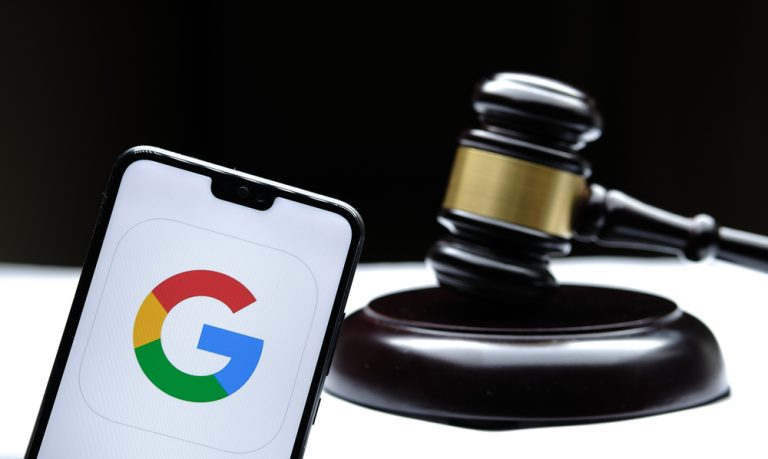
The United States government has taken a bold step in its fight against monopolistic practices in the tech industry. On Wednesday, the Justice Department (DOJ) proposed a partial breakup of Google, focusing on the company’s Chrome browser, after a ruling earlier this year determined Google violated antitrust laws with its search business. This move signals one of the most significant challenges to a tech giant in decades, potentially reshaping the internet as we know it.

The DOJ’s Case Against Google

The DOJ’s case centers on whether Google’s dominance in search and related technologies was maintained through illegal practices. The government argues that Google’s exclusive agreements with companies like Apple and Samsung ensured it remained the default search engine, shutting out competitors like Bing and DuckDuckGo.

District Judge Amit Mehta’s August ruling determined that Google violated Section 2 of the Sherman Act, a key anti-monopoly law. “Google is a monopolist, and it has acted as one to maintain its monopoly,” Mehta wrote. The proposed remedies aim to dismantle Google’s tightly integrated ecosystem to restore competition and innovation in search.

Chrome Browser Divestiture: A Historic Proposal

Central to the DOJ’s filing is a proposal to spin off Google Chrome, one of the most widely used browsers in the world. This move could prevent Google from leveraging Chrome to solidify its search monopoly. By separating Chrome, the government aims to level the playing field for rival search engines and browsers.

“The playing field is not level because of Google’s conduct,” government lawyers stated. They added that Chrome’s spinoff would reduce the chances of another illegal monopoly forming.

Restrictions Beyond Chrome

The government’s demands extend beyond the browser market. The DOJ has called for Google to syndicate its search results to rival engines for the next decade, giving competitors access to valuable data. Additionally, the DOJ proposed banning exclusive agreements with hardware manufacturers, such as those that made Google the default search engine on iPhones and Android devices.

Another significant restriction targets Google’s artificial intelligence operations. The DOJ insists Google must give websites the option to prevent their data from being used to train its AI models. This aligns with concerns raised by Microsoft CEO Satya Nadella, who warned of a “nightmare” future if Google continues to use search queries to fuel its AI dominance.

Google’s Response: A Fierce Defense

Unsurprisingly, Google has pushed back. In a blog post, Kent Walker, Google’s President and Chief Legal Officer, described the DOJ’s proposals as “extreme.” He argued that such measures would harm user privacy and security while disrupting beloved products. “DOJ’s wildly overbroad proposal goes miles beyond the Court’s decision,” Walker said, adding that Google plans to present its own proposal in December and make a broader case in 2024.

Lessons from the Past: The Microsoft Parallel

The Google antitrust case echoes the historic DOJ action against Microsoft in the 1990s. In that case, Microsoft was accused of bundling its Internet Explorer browser with Windows to stifle competition. A settlement required Microsoft to share its programming interfaces, opening the door for competitors like Firefox and Chrome.

Judge Mehta highlighted the similarities, stating, “Just as the agreements in [the Microsoft case] kept rivals below a critical level of usage, Google’s agreements have constrained the query volumes of its rivals, inoculating Google against any genuine competitive threat.”

Potential Impact on Google and the Tech Industry

The DOJ’s proposed penalties could significantly alter how Americans interact with Google’s products. Beyond the Chrome divestiture, the government seeks to separate Google Search from the Android operating system and Google Play store. If implemented, these measures could disrupt Google’s product integration, creating opportunities for smaller players to thrive.

The outcome of this case may also influence how other tech giants, such as Amazon and Apple, operate. A final decision is expected in 2025, following a hearing next April.

The U.S. government’s antitrust action against Google is more than a battle against one company—it’s a fight for the future of competition in the digital age. If the proposed remedies succeed, they could usher in a more open and innovative internet landscape. However, with Google fiercely contesting these measures, the road ahead promises to be long and contentious.


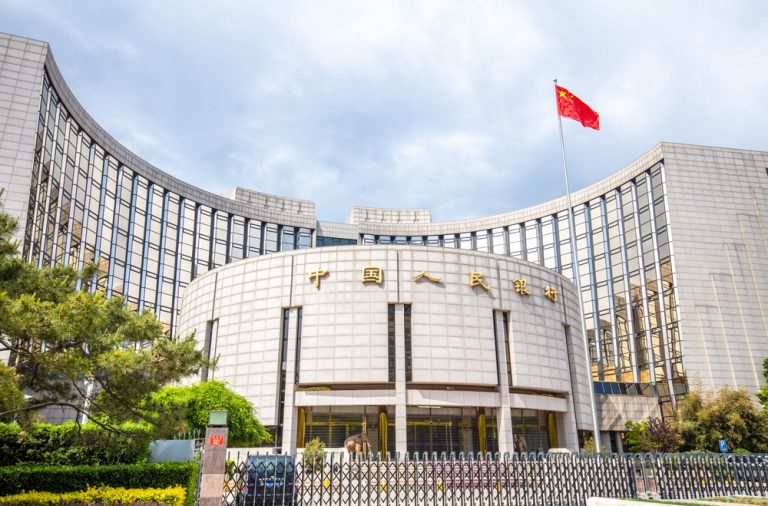
China’s Central Bank Holds Lending Rates Steady Amid Stimulus Evaluation

China’s central bank, the People’s Bank of China (PBOC), announced on Wednesday that it would maintain its key benchmark lending rates. The 1-year loan prime rate (LPR) remains at 3.1%, and the 5-year LPR stays at 3.6%.

Market Predictions and Policy Considerations

The decision to hold rates steady was anticipated by market analysts, with a Reuters poll showing expectations for no change in the LPR this month.

“There is no immediate need to adjust the LPR,” noted Bruce Pang, chief economist and head of research for Greater China at JLL. He emphasized that Chinese policymakers are still assessing the impact of recent economic stimulus measures.

Constraints on Lower Lending Rates

Record-low net interest margins at Chinese commercial banks have hindered their ability to support further rate cuts. Pang suggested that while another policy rate reduction in 2023 is unlikely, there remains potential for cuts in 2025.

The 1-year LPR primarily impacts corporate and household loans, while the 5-year LPR serves as a benchmark for mortgage rates.

Recent Stimulus and Economic Data

China’s rate decision follows last month’s 25 basis point cuts to both the 1-year and 5-year LPRs. October’s economic data highlighted lackluster momentum despite recent stimulus efforts:

  • Industrial production and fixed asset investment growth were slower than expected.
  • The decline in real estate investment steepened.
  • Retail sales exceeded expectations, growing by 4.8% year-on-year, suggesting early benefits from the stimulus measures.

New Fiscal Package and Economic Challenges

In early November, the Ministry of Finance announced a 10 trillion yuan ($1.4 trillion) fiscal package to address local government debt and signaled potential economic support in 2024.

Despite these measures, concerns linger about economic growth, driven by:

  • A prolonged property crisis.
  • Weak consumer and business sentiment.
  • Uncertainty surrounding Donald Trump’s election victory and potential tariffs on Chinese exports.

Growth and Market Outlook

Economic forecasts from major financial institutions suggest slower growth ahead:

  • Morgan Stanley projects GDP growth of around 4% annually for the next two years and has downgraded Chinese equities to “slight underweight,” citing deflation risks and trade tensions.
  • Goldman Sachs estimates China’s GDP growth could slow to 4.5% in 2025, down from 4.9% in 2024.

Despite this, Goldman maintained an “overweight” stance on Chinese equities, predicting a 13% upside for the CSI 300 index in 2024.

Policy Room Remains

PBOC Governor Pan Gongsheng indicated that there is still room for policy rate cuts before year-end. However, analysts remain skeptical about whether the Chinese government will implement enough fiscal stimulus to significantly boost consumption and housing.

As Beijing continues to evaluate the effects of its current measures, the focus remains on navigating challenges while stabilizing economic growth.