Home Blog Page 48

Samsung Kicks Off 2025 with Galaxy Fit 3 and Galaxy A16 5G Launch

Samsung is starting 2025 strong by bringing two of its latest gadgets to the U.S. market: the Galaxy Fit 3 fitness tracker and the Galaxy A16 5G smartphone. Both devices, which debuted in other regions last October, pack impressive features at highly competitive prices, positioning Samsung as a leader in value-focused tech.

Galaxy Fit 3: Affordable Fitness Tracking Redefined

The Galaxy Fit 3 is a sleek and budget-friendly fitness tracker that improves significantly over its predecessor, the Galaxy Fit 2. Sporting a 1.6-inch AMOLED display that’s 45% larger than the previous model, the Fit 3 offers a vibrant and user-friendly interface.

Key features include:

  • Battery Life: Up to 13 days of use on a single charge.
  • Health Tracking: Tracks over 100 workout types, automatic detection for walking, running, swimming, elliptical, and rowing machines.
  • Advanced Monitoring: Includes sleep cycle tracking, snore detection, and blood oxygen monitoring, which even beats the Apple Watch Series 9 in U.S. functionality.
  • Smartwatch-Like Features: Media controls, notifications, weather, calendar widgets, and safety options like fall detection and Emergency SOS.

Priced at just $60, the Galaxy Fit 3 is a feature-packed device offering unparalleled value in the fitness tracker space.

Galaxy A16 5G: Feature-Packed and Future-Proof

Samsung’s Galaxy A16 5G is a standout in the budget smartphone market. Equipped with a 6.7-inch Full HD+ AMOLED display, it boasts a 90Hz refresh rate and up to 800 nits of peak brightness, ensuring a smooth and vivid viewing experience.

Other notable specs include:

  • Camera System: A 50MP primary camera, 5MP ultrawide, 2MP macro, and a 13MP selfie camera.
  • Performance: Powered by Samsung’s Exynos 1330 chip and backed by a 5,000mAh battery for all-day usage.
  • Software Longevity: Six years of Android OS upgrades and security patches—a rarity even in premium phones.

With a starting price of just $200, the Galaxy A16 5G provides top-tier software support and solid hardware, making it an exceptional choice for budget-conscious consumers.

Limited-Time Bundle Offer

Starting January 9, both the Galaxy Fit 3 and Galaxy A16 5G will be available for purchase through Samsung’s website, retailers, and carriers. Customers who buy the Galaxy A16 5G can snag the Galaxy Fit 3 at a 50% discount, reducing the fitness tracker’s price to an unbeatable $30.

With the Galaxy Fit 3 and Galaxy A16 5G, Samsung has launched two devices that combine advanced features with budget-friendly pricing. If their real-world performance lives up to their specifications, Samsung could have a couple of big hits as it continues to set the standard for affordable, high-quality tech.
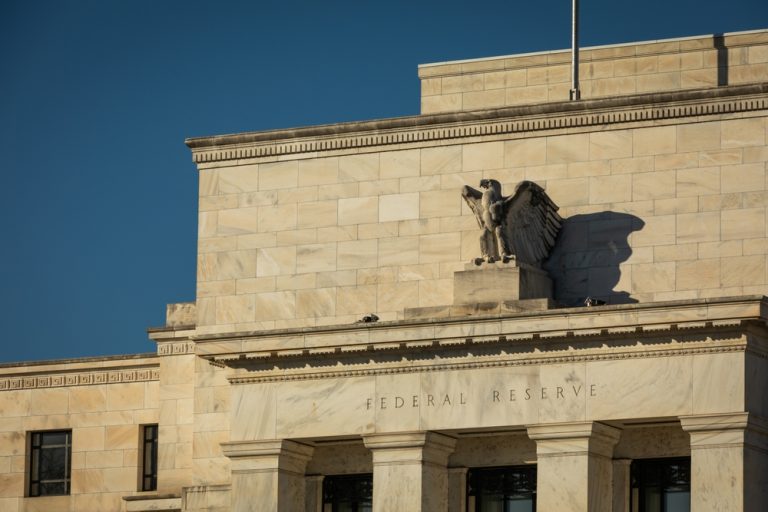

How Federal Reserve Policies Could Impact Borrowing in 2025

The Federal Reserve’s decision to slow down potential interest rate cuts in 2025 may have significant implications for borrowing costs. From mortgages to car loans and credit cards, the Fed’s policies influence a wide range of financial products, potentially keeping rates higher for longer. Here’s what you need to know about how borrowing costs may unfold in the new year.

Mortgage Rates Likely to Stay Elevated

Although the Federal Reserve may make some adjustments to interest rates in 2025, economists expect limited relief for mortgage borrowers. Mortgage rates are influenced more by 10-year Treasury yields than by the federal funds rate, and they are expected to remain relatively high.

Wells Fargo forecasts mortgage rates to fall slightly to around 6.3% in 2025, while Fannie Mae also predicts rates will stay above 6%. These figures are an improvement from current rates near 7%, but they are still significantly higher than the average outstanding mortgage rate of 4%.

“If you’re buying a new home in 2025, you will likely trade a lower interest rate for something higher,” experts warn, with limited opportunities for refinancing.

Car Loan Rates May Dip Before Rising

The outlook for car loans offers a mixed bag. Economists project a modest decline in auto loan rates early in 2025, but this trend may reverse later in the year. According to Cox Automotive, average auto loan rates for new vehicles were around 9% in December, while rates for used cars hovered near 14%.

“As we head into 2025, average auto loan rates are a full point lower from their peaks earlier in 2024,” noted Cox Automotive Chief Economist Jonathan Smoke.

Smoke anticipates a positive impact on the auto industry in the early months of 2025 but cautioned that rates could rise again later in the year.

Credit Card Rates May See Modest Relief

Credit card interest rates, which are directly influenced by the Fed funds rate, could ease slightly in 2025. The average credit card interest rate stood at 24.37% in December, according to Investopedia. This figure is expected to decline as the effects of the three Fed rate cuts in 2024 continue to take hold.

Since credit card rates are variable, they can fluctuate, making it essential for borrowers to stay informed.

“Check with your bank regularly to understand how your borrowing costs may change,” personal finance experts advise.

Tariffs Could Complicate the Outlook

A key source of uncertainty for interest rates in 2025 is the potential impact of President-elect Donald Trump’s proposed tariffs. These policies could stoke inflation, forcing the Federal Reserve to reconsider its current trajectory of rate cuts.

“If price pressures remain elevated due to tariffs, the Fed may need to slow down its rate cuts,” economists warn.

This uncertainty underscores the potential for volatile credit conditions, as global economic dynamics intersect with domestic monetary policy.

While some borrowers may see slight relief in 2025, higher interest rates will likely persist across most financial products. Mortgage rates are expected to remain elevated, car loans may dip temporarily, and credit card rates could see modest declines. However, the looming uncertainty surrounding tariffs and inflation could complicate the landscape, making it crucial for consumers to monitor developments closely and plan accordingly.

Wall Street’s Setback: Market Averages Close in the Red

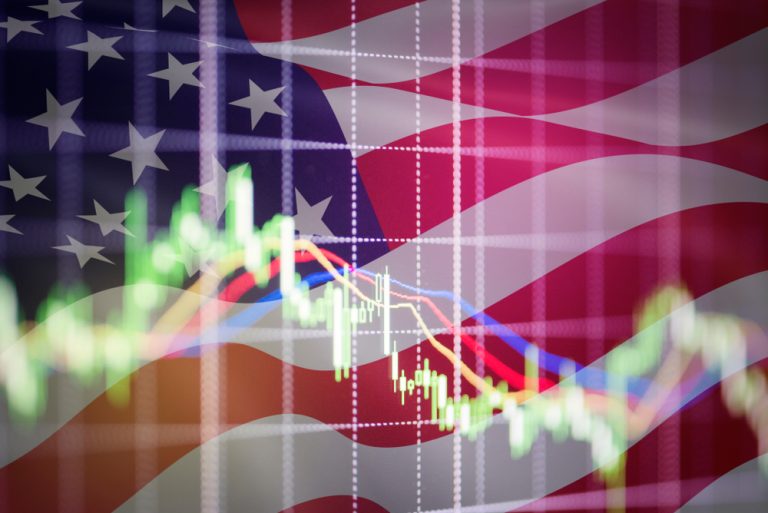
The stock market saw a tough start to the week as all three major averages ended Monday’s trading session in negative territory. The Dow Jones Industrial Average dropped 418 points, while the Nasdaq Composite fell by 235 points. Investors are now reassessing their year-end expectations, with hopes for a traditional Santa Claus rally beginning to wane.

Dow and Nasdaq Lead the Decline

The Dow Jones Industrial Average experienced a sharp decline, shedding over 400 points amid broad market pressures. Tech-heavy Nasdaq also posted significant losses, with a 235-point drop reflecting investor caution in the face of market volatility. As concerns mount about the economic outlook for 2025, these declines highlight the challenges ahead for Wall Street.

Fading Hopes for a Santa Claus Rally

Historically, the Santa Claus rally—a period of market gains during the final trading days of December and early January—offers a year-end boost for investors. However, this year, the phenomenon seems elusive. “Wall Street’s optimism for a strong finish to the year is fading fast,” noted Julie Hyman of Market Domination Overtime.

Despite the negative session, Hyman pointed out that tech stocks in the Nasdaq 100 have demonstrated resilience throughout the year, delivering impressive year-to-date gains.

Tech Sector Bright Spot

While Monday’s performance painted a grim picture, the tech sector remains a notable outlier. The Nasdaq 100 has seen significant year-to-date gains, fueled by strong performances from major players in the industry. This trend underscores the continued strength of technology stocks, even as broader market conditions weigh on overall performance.

Looking Ahead to 2025

As investors brace for the challenges of the upcoming year, the focus will remain on key market drivers, including interest rate policies, corporate earnings, and geopolitical tensions. The lack of a Santa Claus rally serves as a reminder of the uncertain path ahead, leaving traders and analysts closely monitoring the markets for signs of stability.

Stay Informed Amid Market Volatility

For investors navigating this turbulent market, staying informed is key. Expert insights, like those from Market Domination Overtime, provide valuable perspectives on the trends shaping Wall Street. As 2025 approaches, maintaining a clear view of market dynamics will be essential for making informed investment decisions.

Azerbaijan Airlines Crash Raises Suspicions of Russian Involvement

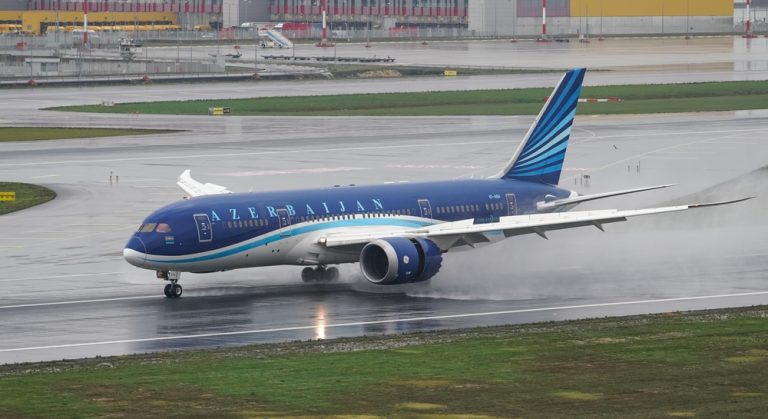
The cause of the Azerbaijan Airlines flight J2-8243 crash near Aktau, Kazakhstan, on Christmas Day remains unknown, but emerging evidence suggests a troubling possibility. According to a U.S. official, a Russian anti-aircraft system may have been involved, a theory gaining traction internationally as investigations continue.

The Crash and Its Aftermath

Flight recorders have been recovered, and investigators are working to determine the cause of the disaster, which claimed at least 38 lives. Video footage showing what appears to be shrapnel damage on the plane’s fuselage has fueled speculation of a shoot-down. The victims included citizens of Russia, Azerbaijan, Kazakhstan, and Kyrgyzstan.

Adding to the complexity is the aircraft’s destination: the Russian republic of Chechnya, governed by Ramzan Kadyrov, a pro-Kremlin leader. The tragedy has led several international airlines to suspend flights to Russian cities.

Diverging Narratives

Azerbaijan’s Perspective

In Azerbaijan, the notion of a shoot-down is being discussed openly. Rasim Musabeyov, an Azerbaijani lawmaker, has called for a Russian apology, further amplifying the theory of Russian involvement.

Russia’s Silence

In contrast, Russian state media has remained largely silent on the possibility of a missile strike. Rossiya-24, a state television channel, reported that representatives from Embraer, the aircraft’s manufacturer, were en route to Kazakhstan but made no mention of the shoot-down theory.

Kremlin spokesperson Dmitry Peskov avoided addressing the allegations directly, stating, “This aviation incident is under investigation, and until conclusions are made, we do not consider ourselves entitled to give any assessments.”

Shades of MH17

The incident bears unsettling similarities to the downing of Malaysia Airlines Flight MH17 in 2014. That tragedy, caused by a Russian Buk surface-to-air missile, resulted in 298 deaths and was followed by a disinformation campaign from Russia.

In the aftermath of MH17, Russian media propagated conflicting narratives, ranging from blaming Ukraine to claiming the aircraft had been filled with corpses. This flood of false information created confusion, distraction, and doubt, delaying accountability for years.

A Dutch court eventually found two Russians and a Ukrainian separatist guilty of mass murder for their involvement in MH17. However, the lengthy process highlights how disinformation can obstruct investigations.

Potential Public Relations Crisis for Russia

If evidence of a Russian missile strike on flight J2-8243 is confirmed, it presents a significant challenge for the Kremlin. Political observer Alexander Baunov has speculated that Russia may attempt to obfuscate the facts or pressure Azerbaijan and Kazakhstan into a shared narrative.

“Will Moscow obfuscate, deny, throw out conflicting narratives, and coerce Azerbaijan and Kazakhstan into a shared lie?” Baunov asked on X.

The Road Ahead

As the investigation progresses, questions loom about whether it will reach a transparent conclusion or become clouded by disinformation. The stakes are high, not only for the victims’ families but also for the international aviation community, which relies on trust and accountability.

Cat Food Recall Issued After Bird Flu Linked to Cat’s Death

Northwest Naturals is recalling a line of its raw and frozen cat food after authorities confirmed that a contaminated batch caused the death of a house cat in Oregon’s Washington County. The affected product tested positive for the H5N1 bird flu virus, prompting a nationwide recall.

Details of the Recall

The recall applies to two-pound bags of Northwest Naturals’ Feline Turkey Recipe with a best-by date between May 21, 2026, and June 23, 2026. Consumers are urged to stop using the product immediately and return it to the store for a refund.

The product is distributed nationwide across 12 U.S. states—Arizona, California, Colorado, Florida, Georgia, Illinois, Maryland, Michigan, Minnesota, Pennsylvania, Rhode Island, and Washington—and in British Columbia, Canada.

Bird Flu and the Cat’s Death

Oregon Department of Agriculture (ODA) officials confirmed the cat’s death was caused by H5N1 bird flu after the feline consumed the contaminated cat food. Dr. Ryan Scholz, ODA State Veterinarian, stated, “This cat was strictly an indoor cat; it was not exposed to the virus in its environment, and results from the genome sequencing confirmed that the virus recovered from the raw pet food and infected cat were exact matches.”

The case highlights the risks associated with feeding pets raw meat, as raw food diets can introduce serious pathogens, including bird flu.

Growing Concerns Over Bird Flu

The recall comes amid a broader rise in bird flu cases across the U.S., which have already led to human infections, livestock impacts, and even a state of emergency in California. The virus’s spread among animals has raised concerns about food safety and public health.

What Customers Should Do

Northwest Naturals advises customers who purchased the recalled product to return it to the store of purchase for a refund. Concerned pet owners are also encouraged to contact their veterinarian if they notice symptoms of illness in their pets.

A Reminder About Raw Food Risks

The ODA emphasizes that feeding pets raw meat can lead to severe illness, as contaminated food is a potential vector for dangerous pathogens. This case serves as a reminder to prioritize pet safety and choose food options that minimize health risks.

Nippon Steel’s $15 Billion Bid for U.S. Steel Referred to Biden

The fate of Nippon Steel’s $15 billion acquisition of U.S. Steel now rests with President Joe Biden, following a referral from the Committee on Foreign Investment in the United States (CFIUS). The deal, facing scrutiny over national security concerns, has encountered opposition from both Biden and President-elect Donald Trump. Biden has 15 days to block the merger or let it proceed.

National Security Concerns and CFIUS Involvement

CFIUS, which reviews foreign investments for potential national security risks, failed to reach a consensus on the proposed tie-up, prompting the referral to Biden. A letter from the committee, cited by The Washington Post, warned that the merger could result in reduced domestic steel production, posing a national security risk.

CFIUS raised concerns about the supply of steel for critical infrastructure projects, including transportation and agriculture, which could be impacted by foreign ownership. While Nippon Steel offered to mitigate these risks by appointing U.S. citizens to key management and board positions, the committee remained divided on whether these measures would suffice.

Biden’s Role and the Political Implications

The decision puts Biden in a politically sensitive position, with union workers and voters in swing states like Pennsylvania closely watching his next move. The president of the United Steelworkers Union has opposed the merger, further complicating the political dynamics.

Legal experts like Nick Wall, M&A partner at Allen & Overy, believe Biden’s decision is unpredictable. “The question is, what will Biden’s decision be? And I think that’s still very unpredictable,” Wall said.

If Biden takes no action within 15 days, the deal would proceed, granting Nippon Steel a significant foothold in the U.S. steel market.

High-Stakes Business and Potential Legal Fallout

For Nippon Steel, the acquisition is a strategic move to expand its global production capacity from 65 million metric tons to 85 million tons annually, with a long-term goal of surpassing 100 million tons. Analysts, including Ryunosuke Shibata from SBI Securities, describe U.S. Steel as a “once-in-a-lifetime opportunity” due to rising domestic steel demand and high U.S. steel prices.

If the deal collapses, Nippon Steel faces a $565 million penalty payable to U.S. Steel and has signaled potential legal action against the U.S. government.

Political Opposition and Long-Term Impact

The merger has faced bipartisan opposition, with both Biden and Trump voicing concerns over foreign control of a critical U.S. industry. Political motivations have played a role, as both leaders sought to appeal to union voters.

Earlier hopes for a calmer political climate after the November elections were dashed when CFIUS raised additional unresolved national security risks in a 29-page letter. Nippon Steel countered these claims, asserting that its investments as a company from an allied nation would strengthen U.S. Steel’s output.

What’s Next?

As Biden deliberates, the stakes remain high. Blocking the deal would align with national security concerns but could invite legal challenges from Nippon Steel. Approving the merger might address U.S. steel demand but could face backlash from unions and political opponents.

Whatever the outcome, this high-profile decision underscores the delicate balance between fostering foreign investment and protecting national security in a politically charged environment.

Global Markets in 2024: A Year of Unexpected Trends

Global markets defied expectations in 2024, delivering robust performances despite geopolitical tensions, economic slowdowns, and volatile interest rate policies. Against a backdrop of wars, trade uncertainties, and inflation concerns, world stocks achieved a second consecutive year of gains exceeding 17%. With Wall Street leading the charge, the year also saw dramatic movements in currencies, commodities, and bond markets. As we approach 2025, the global economy appears increasingly influenced by U.S. trends and policy decisions, raising both opportunities and risks for investors worldwide.

Wall Street’s Dominance in 2024

The U.S. stock market was the standout performer, with the S&P 500 climbing 24% in its best two-year streak since 1998. Artificial intelligence fever fueled massive gains in tech stocks, including Nvidia, which surged 172%, and Tesla, which rose 69%.

The combined value of the “Magnificent Seven” U.S. tech giants now accounts for nearly 20% of MSCI’s world share index, raising concerns about market vulnerability if these companies fail to meet lofty expectations. President-elect Donald Trump’s November election victory added to market optimism, with promises of tax cuts and deregulation further boosting investor confidence.

Julien Lafargue, chief market strategist at Barclays Private Bank, warned, “It’s going to be difficult, in the event of a U.S. pullback, to find anywhere to hide.”

Europe’s Continued Struggles

European markets lagged behind their U.S. counterparts, delivering their worst relative performance in 25 years. The euro weakened by 5.5% against the dollar, reflecting ongoing economic challenges despite four rate cuts by the European Central Bank.

While some analysts predict a rebound for Europe in 2025, the region remains under pressure. French budget turmoil and Germany’s economic contraction have further undermined investor confidence. Gold’s 27% gain in 2024 highlighted the lack of appealing diversification options for global investors seeking alternatives to U.S. assets.

The Resilience and Risks of the Mighty Dollar

The U.S. dollar surged 7% in 2024, driven by strong economic growth and rising interest in U.S. assets. However, this strength came at a cost for emerging market currencies. Egypt and Nigeria experienced devaluations, with their currencies falling around 40%. Brazil’s real also declined by over 20%, reflecting concerns about government debt and spending.

“We continue to be cautious on emerging market currencies, and the main reason behind that is the Trump trade war,” said Arif Joshi, co-head of emerging market debt at Lazard Asset Management.

China’s Rollercoaster Year

China’s stock market had a turbulent 2024, characterized by dramatic swings. A mid-September rally saw a single-week gain of nearly 16% after Beijing signaled plans to stimulate its weakening economy. Despite these fluctuations, investors who stayed the course were rewarded with a 14.5% annual gain.

However, the boom-and-bust cycle has left markets in Europe and Asia on edge. Until Beijing implements more direct economic interventions, volatility in Chinese markets is expected to persist.

Bond Markets Under Pressure

Bond markets faced a tough year as central banks delivered fewer rate cuts than expected, while inflation remained stubbornly high. U.S. 10-year Treasury yields rose by 60 basis points, and Britain’s 10-year gilt yields jumped 100 basis points.

In Japan, where rates increased twice, the 10-year bond yield rose 45 basis points—the largest annual jump since 2003. Investors are now wary of how Trump’s policies might influence the Federal Reserve in 2025. French debt turmoil late in the year also signaled the readiness of bond vigilantes to penalize excessive government borrowing.

Surprising Winners in 2024

Some of the year’s most remarkable returns came from high-risk investments. Lebanon’s defaulted bonds gained 100%, as investors speculated on the Middle East conflict’s impact on Hezbollah. Argentina’s dollar bonds also returned 100%, buoyed by the country’s ambitious reform agenda and close ties with Trump.

Ukrainian bonds, supported by hopes that Trump could broker an end to Russia’s invasion, delivered over 60% returns, showcasing the opportunities in distressed markets during times of geopolitical uncertainty.

Looking Ahead to 2025

As 2025 begins, global markets remain closely tied to U.S. trends, amplifying risks for international investors. While Wall Street’s performance continues to attract global capital, uncertainties surrounding Trump’s policies, inflation, and geopolitical tensions could reshape the investment landscape.

For investors, diversification and adaptability will be key strategies in navigating the challenges and opportunities of the year ahead. The lessons of 2024 underscore the importance of staying informed and agile in an increasingly interconnected global economy.

Samsung Galaxy S25+ Leak Results in Employee Firings Amid January 2025 Unpacked Event Announcement

Samsung has announced its first Unpacked event of 2025, set for January 22nd, where the tech giant will unveil its flagship Galaxy S25 series, including the Galaxy S25, Galaxy S25+, and Galaxy S25 Ultra. However, the lead-up to this highly anticipated launch has been overshadowed by controversy after unauthorized live images of the Galaxy S25+ surfaced online.

A tweet from @Jukanlosreve revealed photos of the Galaxy S25+ but failed to conceal a critical identification number on the device. This oversight allowed Samsung to trace the leak back to employees, who were swiftly terminated. The identification number, typically obscured in leaked photos, acts as a safeguard to track unauthorized disclosures.

Meanwhile, another prominent leaker, Evan Blass, shared additional images of the Galaxy S25 Ultra and S25+ and confirmed the January 22nd Unpacked date.

For employees in manufacturing and assembly, leaking product images can be tempting but risky. While such leaks might garner short-term attention, they can carry severe consequences. The latest incident highlights Samsung’s robust mechanisms for identifying and addressing breaches of confidentiality.

Samsung and other manufacturers view leaks as disruptive to their carefully orchestrated marketing plans. While leaks may generate buzz, they also undermine the excitement and exclusivity of official announcements. Samsung prefers controlled unveilings to ensure its products are presented in the best possible light, with surprises and details revealed on its terms.

Despite this controversy, anticipation for the Galaxy S25 series remains high. The flagship lineup is expected to introduce cutting-edge technology and significant upgrades, promising to continue Samsung’s tradition of innovation.

Samsung’s response to the leak underscores its commitment to maintaining secrecy and protecting its intellectual property, even as fans eagerly await the upcoming Unpacked event.

Dow Suffers Longest Losing Streak Since 1974 as Fed Outlook Spooks Investors

The Dow Jones Industrial Average extended its losing streak to 10 consecutive days on Wednesday, falling 1,123 points, or 2.6%, in its worst single-day performance of the year. This marked the index’s longest stretch of consecutive declines since a 1974 losing streak during Gerald Ford’s presidency.

The broader market didn’t fare much better. The S&P 500 dropped 3%, and the Nasdaq Composite tumbled 3.6%, as investors reacted to a disappointing outlook from the Federal Reserve.

Fed Dampens Market Optimism

The Federal Reserve delivered a widely anticipated quarter-point rate cut on Wednesday, but its updated projections jolted investors. The central bank indicated it now expects just two rate cuts in 2025, down from four in its September forecast. The Fed also revised its inflation outlook, predicting that inflation will remain above its target range longer than previously thought.

“The market was underwhelmed by the likely future path of interest rates,” said Chris Zaccarelli, Chief Investment Officer at Northlight Asset Management.

Investor expectations shifted dramatically following Fed Chair Jerome Powell’s press conference. On Tuesday, traders had priced in a 98% chance of another rate cut at the Fed’s January meeting. By Wednesday afternoon, that probability plummeted to just 6%, according to fed funds futures data.

Dow Under Pressure from Key Stocks

Several key stocks in the Dow weighed heavily on its performance during this losing streak.

  • UnitedHealth Group: The health insurance giant, which has dropped 15% this month, has been a significant drag on the index. Despite this, UnitedHealth shares rose 3.3% on Wednesday, offering a glimmer of relief.
  • Nvidia: The AI chipmaker, which joined the Dow in November, has surged over 180% this year. However, a 5% decline over the past month has contributed to the index’s downward slide.

Despite these setbacks, the Dow remains up 14% for the year, buoyed by gains earlier in 2024.

Election Euphoria Fades

Markets initially surged following the election results, as investors welcomed a smooth transition and anticipated pro-business policies from President-elect Donald Trump. Promises of deregulation and tax cuts fueled optimism, but the Fed’s hawkish stance has tempered enthusiasm.

Jay Hatfield, CEO and CIO at Infrastructure Capital Advisors, described the Fed’s move as a “hawkish cut,” signaling that monetary conditions would remain tight despite the rate reduction.

Historical Context and Investor Sentiment

The 10-day losing streak mirrors a similar stretch in 1974, when the Dow fell for 11 straight sessions amid economic turmoil and stagflation. However, the index’s 14% gain year-to-date highlights that today’s losses come from a position of relative strength.

Still, the Fed’s cautious approach has rattled investor confidence. Powell’s acknowledgment that inflation will remain persistent has raised concerns about the pace of future rate cuts and broader economic growth.

Looking Ahead

With the Fed signaling fewer rate cuts in 2025, the market will likely remain volatile. Investors are recalibrating expectations, balancing Trump’s promises of economic growth with the reality of tighter monetary policy.

For now, the Dow’s historic losing streak underscores the challenges facing markets as they grapple with an uncertain economic and policy outlook.

Google Unveils AI Tool “Whisk” for Creative Image Remixing

Google has introduced “Whisk,” a new artificial intelligence tool that allows users to combine images into a single, AI-generated creation without needing to input any descriptive text. This innovative tool, designed for quick inspiration and creative exploration, builds on Google’s advancements in generative AI and highlights the competitive race among tech giants to bring AI-driven consumer products to market.

Whisk is accessible via Google Labs as a website in the U.S. and is described as a playful tool for rapid visual exploration rather than a professional-grade image editor.

How Whisk Works: Remixing Images with AI

Whisk users can upload images depicting subjects, settings, and styles. The tool then combines these elements into a unified, AI-generated image. Unlike traditional image editors, Whisk captures the essence of the uploaded visuals rather than creating pixel-perfect replicas, which allows for flexibility in the final output.

Using Whisk, users can remix the final image by modifying their inputs or combining categories to create variations such as plush toys, enamel pins, or stickers. Text can also be added to guide specific details, though it is not required to generate an image.

“Whisk is designed to allow users to remix a subject, scene, and style in new and creative ways, offering rapid visual exploration instead of pixel-perfect edits,” said Thomas Iljic, director of product management at Google Labs.

Powered by DeepMind and Gemini

Whisk leverages Google’s AI engine Gemini, which debuted in December 2023, paired with DeepMind’s Imagen 3, the latest text-to-image generator. When users upload their images, Gemini generates captions that Imagen 3 uses to create the combined image.

This process emphasizes creative interpretation over replication. As a result, the generated image might differ from the inputs in details such as height, hairstyle, or skin tone, allowing for unique variations that prioritize creativity over precision.

A Competitive Edge in AI Innovation

Whisk’s launch reflects Google’s effort to cement its position in the rapidly expanding AI-driven consumer market. The tool builds on the popularity of generative AI concepts pioneered by tools like OpenAI’s DALL-E.

Dan Ives, managing director and senior equity analyst at Wedbush Securities, described Whisk as a significant step forward for Google. “DeepMind is a key asset for Google. Whisk is another ‘flex the muscles’ moment in the AI and tech race,” Ives said, emphasizing that Google’s AI initiatives are a core part of its innovation strategy for 2025.

Navigating Challenges and Early Feedback

While Whisk offers new creative possibilities, it follows earlier controversies surrounding Google’s AI tools. When Google debuted Gemini’s text-to-image creator in February, the company faced backlash over historically inaccurate outputs. By focusing on flexibility and creativity rather than exact replication, Whisk aims to avoid similar criticisms.

Google’s AI Vision for 2025

Whisk is one of several AI-driven products in Google’s pipeline. The company is also working on a new Android operating system developed in collaboration with Samsung and Qualcomm, further showcasing its commitment to integrating AI into its product ecosystem.

As the AI race heats up, tools like Whisk represent Google’s efforts to redefine user interaction with generative technology. Whether for casual creativity or rapid prototyping, Whisk highlights the growing accessibility of AI tools designed to inspire and engage consumers.