Home Blog Page 46

JPMorgan’s Yoder Calls AI Sell-Off ‘Healthy’ for Markets

JPMorgan Private Bank US Equity Strategist Abby Yoder shared her insights on market reactions following Monday’s sharp sell-off, driven by the release of DeepSeek’s low-cost AI chatbot.

Yoder noted that while the S&P 500 (^GSPC) saw relatively low volatility throughout 2024, the recent disruption from DeepSeek’s emergence was unexpected. “We couldn’t have guessed the reason why,” she said, adding, “We didn’t expect it to be this.”

Market Volatility Viewed as a Positive

Despite the turbulence, Yoder remains optimistic, emphasizing that the current market shake-up is actually “healthy” as it helps reset valuations and encourages broader market participation.

She reaffirmed her bullish stance, maintaining a 6,400 year-end price target for the S&P 500.

AI Sell-Off Impacting Big Tech

Discussing the impact of AI developments on the stock market, Yoder highlighted that the sell-off primarily affected Big Tech, while the other 493 companies in the S&P 500 have remained relatively strong.

“What’s happened essentially is we have AI that’s just as effective at a lower cost,” Yoder explained. “If I’m a company in any other industry and I’m thinking, ‘Okay, there was this barrier in terms of cost previously, and now that’s been lowered, and now I can implement not only more use cases but at a lower cost,’ I think that’s the read-through.”

Conclusion

As DeepSeek’s breakthrough disrupts the AI landscape, markets are adjusting to new expectations. Yoder’s insights suggest that while Big Tech faces near-term headwinds, the broader market remains resilient. Investors will be watching closely to see how companies adapt to the changing AI cost dynamics.

DeepSeek AI Frenzy Shakes Markets and Fuels U.S.-China Rivalry

The rise of DeepSeek, a Chinese AI startup, has disrupted global stock markets and reignited debates over U.S.-China technological competition. The company’s AI assistant became the No. 1 downloaded free app on Apple’s iPhone store Monday, fueling concerns that China may be closing the gap with U.S. tech giants.

DeepSeek’s Rise Challenges U.S. AI Spending

DeepSeek’s claim that its AI model R1 matches the capabilities of U.S. competitors at a fraction of the cost has sparked uncertainty across the tech industry. If true, it could undermine the massive AI investments planned by companies like OpenAI, Google, and Meta, raising questions about whether such high spending is necessary.

However, analysts warn against overreacting. Stacy Rasgon, a Bernstein analyst, described Wall Street’s panic as overblown:

The models they built are fantastic, but they aren’t miracles either.

Rasgon emphasized that DeepSeek’s advancements are based on well-known AI techniques rather than undisclosed breakthroughs.

What is DeepSeek?

Founded in 2023 in Hangzhou, China, DeepSeek was launched by Liang Wenfeng, a co-founder of hedge fund High-Flyer, which specialized in AI-driven quantitative trading.

DeepSeek initially used Nvidia’s A100 GPUs but shifted to the lower-performing H800 chips after the U.S. imposed export restrictions. The startup gained global attention last month when it unveiled an AI model said to be as powerful as OpenAI’s GPT models but far more cost-efficient.

DeepSeek R1’s Breakthrough and Market Impact

The frenzy around DeepSeek intensified last week with the publication of a research paper on its R1 model. The paper, released on the same day as President Donald Trump’s inauguration, demonstrated:

  • Advanced reasoning skills, such as revising its approach to solving problems.
  • Operational efficiency at a significantly lower cost than OpenAI’s o1 model.

This revelation led to a sharp decline in U.S. tech stocks. Nvidia shares dropped 17%, wiping out hundreds of billions in market value. Despite the market turmoil, Nvidia responded positively:

DeepSeek’s work is an excellent AI advancement that leverages widely-available models and fully export-compliant compute.

DeepSeek Sparks U.S. Policy Debate

Beyond financial markets, DeepSeek’s rise has reignited discussions on how the U.S. should compete with China in AI development. Venture capitalist Marc Andreessen compared DeepSeek’s breakthrough to the Soviet Union’s launch of Sputnik in 1957, which triggered the U.S. space race:

DeepSeek R1 is AI’s Sputnik moment.

Andreessen, an advisor to President Trump, warned that excessive U.S. AI regulation could stifle innovation and allow China to gain a competitive edge.

Geopolitical Implications

Some analysts suspect the timing of DeepSeek’s announcement was politically motivated. Gregory Allen of the Center for Strategic and International Studies suggested:

The timing of the release is political in nature, aiming to undermine U.S. export controls.

China’s efforts to showcase self-sufficiency in AI technology mirror past moves by Huawei, which unveiled a new smartphone during diplomatic negotiations over U.S. trade restrictions.

Trump’s Response and Policy Direction

Reacting to the news, Trump framed DeepSeek’s efficiency as a positive development:

You won’t be spending as much and you’ll get the same result.

However, Trump also acknowledged it as a wake-up call for U.S. industries, urging a stronger focus on AI competition. His administration is expected to harden export controls on advanced AI chips, continuing the policies of his predecessor.

What Sets DeepSeek Apart?

One major differentiator for DeepSeek is its open-source approach, which allows developers worldwide to access and modify its AI models. However, it has not disclosed the datasets used for training.

DeepSeek’s R1 model also features an advanced reasoning method called Test Time Scaling, which enables it to self-improve without new training data. While this is not unique—OpenAI’s o1 and Anthropic’s AI models use similar techniques—it is the first time a Chinese company has demonstrated such capabilities on a global stage.

Conclusion

DeepSeek’s rise marks a significant moment in the global AI arms race. While some believe the reaction has been overblown, the Chinese startup’s advancements challenge assumptions about U.S. AI leadership. As the competition intensifies, the implications for financial markets, technological leadership, and U.S. policy remain profound.


China’s Industrial Profits Drop as Commodities Struggle

China’s industrial profits fell 3.3% in 2024, with oil refiners, steelmakers, and coal miners among the worst-performing sectors. Overcapacity and slowing economic growth have weighed on traditional industries, and the outlook for 2025 remains bleak—especially if trade tensions with the U.S. escalate.

Oil, Steel, and Coal Face Mounting Pressure

China’s old-economy stalwarts—oil refining, steel, and coal mining—struggled last year, and signs point to continued challenges:

  • Oil refining: The sector was the only major industry to post a cumulative loss, losing 46 billion yuan ($6.3 billion). Shrinking demand for gasoline and diesel, as China shifts to greener energy, is forcing refineries to cut production.
  • Steel: Iron and steel profits fell 55% in 2024. With China’s property sector still in crisis, new sources of demand haven’t fully replaced lost consumption.
  • Coal: Despite falling 22% in profitability, coal output continues to rise, driven by government policies prioritizing energy security. Coal production is expected to grow another 2% this year, surpassing the record 4.76 billion tons mined in 2024.

Overcapacity Worsens Deflationary Pressures

Cheaper commodities may be reducing costs for manufacturers, but they are also deepening deflationary pressures, impacting China’s downstream businesses.

The government has made tackling overcapacity a priority:

  • A 1 billion-ton cap on oil refining will be implemented this year.
  • Steel production is being curbed to reduce emissions, but remains above 1 billion tons.
  • Other sectors, including solar equipment manufacturers and copper smelters, are introducing self-imposed production limits.

Factory Activity Slows Ahead of Lunar New Year

China’s factory activity unexpectedly contracted in January, as businesses wound down ahead of the upcoming eight-day Lunar New Year holiday. The slowdown comes as the country struggles with weaker economic momentum.

Carbon Emissions and Energy Demand Rise

China’s carbon emissions increased slightly in 2024, as clean energy expansion failed to keep pace with surging electricity demand. The country’s power consumption has become a focal point in the global fight against climate change.

Fiscal Challenges Add to Economic Woes

The Chinese government missed its 2024 spending target, with local authorities strapped for cash due to the prolonged housing market slump. Without sufficient funds, infrastructure projects and economic stimulus efforts remain constrained.

Key Economic Events This Week

Investors and analysts will be watching several key economic indicators in the coming days:

  • Monday, Jan. 27: China’s industrial profits for December and official PMIs for January (09:30 AM Beijing time).
  • Tuesday, Jan. 28: Mainland China’s Lunar New Year holiday begins, running through Feb. 4.
  • Wednesday, Jan. 29: Hong Kong markets close for public holidays through Jan. 31.

Conclusion

China’s industrial sector faces mounting challenges from overcapacity, weaker demand, and economic uncertainty. As trade tensions with the U.S. loom and the government struggles to stimulate growth, 2025 could be another tough year for the country’s traditional industries.

Brazil Inflation Slows Less Than Expected, Rate Hike Likely

Brazil-Inflation-Slows-Less-Than-Expected-Rate-Hike-Likely

Brazil’s annual inflation rate slowed in early January but remained higher than expected, reinforcing the likelihood of another 100 basis point interest rate hike by the central bank next week. The data, released by the IBGE statistics agency on Friday, highlights persistent inflationary pressures despite previous rate increases.

Inflation Data Exceeds Expectations

The IPCA-15 index, a key inflation measure, showed a 4.5% annual increase through mid-January. While this was a slight deceleration from 4.71% in the previous month, it exceeded economists’ expectations of 4.36%, according to a Reuters poll.

On a monthly basis, prices rose 0.11%, down from 0.34% in December but again higher than the anticipated 0.03% decline.

Key Inflation Drivers

The latest inflation report pointed to rising costs in critical sectors:

  • Food and transportation: Continued price increases contributed to overall inflation.
  • Housing: A significant drop in electricity prices helped mitigate inflationary pressure.

Food price inflation has been a major concern for the Brazilian government, with President Luiz Inácio Lula da Silva emphasizing the need to address rising costs.

Central Bank’s Tightening Strategy

Brazil’s central bank has been navigating a complex economic environment marked by:

  • Strong economic activity
  • A tight labor market
  • Unanchored inflation expectations

In response, policymakers have reaffirmed their commitment to the central bank’s 3% inflation target. In December, they raised the benchmark Selic rate by 100 basis points to 12.25% and signaled similar hikes for upcoming meetings.

Market and Expert Reactions

Analysts widely expect another rate hike, with economists emphasizing that inflation remains too high for the central bank to shift its strategy.

January’s IPCA-15 data won’t prompt the central bank to row back on the guidance provided at its last meeting,” said Jason Tuvey, deputy chief emerging markets economist at Capital Economics.

Inflation remains firmly above the central bank’s target, the economy continues to hold up well and fiscal concerns have by no means gone away.

Andres Abadia, chief Latin America economist at Pantheon Macroeconomics, echoed this sentiment: “Inflation has rebounded significantly in recent months, with key leading indicators suggesting a poor near-term outlook.” He added that the central bank is likely to continue raising rates aggressively.

Looking Ahead

With inflation remaining stubbornly above target, Brazil’s central bank is expected to maintain its aggressive tightening approach. Policymakers will closely monitor food prices, energy costs, and labor market trends as they navigate economic uncertainty.

As the country prepares for another potential rate hike, investors and businesses will be watching closely for signs of inflationary relief in the coming months.

Abbott Forecasts 2025 Profit in Line With Estimates

Strong Device Demand Offsets China and Currency Challenges

Abbott Laboratories (ABT) on Wednesday projected its 2025 profit to align with Wall Street estimates, citing strong demand for its medical devices, particularly its glucose monitors, as a key growth driver.

Boost From FreeStyle Libre and New Device Launches

The company has benefited from high demand for its continuous glucose monitor, FreeStyle Libre. Abbott had previously faced supply chain challenges for these devices but expects to meet demand as a new manufacturing site becomes operational.

Impact of Strong Dollar and China’s Procurement Program

CEO Robert Ford noted that Abbott anticipates a 2.5% sales hit in 2025 due to a stronger dollar, with a 3.5% impact in the first quarter alone. The company is also bracing for financial pressure from China’s medical device bulk procurement program, which mandates deep discounts.

Q4 Performance and Stock Reaction

Abbott’s fourth-quarter sales reached $10.97 billion, slightly below the estimated $11.01 billion. The medical devices unit outperformed, driven by glucose-monitoring products, while smaller divisions like nutrition fell short of expectations.

The company reported an adjusted quarterly profit of $1.34 per share, in line with analyst forecasts. For 2025, Abbott projects an adjusted profit range of $5.05 to $5.25 per share, compared to analysts’ consensus of $5.16.

Market Reaction and Analyst Insights

Despite missing first-quarter profit estimates—projecting $1.05 to $1.09 per share versus an expected $1.11—Abbott’s stock rose 1.3% in afternoon trading.

Evercore ISI analyst Vijay Kumar noted that Abbott typically starts the year with a conservative outlook and could see upside potential if foreign exchange rates improve.

South Africa’s Retail Sales Surge 7.7% in November

What Happened

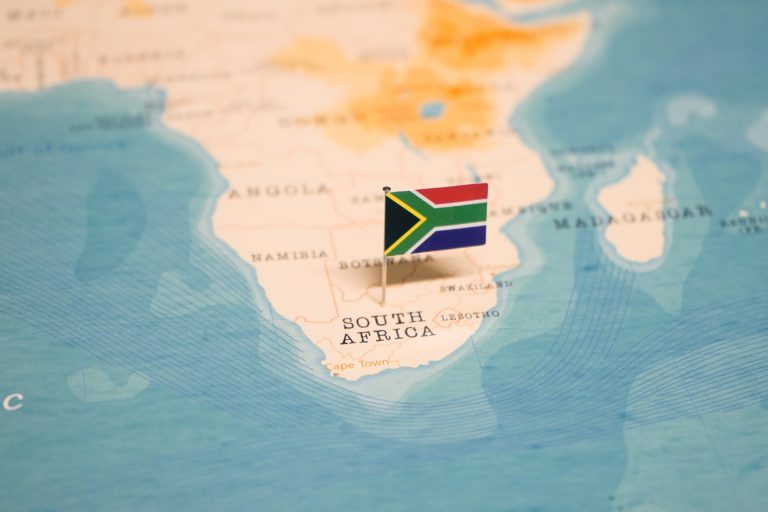
Retail activity in South Africa continued its strong momentum, rising 7.7% year-over-year in November 2024, according to Statistics South Africa (Stats SA). This marked the ninth consecutive month of growth and the strongest increase since July 2022, surpassing market expectations of a 5.5% rise.

Why It’s Important

  • Strongest Growth in Years: Excluding disruptions from COVID-19 and the July 2021 riots, this is the strongest retail growth print in nearly 14 years.
  • Interest Rate Relief: The South African Reserve Bank’s (SARB) easing cycle has improved disposable income, driving higher consumer spending.
  • Consumer Confidence: The Bureau for Economic Research reported record confidence levels among clothing, textiles, and footwear retailers.

Key Retail Trends

  • General Dealers: Sales surged 11.9% YoY, leading retail growth.
  • Clothing & Footwear: Increased 9.5% YoY, reflecting high demand.
  • Household Furniture: Rose 9.4% as consumers invested in home goods.
  • Food & Beverages: Up 3.8%, indicating steady consumer demand.
  • Pharmaceuticals: Gained 3.7%, reflecting stable health-related spending.
  • Hardware: Declined 4.3%, the only category to post a drop.

Market Outlook

FNB economist Siphamandla Mkhwanazi expects the positive momentum to continue in 2025, supported by higher household incomes, lower inflation, declining borrowing costs, and improving consumer sentiment.

BankservAfrica’s data showed a 10% rise in in-store card transactions on Black Friday (Nov. 29) and a 6% increase in online shopping, highlighting seasonal strength.

Standard Bank economist Dr. Elna Moolman cited key drivers behind the retail boom, including SARB’s interest rate relief, low inflation (sub-3% CPI), and lump-sum payouts from retirement reforms in September.

“We remain constructive about the consumer outlook, supported by persistently low inflation and further interest rate relief from the Reserve Bank,” Moolman added.

Apple Faces Downgrades Amid Weak iPhone Sales and AI Struggles

What Happened

Jefferies analyst Edison Lee downgraded Apple (AAPL) to Underperform, reducing the price target by 13% to $200.75, citing weak iPhone sales and lackluster consumer interest in AI. Loop Capital also downgraded Apple, shifting its rating from Buy to Hold and lowering the price target to $230 from $275. Following the news, Apple shares fell by as much as 3.7% on Tuesday.

Why It’s Important

Apple’s iPhone, which accounted for over half of its $391 billion revenue in 2024, is facing challenges both domestically and in key international markets like China. Analysts anticipate weaker-than-expected earnings for the December quarter and lower-than-forecasted results for the upcoming quarter, potentially disrupting Apple’s growth trajectory.

Key Numbers

  • iPhone Revenue: Projected to decline by 0.4% year over year for Q1 2025.
  • Total Sales Growth: Estimated at 2.8% year over year, down from Jefferies’ prior forecast of 4.6%.
  • China Sales: Declined 8% in 2024 to $66.9 billion, following a 2% drop in 2023.
  • Market Share: iPhone’s global market share fell 1% year over year in Q4 2024 to 23%.

Challenges in Key Markets

Apple’s struggles in China are exacerbated by competition from local brands like Huawei and Xiaomi, along with cautious consumer spending due to a slowing economy. iPhone sales in the region reportedly dropped between 15% and 20% year over year in Q4 2024. Additionally, overall smartphone shipments grew 3%, but Apple’s performance lagged behind market growth.

AI and Product Strategy

Apple’s foray into AI with its Apple Intelligence platform has not driven the expected sales supercycle. Rolled out in batches starting October 2024, the platform has struggled to gain traction. This piecemeal launch strategy contrasts with Apple’s usual splashy product announcements, leaving consumers uncertain about its full capabilities. The AI smartphone market, in general, is underperforming despite efforts from Apple and competitors like Google and Microsoft.

Upcoming Product Launches

To address declining sales, Apple plans to release a new iPhone SE, targeting the mid-range smartphone market. The company is also preparing to launch entry-level iPads and new MacBook Airs, which could boost its other segments. These efforts may help offset the anticipated challenges in its flagship iPhone sales.

What’s Next

Apple will report its Q1 earnings on January 30, providing a clearer picture of its financial performance and guidance for 2025. Analysts and investors will be closely watching the results and any updates on its AI initiatives and product pipeline.

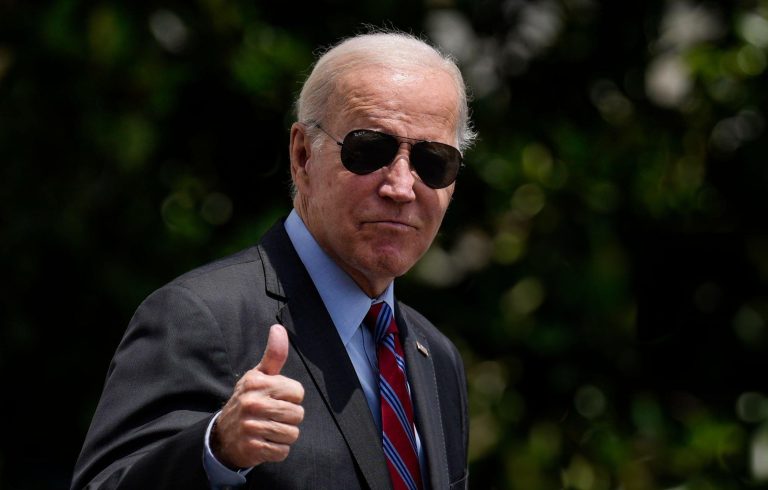
Biden Issues Preemptive Pardons for Trump Critics and Family Members

What Happened

On his final day in office, President Joe Biden issued a sweeping set of preemptive pardons, shielding key critics of President-elect Donald Trump and members of his own family from potential prosecution.

The pardons, announced Monday, covered Gen. Mark Milley, Dr. Anthony Fauci, and several members of Congress who served on the committee investigating the January 6, 2021, attack on the Capitol. In a dramatic last-minute move, Biden also pardoned his brothers James and Frank, his sister Valerie, and their spouses just minutes before Trump’s inauguration.

Why It Matters

The unprecedented move marks a significant use of presidential clemency powers, insulating Biden’s family and allies from any potential legal action under the incoming administration. Trump has repeatedly vowed to prosecute Biden’s family and political adversaries, making the pardons a direct response to those threats.

Biden defended his decision, stating that his family had been subjected to politically motivated attacks and that he had “no reason to believe these attacks will end.” The pardons also set a precedent that could influence Trump’s own use of executive clemency in the coming months.

Political and Legal Implications

The pardons cover some of Trump’s most outspoken critics, including former Rep. Liz Cheney, whom Trump has pledged to target for prosecution. By issuing these pardons, Biden ensures that his allies cannot be investigated or prosecuted for actions related to their service in government.

Notably, Biden’s statement emphasized that the pardons do not imply guilt. He framed the clemency orders as a means of protecting public servants from “baseless and politically motivated investigations.”

Market and Public Reaction

The pardons have triggered widespread debate, with legal analysts speculating on their potential ramifications. Some view the move as a bold defense of democracy, while others argue it could further escalate political divisions between the outgoing and incoming administrations.

Meanwhile, Trump’s allies have condemned the pardons as an attempt to obstruct future investigations, while Biden supporters see them as necessary safeguards against political retaliation.

What’s Next

With Trump now in office, questions remain about whether he will attempt to challenge these pardons through legal means. Some experts suggest the move could prompt Congress to review presidential pardon powers in the future.

Additionally, speculation is mounting over whether Trump will issue his own preemptive pardons for allies under investigation or facing legal challenges.

Bottom Line

Biden’s final act as president ensures protection for his family and political allies, while setting a significant legal and political precedent. As Trump takes office, the impact of these pardons—and any potential retaliation—will be closely watched.

U.S. Stocks Dip as Investors Assess Earnings and Fed Rate Cut Outlook

Market Pulls Back After Strong Rally

U.S. stocks edged lower on Thursday, giving up some gains from the previous session as investors analyzed corporate earnings reports and economic data to gauge the likelihood of Federal Reserve interest rate cuts.

Despite a benign inflation report and strong bank earnings, stocks struggled for direction, swaying between modest gains and losses throughout the session. Economic data showed resilient consumer spending and a strong labor market, which could give the Fed room to delay aggressive rate cuts this year.

Rick Pitcairn, chief global strategist at Pitcairn, commented:
“The market breathed a pretty good sigh of relief yesterday. Now January’s undecided, but at least we’re on better footing to assess earnings and economic data.”

Key Index Movements

At the market close:

  • The Dow Jones Industrial Average fell 68.42 points (-0.16%) to 43,153.13.
  • The S&P 500 declined 12.57 points (-0.21%) to 5,937.34.
  • The Nasdaq Composite dropped 172.94 points (-0.89%) to 19,338.29.

Bank Earnings in Focus

The financial sector provided a bright spot, with strong earnings from major banks:

  • Morgan Stanley (MS.N) surged 4.03% after reporting strong Q4 earnings, fueled by a wave of dealmaking.
  • Bank of America (BAC.N) fell 0.98%, despite predicting higher interest income in 2025.

Pitcairn added:
“The bank earnings have been strong, and those are bellwether earnings. Investors are encouraged by their outlook.”

Fed Rate Cuts: Sooner or Later?

Investor focus remains on the Federal Reserve’s rate cut timeline:

  • Fed Governor Christopher Waller suggested the central bank may cut rates sooner and faster than expected as inflation continues to ease.
  • Treasury yields fell, with the 10-year yield dropping 3.8 basis points to 4.615%.
  • Futures markets now show a greater chance of a 25 basis point rate cut in May, according to the CME FedWatch Tool.

Tariff and Policy Uncertainty Under Trump

Concerns linger over President-elect Donald Trump’s trade policies, with potential tariff increases that could fuel inflation and impact corporate earnings.

Meanwhile, Trump’s Treasury Secretary pick, Scott Bessent, outlined his policy stance:

  • The U.S. dollar should remain the world’s reserve currency.
  • The Federal Reserve should remain independent.
  • The administration is ready to impose tougher sanctions on Russia’s oil sector.
  • He warned of an “economic calamity” if Trump’s 2017 tax cuts expire at the end of 2025.

Tech Sector Weakness Drags Nasdaq Lower

The Nasdaq suffered the biggest losses, weighed down by a drop in major tech stocks:

  • Apple (AAPL.O) sank 4.04%, following a report that it was overtaken by Vivo and Huawei as China’s biggest smartphone seller in 2024, according to Canalys.
  • UnitedHealth (UNH.N) also tumbled, dragging the Dow lower after reporting weaker-than-expected Q4 revenue.

Market Breadth and Trading Volume

  • Advancing issues outnumbered decliners by a 1.81-to-1 ratio on the NYSE, and 1.07-to-1 on the Nasdaq.
  • The S&P 500 posted 21 new 52-week highs and 9 new lows.
  • The Nasdaq recorded 58 new highs and 101 new lows.
  • Trading volume on U.S. exchanges was 14.31 billion shares, below the 15.75 billion average of the last 20 trading days.

Looking Ahead

Despite Thursday’s pullback, the S&P 500 remains on track for a weekly gain, after falling in four of the past five weeks.

Investors will closely watch:

  • Upcoming corporate earnings reports.
  • Further inflation data.
  • The Federal Reserve’s policy signals.
  • Trump’s economic agenda, with his inauguration set for Monday.

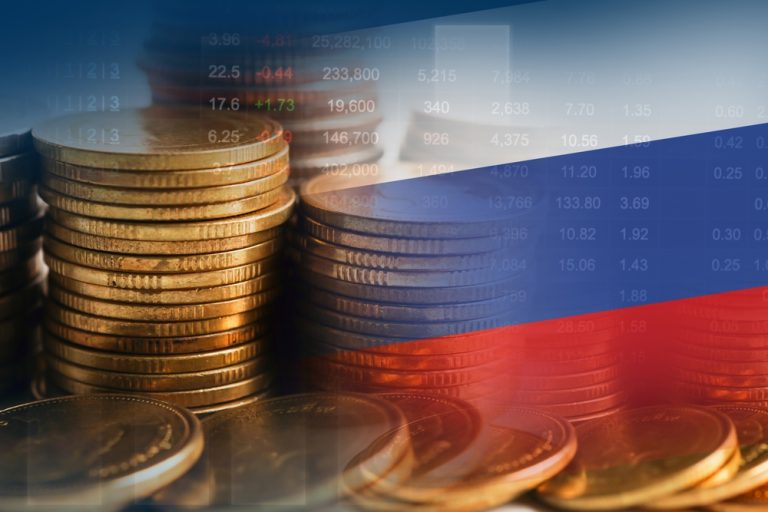
Russia’s Hidden War Financing Poses Economic Threat

Russia’s Shadow Economy Funds Military Spending

Russia is financing its record military spending through a hidden strategy that poses a major risk to its economy, according to a new analysis. Craig Kennedy, a former Morgan Stanley investment banker, described how Russian banks are being forced to provide preferential loans to military-related businesses, artificially sustaining President Vladimir Putin’s war effort in Ukraine.

Kennedy argues that this off-budget financing misleads experts into believing that Russia’s economy can sustain record defense expenditures without major consequences.

Economic Risks and Hidden Costs

Despite tough Western sanctions, Russian state media projects GDP growth of 2.5% in 2025. However, the country is battling:

  • Inflation at 8.9%, worsened by a labor shortage.
  • A record defense budget of $126 billion, making up 32.5% of total government spending for 2025.
  • A skyrocketing key interest rate of 21%, which makes borrowing more expensive.

Kennedy’s analysis warns that Russia’s corporate and banking sectors face a growing risk of collapse due to unsustainable war financing. If Western allies maintain strong financial and military support for Ukraine, they could potentially outlast Russia’s ability to sustain the war.

How Russia is Funding Its War

According to Kennedy, Russia has adopted a dual strategy for war financing:

  1. Traditional defense budget expenditures.
  2. Off-budget financing, enabled by a 2022 law that forces Russian banks to provide low-interest loans to military contractors.

Between 2022 and 2024, corporate debt expanded by 71%, reaching $415 billion (19.4% of GDP)—a figure higher than Russia’s oil and gas revenues and defense budget expenditures combined.

Kennedy’s analysis suggests that Russia’s true war costsfar exceed” official government spending figures.

Warning Signs of a Financial Crisis

By late 2024, Russia’s off-budget defense funding triggered:

  • Spiking inflation, making everyday goods more expensive.
  • Higher borrowing costs, with interest rates surpassing 21% for non-defense sectors.
  • A looming credit crisis, as banks face increasing risks of corporate defaults.

Putin’s forced lending strategy is propping up the war economy, but at a cost. Many military contractors receiving loans have poor credit ratings, creating risks for wider financial instability.

Experts Sound the Alarm

Kennedy describes Russia’s war financing as a “seismically disruptive” threat, warning that a credit crisis could be an immediate concern for Moscow.

For Moscow, credit event risk—with its seismically disruptive potential—will be of far more immediate concern than slow-burn risks like declining GDP,” he said.

The Financial Times echoed these concerns, stating that Putin is sitting on a ticking financial time bomb of his own making.

Will Russia’s Economy Collapse?

Economist Igor Lipsits predicts that Russia’s financial turmoil will intensify in 2025:

  • Fewer goods and services due to high borrowing costs.
  • Higher retail prices, cutting into household incomes.
  • A decline in real wages, worsening economic hardship for Russians.

Meanwhile, Vasily Astrov, an economist at the Vienna Institute for International Economic Studies, suggested that financial risks could be controlled if interest rates remain stable.

However, with 21% interest rates—the highest since the war began—Russia’s financial system remains under immense strain.

What Happens Next?

Putin’s economic strategy may allow Russia to sustain military spending in the short term, but continued inflation, high interest rates, and growing corporate debt suggest the long-term economic outlook is increasingly fragile.

Western allies are likely to intensify economic pressure on Russia by restricting its access to foreign capital. Meanwhile, Ukraine and its supporters will aim to outlast Russia’s war economy, potentially forcing Moscow into deeper economic turmoil.