Home Blog Page 33

Japanese Firms Brace for Tariffs, BOJ Pauses Rate Hikes

Companies cautious amid U.S. trade threats and weak demand

Japanese businesses are showing resilience in the face of U.S. tariffs, but growing concerns about global demand and unpredictable trade policies are prompting caution. According to a quarterly report from the Bank of Japan’s regional managers, companies are delaying capital investment and reevaluating their outlook, even though exports and factory output have yet to show significant declines.

“Many regions saw companies voice concern about slumping demand from rising U.S. sales prices and a slowdown in the global economy,” the central bank stated in its summary. The findings stem from surveys conducted across BOJ’s regional branches and reveal that while the full impact of higher tariffs remains uncertain, the mood is shifting toward caution.

Notably, the summary does not account for U.S. President Donald Trump’s most recent tariff threat: a 25% levy on Japanese goods beginning August 1 unless a trade agreement is reached. These fresh measures are likely to weigh heavily on the BOJ’s upcoming monetary policy meeting on July 30 and 31, where updated forecasts for growth and inflation will be released.

Policy on hold as economic clouds gather

The BOJ had raised its benchmark interest rate to 0.5% in January but has since signaled a pause in further tightening. A mix of factors, including declining exports, fragile consumption, and tariff-related uncertainty, has complicated the outlook. Former board member Makoto Sakurai expects another downgrade to growth forecasts later this month, noting the bank’s cautious stance.

“The BOJ probably wants to raise rates further. But given the difficult economic environment, the earliest the BOJ could resume rate hikes will be March,” he told Reuters. Recent data paints a worrisome picture: Japan’s economy contracted in the first quarter, and exports fell in May for the first time in eight months. These figures are fueling recession fears and tempering any case for monetary tightening in the near term.

Tariffs hit autos, shift in production underway

The 25% tariff on Japanese automobiles—a key export sector—has already triggered adjustments. In Fukuoka, BOJ branch manager Kenji Sakuta reported that some automakers are cutting export prices and relocating production to the U.S. to absorb the higher costs. Still, many firms remain unsure how severely the tariffs will affect their bottom line.

“Companies are vaguely worried about the impact of U.S. tariffs, but not sure about the extent to which they could hurt profits,” Sakuta said. Some businesses still hope that Japan can secure a last-minute trade deal to avoid steep levies, although that optimism may prove unrealistic.

Domestic consumption steady, labor market tight

Despite the tariff headwinds, not all signals are negative. A steady influx of tourists and a tight labor market continue to support consumption, according to Kazuhiro Masaki, BOJ’s Osaka branch manager. These domestic factors offer some cushion, though they are unlikely to offset a major downturn in exports or capital investment.

The outlook on wages remains mixed. While some firms are considering cutting bonuses to protect margins, others see a need to raise wages to attract and retain skilled workers. Wage growth is a critical factor in the BOJ’s rate decision-making process, adding another layer of complexity to the current policy outlook.

With Japan navigating a volatile external environment and internal fragility, most economists do not expect another rate hike this year. A June Reuters poll showed a slight majority predicting no further tightening in 2025 as the BOJ continues to balance growth risks against financial stability.
Bank of Korea Holds Rates, Signals Cut Amid Tariff Fears

Trade tensions and weak demand pressure central bank policy

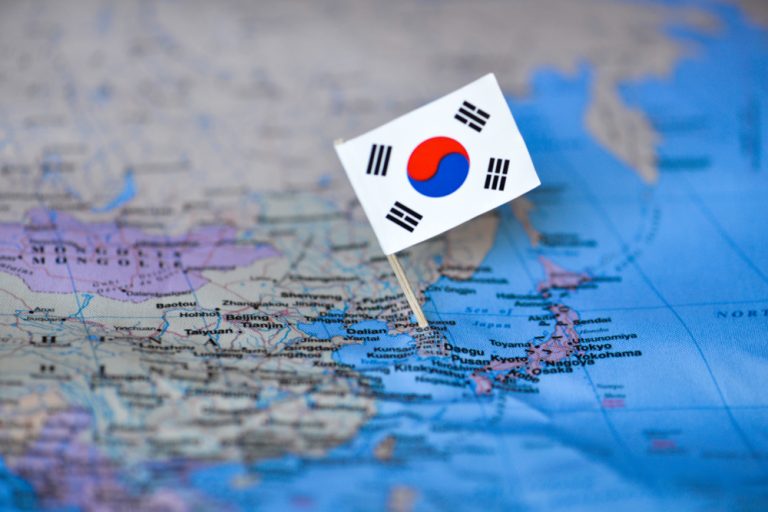
South Korea’s central bank kept its benchmark interest rate unchanged at 2.50% on Thursday, as expected, but signaled a strong likelihood of a rate cut within the next three months. Mounting uncertainty over U.S. tariffs and sluggish domestic demand have intensified expectations that monetary easing will be necessary to support Asia’s fourth-largest economy.

Bank of Korea Governor Rhee Chang-yong stated that four of the seven board members are open to a rate cut before the end of the third quarter, citing “significant uncertainties” tied to ongoing trade negotiations with the United States and weak internal economic momentum.

The remarks triggered a rally in South Korean three-year treasury bond futures, which rose as much as 0.14 points to 107.29. Fixed-income analysts now anticipate at least one more 25-basis-point rate reduction by year-end, adding to the 100 basis points already cut since October.

First-quarter contraction adds urgency

The latest signals come after South Korea posted an unexpected GDP contraction in the first quarter, hurt by export volatility and the broader impact of global trade tensions. The country, known for its heavy reliance on exports, faces fresh headwinds from U.S. President Donald Trump’s escalating tariff campaign, which targets South Korea alongside other key Asian manufacturing hubs like Vietnam, China, and Japan.

Trump’s blanket tariffs—set to take effect August 1—have complicated the central bank’s outlook. Governor Rhee acknowledged that the timing and scale of policy adjustments are uncertain due to the evolving global landscape, including potential spillover effects on domestic manufacturing and export volumes.

Balancing growth with financial stability

While the case for further easing is strengthening, the Bank of Korea remains cautious about rising household debt and inflated real estate prices. Mortgage debt has surged in recent months amid low interest rates, prompting the government to tighten macroprudential policies and impose stricter lending rules.

“If household debt growth stabilises between July and August, a rate cut will be easily possible in August,” said Kiwoom Securities analyst Ahn Yea-ha, who maintained her call for a near-term cut.

Meanwhile, Governor Rhee noted that the board is evaluating the trade-off between short-term economic support and long-term financial risks. “The hand that the BOK holds is clear, but there is uncertainty about when to play the cards,” added Ahn Jae-kyun, an analyst at Shinhan Securities.

Government stimulus and economic outlook

In parallel, President Lee Jae Myung’s administration has adopted a second supplementary budget to provide cash handouts and stimulate domestic demand. Since taking office in early June, Lee has made economic recovery a top priority, particularly as consumers remain cautious and external demand faces shocks from protectionist U.S. trade policies.

Looking forward, the Bank of Korea will rely on upcoming data to assess the pace of recovery and determine when to shift policy. With inflation relatively subdued and global demand under threat, the window for rate relief could open as early as the next policy meeting—especially if trade headwinds worsen.

China’s Producer Prices Slide 3.6%, Deepening Deflation Fears

Consumer rebound fails to offset industrial weakness

China’s producer price index (PPI) fell 3.6% year-over-year in June, the sharpest drop since July 2023 and worse than the 3.2% decline forecasted by analysts. The ongoing deflationary pressure underscores a fragile economic environment marked by sluggish demand and intensifying price wars among manufacturers.

In contrast, the consumer price index (CPI) showed a modest 0.1% gain from a year earlier, marking a return to growth after four months of contraction. Core CPI, which excludes food and energy, rose 0.7%, the highest in over a year, reflecting a partial improvement in household spending patterns.

Price wars and policy dilemmas

The steep drop in producer prices has been attributed to widespread discounting across industries, a phenomenon known in China as “involution” or “neijuan.” The trend has seen companies slash prices to move inventory, despite little improvement in consumer demand. Industrial profits dropped 9.1% in May, the worst performance since October 2023.

President Xi Jinping and senior officials, during a recent high-level economic meeting, criticized the unsustainable nature of excessive discounting and called for tighter regulations. Policymakers urged companies to focus on quality improvement and phasing out outdated production rather than competing solely on price.

Stimulus effects are fading

Economists noted that a modest CPI rebound was partially driven by Beijing’s consumer subsidy programs for appliances and electric vehicles. However, these short-term boosts are unlikely to sustain inflation momentum in the second half of the year, especially amid persistent supply-demand imbalances and overcapacity.

“Without a strong policy stimulus, it’s hard to escape the ongoing deflationary spiral,” said Larry Hu, chief China economist at Macquarie. Zichun Huang of Capital Economics echoed similar concerns, warning that the current deflationary environment is likely to persist unless substantial demand-side support is introduced.

Exports offer limited relief

Despite domestic struggles, China’s exports have remained surprisingly resilient. Shipments rose 4.8% in May and 8.1% in April, driven largely by trade with Southeast Asia. However, economists warn that this export strength could deter Beijing from launching stronger domestic stimulus measures unless export growth falters significantly.

Mainland China’s CSI 300 index rose 0.19% following the data release, reflecting a cautiously optimistic market response. Still, underlying structural issues continue to weigh on China’s economic outlook as deflation risks deepen and policy responses remain limited.

Merck Buys Verona Pharma in $10B Post-Keytruda Push

Deal adds blockbuster potential as Keytruda patent cliff nears

Merck announced Wednesday it will acquire UK-based Verona Pharma for approximately $10 billion, securing access to a newly approved respiratory drug as it braces for the expiration of Keytruda’s key patents starting in 2028. Keytruda, the world’s top-selling cancer drug, generates nearly $30 billion in annual revenue, and its looming patent cliff has prompted Merck to aggressively seek new growth drivers.

This acquisition marks Merck’s largest deal since its $10.8 billion purchase of Prometheus Biosciences in 2023. CEO Rob Davis emphasized that Merck will continue pursuing “science- and value-driven” opportunities, even beyond its preferred $1 billion to $15 billion deal range, as the company navigates a critical transition period.

Ohtuvayre expected to bring multibillion-dollar sales

Verona’s lead asset, Ohtuvayre, recently received regulatory approval as a treatment for chronic obstructive pulmonary disease (COPD), also known as smoker’s lung. Though 2024 sales totaled just $42.3 million, Jefferies projects peak annual revenue could reach $3 billion to $4 billion by the mid-2030s. Merck sees Ohtuvayre as a key pillar in its strategy to mitigate the impact of declining Keytruda sales and softening demand for Gardasil, its HPV vaccine.

Merck will pay $107 per American Depository Share, a 23% premium over Verona’s last Nasdaq close. Shares of Verona soared 20% on the news, while Merck’s stock rose 2.4%, reflecting investor confidence in the deal’s long-term value.

Analysts bullish, but warn more deals needed

Industry experts widely praised the acquisition. “This looks like a complementary therapy with blockbuster potential,” said Kevin Gade of Bahl & Gaynor. BMO’s Evan Seigerman echoed the optimism but cautioned that Merck will need additional deals to ensure revenue stability post-Keytruda. Since 2021, Merck has nearly tripled its late-stage pipeline, thanks to in-house development and high-profile acquisitions like Acceleron and Prometheus.

While Ohtuvayre is unlikely to fully offset the revenue loss from Keytruda on its own, the deal is seen as a strategic step forward in rebuilding Merck’s pipeline. The company expects Ohtuvayre to surpass $400 million in sales in its first full year, with long-term upside ahead.

AT&T to Accelerate Fiber Rollout After Trump Signs New Bill

Company targets 1 million more homes per year from 2026

AT&T announced it will speed up its fiber deployment starting in 2026, aiming to reach an additional 1 million locations annually. The decision comes after the signing of President Trump’s “One Big Beautiful Bill Act,” which includes tax incentives and investment-friendly provisions that the telecom giant says will enhance its long-term infrastructure plans.

The company said it would provide more details on the financial and strategic impact of the bill during its Q2 2025 earnings report, scheduled for July 23. AT&T had already set a goal to cover 60 million locations with fiber by the end of 2030, a target that now looks more achievable thanks to the bill’s supportive measures.

Lumen deal and NetworkCo structure form key part of expansion

A major component of AT&T’s strategy is its pending acquisition of Lumen’s Mass Markets fiber assets, a transaction expected to close in early 2026. This deal includes 4.4 million existing fiber locations and a plan to build to an additional 5.6 million, making Lumen a 10 million-location growth engine for AT&T’s fiber ambitions.

The acquired assets will be housed under a new fully owned subsidiary, currently labeled “NetworkCo.” AT&T plans to sell a stake in this subsidiary, potentially following the model of its existing Gigapower joint venture with BlackRock. This setup could help distribute risk and raise capital for further buildouts.

Policy support aligns with FCC’s Build America Agenda

AT&T’s announcement also comes on the heels of FCC Chairman Brendan Carr’s “Build America Agenda,” unveiled in South Dakota. The agenda prioritizes removing outdated regulations, streamlining permitting processes, and shifting investments away from legacy copper infrastructure toward modern fiber networks.

One of the key proposals is to phase out copper networks — a move that aligns with AT&T’s own objective of retiring most of its copper lines (except in California) by the end of 2029. To support legacy customers during the transition, AT&T has launched “AT&T Phone-Advanced,” a modern alternative that works over fiber and wireless connections.

Pole access reform could unlock faster deployments

Another focus of Carr’s agenda is the FCC’s pole attachment rules. Carr argued that delays in access to utility poles have long hindered large-scale deployments and promised a vote to update those rules later this month. These changes could further ease AT&T’s path to expanding its fiber footprint in hard-to-reach areas.

Novartis Gets Swiss Nod for First Malaria Drug for Babies

Coartem Baby to close treatment gap for Africa’s youngest patients

Novartis announced on Tuesday it has received regulatory approval in Switzerland for Coartem Baby, the first-ever malaria treatment specifically formulated for newborns and very young children. The new drug addresses a long-standing gap in care for infants under 4.5 kilograms, who until now had no approved malaria therapy available.

Co-developed with support from the non-profit Medicines for Malaria Venture (MMV), the formulation is designed to dissolve easily — even in breast milk — and features a cherry flavor to ease administration for babies. Novartis noted that previous treatments were only tested in children six months and older, forcing physicians to adapt adult or child doses for newborns, risking overdoses.

Eight African nations to follow with fast-track approvals

In parallel with the Swiss approval, eight African countries that participated in the regulatory assessment — Burkina Faso, Ivory Coast, Kenya, Malawi, Mozambique, Nigeria, Tanzania, and Uganda — are now expected to issue local approvals quickly. These countries represent some of the hardest-hit regions by malaria, where the lack of tailored treatment options for infants has had deadly consequences.

Each year, approximately 30 million babies are born in malaria-risk zones across Africa. Novartis cited a recent West African survey showing infection rates in infants under six months ranging from 3.4% to 18.4%. Malaria vaccines currently on the market are also not approved for the youngest babies, making pharmaceutical intervention critical.

Affordable rollout, major public health milestone

Coartem Baby, also marketed as Riamet Baby in some regions, will be distributed on a largely not-for-profit basis. The launch reflects Novartis’ long-standing role in malaria treatment innovation, dating back to its release of the original Coartem in 1999. The new infant formulation represents an evolution of that commitment, with dosing calibrated specifically for the body weight and needs of the youngest patients.

“Together with our partners, we are proud to have gone further to develop the first clinically proven malaria treatment for newborns and young babies, ensuring even the smallest and most vulnerable can finally receive the care they deserve,” said Novartis CEO Vas Narasimhan.

India Cracks Down on Derivatives Manipulation

SEBI intensifies surveillance after Jane Street ban

India’s markets regulator is tightening oversight of derivatives trading following allegations of manipulation involving U.S.-based trading firm Jane Street. Securities and Exchange Board of India (SEBI) Chairman Tuhin Kanta Pandey announced on Monday that surveillance efforts are being enhanced to address manipulation risks in one of the world’s most active derivatives markets.

“There may not be many more such cases,” Pandey said, without offering further details.

India leads globally in equity derivatives volume, representing nearly 60% of the 7.3 billion global trades in April, according to the Futures Industry Association. Much of this volume is driven by retail participation, which has prompted SEBI to take steps to curb speculative excesses. These include reducing contract expiries and increasing lot sizes to raise trading costs.

Jane Street barred and fined for index manipulation

On Friday, SEBI took decisive action by banning Jane Street from participating in Indian markets and freezing $567 million of the firm’s assets. The regulator accused Jane Street of manipulating the Bank Nifty index by executing large trades in both the cash and futures markets to artificially support the index during early trading hours.

At the same time, Jane Street allegedly built substantial short positions in Bank Nifty index options, later unwinding its initial trades to benefit from the resulting price movement. SEBI detailed the scheme in a 105-page enforcement order, citing it as a serious violation of market integrity.

Investigation to widen across exchanges

Sources told Reuters that SEBI is preparing to broaden its investigation into Jane Street’s activities across additional indexes and exchanges. The move reflects the regulator’s commitment to maintaining transparency and stability in India’s fast-growing derivatives market.

The crackdown follows a broader regulatory push to ensure that India’s markets remain resilient and trustworthy amid rapid growth. Derivatives trading, while offering liquidity and risk management tools, also opens the door to sophisticated strategies that can distort price discovery when misused.

India’s derivatives boom draws global attention

The Jane Street case has drawn global attention to India’s booming derivatives ecosystem. As international players look to tap into India’s capital markets, SEBI is reinforcing its stance on ethical trading practices and market discipline.

Market observers expect the regulator to implement additional controls and surveillance mechanisms to deter similar behavior and protect investor confidence.

Costco Recalls Tires, AC Units and Power Banks

Bridgestone, Midea and Anker products flagged for safety risks

Costco has issued several product recall notices affecting customers across the U.S., involving Bridgestone tires, Midea air conditioners and Anker power banks. These recalls, posted on the retailer’s website, highlight safety concerns ranging from crash risks to mold growth and battery defects.

Bridgestone Americas announced the recall of certain Blizzak 6 tires, specifically in size 235/40R19, with DOT IDs “1VR100W122224”, “1VR100W122324”, or “1VR100W122424”. The issue stems from the absence of a required Department of Transportation certification symbol. Although the tires meet performance standards, the missing symbol could lead to misuse in unsafe applications.

Manufactured during a brief period in June 2023 and sold as replacement equipment, these tires are eligible for free replacement, including mounting and balancing, at authorized Bridgestone locations and participating dealers.

Midea recalls air conditioners over mold risk

Another recall involves Danby 8,000 BTU U-Shaped Window Air Conditioners sold through Costco’s website between June 2021 and February 2022. Supplier Midea America Corp. said pooled water in the affected units may not drain properly, creating a potential mold hazard. The affected model is DAC080B6IWDB-6.

Impacted customers can either request a repair kit or receive a refund based on their purchase or manufacture date. Costco is also accepting full returns of the units at its warehouses. The larger recall from Midea spans approximately 1.7 million AC units sold through various retailers in the U.S., according to the Consumer Product Safety Commission.

Anker power banks recalled over battery issue

The final notice involves Anker’s Model A1257 Power Bank (10K, 22.5W). According to the company, improved quality assurance processes helped identify a defect in lithium-ion battery cells from a single vendor. This issue could pose a safety risk if the device is used.

Customers should stop using the power bank immediately and request a replacement from Anker. To do so, they must submit a photo of the device with identifying details and confirm its safe disposal. Because of the lithium-ion battery, the power bank must be taken to a certified recycling facility rather than discarded in regular trash.

Recall spans Costco’s growing global network

Costco operates over 620 locations in the U.S. and approximately 280 more worldwide. As of late May, executives projected the company would reach 914 global warehouses by the end of fiscal 2025. With nearly $185.5 billion in net sales and $5.5 billion in income during the first three quarters of the fiscal year, the retailer remains a dominant force in the market.

Customers are encouraged to visit Costco’s official recall page for further instructions and updates related to affected products.

China Services Growth Slows to 9-Month Low in June

Weakened demand and falling export orders drag sector

China’s services sector expanded at its slowest pace in nine months in June, according to the Caixin/S&P Global services PMI, which dropped to 50.6 from 51.1 in May. While still indicating expansion, the reading reflects mounting pressure on businesses amid fragile trade conditions and slowing domestic demand.

This figure aligns with the official government PMI, which slipped slightly to 50.1, highlighting a consistent slowdown across both large state firms and smaller, export-oriented enterprises. Analysts view the Caixin survey as a more accurate reflection of conditions among smaller businesses along China’s export-dependent eastern coast.

“The external environment remains severe and complex,” said Wang Zhe, Senior Economist at Caixin Insight Group. He noted ongoing challenges such as insufficient domestic demand and an uncertain global trade outlook despite a U.S.-China trade truce framework.

Export orders shrink, hiring slows

The services PMI showed notable softening in new orders and exports, with the export sub-index falling at its fastest rate since December 2022. Hiring also declined after showing growth in May, leading to the largest backlog in outstanding business in a year.

Average input costs increased more slowly in June, but intense price competition among service providers led to the steepest drop in output prices in over three years. Companies appear to be slashing prices to retain customers in a weakening demand environment.

Composite PMI rebounds, but outlook cautious

Despite the slowdown in services, China’s broader economic activity saw a modest rebound. The Caixin China General Composite PMI, which includes both services and manufacturing, rose to 51.3 in June from 49.6 in May, returning to expansion territory.

Still, businesses remain cautious. Optimism for future activity was largely unchanged from the previous month, underscoring the sector’s continued uncertainty over growth prospects amid property sector woes, deflationary pressures, and uneven policy support.

Italy Flags U.S., UK, Russia, Switzerland as Risk Exposures

Bank of Italy highlights systemic risk links beyond EU borders

The Bank of Italy announced on Friday that it has designated the United States, United Kingdom, Switzerland, and Russia as key non-EU countries where Italian banks have significant financial exposure. The move comes under European rules aimed at monitoring systemic risks tied to cross-border banking activity.

Using end-of-2024 data, the central bank assessed Italian lenders’ country-level exposures to determine which nations posed potential systemic concerns. The analysis considered each country’s relative weight in the overall foreign exposure of the domestic banking system.

Italy’s largest banks, including Intesa Sanpaolo and UniCredit, maintain operations in Russia despite heightened geopolitical tensions. Intesa serves only corporate clients in the country, while UniCredit owns a full retail banking unit there.

UniCredit also disclosed an increase in its holdings of Russian government bonds through its Russian subsidiary. According to an updated investor document linked to its acquisition bid for Banco BPM, the bond holdings rose to 754 million euros ($888 million) in Q1 2025, up from 574 million euros at the end of 2024. A spokesperson attributed the increase to the revaluation of the Russian rouble.

The inclusion of Russia in the list underscores ongoing financial ties, even as European institutions remain cautious amid sanctions and political uncertainty. Meanwhile, the presence of Western economies such as the U.S., U.K., and Switzerland reflects the depth of Italian banks’ exposure to key global financial systems.