Home Blog Page 32

FDA Recalls 70,000 Deodorant Cases Over Manufacturing Issues

Recall Initiated Voluntarily by A.P. Deauville

The Food and Drug Administration (FDA) has announced the recall of nearly 70,000 cases of deodorant products distributed across the United States due to potential manufacturing concerns. The recall was voluntarily initiated by A.P. Deauville, LLC, a Pennsylvania-based company, approximately one week ago. The recall has not yet received a formal classification indicating its level of health risk.

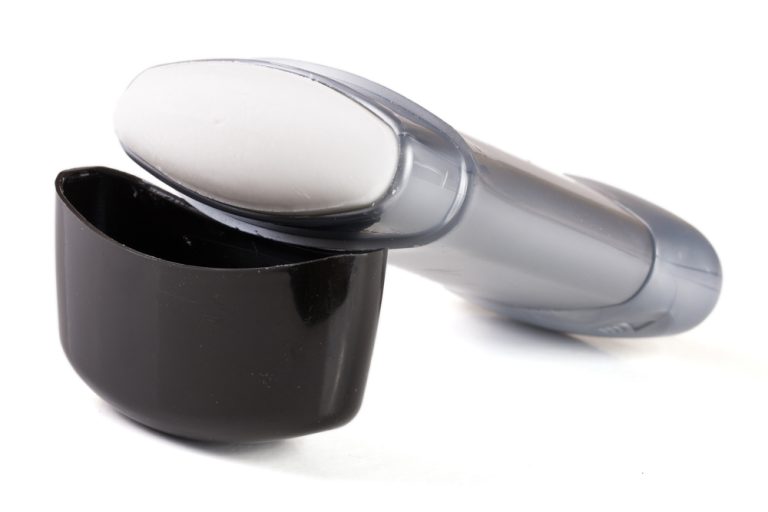
The affected deodorants are all part of the “Power Stick” product line and include multiple scent variations. The FDA cited “cGMP deviations” as the cause, which refers to departures from the FDA’s Current Good Manufacturing Practices. These deviations can occur at any stage in the manufacturing process, but no further specifics were disclosed in the agency’s announcement.

Details of Recalled Products

Three product variants were included in the recall, with lot numbers and distribution quantities provided by the FDA:

  • Power Stick for Her Roll-On Antiperspirant Deodorant Powder Fresh
    Size: 1.8 oz (53 mL)
    UPC: 815195019313
    NDC #: 42913-038-00
    Affected Lots: 032026B011, 032226B031, 051626C241, 061526C882, 071226D371, 071226D381, 082526E341, 082826E402
    Cases Recalled: 21,265
  • Power Stick Invisible Protection Roll-On Antiperspirant Deodorant Spring Fresh
    Size: 1.8 oz (53 mL)
    UPC: 815195018194
    NDC #: 42913-039-00
    Affected Lots: 031726A991, 041226B561, 062026C901, 062026C911, 071026D351, 071026D361, 071326D391, 111626G231
    Cases Recalled: 22,482
  • Power Stick Original Nourishing Invisible Protection Roll-On Antiperspirant Deodorant
    Size: 1.8 oz (53 mL)
    UPC: 815195018224
    NDC #: 42913-040-00
    Affected Lots: 101225D781, 032926B281, 032826B221, 041126B531, 062226D011, 070626D301, 070626D333, 111026G051, 111326G091, 111626G221
    Cases Recalled: 23,467

No Reported Injuries or Health Issues

So far, the FDA has not received reports of adverse health effects linked to the recalled products. However, the agency urges consumers who have purchased items matching the specified details to stop using them immediately and to follow recall instructions provided by the manufacturer.

The recall is still under evaluation, and consumers are encouraged to monitor the FDA website for any updates regarding classification or additional guidance.
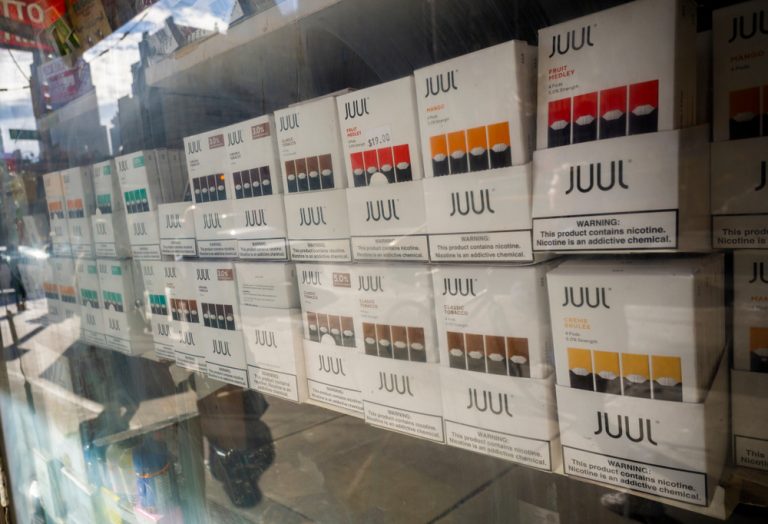

FDA Authorizes Juul E-Cigarettes for U.S. Market

Regulatory Review Ends With Limited Product Approval

Juul Labs has received authorization from the Food and Drug Administration (FDA) to continue selling its e-cigarette devices and refill pods in the United States. The approved products include tobacco- and menthol-flavored options. This long-awaited decision concludes a multiyear regulatory review that placed the company’s operations in limbo.

According to Juul’s announcement, the FDA found that the products are “appropriate for the protection of public health,” a key legal threshold required for the marketing of new tobacco products in the country. However, the FDA clarified that this authorization does not mean the products are entirely safe or officially “FDA approved.” Rather, Juul was able to demonstrate that its e-cigarettes offer a potential benefit to adult smokers seeking alternatives to traditional cigarettes.

Health Risks and Consumer Impact Weighed

The FDA emphasized that its evaluation considered risks and benefits to the broader U.S. population. Juul submitted data showing that a significant number of adults have switched from cigarettes to its tobacco-free but nicotine-containing products. Despite nicotine’s addictive properties and the health concerns associated with vaping chemicals, the agency determined the products’ overall impact justified market approval.

This decision comes after the FDA’s 2022 attempt to ban Juul products due to concerns about harmful chemicals potentially leaching from the company’s proprietary pods. That order was reversed within two weeks, and in June 2024, the FDA officially rescinded the ban, keeping Juul’s application under review until now.

Controversy and Criticism Resurface

The FDA’s move has drawn criticism from public health advocates. Yolonda Richardson, CEO of the Campaign for Tobacco-Free Kids, called the decision “a big step in the wrong direction.” She argued that Juul’s past marketing tactics contributed to a surge in youth vaping and warned that menthol-flavored pods still appeal to younger consumers.

Juul has faced lawsuits and regulatory scrutiny over allegations that its early advertising targeted teens. In 2021, the company settled a case in North Carolina for $40 million without admitting wrongdoing. Although teen e-cigarette use has declined, over 1.6 million middle and high school students still reported usage as of 2024.

Political and Market Context

The decision also comes amid expectations that the Trump administration will take a more permissive stance toward vaping. President Trump previously posted that he would “save vaping,” a comment reportedly influenced by meetings with industry lobbyists. Juul’s CEO, K.C. Crosthwaite, expressed support for FDA oversight and called for a stable regulatory environment for nicotine products.

Juul maintains that its mission is to offer a smoke-free alternative to adult smokers. While critics remain skeptical, Thursday’s FDA authorization allows the company to continue serving a large share of the U.S. vaping market under tightened regulation and scrutiny.

U.S. Wholesale Prices Flat in June Despite Tariff Fears

Producer price index shows no monthly increase

Wholesale inflation remained unchanged in June, offering mixed signals about the broader economic impact of President Donald Trump’s tariff policies. According to the Bureau of Labor Statistics, the producer price index (PPI) showed no month-over-month change, falling short of economists’ expectations for a 0.2% increase.

The core PPI, which excludes food and energy, was also flat in June. Analysts had similarly predicted a 0.2% rise. These figures arrive one day after the consumer price index showed modest inflation, raising questions about the near-term effects of tariffs on the economy.

Goods inflation rises while services decline

While headline and core wholesale prices remained static, certain categories experienced notable movement. Prices for final demand goods rose by 0.3%, including a 0.8% increase in tariff-sensitive communication equipment. However, this gain was counterbalanced by a 0.1% decline in services.

Additionally, core goods prices registered a 0.3% increase. The BLS revised May’s PPI from an initial 0.1% gain to 0.3%, the strongest monthly rise for goods since February. Despite these fluctuations, the overall PPI points to restrained inflation pressure in wholesale markets.

Annual inflation trends and market reaction

On a yearly basis, headline PPI rose 2.3% in June, down from 2.7% in May. This marks the lowest annual rate since September 2024. Core PPI increased 2.6% year over year, the smallest rise since July 2024. These subdued annual figures contrast with the consumer price index, which recorded a 2.7% annual increase and a monthly rise of 0.3%.

Following the release, U.S. stock futures climbed while Treasury yields fell. The data suggests that while inflation remains above the Federal Reserve’s 2% target, price pressures have not intensified significantly, even amid trade disruptions and tariffs.

Fed response and economic outlook

Despite Trump’s renewed calls for interest rate cuts, markets see little chance of a move when the Fed meets at the end of July. Fed officials remain cautious, noting that the U.S. economy is strong enough to withstand the current inflation landscape and that the full impact of tariffs has yet to materialize.

Energy prices rose 0.6% in June, while food prices climbed 0.2%. Within the food sector, egg prices plunged 21.8%, contributing to the overall soft inflation profile. These figures reflect a complex picture: modest price gains in key areas but no broad inflation surge, even as trade policies remain in flux.

Scale AI Cuts 200 Jobs Weeks After Meta Investment

Restructuring Follows Rapid Expansion and Leadership Change

Just weeks after Meta poured $14.3 billion into Scale AI and hired its founder Alexandr Wang, the artificial intelligence startup is laying off 200 full-time employees, or roughly 14% of its workforce. The announcement was made by interim CEO Jason Droege, who took over leadership following Wang’s departure to lead Meta’s AI division. In a company-wide memo, Droege admitted the firm had expanded its generative AI operations too quickly and accumulated unnecessary bureaucracy.

The cuts come as Scale AI attempts to streamline its data labeling business and reorient its focus on application-specific AI services. Despite the layoffs, Droege emphasized that the company remains well-funded and plans to increase hiring in the second half of the year across enterprise, public sector, and international divisions.

Strategic Shift to Regain Momentum and Clients

Founded in 2016, Scale AI has been instrumental in helping major tech players such as OpenAI, Google, and Microsoft prepare data used to train their AI models. However, relationships with some of these clients have recently cooled. OpenAI has reportedly scaled back its use of Scale AI’s services over the past year, and Google is said to be ending its partnership following the firm’s high-profile deal with Meta.

In total, the company had 1,400 employees globally before the layoffs. In addition to the job cuts, Scale AI will also terminate contracts with 500 external contractors. Company spokesperson Joe Osborne stated that affected employees would receive severance, and that the restructuring would allow the firm to deliver faster, higher-quality data services for its generative AI clients.

Meta’s AI Bet and Wang’s New Role

Meta’s recent investment in Scale AI and hiring of Wang reflect the tech giant’s aggressive push to dominate the artificial intelligence race. Wang is now serving as Meta’s chief AI officer, leading the newly formed Meta Superintelligence Labs. A small number of Scale AI employees have reportedly joined Meta alongside him.

With Meta competing fiercely against companies like OpenAI and Google, its strategy includes investing in foundational AI tools and top talent. Wang’s appointment signals Meta’s ambition to build industry-defining AI systems under a centralized leadership model.

What’s Next for Scale AI?

Scale AI’s new leadership is focused on adapting to evolving customer needs and market dynamics. The company plans to reinvest in growing business units that serve enterprises and government agencies. This shift is aimed at reducing reliance on large tech clients and repositioning Scale AI as a more agile, application-driven AI provider.

In the memo, Droege expressed gratitude to the outgoing employees and reaffirmed the company’s long-term vision. While the layoffs mark a significant internal shift, Scale AI appears poised to evolve its business model amid the increasingly competitive and high-stakes AI landscape.

China’s Growth Tops Forecast Despite Trade War Pressures

Exports Drive Q2 Gains Amid U.S. Tariff Headwinds

China’s economy grew faster than expected in the second quarter, with gross domestic product rising 5.2% year-over-year, beating the 5.1% forecast from analysts. The National Bureau of Statistics attributed the growth to expanding exports and a recent trade truce with the United States. The first-half GDP now stands at 5.3%, giving China a slim cushion in its pursuit of the government’s “around 5%” annual target.

Chinese officials cited complex international dynamics and domestic challenges, including a weakening property sector, youth unemployment, and sluggish consumer spending. Despite headwinds, export diversification — especially to Southeast Asia — helped drive growth, even as shipments to the U.S. dropped sharply.

Export Recovery and Rare Earth Surge

June exports rose 5.8% year-over-year, aided by a temporary trade truce that allowed Chinese firms to reroute goods through ASEAN nations, particularly Vietnam. Exports to ASEAN jumped over 18%, while shipments to the U.S. fell 16.1%. Month-on-month, U.S.-bound exports surged 32% following the Geneva agreement that temporarily eased triple-digit tariffs.

Notably, exports of rare earth materials soared 32%, reflecting China’s move to unlock critical mineral flows after a separate deal with Washington in London. Imports also rose 1.1%, their first monthly increase since February, signaling tentative recovery in inbound demand.

Domestic Struggles and Deflationary Pressures

Despite positive export momentum, domestic indicators remain fragile. Retail sales slowed to 4.8% in June, down from 6.4% in May. Industrial output improved to 6.8%, but investment in the property sector plummeted 11.2% in the first half, reflecting continued housing market distress.

Deflationary concerns persist, with the Producer Price Index dropping 3.6% in June — the steepest fall in nearly two years. Consumer inflation remained flat at just 0.1%, lifted temporarily by government subsidies. Analysts warn that price wars and overcapacity are eroding profits, and prolonged deflation could hamper consumer confidence and investment.

New Jobs Plan to Ease Youth Unemployment

In response to economic and social pressure, China’s State Council rolled out new employment measures, targeting the country’s elevated youth jobless rate. While the official urban unemployment rate was 5% in June, the rate among 16 to 24-year-olds remained high at 14.9%.

Beijing announced subsidies of up to 1,500 yuan for companies that hire unemployed youth and pay full insurance for at least three months. Additional support includes personalized job matching, career guidance, and vocational training, as authorities attempt to address structural labor market imbalances

JPMorgan’s Dimon Defends Fed Independence Amid Trump Tensions

Warning Against Political Interference

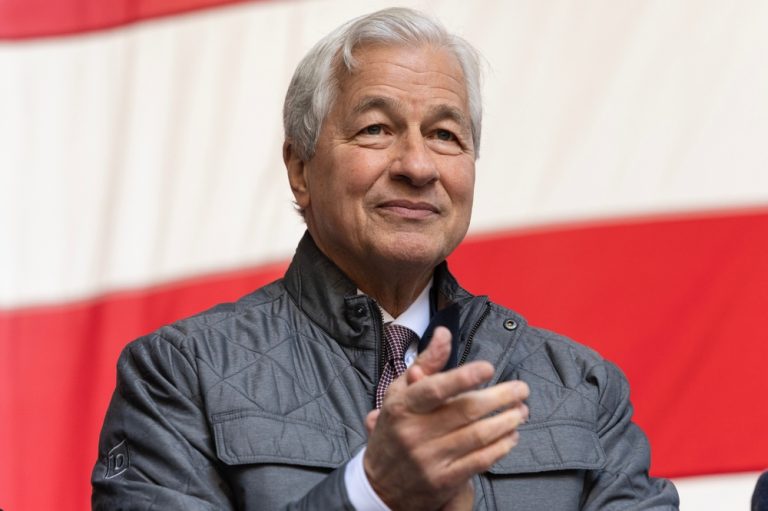
JPMorgan Chase CEO Jamie Dimon stressed the importance of Federal Reserve independence during a call with reporters, warning that political interference could have dangerous economic consequences. His comments follow recent criticism by President Donald Trump directed at Fed Chair Jerome Powell.

Dimon emphasized that the Fed’s autonomy is essential for the health of the financial system. “The independence of the Fed is absolutely critical, and not just for the current Fed chairman, who I respect, but for the next Fed chairman,” he stated. Dimon’s remarks come amid growing concerns over Trump’s public criticism of Powell, who has faced pressure over interest rate policy.

Dimon Highlights Risk of Political Pressure

While Trump has denied any intention to remove Powell, his rhetoric has raised alarms across financial circles. Dimon cautioned that “playing around with the Fed can often have adverse consequences,” and warned that undermining the central bank’s credibility could backfire economically. He noted that independent monetary policy is essential to ensure market stability and long-term economic health.

The JPMorgan chief’s comments echo those of other financial leaders who have voiced concerns about increasing political pressure on the Federal Reserve. Investors closely monitor Fed signals for guidance on inflation, interest rates, and broader economic trends. Any perception of political influence risks unsettling financial markets.

Fed Policy in the Spotlight

The debate over Fed independence comes as the central bank navigates a complicated economic landscape, balancing inflation management with the risk of economic slowdown. The Trump administration’s aggressive tariff strategy has added complexity, with ripple effects felt across multiple sectors and increased scrutiny on the Fed’s monetary policy response.

Dimon, a long-standing figure in the financial industry, has been a vocal advocate for institutional stability. His endorsement of Powell — despite the political noise — signals strong Wall Street support for the Fed’s efforts to maintain credibility and consistency in policy.

Broader Implications for Financial Governance

With elections approaching and economic uncertainty looming, the role of central banks is again under the microscope. Analysts note that any perception of a compromised Fed could erode investor confidence, affect inflation expectations, and impact the dollar’s global standing. Dimon’s remarks underscore the high stakes involved.

As Trump continues to challenge Powell’s leadership, Dimon’s call for restraint may reflect broader concerns in the banking sector about preserving the integrity of U.S. financial institutions during politically charged times.

Fed Renovation Costs Spark Trump Criticism, Powell Probe

Powell Requests Inspector General Review of $2.5B Project

Federal Reserve Chair Jerome Powell has formally asked the central bank’s independent inspector general to review the escalating cost of renovating its Washington headquarters. The move comes as the Trump administration intensifies its criticism of the project, now estimated at $2.5 billion — roughly $700 million over budget.

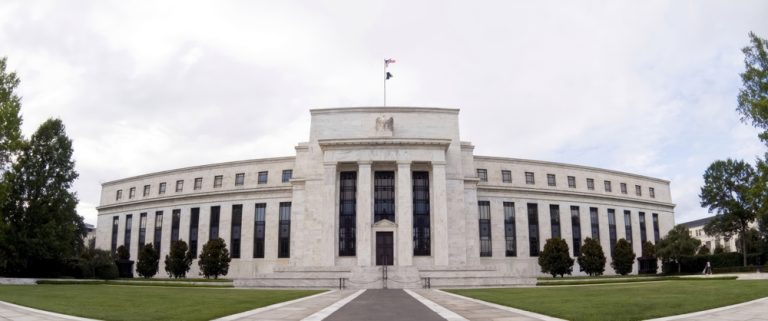
The renovation, approved by the Fed’s Board in 2017, covers two historic buildings: the Marriner S. Eccles building and a neighboring property on Constitution Avenue. The cost overrun and reported design features have triggered accusations of excessive spending from Trump officials, who say the upgrades may violate local building regulations. Powell’s request follows a letter from budget advisor Russ Vought, who called the overhaul “ostentatious” and potentially out of compliance with planning rules.

Political Pressure Grows Over Fed Independence

The Fed’s renovation costs have become a focal point for broader criticism from the Trump administration, which has repeatedly clashed with Powell over interest rate policy. Trump has urged rate cuts to reduce government borrowing costs and boost markets, while Powell and his colleagues have remained cautious, citing uncertainty around tariff impacts and inflation.

Although the president cannot legally remove the Fed chair over policy disagreements, Vought’s letter may be a signal that Trump allies are trying to build a case for dismissal “for cause.” The Fed’s governing law only permits removal under conditions such as misconduct or neglect of duty — none of which have been substantiated. Powell’s current term runs through May 2026, and he has stated his intent to serve it in full.

Disputed Claims and Cost Justifications

Allegations of luxury amenities — including VIP dining rooms, private elevators, and rooftop terraces — have been publicly refuted by Powell. During a recent Senate hearing, the Fed chair said the renovation included no such features. The Fed’s website FAQs further explain that what was described as a “garden terrace” is in fact a ground-level lawn atop a parking structure, intended for stormwater management and building efficiency.

The central bank also cited inflation-driven increases in construction costs, unexpected asbestos removal, and compliance with Washington’s height restrictions as reasons for the budget growth. Because the Fed operates independently of congressional appropriations and is funded through interest on its bond portfolio and fees from banks, the renovation does not draw directly from taxpayer funds.

Fed Remains Under Political Fire

Trump’s criticism of Powell has intensified alongside his broader trade and monetary agenda. On Monday, the president again called Powell “terrible,” repeating previous attacks on the chair’s refusal to cut rates more aggressively. Powell has defended the Fed’s position, saying more evidence is needed on how Trump’s tariff policies will affect inflation and economic growth.

Despite political pressure, analysts remain confident that Powell will complete his term. According to Krishna Guha of Evercore ISI, “Absent revelations of related misconduct by the Fed chair — for which there is zero evidence to date — we are 100% confident Powell will not resign.”

New Trump Tariffs Could Raise Costs on Key Imports

30% Tariffs Target Mexico and the European Union

President Donald Trump has escalated his trade offensive by proposing new 30% tariffs on goods imported from the European Union and Mexico. Unless trade deals are reached or other mitigating measures are taken, the levies are scheduled to take effect on August 1. The White House claims the tariffs are meant to pressure foreign exporters who depend heavily on the U.S. market. However, economic realities suggest that American consumers and businesses may end up shouldering much of the cost.

Trump’s existing tariffs, including 10% and 25% duties on Canadian and Mexican goods not covered by the United States-Mexico-Canada Agreement, have yet to cause sharp inflation. But economists point out that importers pay tariffs upfront and often pass those costs down the supply chain. If the new 30% tariffs go into effect, prices for everything from produce to electronics could see noticeable increases.

Produce and Agriculture at Risk

One of the most immediate impacts will be on fresh produce. A critical tomato-specific trade agreement between the U.S. and Mexico has expired, and tomato prices are already projected to rise. In 2023, the U.S. imported $46 billion in agricultural products from Mexico, including $8.3 billion in fresh vegetables and $9 billion in fruits. Avocados alone accounted for $3.1 billion of that total.

These products could become significantly more expensive for American consumers, especially if the full 30% tariff is applied. Seasonal availability, import reliance, and consumer demand could amplify the effect on grocery store prices.

Medical Equipment and Electronics in the Crosshairs

Beyond agriculture, several high-value sectors are in the line of fire. The U.S. imported $16 billion worth of medical equipment and surgical supplies from the European Union last year. These include devices critical to hospitals and clinics nationwide. With tariffs rising, healthcare providers may see their costs increase — potentially affecting insurance rates and patient bills.

In the electronics sector, Mexico has become the leading foreign source for U.S. imports. Last year, Mexico shipped $49 billion worth of computers, $20 billion in electrical equipment, and $13 billion in audio and video devices. With the supply chain still adjusting to prior tariffs on China, these new duties could further disrupt pricing and availability for a range of electronics used by consumers and businesses alike.

Alcohol Prices May Be Next to Spike

Both Mexico and the EU exported more than $11 billion worth of alcoholic beverages to the U.S. last year. The 30% tariffs could drive up costs for beer, wine, and spirits. Moreover, the EU has warned that it could retaliate by increasing taxes on American alcohol exports, creating a feedback loop that could hurt U.S. distillers and winemakers.

Industry groups such as the Distilled Spirits Council have voiced concern, warning that higher tariffs will not only reduce imports but also harm domestic producers that rely on stable trade relations. Brands like Constellation, Brown-Forman, and Bacardi may face ripple effects that impact pricing, production, and profitability.

Walmart Recalls 850,000 Water Bottles Over Injury Risk

Ozark Trail Bottles Pose Serious Safety Hazard

Walmart has issued a nationwide recall of approximately 850,000 stainless steel water bottles due to a dangerous defect that can cause the lid to eject forcefully, potentially injuring users. The affected product is the “Ozark Trail 64 oz Stainless Steel Insulated Water Bottle,” sold in Walmart stores across the United States since 2017.

According to the U.S. Consumer Product Safety Commission (CPSC), the bottles present “serious impact and laceration hazards.” The risk occurs when perishable liquids such as juice or milk, or carbonated beverages, are stored inside the bottle. Over time, pressure can build up, causing the lid to release suddenly and with significant force when opened.

Injuries Reported, Including Vision Loss

As of the recall announcement, Walmart has received three reports of injuries linked to the defective bottles. Two consumers suffered permanent vision loss after being struck in the eye by the ejecting lid. A third individual was also injured after being hit in the face.

The CPSC emphasizes that the bottles should not be used under any circumstances and urges consumers to stop using them immediately. Customers can return the item to any Walmart location or contact the retailer directly to receive a full refund.

Identifying the Recalled Product

The recalled bottles are identified by model number 83-662. While this number is not printed directly on the bottle, it appears on the product’s packaging. The bottle features a silver stainless steel base and a black, one-piece screw-top lid. It also displays the Ozark Trail logo on the side of the 64-ounce container.

Walmart, in coordination with the CPSC and the product manufacturer, has removed the affected bottles from store shelves and is working to notify consumers. “The health and safety of our customers is always a top priority,” Walmart said in a statement. The company added that it has fully cooperated with authorities throughout the recall process.

Consumer Action and Safety Reminder

Consumers who have purchased the recalled Ozark Trail bottles are strongly advised to stop using them and seek a refund through Walmart’s customer service channels or in-store return. No proof of purchase is required. The recall highlights the potential risks associated with improperly sealed beverage containers, especially when used for carbonated or perishable liquids.

This incident serves as a reminder for both consumers and manufacturers to closely monitor product performance and safety, especially with items designed for daily use and food storage. Regulatory oversight, combined with swift corporate response, remains essential in mitigating risk and protecting public health.

Cereal Sales Slide as Ferrero Buys WK Kellogg

Long-Term Decline Continues Despite Pandemic Bump

Cold cereal sales in the United States have been on a steady decline for over 25 years, and the trend is again in focus as Italian confectioner Ferrero Group prepares to acquire WK Kellogg, the maker of Corn Flakes, Froot Loops, and Rice Krispies. According to Nielsen IQ, Americans purchased 2.1 billion boxes of cereal in the 52 weeks ending July 3, 2025 — a 13% drop from the same period in 2021.

The pandemic offered a brief revival, with more people working from home and having time for traditional breakfasts. But the shift proved temporary, and cereal’s decline resumed. Experts cite a mix of changing consumer habits, health concerns, and growing competition from more convenient breakfast options such as bars, shakes, and yogurt.

Changing Preferences and Nutritional Backlash

Cereal’s fall from breakfast staple to pantry afterthought stems in part from shifting nutritional standards. Many consumers now seek whole, minimally processed foods with clean ingredient lists. Cereals that contain artificial dyes and added sugars, such as Lucky Charms or Froot Loops, face increasing scrutiny. For example, a single cup of Lucky Charms delivers 24% of the recommended daily sugar intake.

In response to public pressure and health advocacy, Kellogg and General Mills have pledged to remove artificial dyes from their products. However, the challenge remains: cereal, as it is manufactured and processed, doesn’t align with modern perceptions of natural foods.

Younger Consumers Redefining Breakfast

Younger generations are fundamentally reshaping breakfast habits. According to research from YouGov, Generation Z is less likely to eat a formal breakfast but still purchases ready-to-eat cereal — often consuming it as a snack or at nontraditional mealtimes. Gen Z is also more likely to include vegetables and other unconventional items in their morning meals, a sign of changing dietary norms.

Tom Rees of Euromonitor suggests the cereal market will need to fragment to meet these evolving demands. Rather than creating one-size-fits-all products, brands may have to cater to distinct consumer groups — from spicy-sweet flavor seekers to Keto-focused health enthusiasts. Some niche players, like Magic Spoon and Poop Like a Champion, are already capitalizing on these trends with high-protein or high-fiber offerings.

Corporate Shakeups and Future Strategies

The cereal industry’s struggles prompted the Kellogg Company to split in 2023. Kellanova took control of its snack brands and international cereals, while WK Kellogg retained the U.S., Canada, and Caribbean cereal business. Now, Ferrero’s planned acquisition of WK Kellogg represents another major shift. While the deal does not signal the end of cereal aisles in supermarkets, it does reflect the urgency to reinvent legacy brands.

Food analysts see potential in product innovation and repositioning. Levi Strauss’s Red Tab strategy finds a parallel in Kellogg’s Mashups, which combine two popular cereals into a single product — a tactic that may resonate with younger consumers. Mintel’s Julia Mills suggests cereal could thrive as a sophisticated topping or functional health food, rather than a traditional meal.

Despite these headwinds, major brands are adapting. General Mills, which once considered acquiring Magic Spoon, has launched its own high-protein Cheerios line, now outselling its niche rival. CEO Jeffrey Harmening emphasized the importance of “giving consumers more of what they want” as the guiding principle for long-term success.

Cereal’s decline is rooted in decades of changing tastes, health awareness, and competition. However, with new ownership, innovative products, and a clearer understanding of diverse consumer needs, legacy cereal brands like WK Kellogg may yet find new life. Ferrero’s acquisition could mark the beginning of a more segmented, adaptive future for the breakfast staple.