Home Blog Page 29

Nationwide handsoap recall over bacteria risk

Contamination prompts urgent safety warning

DermaRite Industries, a North Bergen, New Jersey-based manufacturer, has issued a voluntary recall of certain handsoap products after internal testing revealed contamination with the bacteria Burkholderia cepacia (B. cepacia). The U.S. Department of Agriculture’s Food Safety and Inspection Service reported the findings in an August safety notice. While the bacteria generally pose little threat to healthy individuals, they can cause serious and potentially fatal infections in people with weakened immune systems.

The company stated that the contaminated soap may be used by patients with underlying health conditions or by healthcare providers and caregivers attending to them. In healthy individuals, exposure through cuts may result in localized infections, whereas in immunocompromised people, the bacteria can spread to the bloodstream, triggering life-threatening sepsis.

Distribution and scope of the recall

The recalled handsoap was distributed across the United States and Puerto Rico, though the U.S. Food and Drug Administration did not specify which retailers carried the affected products. As of August 8, DermaRite reported no confirmed cases of illness linked to the contamination. However, authorities are urging anyone who has purchased the soap to stop using it immediately and to follow safe disposal procedures.

The recall notice emphasizes that individuals who have used the affected products should monitor for signs of infection and contact a healthcare provider if they develop symptoms potentially related to B. cepacia exposure.

Understanding B. cepacia and its risks

According to the U.S. Centers for Disease Control and Prevention, B. cepacia is generally harmless to healthy people. However, it can pose severe risks to those with compromised immune systems, particularly individuals with chronic lung diseases such as cystic fibrosis. In vulnerable patients, the bacteria can lead to pneumonia, bloodstream infections, and other complications.

Health officials recommend heightened vigilance among hospitals, nursing facilities, and home caregivers to ensure the recalled soap is removed from circulation. Preventing exposure in high-risk settings is critical to minimizing potential outbreaks.


Credit Card Debt Climbs to $1.21 Trillion in Q2

Balances Rise Amid Persistent Delinquencies

U.S. credit card balances increased by $27 billion in the second quarter of 2025, reaching $1.21 trillion, according to the Federal Reserve Bank of New York. This marks a 2.3% rise from the previous quarter and keeps totals near last year’s all-time high. The report also noted elevated delinquency rates, with 6.93% of balances transitioning to delinquency over the past year. Researchers attributed this partly to post-pandemic normalization after years of leniency, as well as households stretching budgets in response to inflation.

Credit card debt had been stable for decades, but pandemic-era savings have largely been depleted, and higher living costs have driven a rebound in balances. The New York Fed cautioned that while the trend reflects “a little bit of catch up,” ongoing strain among certain borrowers warrants attention.

Subprime Borrowers Face Mounting Pressure

Equifax data show a widening divide in consumer financial health. While many cardholders continue spending despite higher prices and borrowing costs, subprime borrowers — those with credit scores of 600 or lower — are increasingly struggling. These borrowers, often younger with shorter credit histories, now hold a growing share of total credit card debt and are more vulnerable to repayment difficulties, especially following the resumption of federal student loan collections.

Matt Schulz, chief credit analyst at LendingTree, warned that “many Americans are just a job loss, income reduction, or medical emergency away from real financial trouble.” This underscores the fragility of household finances despite overall economic resilience.

Financial Resilience and the Rewards Divide

On the other side of the spectrum, 54% of cardholders typically pay their balances in full each month, avoiding interest charges entirely, according to Bankrate. Senior industry analyst Ted Rossman noted that while these balances are counted in total debt figures, they differ from the burdens faced by the 46% carrying high-interest debt.

Rossman calculated that with annual percentage rates just over 20%, making only minimum payments on the average $6,371 balance would take more than 18 years to repay, costing over $9,200 in interest. This highlights the stark contrast between using credit cards for rewards and convenience versus carrying long-term debt.

Outlook for 2025

The combination of rising balances, persistent delinquencies, and pressure on subprime borrowers suggests that credit card debt will remain a focal point for economic watchers. While a majority of consumers appear to be managing their credit effectively, the growing “K-shaped” split in financial stability could become a risk factor if economic conditions deteriorate.

Canada’s Labour Market Weakens as 40,800 Jobs Lost

Job Losses Concentrated Among Youth

Canada’s labour market shed a net 40,800 jobs in July, with the unemployment rate holding steady at 6.9%, according to Statistics Canada. The decline was driven primarily by losses in full-time positions and disproportionately affected workers aged 15 to 24. Youth employment fell 0.7 percentage points to 53.6%, the lowest since late 1998 outside the pandemic years, while the youth unemployment rate climbed to 14.6%, its highest since 2010.

Unemployment among young men rose to 16.2% and among young women to 12.8%, continuing a two-year upward trend. Statistics Canada noted that while overall job numbers have barely changed since January, young workers face particularly challenging conditions.

Economists See Rate Cut Potential

Markets had expected a gain of 15,000 jobs and a slight rise in unemployment to 7%, according to CIBC Economics. Instead, CIBC economist Andrew Grantham said the weaker-than-expected figures “support our call of a 25-basis-point interest rate reduction” at the Bank of Canada’s September 17 meeting. However, he noted that upcoming inflation and August labour data could alter that outlook.

BMO chief economist Douglas Porter called the July report “unambiguously weak” but pointed to the volatility of monthly data. Looking at June and July together, employment averaged a gain of 21,000 jobs per month, with the unemployment rate unchanged at 6.9%. Porter said this serves as a “counterweight” to June’s unexpected 83,000-job surge, though further inflation easing would be needed to strengthen the case for a September cut.

Regional and Sector Trends

The participation rate slipped by 0.2 percentage points to 65.2% in July, indicating fewer people working or actively seeking work. Alberta lost 17,000 jobs and British Columbia shed 16,000, while Saskatchewan gained 3,500. Other provinces saw little change. Sector data showed stability in manufacturing but declines in information, culture, recreation, and construction.

Indeed Canada senior economist Brendon Bernard said the report’s details point to longer-term structural trends rather than a sharp tariff-related shock. Weak hiring, not layoffs, was identified as the main drag, with job seekers on the margins of the market struggling to find positions. Still, 96% of employed Canadians reported confidence in their job outlook.

Outlook Remains Cautious

While core-aged workers saw steady employment, the persistence of high youth unemployment is a concern for policymakers. Economists expect the Bank of Canada to weigh this softening in the labour market against inflation trends when determining its next policy move. For now, the data suggest an economy with modest excess capacity, facing both regional disparities and demographic challenges in employment growth.

Bank of England Cuts Rates Despite High Inflation

Split Decision Reflects Uncertainty on Inflation Trends

The Bank of England has reduced interest rates once again, even as inflation remains well above its 2% target. The decision, made by the central bank’s nine-member Monetary Policy Committee, was unusually close and required a second vote to reach a majority. Bank governor Andrew Bailey now faces scrutiny over the rationale behind cutting rates amid persistent inflationary pressures.

The Bank’s outlook suggests that medium-term inflation risks have diminished slightly due to a cooling labor market. A decline in job vacancies and a rise in unemployment have led policymakers to believe that wage-driven inflation is weakening. Still, key figures within the Bank, including deputy governor Clare Lombardelli and chief economist Huw Pill, voted against the cut, preferring to maintain current rates for now.

Food Inflation and Future Rate Cut Uncertainty

Despite the latest rate reduction, inflation indicators—particularly food prices—remain elevated and are expected to rise further in the coming months. Governor Bailey acknowledged growing uncertainty about the pace of future rate cuts. While the market previously anticipated quarterly reductions continuing into next year, the path ahead may now be less predictable.

This marks the fifth rate cut in the past year, yet it has failed to produce a significant economic boost. Concerns persist that inflation has not been fully contained, casting doubt over the timing of any further monetary easing. A decision on the next potential rate change is expected in November, though policymakers have expressed caution given the current data.

Muted Growth Despite Looser Policy

Although monetary policy has been loosening, economic growth remains subdued. The Bank of England estimates second quarter GDP growth at just 0.1%, with a modest rise to 0.3% projected in the third quarter. This slight improvement is attributed in part to a new UK-U.S. trade agreement, which is expected to support the country’s struggling export sector.

A significant drag on recovery has been weak consumer spending, despite real wage growth. Household confidence remains fragile, with savings rates still at double-digit levels—an echo of the pandemic period. High interest rates in previous quarters and a generally pessimistic outlook from government have contributed to reduced consumer activity.

Structural Pressures and Policy Impacts

The Bank also noted structural factors contributing to inflationary pressures. Government measures such as the increase in employer National Insurance contributions and the rising national living wage are influencing wage dynamics and cost structures across industries. These developments complicate efforts to bring inflation down through rate adjustments alone.

While monetary easing may provide some relief, the Bank is cautious in its forecasts. If consumers begin to draw down savings and resume typical spending behavior, economic momentum could improve in the coming quarters. Until then, uncertainty around inflation and fiscal policy will continue to weigh on the central bank’s decisions.

CDC: Ultra-Processed Foods Dominate U.S. Diets

New Report Highlights High Intake Among Children

Ultra-processed foods make up the majority of daily calories consumed by American children and a significant share for adults, according to a new report from the Centers for Disease Control and Prevention (CDC). The study, released Thursday, found that 62% of calories in children’s and teens’ diets come from ultra-processed foods, compared to 53% for adults. These are the first official estimates from the CDC quantifying the role of such foods in the U.S. diet.

The findings come amid growing concern from public health officials about the health effects of diets high in ultra-processed foods. Health and Human Services Secretary Robert F. Kennedy Jr. has listed these products among key contributors to what he described as an epidemic of chronic diseases in children. The data was collected from the National Health and Nutrition Examination Survey between August 2021 and August 2023.

Sandwiches, Snacks and Sugary Drinks Top the List

The report identified sandwiches—including burgers, hot dogs, and peanut butter and jelly—as the leading source of ultra-processed food consumption for both children and adults. Other top categories included baked goods, salty snacks and sugary beverages. The analysis used the NOVA classification system, a widely accepted framework developed by Brazilian researchers, to categorize food by level of industrial processing.

Adults with higher incomes tended to consume fewer ultra-processed foods, suggesting a socioeconomic dimension to dietary choices. The CDC also noted a slight downward trend in ultra-processed food intake from 2017 to 2023, though the change was modest. For adults, the decline dates back to 2013, but amounted to just 56 fewer calories over roughly a decade.

Policy Shifts and Calls for Regulation

In response to rising concern, the Department of Health and Human Services has initiated efforts to define what qualifies as “ultra-processed.” Experts believe this definition could eventually influence regulations, including eligibility criteria for food assistance programs. The Food and Drug Administration, during the Biden administration, also proposed new front-of-package labels to highlight high levels of saturated fat, salt and added sugars.

Past policy initiatives have focused primarily on individual ingredients rather than on the level of food processing. Researchers like Susan Mayne, former director of the FDA’s food safety division, noted that not all ultra-processed foods carry equal health risks. Some items, such as certain yogurts and whole grain cereals, may even be associated with reduced risk of chronic diseases. Mayne emphasized the importance of refining the definition to distinguish between harmful and non-harmful products.

Marketing and Cultural Factors Drive Consumption

Experts say widespread consumption is partly driven by the convenience of ultra-processed foods, especially for busy families. Marion Nestle, professor emerita of nutrition at New York University, pointed to aggressive marketing strategies that target children directly. These products are often portrayed as fun or aspirational, making them more appealing to younger audiences.

Nestle argued that marketing has trained children to prefer ultra-processed options, which are among the most profitable items for food companies. She expressed hope that future regulations would address not only labeling but also advertising practices, particularly those aimed at children.

McDonald’s Earnings Beat Expectations on Menu Promotions

Value Deals Help Reverse U.S. Sales Declines

McDonald’s reported stronger-than-expected earnings and revenue for the second quarter, as successful marketing campaigns and new menu items helped lift performance. The fast-food giant posted adjusted earnings of $3.19 per share, topping the $3.15 estimate, and revenue reached $6.84 billion, exceeding forecasts of $6.7 billion.

Net income rose to $2.25 billion, or $3.14 per share, from $2.02 billion, or $2.80 per share, in the same quarter last year. CEO Chris Kempczinski credited growth to promotional efforts like the $5 meal deal, the Daily Double burger, and a tie-in with the “Minecraft” movie. U.S. same-store sales rose 2.5%, rebounding from two quarters of decline.

Low-Income Consumer Remains a Concern

Despite the positive quarter, McDonald’s executives expressed caution about consumer trends. Kempczinski emphasized that reengaging low-income customers is vital, as they frequent McDonald’s more than other demographics. These consumers have reduced restaurant visits significantly compared to last year, posing a challenge for the brand.

In response, McDonald’s is working with U.S. franchisees to explore new strategies that enhance affordability across its core offerings. Executives hope these efforts, combined with strong brand recognition, will help maintain momentum in a bifurcated market landscape.

Promotional Items and Global Gains Drive Sales

Menu innovations contributed to sales improvements. The McCrispy Chicken Strips and the return of Snack Wraps after a nine-year hiatus provided a timely boost. Franchisees voted to keep the $2.99 Snack Wrap promotional pricing through year-end due to positive customer feedback.

Same-store sales globally rose 3.8%, the chain’s best performance in nearly two years. The international operated markets division reported 4% growth, with strong results in the UK, Canada, and Australia. Meanwhile, the international developmental licensed markets segment, including China and Japan, achieved 5.6% growth.

Looking Ahead to a Stronger Second Half

Executives forecast better performance in the latter half of the year, pointing to easier comparisons following last year’s food safety incident and stronger promotional traction. McDonald’s also noted that global affordability and value scores have improved, positioning the chain favorably in multiple regions.

Shares climbed over 2% in morning trading following the earnings release, signaling investor confidence in the company’s strategy and future outlook.

Super Micro Shares Slide 20% After Missed Forecasts

Tariffs and Capital Constraints Hit Quarterly Results

Super Micro Computer shares fell sharply on Wednesday, dropping 20% after the company missed analyst expectations for its fiscal fourth-quarter earnings. Revenue came in at $5.76 billion, short of the projected $5.89 billion, while adjusted earnings per share reached just 41 cents, below the expected 44 cents.

Executives attributed the weaker results in part to headwinds caused by new U.S. tariffs imposed under President Donald Trump’s latest trade actions. CFO David Weigand said the company is “actively monitoring the tariff environment” and expects further developments in the coming week. CEO Charles Liang added that Super Micro has taken steps to reduce the impact of the shifting policy landscape.

Client Delays and Working Capital Issues Add Pressure

Beyond the tariff impact, Super Micro cited a shortfall in June revenue caused by a lack of working capital and changes in order specifications from a key new customer. Liang acknowledged the unexpected disruption during the earnings call and pointed to these factors as temporary hurdles.

The company, which has been riding the wave of increased demand for AI-focused servers, including those featuring Nvidia chips, now appears to be facing a slowdown. The once-surging growth in server demand has tapered off, affecting overall revenue momentum.

Weak Guidance Shakes Investor Confidence

Super Micro’s forward-looking guidance further rattled investors. The company expects adjusted earnings of 40 to 52 cents per share on revenue of $6 billion to $7 billion for the fiscal first quarter. Analysts had forecast 59 cents per share and $6.6 billion in revenue, making the outlook a notable disappointment.

Full-year guidance also came in below earlier projections. The company now anticipates at least $33 billion in revenue for the year, down from the $40 billion upper limit forecasted in February. While the new figure still exceeds the LSEG consensus estimate of $29.94 billion, the revision highlights management’s more cautious outlook.

Outlook Clouded by External Pressures

The combination of supply chain challenges, uncertain tariff conditions, and slowed customer ramp-up has cast a shadow over Super Micro’s near-term performance. Investors will be closely watching for updates on trade policy and how the company adapts to sustain momentum in its AI server business.

Despite strong long-term demand fundamentals for AI infrastructure, short-term volatility remains a significant concern for both shareholders and analysts.

Delta’s AI Flight Pricing Raises Privacy Concerns

AI Technology Takes Off in Airline Pricing

Delta Air Lines is turning to artificial intelligence to refine its flight pricing strategy, using generative AI developed by Fetcherr to set fares on select domestic routes. Currently applied to about 3% of flights, Delta aims to expand this approach to 20% of its network by the end of the year. The system, still undergoing testing, is designed to optimize pricing based on real-time market conditions and historical data.

Fetcherr, an Israeli tech firm recognized at the World Travel Tech Awards, claims its platform helps airlines maximize revenue and personalize offers. Alongside Delta, it also works with other carriers including Virgin Atlantic and WestJet.

Lawmakers Sound the Alarm on Surveillance Pricing

Delta’s AI-driven pricing model has sparked criticism from U.S. lawmakers, who warn it could cross into unethical territory. Senators Ruben Gallego, Mark Warner, and Richard Blumenthal sent a letter to Delta’s CEO expressing concerns about potential data privacy violations and individualized pricing that targets passengers based on their perceived willingness to pay.

The letter likened the system to surge pricing used by ride-share companies and highlighted fears that personal data such as web browsing behavior or financial status could be used to inflate ticket prices. The lawmakers emphasized the risks of opaque AI practices, especially if they allow airlines to exploit emotionally vulnerable passengers or manipulate fares without transparency.

Delta Denies Use of Personal Data in Pricing

In response to the backlash, Delta insisted that its pricing system does not incorporate any individual customer data. The airline stated that all fare decisions are guided by standard market forces and that it remains compliant with regulatory frameworks around pricing disclosures. Delta reiterated its position in a follow-up letter to the senators, stating that personal data plays no role in the company’s dynamic fare model.

Delta’s representatives emphasized that the AI tool enhances revenue management without violating consumer privacy norms, pointing to the airline industry’s long-standing reliance on dynamic pricing systems.

Consumers May Still Have the Final Say

Travel experts suggest that public perception and market behavior could influence how far AI pricing spreads. Katy Nastro, spokesperson for travel deal platform Going, noted that if customers find Delta’s prices too steep or opaque, they may shift to other carriers. This competitive pressure could ultimately lead to fare adjustments or discounts to retain travelers.

The broader concern, however, centers on transparency. Critics argue that without clear information about how AI fares are calculated, consumer trust may erode, especially when deployed by premium carriers like Delta. As AI tools evolve and take on more significant roles in pricing strategies, the balance between innovation, fairness, and privacy will remain under scrutiny.

Gates Foundation Commits $2.5B to Women’s Health

Major Investment Targets Research Gaps

The Bill & Melinda Gates Foundation announced a $2.5 billion commitment over the next five years to accelerate research in women’s health. The funding, which includes several multi-million dollar grants for Boston-area institutions, aims to address the longstanding underinvestment in conditions primarily affecting women, such as maternal health, STIs, and preeclampsia.

This initiative represents one of the largest cumulative investments in women’s health R&D to date, but experts caution that far more is needed to truly close the gender research gap.

Boston Institutions Among Key Beneficiaries

Hospitals, universities, and biotech startups across the Boston region are receiving significant backing from the Gates Foundation as federal research funding contracts under policy shifts from the Trump administration. Agencies like the National Institutes of Health and National Science Foundation have scaled back, leaving a gap the foundation now seeks to partially fill.

Among the recipients:

  • Tufts University: Funding will go toward maternal nutrition programs.
  • Fenway Health: Backed for data collection and STI advocacy efforts.
  • Harvard University: Several schools will use the funds to advance studies on vaginal microbiomes, preeclampsia, and contraceptive technology.

Comanche Biotech Secures $3 Million for Preeclampsia Research

Comanche, a biopharma startup based in Concord, previously supported by the foundation, received a new $3 million grant. The funds will help continue development of RNA-based therapies targeting pre-term preeclampsia and support expansion of its research internationally. Rasa Izadnegahdar, director of maternal, newborn, child nutrition and health at the foundation, confirmed the investment aligns with broader efforts to boost innovation in neglected women’s health areas.

Comanche CEO Scott Johnson noted the company plans to leverage the funding to scale its efforts globally, furthering its mission to bring solutions to underserved populations.

Experts Say More Support Still Needed

Despite the magnitude of the Gates Foundation’s initiative, stakeholders emphasize the need for broader investment. Izadnegahdar acknowledged that while this is the largest concentrated push in women’s health R&D to date, the overall funding ecosystem remains insufficient.

“I don’t think it even starts to scratch the surface,” he said. The sentiment echoes growing concerns that meaningful progress in gender-based health equity will require consistent, systemic support across public and private sectors.

Palantir Eyes Oracle’s Throne in AI Boom

Wedbush Sees Massive Upside for PLTR

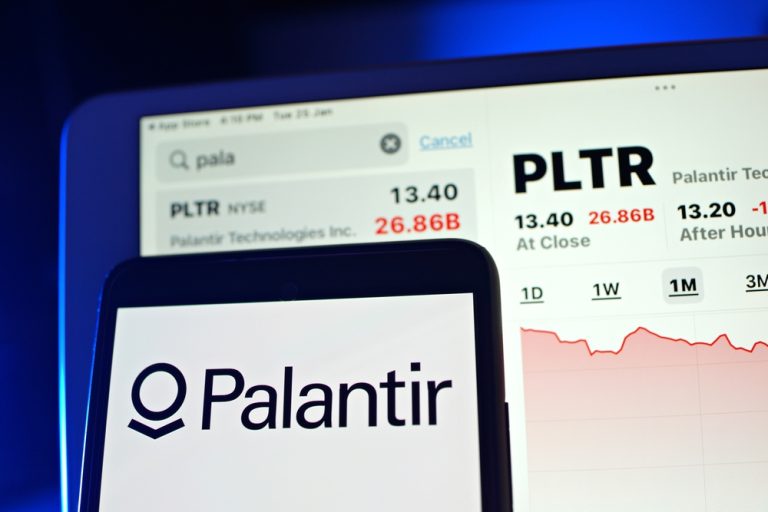
Palantir Technologies has earned a top spot among the best-performing AI stocks of 2025. With growing momentum in artificial intelligence adoption, Wedbush recently raised its price target for Palantir from $140 to $160, maintaining an Outperform rating. The firm highlighted Palantir’s trajectory as a potential successor to Oracle, driven by its enterprise-grade AI solutions and expanding customer base.

Palantir’s AI Platform (AIP) is gaining significant traction across industries. Companies are actively adopting its modular technology stack to power use cases ranging from predictive maintenance to national security. According to Wedbush, demand is surging, with clients lining up to access new features and integrations.

AI Platform Becomes Foundational Tech

Wedbush analysts view Palantir’s AI platform as a foundational layer for organizations embracing artificial intelligence. Its ability to integrate, analyze, and deploy insights across massive datasets positions it as a critical tool in the ongoing AI race. Analysts believe this will enable the company to generate more than $1 billion in annual revenue through its U.S. commercial business alone.

This outlook is fueled by Palantir’s dominance in both public and private sectors. The company, known for its deep government roots, has transitioned to becoming a central player in enterprise AI transformations, with applications in defense, healthcare, energy, and finance.

Positioned for the AI Spending Surge

With trillions expected to be spent globally on AI infrastructure and applications over the next decade, Palantir is well-positioned to capture a sizable share of that growth. Its proactive investment in scalable, modular AI tools and a proven track record in high-security environments give it a competitive edge.

Wedbush’s bullish projection underscores market confidence in Palantir’s long-term roadmap and revenue potential, especially as enterprises increase spending on AI-powered data solutions.

Looking Beyond PLTR

Despite Palantir’s strong position, some investors may seek AI stocks with lower valuations and greater near-term upside. Opportunities still exist in less-publicized companies poised to benefit from trends like Trump-era tariffs and the broader onshoring of tech manufacturing. For those looking for alternative plays in the AI space, short-term opportunities in under-the-radar stocks could offer compelling risk-reward profiles.