Home Blog Page 27

Samsung Launches Affordable Galaxy Tab S10 Lite

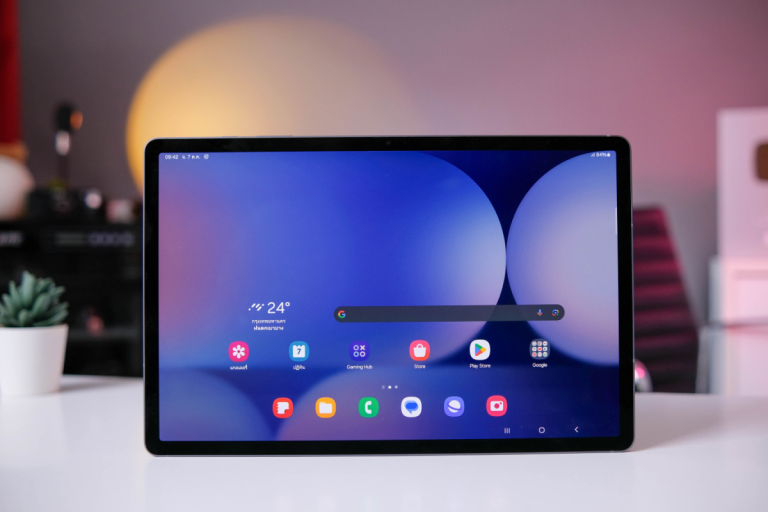
Samsung Electronics has officially unveiled the Galaxy Tab S10 Lite, a new tablet designed to balance performance, creativity, and affordability. Featuring a large 10.9-inch display, bundled S Pen, and long-lasting battery, the device aims to provide users with a versatile tool for entertainment, productivity, and creative expression. The launch marks Samsung’s effort to expand access to premium features in an everyday budget-friendly device.

Immersive Display and Strong Performance

The Galaxy Tab S10 Lite boasts a 10.9-inch screen equipped with Vision Booster technology and up to 600 nits of peak brightness, ensuring clear visuals indoors and outdoors. Reduced blue-light emission supports comfortable extended viewing. Under the hood, an upgraded processor and enhanced memory allow smooth multitasking, whether streaming, researching, or switching between apps. An 8,000mAh battery with Super-Fast Charging ensures reliable power for long study sessions or entertainment on the go.

Tools for Creativity and Productivity

Samsung has equipped the Galaxy Tab S10 Lite with an in-box S Pen for precise note-taking, sketching, and document editing. Intelligent Features like Handwriting Help and Solve Math on Samsung Notes streamline everyday tasks, while PDF annotation and Split View multitasking boost efficiency. The tablet also introduces Galaxy AI-powered tools such as Circle to Search with Google and the Galaxy AI Key, providing real-time assistance for research, translation, and brainstorming.

Wide App Ecosystem and Exclusive Benefits

Beyond Samsung’s native tools, the Galaxy Tab S10 Lite supports a wide range of third-party applications. Preloaded and partner apps include Goodnotes, Clip Studio Paint, LumaFusion, and Notion, catering to both creative and professional workflows. Samsung is offering promotional benefits such as a 1-year free Goodnotes subscription, a 6-month trial of Clip Studio Paint with a subscription discount, and reduced pricing on LumaFusion, making it easier for users to explore and adopt new tools.

Design and Availability

Available in Gray, Silver, and Coralred, the Galaxy Tab S10 Lite combines sleek aesthetics with functional versatility. The tablet will be released on September 5, with availability through Samsung’s website and official retailers. Positioned as a reliable and cost-effective companion, it underscores Samsung’s commitment to bringing practical innovation to more users worldwide.

The Galaxy Tab S10 Lite represents Samsung’s effort to make premium tablet features more accessible. With its immersive display, powerful battery, integrated S Pen, and broad app ecosystem, the device is tailored for students, creators, and everyday users seeking productivity and entertainment in one streamlined package.

Walmart Warns of Rising Tariff Costs

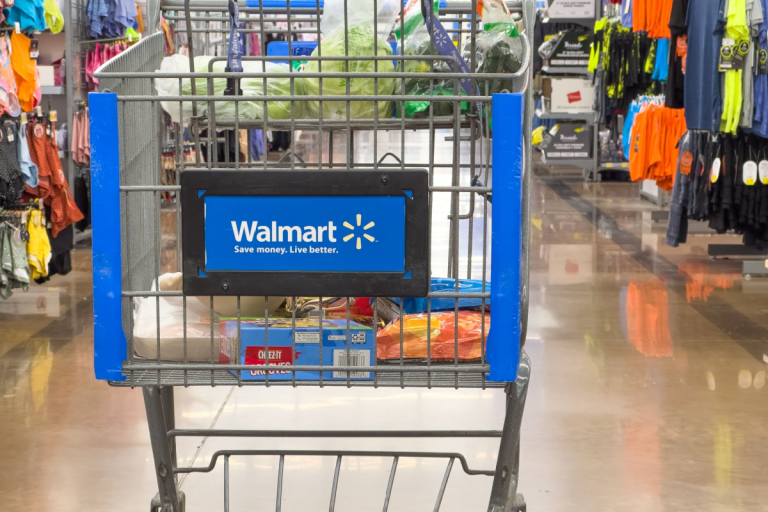
Walmart says it has been able to manage tariff-related expenses so far, but those costs are increasing weekly and are expected to persist through the end of the year. The world’s largest retailer, along with competitors like Home Depot and Target, faces mounting pressure from the Trump administration’s broad tariffs on imports, which are reshaping consumer behavior and pricing strategies across the retail sector.

Tariffs Driving Higher Costs

Walmart CEO Doug McMillon reported that costs have steadily risen each week and will continue climbing in the coming quarters. While the company has raised prices on some items, it has kept prices steady or even lower on others, including back-to-school products. Still, the tariffs on virtually all imports are creating unavoidable cost pressures for retailers. McMillon noted that, so far, customer reactions have been muted due to the gradual rollout of tariff impacts.

Impact on Shoppers

Walmart continues to attract more higher-income shoppers searching for value, while middle- and lower-income customers have become selective, sometimes switching products or skipping purchases. Despite these shifts, McMillon said shopping behavior has not dramatically changed. U.S. sales for Walmart rose 4.6% in the latest quarter, indicating continued consumer demand even as tariffs shape the retail environment.

Competitor Challenges

Home Depot and Lowe’s have also reported challenges from rising tariffs. Home Depot’s U.S. sales grew 1.4% in the most recent quarter, with customers focusing on smaller projects while delaying larger renovations due to economic uncertainty. CEO Ted Decker emphasized that broader economic concerns outweigh individual pricing issues. Lowe’s described the current environment as “uncharted waters,” while discount retailer TJX said it had stockpiled extra inventory to stay prepared.

Economic Context

President Trump’s executive order imposing tariffs was signed in April, but the staggered rollout allowed retailers to manage some of the impact by stockpiling goods and adjusting supply chains. However, with tariff rates now significantly higher, retailers are being forced to increase prices selectively. Analysts warn that as tariffs become more fully embedded into the system, cost pressures will continue to affect both businesses and consumers.

Conclusion

Walmart and other major retailers are navigating a complex balance: absorbing tariff costs while limiting price increases to retain shoppers. As the full effects of tariffs take hold, rising costs and economic uncertainty could weigh more heavily on consumer behavior, leaving retailers in a delicate position heading into the year’s final quarters.

Plague Case Reported in South Lake Tahoe

A resident of South Lake Tahoe, California, has tested positive for the plague, according to local health officials. The individual, who is now recovering at home under medical supervision, is believed to have been infected after being bitten by an infected flea while camping in the region. The case highlights the continued presence of plague in parts of California, particularly in mountainous areas where wild rodents are common.

Details of the Case

El Dorado County’s public health department confirmed the diagnosis after being notified by the California Department of Public Health (CDPH). Investigators believe the resident contracted the disease in the South Lake Tahoe area, a popular recreation spot. While rare, human cases of plague can occur when fleas transmit the bacterium Yersinia pestis from infected rodents such as squirrels, chipmunks, or other wildlife.

Risk and Prevention

Authorities emphasized that plague is naturally present in several high-elevation areas of California. Kyle Fliflet, acting director of public health in El Dorado County, urged residents and visitors to take precautions, particularly when hiking, camping, or walking in areas where wild rodents live. Officials advised avoiding contact with rodent burrows and preventing pets from approaching them, as dogs and cats can bring infected fleas into homes.

Understanding the Disease

Plague is rare but potentially serious if untreated. Symptoms typically appear within two weeks of exposure and include fever, nausea, weakness, and swollen lymph nodes. Early diagnosis and treatment with antibiotics are usually effective. According to the CDC, the United States sees an average of seven human plague cases per year, most in western states.

Recent Surveillance and History

Monitoring efforts by CDPH found 41 rodents exposed to plague between 2021 and 2024 in El Dorado County. In 2025 alone, four rodents have tested positive within the Tahoe Basin. The region has faced human cases before, including one in 2020 linked to South Lake Tahoe and two cases in 2015 associated with Yosemite National Park. In 2021, several Lake Tahoe sites were temporarily closed after plague was detected in chipmunks. Colorado also reported a human case in 2024.

While human cases of plague remain extremely rare, this recent infection serves as a reminder of the risks in areas where the bacterium is naturally present. Health officials stress the importance of preventive measures for both people and pets to reduce exposure. Continued surveillance and awareness are key to managing the presence of plague in California’s wilderness regions.

Brazil Police Accuse Bolsonaro of Obstructing Justice

Brazilian police have accused former President Jair Bolsonaro and his son Eduardo of obstructing justice in connection with an ongoing trial over the alleged coup attempt following the 2022 presidential election. The accusations, detailed in a 170-page police report, come less than two weeks before the final phase of the trial, further increasing the pressure on the former leader.

Alleged Coup and Asylum Plans

Jair Bolsonaro, 70, is accused of leading an attempted coup after losing the 2022 election to Luiz Inácio Lula da Silva. Police say they found a draft letter on his mobile phone requesting political asylum in Argentina, addressed to President Javier Milei. The draft, last modified in February 2024, allegedly shows his intent to evade trial. Bolsonaro has publicly denied ever considering leaving Brazil and insists that the charges against him are politically motivated.

Eduardo Bolsonaro’s Role

The report also implicates Eduardo Bolsonaro, 41, accusing him of lobbying the Trump administration on his father’s behalf. According to police, these efforts contributed to the U.S. imposing punitive tariffs of 50% on Brazilian imports in July. Additionally, the U.S. State Department banned eight Brazilian Supreme Court justices, including Alexandre de Moraes, from entering the country. Eduardo, currently in the U.S., denied the allegations and stated his actions were intended to promote “individual freedoms” rather than influence judicial proceedings.

Political Fallout

Judge Alexandre de Moraes, who is overseeing the coup trial, has given Jair Bolsonaro’s legal team 48 hours to explain the alleged asylum draft. Bolsonaro is currently under house arrest, prohibited from using social media and from contacting Eduardo due to prior violations of court restrictions. The new allegations deepen the political crisis surrounding the former president, who continues to claim he is the target of a “witch hunt” designed to block his potential 2026 candidacy.

With the coup trial nearing its final phase, the obstruction of justice accusations and the discovery of an asylum request draft add to the mounting legal and political troubles facing Jair Bolsonaro. The outcome of the proceedings will not only determine his political future but also test Brazil’s democratic institutions under heightened domestic and international scrutiny.

FDA Approves Signos Glucose Monitor for Weight Loss

The U.S. Food and Drug Administration has approved the first glucose monitoring system designed specifically for weight loss, developed by the startup Signos. The system combines artificial intelligence with continuous glucose monitoring (CGM) technology to provide personalized lifestyle recommendations, offering a new option for Americans beyond existing treatments such as GLP-1 drugs and bariatric surgery.

A New Alternative to Traditional Treatments

Current weight loss options, including medications like Novo Nordisk’s Wegovy and Eli Lilly’s Zepbound or surgical interventions, are typically limited to patients with obesity or higher body mass index (BMI). These treatments are often difficult to access due to high costs, limited insurance coverage, and supply shortages. In contrast, the Signos system is available to any patient regardless of weight, making it accessible for those seeking to lose a few pounds or manage more significant weight loss goals.

How the Signos System Works

Signos uses Dexcom’s off-the-shelf CGMs, which are small sensors worn on the upper arm to track glucose levels in real time. The data is transmitted to the Signos app, where patients can log meals, exercise, and other lifestyle details. The AI platform analyzes this information to deliver tailored insights and behavioral recommendations. This approach helps patients understand how specific foods and activities affect their bodies, supporting sustainable weight management.

Pricing and Accessibility

Customers can purchase a Signos membership through three-month or six-month plans, costing $139 and $129 per month respectively. The company supplies all the necessary CGMs for the chosen plan duration. While insurers currently do not cover the system for weight management, the price is significantly lower than the roughly $1,000 monthly cost of GLP-1 drugs in the U.S. Signos is working with insurers and employers to expand coverage in the future, aiming to broaden accessibility.

Impact on Public Health

The obesity epidemic in the U.S. costs more than $170 billion annually, with nearly 74% of Americans classified as overweight or obese. Signos’ co-founder and CEO Sharam Fouladgar-Mercer emphasized that the system is designed to assist people at any stage of their weight loss journey. The platform can also be used alongside GLP-1 treatments or bariatric surgery, as well as after discontinuing such therapies, to help patients maintain progress. With FDA approval, Signos has scaled up its CGM inventory and software infrastructure to accommodate growing demand.

The FDA’s approval of Signos’ AI-driven glucose monitoring system marks a significant step forward in weight management solutions. By combining accessible technology with personalized data insights, the system provides a cost-effective, scalable alternative to expensive medications and invasive procedures, with the potential to make a meaningful impact on the U.S. obesity crisis.

Sony Raises PlayStation 5 Prices in the U.S.

Sony has announced a $50 price increase for all PlayStation 5 models in the United States, citing the ongoing “challenging economic environment” and tariffs imposed on imported goods by President Donald Trump’s administration. The move comes after similar adjustments in international markets earlier this year and mirrors strategies by other major gaming companies facing higher production and import costs.

New PS5 Pricing

The updated prices will take effect on Thursday. The standard PlayStation 5 will now retail at $549.99, while the PlayStation 5 Digital Edition will cost $499.99. The newly launched PlayStation 5 Pro will be priced at $749.99. Sony confirmed that the prices of accessories, such as controllers and headsets, will remain unchanged.

Global Price Adjustments

This U.S. hike follows increases already implemented in the UK, Europe, Australia, and New Zealand earlier in the year. In May, Sony had signaled the possibility of raising hardware prices to offset the financial impact of tariffs on imports. The latest announcement confirms the company’s strategy of adjusting retail prices across multiple markets to stabilize margins amid rising costs.

Industry-Wide Trends

Sony’s decision reflects a broader industry trend. Microsoft has raised the price of Xbox hardware and accessories, with the Xbox Series X Digital Edition now priced at $549.99. Nintendo has also adjusted pricing, recently increasing the cost of the original Switch and its accessories ahead of the anticipated launch of the Switch 2. These collective moves show how tariffs and global economic pressures are reshaping the video game hardware market.

The PlayStation 5’s price increase highlights the ongoing challenges faced by console makers in balancing consumer demand with rising economic pressures. As tariffs continue to affect production costs, gamers can expect higher prices across platforms, underscoring a shifting landscape for the global gaming industry.

Home Depot Warns of Modest Tariff Price Increases

Home Depot, the largest home improvement retailer in the United States, announced it will raise prices on some products due to higher tariffs on imported goods. The move marks a shift in the company’s public stance, as it had previously avoided directly linking tariffs to pricing decisions. Executives stressed that the increases will be limited to certain categories and not applied across the board.

Impact of Tariffs on Pricing

Chief Financial Officer Richard McPhail confirmed that tariffs imposed by the Trump administration are significantly higher today compared to the prior quarter. As a result, Home Depot expects “modest price movement in some categories,” though the company emphasized the changes will not be widespread. Just three months ago, Home Depot stated it would not speculate on pricing but acknowledged tariffs could affect product availability in the future.

The retailer sources just under half of its inventory from foreign suppliers and has been working to diversify its supply chain so that no single country accounts for more than 10% of its goods.

Financial Results and Consumer Behavior

For the most recent quarter, Home Depot reported a 5% increase in sales compared to last year. However, net income dipped 0.2% due to higher operating expenses. The company projects its full-year earnings per share will fall by 2%, citing economic uncertainty and high interest rates as the main reasons consumers are delaying large-scale renovation projects.

CEO Ted Decker noted that persistently high mortgage rates, hovering near 7%, have contributed to customer hesitation. “The number one reason for deferring the large project is general economic uncertainty,” he said, adding that this factor outweighs concerns about material costs or labor availability.

Outlook for Home Improvement Demand

Despite short-term challenges, executives remain optimistic about long-term demand. McPhail emphasized that customers and professional contractors are delaying—not canceling—major projects. “Home improvement demand persists. And so our job is to position ourselves to be ready for that,” he said.

The company expects that once economic conditions stabilize, larger remodeling projects will resume, providing stronger growth opportunities in the future.

Home Depot’s announcement reflects how global trade policies and economic uncertainty are influencing U.S. retail pricing and consumer behavior. While tariff-driven price increases will be modest, the broader challenge lies in restoring consumer confidence amid high interest rates and uncertain financial conditions.

New Guidelines Urge Action on High Blood Pressure

High blood pressure, often called the “silent killer,” affects nearly half of U.S. adults and remains the leading modifiable risk factor for cardiovascular disease. The American Heart Association (AHA), the American College of Cardiology (ACC), and 11 other organizations have released updated guidelines — the first major revision since 2017. Published on August 14, these new recommendations stress early action, personalized risk assessments, and stricter lifestyle changes, including eliminating alcohol consumption.

What’s Changed Since 2017

Instead of relying on standardized charts, the updated approach introduces the PREVENT method (Preventing Risk of cardiovascular disease EVENTs), which estimates both 10- and 30-year risks of heart attack or stroke. The tool considers multiple factors such as cholesterol, kidney function, metabolic health, and geographic location.

Another significant shift involves alcohol. While the 2017 guidelines suggested limiting intake, the new standards emphasize abstinence as the ideal, noting that even small amounts can raise blood pressure. For those who do drink, the advice is fewer than one daily for women and fewer than two for men. Additionally, sodium intake recommendations have been reduced from 2,300 mg to 1,500 mg per day.

Medical and Lifestyle Interventions

The updated guidelines encourage doctors to intervene earlier, which may include prescribing medication sooner or considering newer treatment options such as GLP-1 drugs for select patients. They also underscore the importance of monitoring and managing blood pressure during pregnancy to safeguard maternal and infant health.

Lifestyle strategies remain crucial: eating a diet rich in fruits, vegetables, legumes, nuts, seeds, whole grains, lean proteins, and low-fat dairy; maintaining regular physical activity; managing stress; and achieving at least a 5% reduction in body weight for those who are overweight or obese.

Protecting Heart and Brain Health

Research continues to highlight the link between blood pressure control and long-term cognitive health. Studies now provide stronger evidence that lowering blood pressure intensively can help prevent dementia and cognitive decline. By acting earlier and adopting a comprehensive approach to treatment and prevention, experts believe millions of cases of heart disease, stroke, and dementia could be avoided.

The 2025 blood pressure guidelines mark a major shift in preventive care, emphasizing early risk assessment, stricter dietary recommendations, and a stronger stance against alcohol consumption. For patients, these updates serve as a reminder that proactive lifestyle choices and timely medical care are essential to protecting both heart and brain health over the long term.

Cambridge Dictionary Adds 6,000 New Words

The Cambridge Dictionary has added more than 6,000 new words and phrases this year, reflecting the evolving influence of internet culture and modern work life on the English language. Among the new entries are social media slang, workplace expressions, and tech-related terms, showcasing how digital culture continues to shape everyday communication.

Slang from Internet Culture

“Skibidi,” a nonsensical term popularized by surreal YouTube videos, has been defined as a versatile word that can mean “cool,” “bad,” or nothing at all, often used humorously. The term gained global attention through the viral “Skibidi Toilet” video series, as well as the Russian band Little Big’s 2018 hit “Skibidi.” Reality TV star Kim Kardashian also brought it into the mainstream by sharing a necklace engraved with the phrase. Another new entry is “tradwife,” short for “traditional wife,” referring to women who embrace traditional roles in the home while sharing their lifestyle online.

Remote Work and Workplace Terms

The pandemic-driven shift toward remote working has also left its mark on the dictionary. Words like “mouse jiggler,” referring to devices or software that simulate computer activity, have been officially recognized. Additionally, terms such as “work wife” and “work spouse” acknowledge the supportive relationships that often form between colleagues in professional environments.

Emerging Cultural Phrases

Other notable additions include “delulu,” derived from “delusional,” which describes someone believing things that are not true, often by choice. Meanwhile, “broligarchy” combines “bro” and “oligarchy” to describe a small group of extremely wealthy and influential men in the tech industry. The word has been used in reference to figures such as Jeff Bezos, Elon Musk, and Mark Zuckerberg.

Criteria for New Words

Colin McIntosh, lexical programme manager at Cambridge Dictionary, emphasized that only words expected to have staying power are added. “Internet culture is changing the English language and the effect is fascinating to observe and capture in the dictionary,” he noted. The additions reflect both the playful creativity of online communities and the broader shifts in social and professional life.

By adding thousands of new entries, the Cambridge Dictionary highlights the dynamic nature of language and the powerful role of digital culture in shaping modern communication. From viral memes to workplace jargon, these words represent how people adapt language to capture new experiences and cultural shifts.