Home Blog Page 14

Why Major Media Giants Are Competing for Warner Bros. Discovery

A Century of IP That Still Dominates Hollywood

With more than 100 years of blockbuster film and television history, Warner Bros. Discovery has become the most sought-after asset in entertainment. Heavyweights Paramount-Skydance, Comcast, and Netflix are all vying for pieces of the company, each with different strategic aims.

Warner Bros. Discovery began formally exploring offers after receiving a bid from Paramount in September. The company had already announced plans to split itself into two entities, mirroring moves at Comcast to separate legacy cable networks from film, streaming, and studio assets.

The appeal is obvious: WBD controls globally known franchises including DC, Harry Potter, Lord of the Rings, Game of Thrones, Looney Tunes, and Scooby-Doo, along with distribution rights for Legendary’s Dune and the Godzilla–Kong universe.

What Comcast Could Gain

Comcast is spinning off its cable networks but keeping NBC, Peacock, Universal Studios, and its theme parks. For that reason, Comcast’s bid excludes WBD’s cable portfolio. Instead, the company is focused squarely on Warner Bros. Discovery’s rich library and studio properties — assets that could immediately strengthen Peacock.

Peacock, with 41 million subscribers, trails its major competitors and needs premium IP to compete. High-demand series such as The Last of Us, IT: Welcome to Derry, and multiple Game of Thrones spinoffs would instantly raise the platform’s profile.

For Universal’s theme parks, acquiring franchises like DC and Harry Potter would expand lucrative merchandising and attraction opportunities. NBCUniversal already licenses Wizarding World rights for its parks; owning production rights would give Comcast full creative control — a strategy modeled by Disney’s vertically integrated theme park empire.

How Netflix Would Use WBD’s Assets

Netflix’s bid surprised industry observers, but it remains a serious contender offering mostly cash. The streaming giant wants only the studio and streaming divisions, not the cable networks.

Netflix, which didn’t enter original content until 2012 and launched merchandising only in 2019, still lacks the deep franchise bench enjoyed by legacy studios. Adding WBD’s IP would fast-track its franchise ambitions, complementing hits like Stranger Things, KPop Demon Hunters, Wednesday, and Bridgerton.

The bigger concern is theatrical strategy. Netflix has historically avoided wide theatrical releases, limiting films to short runs for awards eligibility. Industry analysts fear this approach could undermine Warner Bros.’ long-standing theatrical culture. Netflix has told WBD it would honor existing theatrical obligations, but skepticism remains.

Paramount-Skydance Wants the Whole Company

Paramount, now merged with Skydance, appears the most aggressive bidder. CEO David Ellison has set an ambitious plan to reboot Paramount through investment in tech, new content, and major acquisitions.

Unlike Comcast and Netflix, Paramount wants all WBD assets — including cable networks. Adding CNN, TNT, TBS, and TruTV would instantly elevate Paramount’s footprint in news and live sports, which are increasingly valuable as streaming competition intensifies.

WBD’s sports rights — including the NHL, MLB, NCAA March Madness, French Open, and NASCAR — would give Paramount a far sturdier sports portfolio at a time when top-tier rights rarely come onto the market.

On the studio side, WBD’s pipeline would help Paramount meet its target of releasing at least 15 films annually by 2026, up from the pre-merger count of eight. But analysts caution that mergers typically lead to fewer overall releases.

The Bottom Line

Warner Bros. Discovery is the last major independent studio with a vault of globally recognizable franchises. Whether the buyer is Comcast, Netflix, or Paramount-Skydance, the acquisition would reshape Hollywood’s competitive landscape — from streaming wars to theme parks to theatrical calendars.


YouTube Debuts New Recap Feature Highlighting Your Year in Video

A Personalized Look Back at 2025

YouTube is introducing a new end-of-year Recap experience that gives users a curated snapshot of their most defining video habits from the past twelve months. According to the platform, the feature “uniquely highlights interests, deep dives, and moments” based on individual watch history, offering up to 12 personalized cards that showcase top channels, evolving interests, and shifts in viewing patterns.

The experience mirrors the growing trend set by Spotify’s annual Wrapped, with streaming services leaning into gamified year-end summaries. YouTube’s version even assigns viewers a “personality type” — such as Adventurer, Skill Builder, or Creative Spirit — depending on the types of videos they gravitated toward throughout the year.

Where and How to Access the New Feature

Recap is rolling out today for users in the United States and will expand globally throughout the week. The feature is available across both mobile and desktop platforms. Users can find it directly on the YouTube homepage via a dedicated button or by opening the “You” tab in the navigation menu.

Music-related stats are included as well, offering a glance at top artists and songs. However, YouTube clarified that this new video-centric Recap does not replace the existing YouTube Music Recap. Subscribers to the YouTube Music app will continue to receive a separate, fully detailed annual summary focused on songs, genres, artists, and podcasts.

What Dominated YouTube in 2025?

Alongside the launch, YouTube also shared its annual trends, highlighting what captured viewers’ attention across the United States this year. As expected, MrBeast remains the platform’s top creator, and The Joe Rogan Experience continues to dominate podcast rankings.

The platform noted a contrast in music trends: the KPop Demon Hunters soundtrack — hugely popular on the main charts — didn’t have the same traction on YouTube Shorts. Meanwhile, broader categories such as tech, gaming, and creator-driven challenges continued to shape YouTube culture throughout 2025.

Study Links Shingles Vaccine to Slower Dementia Progression

New Evidence Suggests Therapeutic Benefits

A major new study has found that the shingles vaccine may do more than prevent a painful viral outbreak. According to research published Tuesday in Cell, the two-dose shingles shot appears to slow the progression of dementia and reduce the risk of dying from the disease. The findings build on earlier work suggesting that the vaccine may help prevent or delay dementia before it develops.

“We see an effect on your probability of dying from dementia among those who already have dementia,” said Dr. Pascal Geldsetzer, senior author of the study and an assistant professor at Stanford University. “That means the vaccine doesn’t just have a preventive potential, but actually a therapeutic potential.”

Large Data Sets in Wales and Australia Strengthen Findings

Researchers examined the health records of more than 282,500 older adults in Wales, taking advantage of a unique eligibility rule in the country’s shingles vaccination program. Adults who were 79 when the program began in 2013 qualified for vaccination, while those who were 80 did not. This natural age cutoff created two almost identical groups with dramatically different vaccination rates.

Among adults with no prior history of cognitive impairment, receiving the shingles vaccine reduced the likelihood of developing mild cognitive impairment by 3.1 percentage points over nine years. The protective effect appeared to be stronger in women. A similar analysis of Australian health records showed comparable outcomes.

Perhaps the most striking finding came from adults already diagnosed with dementia. Those who received the shingles vaccine had a 29.5 percentage point reduction in the risk of dying from dementia across nine years compared with unvaccinated peers.

Why Might a Shingles Vaccine Influence Brain Health?

The study did not pinpoint a definitive biological mechanism, but the researchers outlined two likely explanations. First, the varicella zoster virus remains in the nervous system after childhood chickenpox, periodically reactivating and causing inflammation. Vaccination reduces these reactivations, limiting inflammation that could accelerate dementia.

The second theory centers on the vaccine’s broader immune benefits. “There’s increasing evidence that vaccines have broader effects on the immune system,” Geldsetzer said. Stronger immunity may reduce the risk of infections linked to dementia progression.

Outside experts say the findings are compelling but not conclusive. Dr. Angelina Sutin of Florida State University said the study offers “the closest to causal evidence” available without a randomized trial. Dr. Joel Salinas of NYU Langone cautioned that the data may not fully apply to newer shingles vaccines now in use.

What Comes Next?

Geldsetzer and colleagues hope to secure funding for a randomized clinical trial, which would provide definitive evidence of whether the shingles vaccine can slow cognitive decline. In the meantime, experts encourage older adults to talk with their doctors about vaccination.

“When people ask how to keep their brain healthy, I tell them to exercise, stay social and pursue activities they enjoy,” Sutin said. “Now I will add: talk to your doctor about the shingles vaccine.”

TSMC Expands Abroad as Geopolitics Reshape the Chip Industry

Silicon Valley’s Lifeline Starts in Taiwan

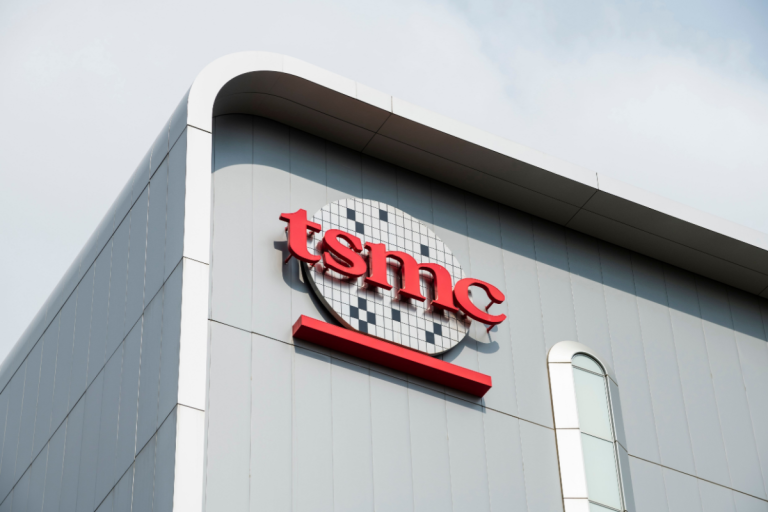
Taiwan’s high-tech corridor has long supplied the most critical component of modern electronics: advanced microchips. At its center is Taiwan Semiconductor Manufacturing Company, which produces more than 90% of the world’s most sophisticated chips used in smartphones, vehicles, data centers and artificial intelligence systems. For decades, this concentration was viewed as a strategic advantage for Taiwan — a “silicon shield” that discouraged aggression and kept global tech firms tied to the island’s stability.

But geopolitical pressures have grown. Tensions between the United States and China have intensified, and advanced chips are now seen as central to national security, especially for military systems and AI. With much of TSMC’s production located less than 100 miles from mainland China, questions about supply-chain resilience have pushed the company toward a more global footprint.

Customer Proximity and Political Reality

TSMC executives say the company’s expansion is driven primarily by customer needs. Chief Financial Officer Wendell Huang emphasized that clients want leading-edge technology as close to their operations as possible. Many of those customers — including chip designers and major hardware firms — maintain offices near TSMC’s headquarters in Hsinchu so they can collaborate easily.

Now, proximity is shifting geographically. In 2020, amid mounting pressure from U.S. policymakers to strengthen domestic manufacturing, TSMC committed to its first fabrication plant in Arizona. That facility began high-volume production last year. Political momentum accelerated under the Biden administration’s CHIPS Act and has continued during President Donald Trump’s second term, with Washington using incentives and export restrictions to encourage companies to produce advanced semiconductors on American soil.

Massive U.S. Build-Out and Global Expansion

TSMC plans to construct six fabs in Arizona, along with two advanced packaging sites and a research center. These facilities are intended to supply the company’s largest market: the United States, which accounts for around 70% of TSMC’s revenue. Customers such as Qualcomm and leading equipment suppliers are demanding next-generation manufacturing capacity in closer reach of their operations.

At the same time, the company is broadening production outside Taiwan, with new investment in Japan and Germany. These moves coincide with significant U.S. actions: a 10% government stake in Intel and agreements requiring Nvidia to share a portion of its Chinese chip sales, all aimed at tightening control of the most advanced semiconductor technologies.

The Future of the “Silicon Shield”

TSMC’s expansion abroad raises questions about whether Taiwan’s semiconductor dominance will remain as concentrated as in the past. While the company insists its core operations will stay anchored at home, the geopolitical logic behind diversification is stronger than ever. As competition between Washington and Beijing deepens, chip manufacturing — once a quiet backbone of global electronics — has become a central arena in a broader strategic struggle.

WHO Says GLP-1 Weight-Loss Drugs Mark a New Phase in Obesity Care

Major Potential, Limited Access

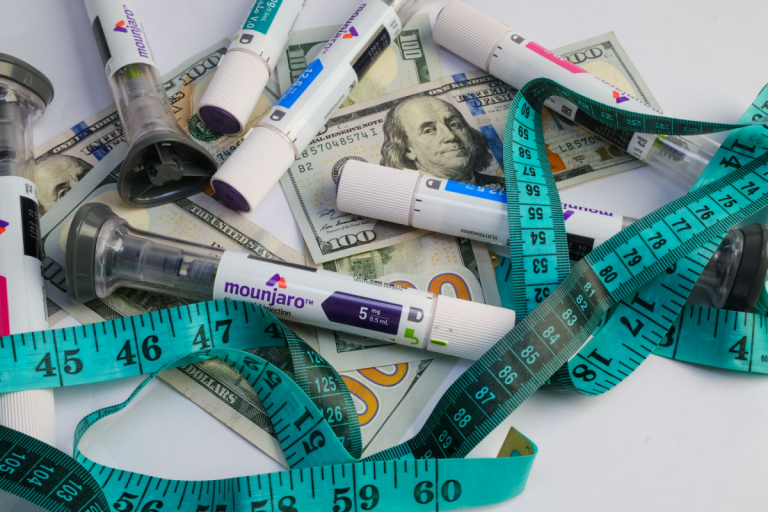
The World Health Organization says medications such as Mounjaro and other GLP-1 weight-loss drugs are transforming how health systems can treat obesity, but warned that only a fraction of those who need them can currently receive treatment. According to the WHO, global production capacity is sufficient for roughly 100 million people — just 10% of the one billion adults who could benefit from the therapies.

Obesity rates are projected to double from one billion to two billion by 2030, with global economic costs expected to reach three trillion dollars. The agency urged governments to expand access, noting that while eligible adults should be able to obtain the medications, they should not be used during pregnancy.

“A New Chapter” in Treating a Chronic Disease

In a special communication published in the Journal of the American Medical Association, WHO leaders described GLP-1 therapies as more than a clinical breakthrough. They said the drugs signify a shift in how obesity is viewed: not as a lifestyle issue, but as a chronic, preventable and treatable condition.

Dr Tedros Adhanom Ghebreyesus said the medications could help millions reduce the risks associated with obesity, including heart attacks, strokes, type 2 diabetes, sleep apnoea and kidney disease. Still, WHO cautioned that the drugs must be used as part of broader lifestyle interventions involving diet, physical activity and behavioral support.

Pricing and Production Barriers

The WHO called on pharmaceutical manufacturers to increase supply and lower prices for medications such as Mounjaro and Ozempic. Without major changes, it warned, people in low-income nations are likely to be left behind.

Three major obstacles stand in the way of equitable access: limited manufacturing capacity and high prices, gaps in health-system readiness, and lack of universal coverage. The organization said overcoming these issues is essential to ensure the medications reach all patients who could benefit.

No “Silver Bullet,” Experts Warn

Health advocates stress that although GLP-1s can be effective, they are not a stand-alone solution. Katherine Jenner, executive director of the Obesity Health Alliance, noted that access in the UK remains restricted, supplies are inconsistent and treatment is limited to targeted groups within the National Health Service.

Jenner added that long-term outcomes remain a concern because many people regain weight after stopping the medications. “We cannot medicate two-thirds of the population indefinitely,” she said, underscoring the need for comprehensive support alongside drug therapy.

Hong Kong Fire Death Toll Rises as Manslaughter Arrests Mount

Deadliest Blaze in Decades Sparks Anger and Demands for Accountability

Authorities in Hong Kong have arrested 13 people on suspicion of manslaughter after last week’s catastrophic fire at the Wang Fuk Court housing estate in Tai Po. The disaster, now the city’s deadliest in 75 years, has claimed 151 lives, with around 40 residents still missing. Emergency crews continued combing through the seven burned towers on Monday, as public frustration intensified over allegations of lax safety enforcement and delayed government oversight.

The estate, home to nearly 5,000 residents, had been undergoing large scale renovation works that residents say were plagued by safety concerns for more than a year. Revelations of past complaints and warnings have fueled outrage as the scale of the destruction becomes clearer.

Investigators Target Construction Firm and Safety Failures

Hong Kong’s anti corruption agency confirmed the arrest of construction company directors and an engineering consultant, saying investigators had launched a comprehensive probe “along the lines of manslaughter.” Officials said that at least seven out of 20 tested samples of the scaffolding mesh netting used on the towers failed required fire retardant standards.

Chief Secretary Eric Chan said cheaper, non compliant materials were deliberately installed in less accessible areas to avoid detection, calling it a “shameful act” carried out “at the expense of people’s lives.” Authorities say multiple warnings to contractors appear to have gone unenforced.

Residents Question Government Response as Civilians Face Arrests

While arrests of construction executives have proceeded swiftly, residents expressed outrage that no government officials have been held accountable. Instead, at least two civilians were detained under national security laws after calling for transparency and support for affected families.

Among those arrested was Miles Kwan, a student who launched an online petition demanding guaranteed assistance for victims and accountability for any negligent officials. Local media reported he was detained for “seditious intention.” Another man, former district councillor Kenneth Cheung, was also taken into custody.

On social media, many Hong Kong residents criticized the use of national security laws in the midst of a public tragedy, drawing comparisons to mainland legal practices and warning that silencing grief and inquiry would deepen public mistrust.

Security Tightens as Volunteers Step In and Tensions Rise

In the days after the fire, hundreds of volunteers arrived in Tai Po with supplies and support for displaced families. Their presence resembled pre pandemic community mobilization not seen in years. By evening, however, police patrols grew more visible, and officials gradually took control of the relief operations.

Authorities have warned that any attempt to use the tragedy to “incite anti China sentiment” will be met with law enforcement action. For many in the community, the arrests underscore a growing sense that calls for accountability may themselves become targets.

Airbus Shares Slide After New A320 Manufacturing Issue Emerges

Fuselage Panel Flaw Adds Pressure After Weekend Software Glitch

Shares of Airbus fell sharply on Monday after reports surfaced that the European aerospace manufacturer had identified a new industrial quality issue affecting dozens of its A320 family aircraft. According to Reuters, unnamed sources said the flaw involves fuselage metal panels and has already begun delaying some aircraft deliveries. There is no indication that the problem has spread to jets currently in service.

Airbus confirmed the discovery, describing the issue as limited in scope and noting that the source has been “identified and contained.” The company did not provide additional technical details, and CNBC has reached out for further comment.

Shares Drop as Investors React to Compounding Disruptions

The news sent Airbus stock tumbling to the bottom of the Stoxx 600 index, with shares down as much as 10% during the session before closing roughly 5.8% lower. The decline comes at a sensitive moment for the manufacturer, which is still managing the fallout from a separate software incident that hit thousands of flights over the weekend.

In a statement earlier Monday, Airbus apologized for the widespread disruption caused by a software malfunction affecting the flight systems of the A320 family. Approximately 6,000 aircraft were vulnerable to the glitch, which forced airlines to ground planes during a major global travel weekend. The company said the vast majority of affected jets have now received the necessary updates.

Impact Spreads Across Global Aviation Markets

The weekend disruption spilled from Europe into the United States, Australia, and large portions of Asia, where the A320 platform is a cornerstone of short haul travel networks. Passenger delays mounted as carriers sought rapid clearance to return aircraft to service.

Major U.S. airlines that operate Airbus fleets also recorded modest market reactions. American Airlines traded 0.2% lower, while Delta Air Lines finished 0.3% higher. Meanwhile, shares of Thales, the French aerospace firm that supplies flight system software to Airbus, slipped about 2%.

Industry Awaits Further Clarity on Manufacturing Concerns

While the new fuselage panel issue appears contained, it raises questions about Airbus’s ongoing production pressures as global demand for single aisle aircraft continues to surge. With airlines still recovering from the weekend software event, the manufacturer faces renewed scrutiny over the stability of its supply chain and the reliability of critical components across its best selling program.

Analysts say the next several days will be crucial as Airbus works to reassure investors, airlines, and regulators that the newly discovered flaw will not lead to a broader inspection campaign or extended delivery delays.

Google Tests New Annotation Tool for Gemini Images

Gemini Continues to Evolve

Google’s Gemini may not have generated the explosive excitement that followed the launch of ChatGPT, but it has matured rapidly since its debut. The platform is now more capable, more reliable and packed with unique features. Among them, the Nano Banana (Gemini 2.5 Flash Image) model has become a standout thanks to its playful, fast and highly accessible image generation tools — now available even inside Google Photos.

Beyond the fun factor, Google appears to be preparing a new feature that could make Gemini significantly more efficient for users who work regularly with AI-generated images.

New Annotation Tool Spotted in Testing

A leak from @testingcatalog on X suggests that Google is developing an image annotation tool directly inside Gemini. Its purpose is simple: give users the ability to draw or add text on top of generated images before downloading them. This would bypass the limitations of prompt-only editing, which can sometimes lead to misinterpretation or imprecise results.

With the annotation tool, users would be able to mark, circle, highlight or label areas on an image exactly where they want — something prompts are notoriously poor at reproducing. This reduces back-and-forth corrections and eliminates the need to import the image into another app just to make simple edits.

Time-Saving Benefits for Everyday Users

If implemented, the feature could become especially useful for teachers, students and professionals who rely on visual explanations. A teacher could quickly point to a specific area of a diagram, add a note, and export it instantly. Content creators could make markups without switching apps. Anyone who works with AI images regularly would save significant time by avoiding additional steps in the editing process.

Although this tool would not replace full image editing software, it would streamline the workflow for quick, context-specific adjustments — the kind that are most common when using AI-generated content.

No Release Timeline Yet

The leak does not include details about when this annotation feature might roll out, and as with any unreleased Google experiment, there is no guarantee it will reach the public. Google has a history of shelving projects even after early testing phases. Still, the tool aligns naturally with Gemini’s direction, and many users hope it becomes part of the platform.

For now, Gemini users can only wait — but if the annotation tool arrives, it could become one of the most practical upgrades Gemini has released to date.

WHO Warns Measles Surge Signals Wider Vaccine Risks

Rising Measles Cases Trigger Global Alarm

A sharp rise in measles cases worldwide is serving as an early warning that other vaccine-preventable diseases may be set to follow, the World Health Organization said Friday. Dr. Kate O’Brien, who leads the WHO’s Department of Immunization, Vaccines and Biologicals, described measles as the “fire alarm” of declining vaccination coverage because the virus spreads so easily.

“When we see measles cases, it signals that gaps are almost certainly likely for other vaccine-preventable diseases like diphtheria or whooping cough or polio, even though they may not be setting off the fire alarm just yet,” O’Brien said. The WHO’s Progress Toward Measles Elimination report, released Friday, shows a global surge in measles infections, including in countries that had previously eliminated the disease.

Global and U.S. Outbreaks Intensify

According to the new report, an estimated 11 million measles infections occurred worldwide in 2024, nearly 800,000 more than in 2019. Last year, 59 countries experienced large outbreaks, and in 2025, the United States joined that list.

Whooping cough cases are also climbing sharply in the U.S. The CDC reports more than 20,000 infections so far in 2025, on pace to reach the highest level in a decade. The simultaneous rise in two major illnesses underscores how even modest drops in immunization rates can weaken population protection.

Elimination Status Under Threat

Measles elimination — meaning the virus no longer spreads within a country — is at risk in several nations. Eighty-one countries had achieved elimination by 2024, including Canada in 1998 and the United States in 2000. But elimination status can be lost when the same strain of measles circulates continuously for a full year.

Canada crossed that threshold this month. The U.S. may follow if ongoing outbreaks are linked to a Texas cluster that began in January. Many early U.S. samples were identified as genotype D8, and that same variant has now been detected in outbreaks in South Carolina, Utah and Arizona.

South Carolina officials have reported 58 infections, mostly in Spartanburg County. Along the Arizona–Utah border, infections continue rising: Arizona has logged 153 cases, nearly all in Mohave County, while Utah has reported 102 cases. Additional clusters have emerged near Salt Lake City.

Vaccination Declines Fuel the Spread

New data shows that routine childhood vaccination rates in the U.S. have slipped significantly. According to an NBC News review, 77% of counties have seen declines in immunization coverage since 2019, reducing the community protection needed to stop outbreaks from spreading.

As of Wednesday, the Centers for Disease Control and Prevention had confirmed 1,798 measles cases across 42 states in 2025. Three deaths have been reported — an adult in New Mexico and two young girls in Texas.

Experts warn that unless vaccination rates recover, more illnesses could follow. Rising cases of whooping cough, along with ongoing measles outbreaks, indicate a growing vulnerability to diseases that had once been largely contained through routine childhood immunization.

Shoppers Seek Deals as Black Friday Begins

Holiday Kickoff Arrives Amid Cooling Confidence

Black Friday no longer sends crowds rushing out after Thanksgiving dinner, but it remains the busiest in-store shopping day of the year and the traditional starting point for the holiday retail season. This year’s launch comes as U.S. consumer confidence slid in November following the recent federal government shutdown, weaker hiring trends and persistent inflation, according to new data from The Conference Board.

Despite that backdrop, retail analysts say shoppers have continued spending even while expressing pessimism about the economy. Comerica Bank chief economist Bill Adams noted that consumers often claim conditions are poor, yet their purchasing patterns remain steady heading into the holidays.

Early Morning Crowds and Cautious Spending

At Macy’s flagship store in New York City, a steady flow of early morning customers searched for deep discounts in clothing, footwear, linens and cosmetics. Footwear proved one of the busiest departments, with markdowns between 40 and 50 percent. The atmosphere, however, lacked the frenzied pace of previous years.

Shoppers described navigating unpredictable prices, driven in part by President Donald Trump’s shifting tariff policies and the lingering effects of multi year inflation. Veronica Nam, 68, picked up sneakers for her husband and bedding at half price but said she plans to delay most gift buying until after Christmas. “Food is very expensive,” she said, pointing to the challenge of managing household budgets.

Meanwhile, 19 year old Queens resident Nicholas Menasche said he would spend roughly the same amount as last year, around $1,200, while visiting Macy’s and Best Buy for clothes, shoes and video games. He described Black Friday as a familiar annual tradition.

Retailers Navigate Tariffs and Rising Costs

Retailers spent much of the year adjusting to volatile import tariffs, particularly on goods from China. Some accelerated shipments to avoid higher duties, while others absorbed costs rather than pass them on to customers. Market research firm Circana reported that 40 percent of all general merchandise sold in September cost at least 5 percent more than earlier in the year.

The impact has been especially pronounced in categories that rely heavily on Chinese manufacturing. Circana found that 83 percent of toys sold in September were priced at least 5 percent higher. The Toy Association notes that nearly 80 percent of toys sold in the U.S. are imported from China, a sector that has been repeatedly affected by tariff adjustments this year.

Strong Traffic and Online Growth

Despite pricing pressures, many retailers and mall operators reported solid momentum heading into Black Friday. At the Mall of America in Minnesota, foot traffic in recent weeks exceeded pre pandemic levels, according to Jill Renslow, the mall’s chief business development and marketing officer. “The last few Saturdays in November have been very strong,” she said.

Online shopping growth has also surpassed expectations. Adobe Analytics found that consumers spent $79.7 billion between Nov. 1 and Nov. 23, a 7.5 percent increase from last year and ahead of Adobe’s projected 5.3 percent rise. Mastercard SpendingPulse forecasts holiday retail sales to grow 3.6 percent from Nov. 1 through Dec. 24, compared with a 4.1 percent increase last year.

“Clearly, consumers feel on edge,” said Mastercard Chief Economist Michelle Meyer. “But at the moment, it doesn’t seem like it’s changing how they are showing up for this season.”