Home Blog Page 12

U.S. measles outbreaks set to continue into 2026

Record-breaking spread shows no sign of slowing

As measles continues to spread across the United States, health officials warn that the record-setting outbreaks of 2025 are likely to carry into the new year. New clusters of cases, driven largely by falling vaccination rates, are forcing hundreds of families into extended quarantines and straining local public health resources.

South Carolina outbreak intensifies

In South Carolina, 168 people, most of them schoolchildren, are currently in quarantine following confirmed measles exposures. Since September, the state has recorded 138 cases, nearly all among unvaccinated individuals. The outbreak is concentrated in Spartanburg County, where the measles-mumps-rubella (MMR) vaccination rate for the 2024–25 school year stands at 90%, well below the 95% threshold needed to prevent outbreaks.

State epidemiologist Dr. Linda Bell said that each newly identified case can reset quarantine periods for exposed, unvaccinated contacts, meaning some families will remain isolated through the holiday season.

Vaccination rates falling nationwide

The situation in Spartanburg reflects a broader national trend. Data from NBC News shows that in states tracking MMR vaccination rates, 67% of counties and jurisdictions now fall below the 95% benchmark. Bell noted that vaccination coverage has been declining for several years, increasing the risk of sustained transmission.

CDC’s muted role draws concern

Unlike past measles outbreaks, the Centers for Disease Control and Prevention has maintained a relatively low public profile in 2025. Most public messaging and response efforts have been led by state and local health departments. A recent study identified an “emerging health communication void,” noting that CDC measles-related social media posts dropped sharply compared with previous years.

The agency has said it provides updated materials to states and deploys investigation teams only when requested. South Carolina officials have not sought additional federal assistance.

Arizona–Utah cases continue to rise

Another major outbreak spans southwestern Utah and northwestern Arizona. Utah has reported 125 cases, including 21 in the past three weeks, with exposures linked to schools, urgent care clinics and pediatric medical offices. Arizona has confirmed 190 cases, nearly all in Mohave County. In both states, roughly 97% of cases involve unvaccinated individuals.

Nationwide toll nears historic highs

As of mid-December, the United States has recorded 1,958 measles cases in 2025, approaching the 1992 record of 2,216 cases. Forty-nine outbreaks have been documented this year, and 222 people have required hospitalization. Three deaths have been reported, underscoring the serious consequences of declining immunization coverage.

Warner Bros. Discovery urges shareholders to back Netflix deal

Board rejects Paramount Skydance takeover bid

The board of Warner Bros. Discovery has unanimously recommended that shareholders reject a hostile takeover offer from Paramount Skydance and instead support what it described as a superior merger proposal from Netflix.

Paramount launched a $30-per-share all-cash tender offer directly to Warner Bros. Discovery shareholders last week, valuing the company at an enterprise value of about $108.4 billion. Paramount Skydance chief executive David Ellison has argued that the bid offers stronger regulatory prospects than the competing Netflix proposal.

Concerns over value, certainty, and financing

In a statement released Wednesday, board chair Samuel Di Piazza said the Paramount offer carried “significant risks and costs” and failed to provide adequate value. The board highlighted concerns about financing structure, noting that more than $40 billion of the proposed funding did not come directly from the Ellison family.

Warner Bros. Discovery also cited the recent exit of Jared Kushner’s Affinity Partners from the Paramount-led bid and questioned the reliability of third-party financing, including capital expected from Gulf state sovereign wealth funds.

Netflix proposal seen as cleaner and more certain

Netflix has proposed a cash-and-stock transaction valuing Warner Bros. Discovery’s streaming and studio assets at roughly $72 billion in equity value, or about $83 billion including debt. Under the deal, Warner Bros. Discovery’s cable networks would be spun off into a separate company.

According to the board, Netflix’s offer includes no equity financing risk, strong debt commitments, and a high termination fee, providing greater certainty of closing. Di Piazza said the structure directly addressed operational concerns raised during the strategic review process.

Paramount leaves door open to higher bid

Although Warner Bros. Discovery formally rejected the Paramount Skydance proposal, the decision could prompt a revised offer. Ellison has previously indicated that the $30-per-share bid was not final, though Paramount said Wednesday it does not currently plan to increase its offer.

Some shareholders, including GAMCO Investors CEO Mario Gabelli, said maintaining competitive tension between bidders could still benefit investors.

Regulatory outlook and next steps

Di Piazza dismissed concerns that antitrust scrutiny would favor one deal over the other, stating that both transactions would need to navigate review by the U.S. Department of Justice. Netflix executives echoed that view, saying they are prepared to defend the deal if challenged.

Warner Bros. Discovery expects to hold a shareholder vote on the Netflix merger in the spring or early summer, with a final date yet to be determined.

Lula vows to veto bill cutting Bolsonaro’s prison sentence

President signals firm stance against sentence reduction

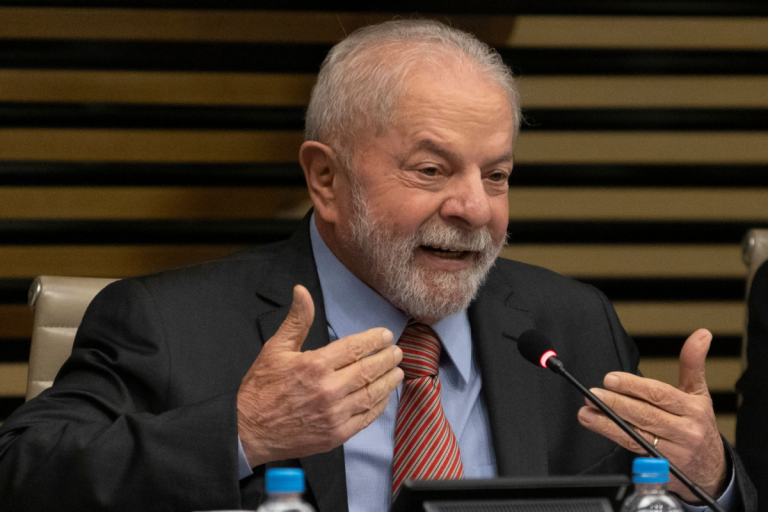
Brazil’s president, Luiz Inácio Lula da Silva, has pledged to veto newly approved legislation that would significantly reduce the prison term of former president Jair Bolsonaro, who was sentenced to more than 27 years for orchestrating an attempted coup following the 2022 election defeat.

The bill passed Congress late Wednesday and would shorten the minimum time Bolsonaro must serve in a closed prison regime from six years to just over two, depending on sentence reduction mechanisms such as good behavior. Lula acknowledged that Congress could override his veto but insisted accountability for crimes against democracy must prevail.

Bolsonaro sentence reduction sparks political clash

Speaking to reporters on Thursday, Lula emphasized that those who attempted to undermine Brazil’s democratic institutions must face the consequences. He described the legislative process as part of democratic checks and balances, stating that while Congress may override his decision, he will exercise his constitutional right to block the bill.

Bolsonaro is currently serving his sentence in a special cell at federal police headquarters in Brasília. His legal team is seeking authorization from the Supreme Court for him to undergo hernia surgery.

Bill benefits allies and convicted coup participants

The legislation does not offer the full amnesty Bolsonaro and his supporters had sought, but it benefits a wide range of convicted individuals. These include senior military officers found guilty of participating in the coup plot and hundreds of people involved in the January 8, 2023, attacks on government buildings in Brasília.

The bill allows sentences for related crimes such as attempted coup and violent abolition of democratic order to be combined, with only the harsher sentence applied. This legal restructuring substantially reduces time served for many defendants.

Public opinion and democratic concerns

The bill’s passage has drawn strong criticism from legal experts and political analysts, many of whom view it as a step backward for democratic accountability. Opinion polls indicate a majority of Brazilians oppose reducing sentences for those involved in the coup attempt.

Prominent journalist Miriam Leitão described the move as reopening Brazil’s historical pattern of impunity, warning that it risks undermining the precedent set by convicting coup plotters for the first time in the country’s history.

Congressional dynamics ahead of 2026 election

Bolsonaro’s family has welcomed the bill despite its limited scope. Senator Flávio Bolsonaro acknowledged it was not the outcome they hoped for but framed it as a political victory. He is currently positioned as the family’s preferred challenger to Lula in the 2026 presidential election.

As Lula prepares to issue his veto, Brazil faces another test of its institutional resilience, with the final outcome resting on whether Congress chooses to uphold or override the president’s decision.

Google adds new plus menu to Search homepage

A subtle but notable change to google.com

The Google Search homepage, which historically changes very little, has received a quiet but meaningful update. After introducing an AI Mode shortcut earlier this year, Google has now added a new “plus” menu directly inside the Search bar on desktop.

The update signals Google’s continued push to position Search not just as a tool for finding information, but as a platform for completing tasks using artificial intelligence.

What the new plus menu does

On desktop web, the traditional magnifying glass icon on the left side of the Search bar has been replaced with a plus symbol. Clicking it opens a small menu with two options:

  • Upload image
  • Upload file

While these features already existed elsewhere in Google Search, the new placement makes them far more visible and closely mirrors the interface used in Google’s AI Mode experience.

Tighter integration with AI Mode

The updated menu reinforces that image and file uploads can be used alongside AI Mode and AI Overviews. This helps communicate that users can actively interact with Search using their own content, rather than relying solely on text queries.

The change also aligns with Google’s broader strategy of blending traditional search with generative AI capabilities in a more seamless way.

Availability and platform differences

The new plus menu is currently available only on the desktop web version of google.com. It does not appear on mobile browsers. Testing shows the feature is live across devices and even appears in signed-out and Incognito sessions.

Separately, Google has made a related interface change in the iOS Google app. The Google Labs beaker icon in the top-left corner of the Home tab has been replaced with a shortcut that opens AI Mode history. This makes it easier for users to revisit previous AI interactions.

This AI history shortcut is not yet available on Android.

Additional interface refinements

Google has also adjusted the AI Mode home and prompt page layout. The refreshed history button now appears on the left side of the interface, while the back or dismiss button has been moved to the right, improving consistency and usability.

Together, these changes reflect Google’s ongoing effort to make AI-powered search features more discoverable and integrated into everyday use.

Study finds COVID-19 vaccination linked to lower death risk

Large French analysis tracks adults over four years

Adults who received at least one dose of an mRNA COVID-19 vaccine had a lower risk of death from all causes compared with unvaccinated individuals, according to a major new study conducted in France. The findings suggest that COVID-19 vaccines are not associated with increased long-term mortality and may instead offer broader protective benefits.

The research examined health outcomes over nearly four years following the peak of vaccination campaigns in 2021. It found that vaccinated adults experienced significantly lower mortality, both from COVID-19 itself and from all causes combined.

Sharp reduction in severe COVID-19 deaths

The study analyzed data from 28 million French adults aged 18 to 59. Among those who received at least one dose of an mRNA vaccine, the risk of death from severe COVID-19 was 74 percent lower than among unvaccinated individuals.

Researchers attributed much of this benefit to strong protection against severe illness, which dramatically reduced the likelihood of fatal outcomes following infection.

Lower all-cause mortality observed

Beyond protection from COVID-19, vaccinated individuals also showed a 25 percent lower risk of death from all causes. Over the four-year follow-up period, 98,429 deaths were recorded among vaccinated participants, representing 0.4 percent of that group. By comparison, 32,662 deaths, or 0.6 percent, occurred among unvaccinated individuals.

The authors noted that reduced complications linked to long COVID may also help explain the overall decline in mortality among vaccinated adults.

No increase in deaths from other causes

Importantly, the study found no evidence of increased deaths from cancer, cardiovascular disease, accidental injuries, or any other major causes. In every category analyzed, mortality rates among vaccinated individuals were either similar to or lower than those seen in the unvaccinated population.

Based on these findings, the researchers concluded that a causal link between mRNA vaccination and excess long-term mortality now appears highly unlikely.

Study scope and limitations

The analysis was conducted by Epi-Phare, a scientific group overseen by the French medicines regulator and the national health insurance fund. It used data from the French National Health Data System, tracking 22.7 million vaccinated adults and 5.9 million unvaccinated individuals over a median follow-up of 45 months.

Participants were limited to those under 60 years old, meaning the results do not directly apply to older age groups, who face the highest risks from COVID-19.

Yuan seen breaking 7.0 barrier as outlook turns bullish

Fed rate cuts and easing trade tensions lift sentiment

China’s currency is increasingly expected to strengthen beyond the symbolic 7.0-per-dollar level next year, supported by US Federal Reserve rate cuts and improving expectations around China-US trade relations. Some market participants are even forecasting a move toward 6.8 per dollar, reflecting growing confidence in the yuan’s outlook.

Optimism has been reinforced by signs of a softer US dollar and Beijing’s policy efforts to stabilise economic growth. Analysts say these factors are reducing depreciation pressure on the yuan and encouraging capital inflows.

Market signals point to renewed momentum

The offshore yuan was trading near 7.05 per dollar early Monday, while the People’s Bank of China set a relatively firm daily fixing at 7.0656. This marks one of the strongest fixings seen in recent months and signals official comfort with a steadier currency.

Bank of America expects the yuan to strengthen to around 6.8 per dollar in 2026, citing policy stimulus, stable fixings and improving capital flows. Huatai Securities has issued a similar forecast, projecting a move to roughly 6.82 by the end of next year.

Policy stance and external factors align

Guan Tao, a former senior official at China’s foreign exchange regulator, said the easing cycle at the Fed and relatively calm bilateral trade relations are key drivers. He also noted that confidence in the US dollar has weakened due to policy uncertainty in Washington.

At China’s central economic work conference last week, leaders reaffirmed their commitment to keeping the yuan basically stable at a reasonable and balanced level, a message that has reassured currency markets.

Risks remain despite positive trend

While expectations are improving, analysts caution that a sustained break below 7.0 is not guaranteed. Slowing social financing growth and weak household borrowing could limit upside momentum, even as corporate financing remains solid.

China’s aggregate financing expanded 8.5 percent year on year in November, driven mainly by corporate borrowing, while household financing recorded net outflows. Analysts expect credit growth to moderate further in early 2026 due to a high base and more measured fiscal support.

Florida weighs rolling back school vaccine mandates

Public meeting highlights deep divide over immunizations

A heated public debate unfolded Friday as Florida health officials gathered feedback on a proposal to revoke several school vaccine requirements. The Florida Department of Health is considering eliminating mandates for vaccines against hepatitis B, chickenpox and haemophilus influenza type B for children attending public and private schools, including prekindergarten. The plan would also remove these requirements for day care admissions, along with the pneumococcal conjugate vaccine.

Officials said there is no set timeline for implementing the changes. The proposal has drawn sharp criticism from pediatricians and infectious disease specialists, while vaccine opponents voiced strong support during the meeting.

Misinformation clashes with medical testimony

The meeting in Panama City Beach revealed stark differences between medical professionals and vaccine skeptics. Some speakers falsely claimed that recent measles outbreaks did not occur and made inaccurate statements about mRNA vaccines, despite none of the vaccines under review using that technology. Others suggested that administering multiple vaccines within a short period was harmful, a claim that contradicts established medical evidence.

Health experts pushed back, warning that lowering vaccination requirements could increase the risk of preventable diseases. Doctors described past experiences treating children for illnesses such as Hib infections and meningitis, which can cause severe complications or death.

Broader national context and political influence

Florida is currently the only U.S. state seeking to roll back school vaccine mandates, but national attitudes are shifting. An October poll found growing support among adults for ending vaccination requirements in public schools. Critics argue that rhetoric from federal leaders, including Health Secretary Robert F. Kennedy Jr., has emboldened vaccine skepticism at the state level.

Florida Surgeon General Joseph Ladapo has previously criticized school vaccine mandates and pledged to eliminate certain requirements. However, state health officials noted that only a limited number of vaccine mandates can be repealed through regulatory action. Requirements for vaccines against polio, measles, mumps, rubella and other diseases would require legislative approval.

Next steps in the rule change process

Medical professionals urged the health department to reconsider, emphasizing the role vaccines play in preventing severe illness and disability. Written public comments on the proposal remain open, and officials said a final decision is unlikely before next year.

The Florida Department of Health said it remains committed to following the formal rule change process as outlined under state law.

Trump says Thailand and Cambodia agree to halt border fighting

Ceasefire announcement follows renewed clashes

President Donald Trump said the prime ministers of Thailand and Cambodia have agreed once again to stop fighting along their disputed border, with the ceasefire set to take effect Friday evening. The announcement comes after days of deadly clashes that forced thousands of civilians to evacuate border areas and raised concerns about the collapse of a fragile truce.

In a post on Truth Social, Trump said he spoke directly with Thai Prime Minister Anutin Charnvirakul and Cambodian Prime Minister Hun Manet. According to the president, both leaders committed to ending hostilities and returning to a previous peace accord that had been brokered earlier this year.

Role of regional diplomacy

Trump credited the agreement to earlier negotiations involving Malaysia, noting that the original ceasefire was finalized during a meeting he attended in the country in October, with the support of Malaysian Prime Minister Anwar Ibrahim. That July truce was designed to calm tensions rooted in longstanding territorial disputes between Thailand and Cambodia.

Despite the agreement, the ceasefire has remained unstable. Isolated incidents of violence and continued exchanges of accusations between the two sides have kept tensions high, even as diplomatic efforts continued behind the scenes.

Trump claims direct intervention

Following the most recent outbreak of fighting, Trump publicly suggested that direct talks could help prevent a wider conflict. Speaking at an event in Pennsylvania earlier this week, he said he would place calls to the two governments to push for an immediate halt to the violence.

On Friday, Trump framed the renewed commitment to peace as a diplomatic success, saying both Thailand and Cambodia were ready to move forward with peace and continued trade relations with the United States.

Fragile peace going forward

While the announcement signals a potential de-escalation, analysts note that previous ceasefires along the Thai-Cambodian border have proven difficult to sustain. The underlying territorial disagreements remain unresolved, and observers say long-term stability will depend on sustained dialogue and confidence-building measures between the two countries.

For now, the agreement offers hope that the latest round of violence can be contained before it escalates further, even as regional and international actors continue to monitor the situation closely.

Rivian’s AI push excites analysts, but risks remain

Autonomy and AI Day highlights new strategy

Rivian Automotive drew fresh attention from Wall Street after unveiling ambitious plans around artificial intelligence, automation and an internally developed silicon chip during its first Autonomy and AI Day. The electric vehicle maker outlined a strategy centered on deeper vertical integration, including proprietary hardware, software and AI systems designed to support advanced driver assistance and future autonomous driving.

Despite generally positive reactions to the technology roadmap, Rivian shares fell 6.1% on Thursday to close at $16.43, before rebounding sharply on Friday with gains of more than 15% during intraday trading. Analysts said much of the news had already been priced in after a strong run-up ahead of the event.

Analysts see long-term potential in AI and software

Several firms acknowledged the strategic importance of Rivian’s announcements, even if near-term stock performance was volatile. Needham raised its price target by 64% to $23 per share, citing Rivian’s proprietary RAP1 chip, its evolving vehicle software architecture and the potential for future licensing and software revenue.

Deutsche Bank described the overall direction as encouraging, noting that Rivian appears to be shifting from an automaker adopting autonomy to one building end-to-end AI-driven systems. However, the lack of a major AI partnership announcement and intensifying competition in the sector tempered enthusiasm.

Demand, adoption and capital remain key hurdles

While Rivian’s technology ambitions impressed observers, analysts stressed that challenges around demand and profitability persist. Electric vehicle sales have slowed following the expiration of U.S. tax credits, and adoption rates for advanced driver assistance systems remain modest across the industry, including at established players like Tesla.

Rivian also continues to burn significant cash, despite cost reductions and rising software revenue linked to its joint venture with Volkswagen. The company ended the third quarter with $7.7 billion in liquidity, which management says positions it well for the launch of its upcoming R2 midsize SUV.

The importance of the R2 launch

The R2, expected to start around $45,000, is central to Rivian’s future. Analysts view it as a test of the company’s ability to scale production, reduce costs and move closer to profitability in a highly competitive segment. Some have cautioned that profitability pressures could intensify, given that Rivian’s higher-priced R1 models have already struggled to generate margins.

For now, Wall Street appears to value Rivian’s software and AI ambitions more highly than its core vehicle business. The company’s long-term outlook may depend on whether it can convert technological promise into sustained demand, broader adoption of autonomy features and a clearer path to profitability.

Samsung launches One UI 8.5 beta with major upgrades

New tools streamline content creation

Samsung has introduced the One UI 8.5 beta program, bringing a range of enhancements designed to boost productivity, privacy and performance across Galaxy devices. The latest version focuses heavily on making content creation easier and more continuous. Users can now work with the updated Photo Assist feature without needing to save every individual version of an edit. All iterations appear in an edit history view, allowing users to select which results they want to keep once they finish.

Sharing content is also faster. Improvements to Quick Share allow the system to identify people in photos and suggest sending images directly to the relevant contacts. This reduces extra steps and makes sharing more intuitive across the Galaxy ecosystem.

Cross device connectivity gets smarter

One UI 8.5 introduces a series of features aimed at creating smoother interactions between Galaxy phones, tablets, PCs and TVs. One of the most notable additions is Audio Broadcast, which uses Auracast and LE Audio supported devices to share sound effortlessly with nearby listeners. Beyond streaming media, users can broadcast their own voice directly through the phone microphone, a useful feature for tours, meetings or group announcements.

Storage Share expands file access within the ecosystem by allowing files from other Galaxy devices to appear inside the My Files app. Users can also browse phone files from other Samsung devices, including televisions, creating a more fluid multi device workflow.

Stronger protection and clearer controls

Security receives a noticeable upgrade with One UI 8.5. Theft Protection helps safeguard phones and personal data if a device is lost or stolen. Failed Authentication Lock adds another safeguard by automatically locking the screen after repeated unsuccessful attempts to unlock it through fingerprint, PIN or password entry. Identity check has also been expanded to cover more system settings, giving users additional oversight and control.

Availability details

The One UI 8.5 beta program first rolls out to Galaxy S25 series users starting December 8 in select regions including the United States, United Kingdom, India, Korea, Germany and Poland. Eligible Galaxy users can apply to test the beta through the Samsung Members app.